Phone:
+86 18631189888

Email:
liyanhui@bestcastings.cn


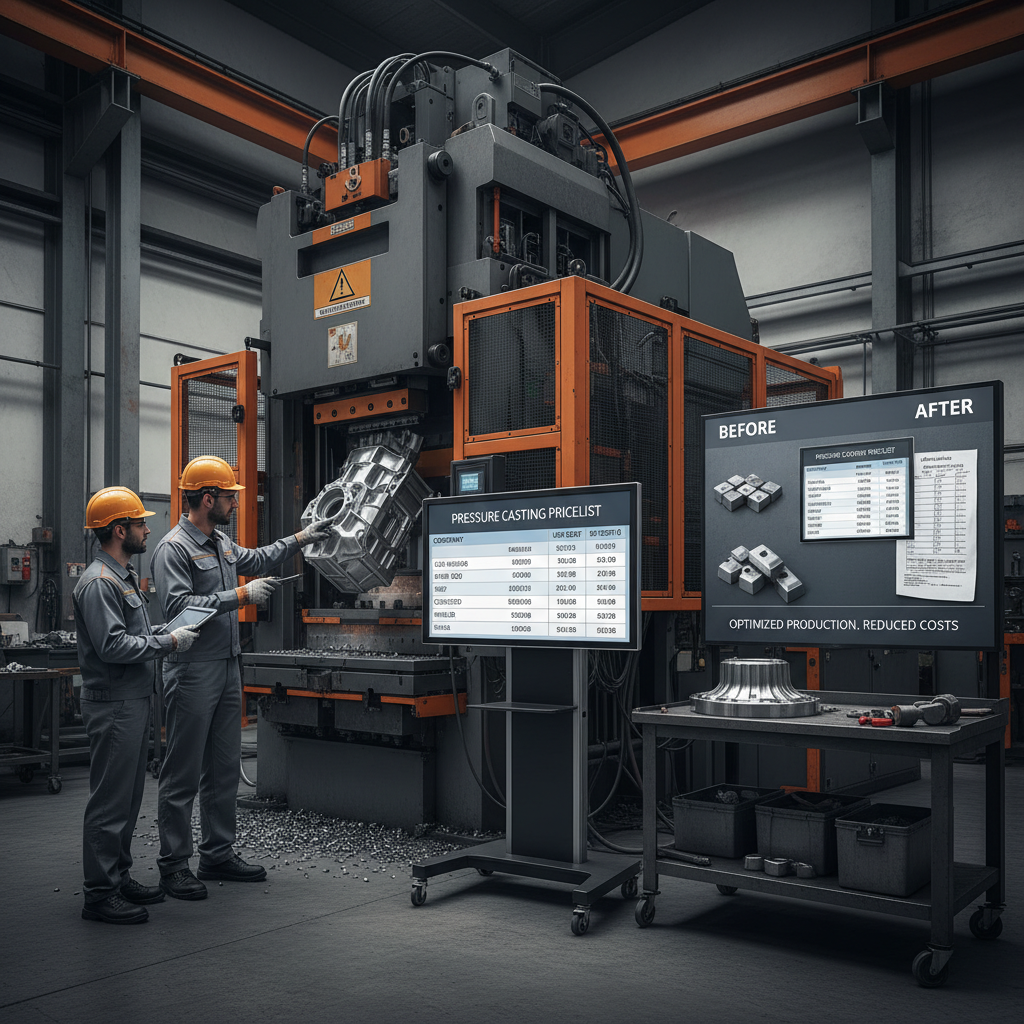
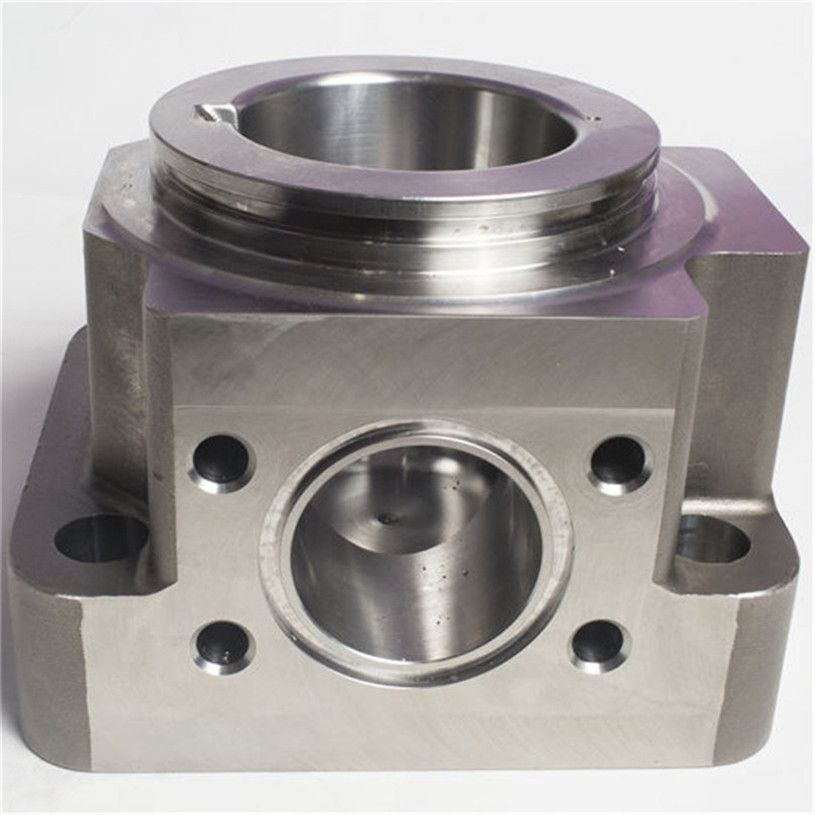
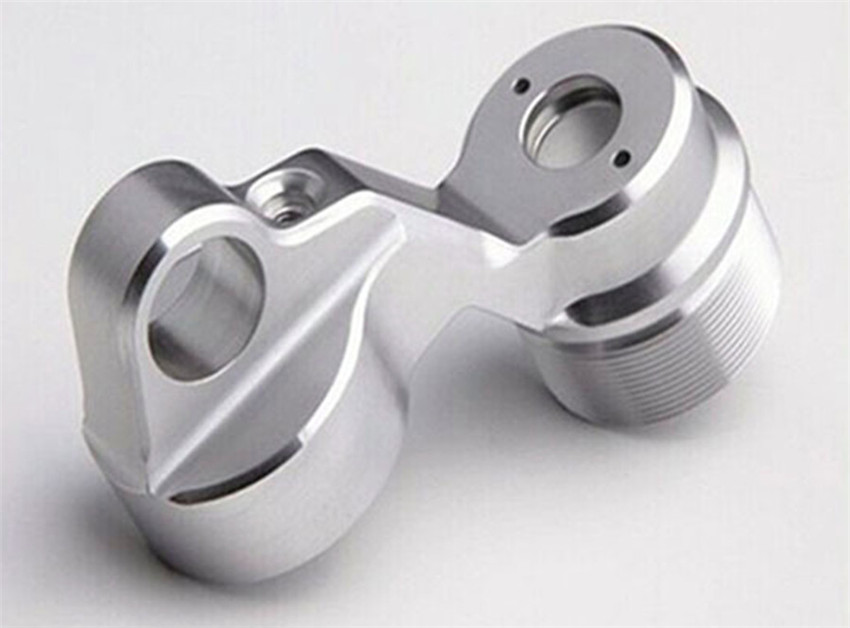
High pressure die casting (HPDC) aluminum parts are crucial components in many industries, from automotive and aerospace to electronics and medical devices. Understanding the factors that influence high pressure die casting aluminum pricelist is vital for effective sourcing and budgeting. This article offers a detailed overview of the pricing dynamics, common cost drivers, and what you can expect when requesting quotes from manufacturers like Mingda Metals. We will explore the intricacies of HPDC aluminum pricing to help you make informed decisions.
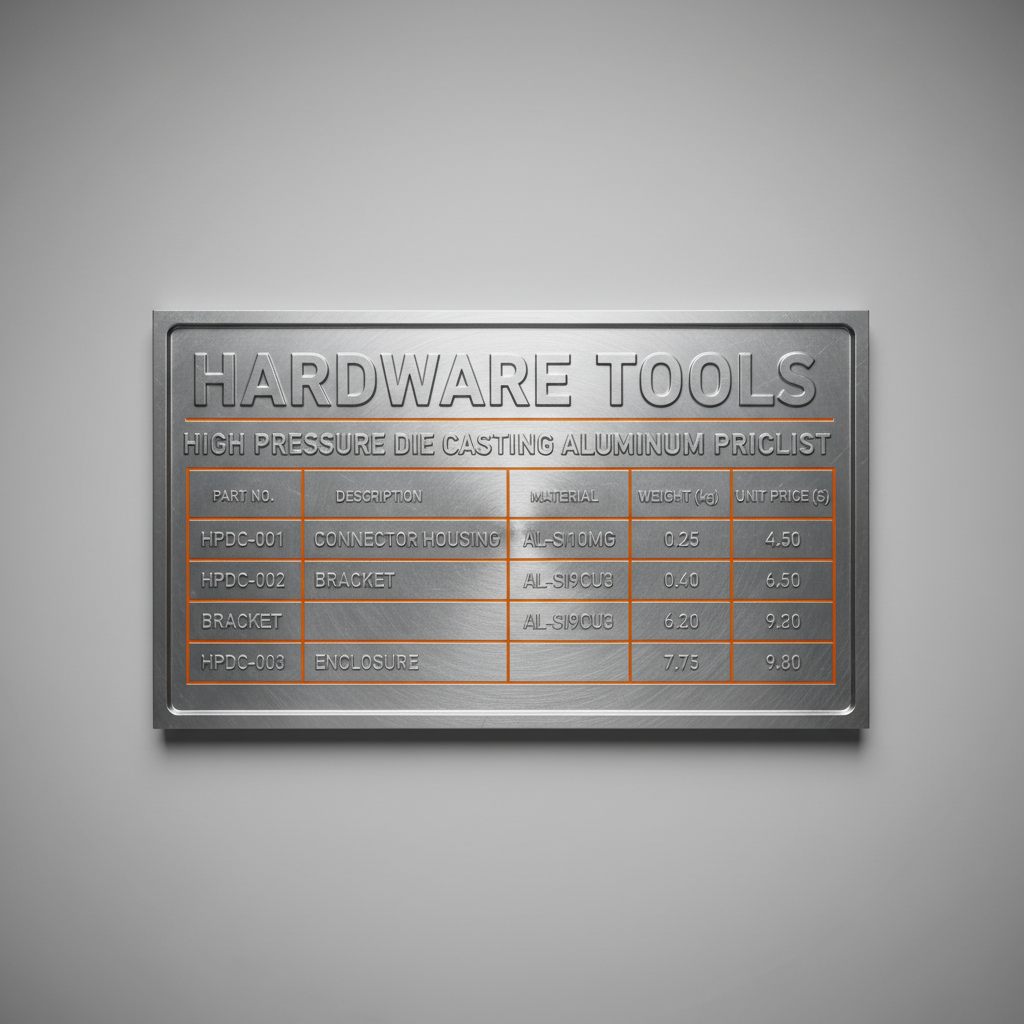
The cost of high pressure die casting aluminum pricelist isn’t a fixed number. Several key factors significantly impact the final price. These include the material cost (aluminum alloy grade), part complexity, tooling requirements, production volume, and finishing processes. Aluminum alloy grade directly affects the price; more specialized alloys with enhanced properties generally cost more. The intricacy of the part’s design – features like thin walls, cores, and undercuts – increases tooling complexity and machining time. Finally, the location and capabilities of the supplier also play a role.
Key Considerations: Understanding these factors allows for a more accurate estimation of costs and facilitates effective communication with potential suppliers.
Different aluminum alloys offer varying properties, impacting both performance and cost. Commonly used alloys in HPDC include A380, A360, and ADC12. A380 is a popular, cost-effective choice for many applications, while A360 offers improved corrosion resistance but is typically more expensive. ADC12 provides excellent mechanical properties and castability, making it suitable for demanding applications but generally comes at a higher price point. Choosing the right alloy is a balance between performance requirements and budget constraints.
Aluminum Alloy Comparison:
• A380: Cost-effective, good castability
• A360: Improved corrosion resistance, higher cost
• ADC12: Excellent mechanical properties, highest cost
Tooling, or the creation of the die used in the casting process, represents a substantial portion of the overall cost, particularly for low to medium production volumes. The complexity of the part directly impacts tooling cost – intricate designs with undercuts, thin walls, or tight tolerances require more sophisticated and expensive tooling. Tooling costs typically range from $10,000 to $50,000 or more, depending on the size and complexity of the part. Amortizing this cost over the production run is crucial for understanding the per-piece price.
Production volume is a key driver of per-piece cost. Higher volumes benefit from economies of scale, spreading the tooling cost over more units and reducing the per-piece price. Lower volumes, conversely, result in a higher per-piece price due to the need to amortize tooling costs over fewer units. Working with a manufacturer like Mingda Metals that can handle both prototyping and large-scale production is beneficial for companies with evolving needs.
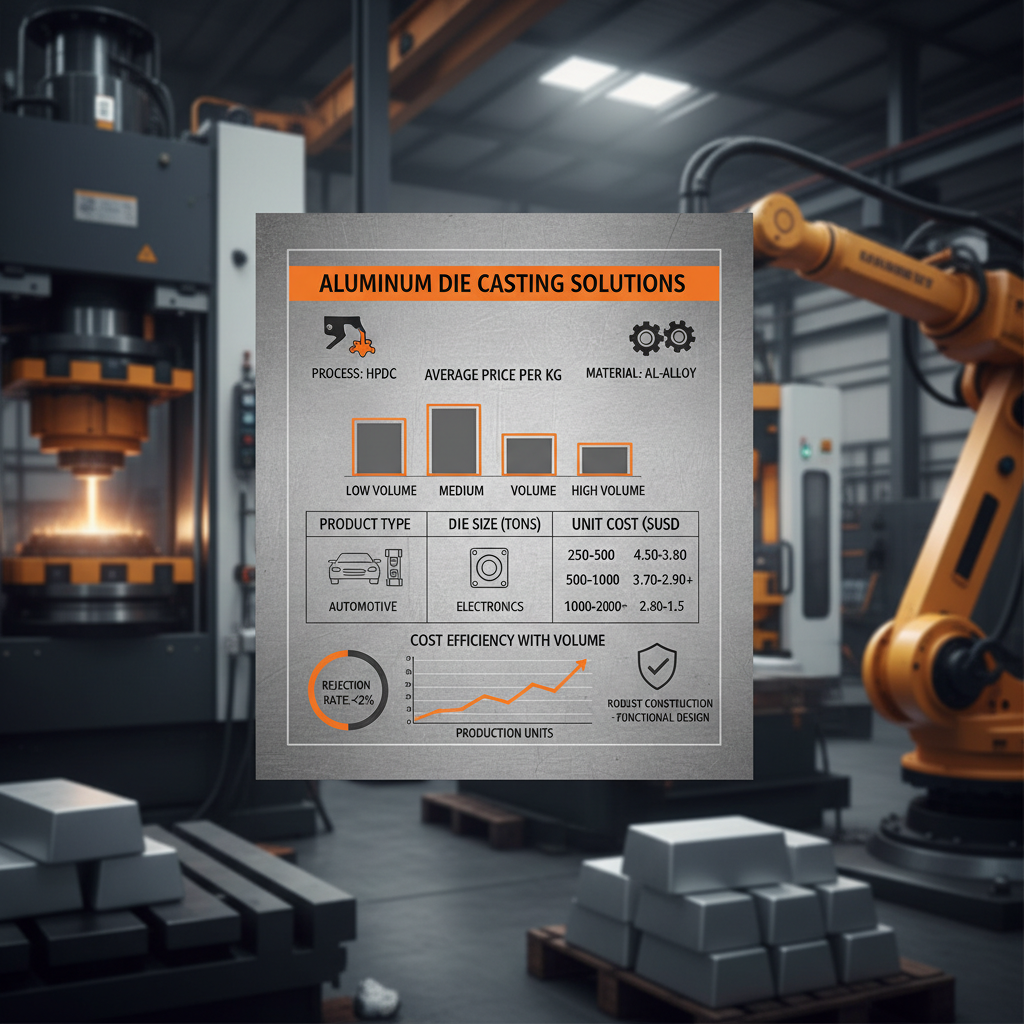
To obtain accurate high pressure die casting aluminum pricelist, provide suppliers with detailed 3D models (preferably in STEP or IGES format), material specifications, desired surface finishes, and estimated annual volumes. Clearly outlining your requirements will allow manufacturers to provide more precise and competitive quotes. Don't hesitate to ask questions and clarify any uncertainties to ensure a smooth and transparent sourcing process.
Understanding the factors that influence the high pressure die casting aluminum pricelist is essential for successful sourcing. By carefully considering material choices, part complexity, production volume, and working with a reliable partner like Mingda Metals, you can optimize costs and ensure the quality of your aluminum die casting components.
Lead times vary depending on the complexity of the part and the manufacturer's current workload. Tooling typically takes 4-12 weeks, with more complex designs requiring longer lead times. Production lead times depend on the volume ordered and can range from 2-8 weeks after tooling completion. Open communication with your supplier is crucial for establishing realistic timelines. For rapid prototyping, some manufacturers offer expedited tooling services, though these come at a premium cost. Discuss your specific timeline requirements upfront to ensure feasibility.
A wide range of surface finishes can be applied to HPDC aluminum parts, including powder coating, painting, anodizing, and machining. The choice of finish depends on the desired aesthetic appearance, corrosion resistance, and functional requirements. Powder coating provides a durable and cost-effective finish, while anodizing enhances corrosion resistance and hardness. Machining can achieve tight tolerances and precise surface textures. The cost of each finishing process will be added to the overall high pressure die casting aluminum pricelist.
Simplifying the part design, minimizing undercuts, and avoiding tight tolerances can significantly reduce tooling costs. Designing for manufacturability (DFM) is crucial. Collaborate with your supplier during the design phase to identify potential cost-saving opportunities. Utilizing standard components and avoiding unnecessary features can also help lower tooling expenses. Consider sharing tooling costs across multiple parts if feasible. A thorough design review with the manufacturer before tooling begins is highly recommended.
Look for a supplier with a proven track record, robust quality control systems (such as ISO 9001 certification), and expertise in HPDC aluminum casting. Assess their capabilities, including their machine capacity, tooling design expertise, and finishing services. Clear communication, responsive customer service, and a commitment to on-time delivery are also essential. Mingda Metals provides full-service solutions and a dedication to customer satisfaction.