The evolution of urban infrastructure has led to a critical shift in how we manage utility access, with the composite manhole cover emerging as a superior alternative to traditional metallic options. As cities expand and environmental regulations tighten, the demand for materials that combine high load-bearing capacity with total corrosion resistance has become a global priority for municipal engineers.
Understanding the technical composition and implementation of these advanced covers is essential for reducing long-term maintenance costs and improving public safety. Unlike cast iron, which is prone to oxidation and theft, composite materials offer a versatile solution that adapts to various chemical environments and traffic loads while remaining virtually maintenance-free over several decades.
By integrating fiber-reinforced polymers and advanced resins, the modern composite manhole cover provides a sustainable path forward for smart city development. This transition not only optimizes the lifecycle of drainage and sewage systems but also aligns with global green building standards by reducing the carbon footprint associated with heavy metal smelting.
Global Relevance of Composite Manhole Covers
Across the globe, the degradation of urban drainage systems due to saltwater corrosion and chemical runoff has cost municipalities billions in unplanned repairs. Traditional ductile iron covers, while strong, are susceptible to rust and are frequently targeted by scrap metal thieves, creating hazardous "open pits" in pedestrian and vehicular zones.
The adoption of the composite manhole cover addresses these vulnerabilities by utilizing non-conductive and non-corrosive materials. According to ISO standards for urban infrastructure, the move toward SMC (Sheet Moulding Compound) and composite materials significantly reduces the risk of structural failure in high-salinity coastal regions, ensuring a more resilient city grid.
Definition and Industrial Significance
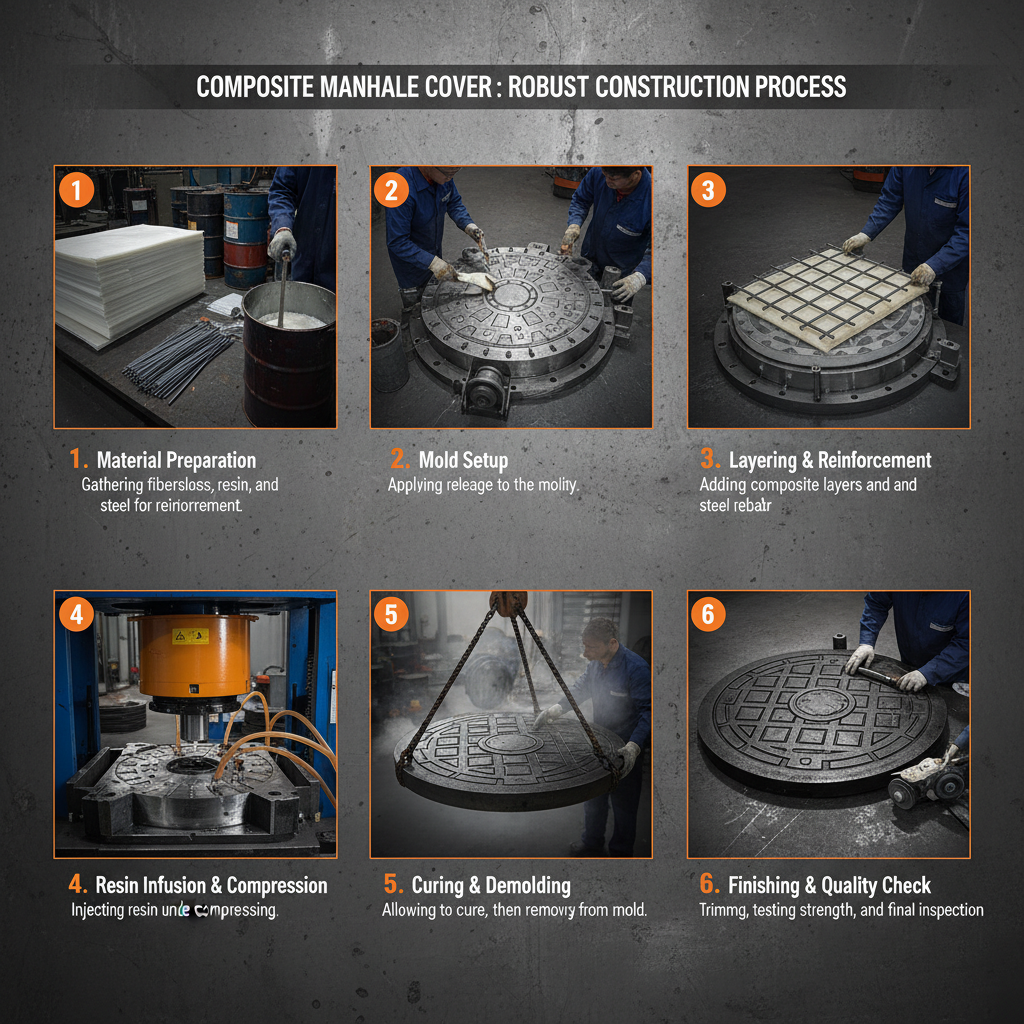
A composite manhole cover is a specialized engineering component manufactured from a mixture of polymer resins, reinforced with glass fibers or other composite materials. Unlike single-material covers, these are engineered "matrices" designed to distribute heavy loads across a reinforced surface while maintaining a lightweight profile that facilitates easier installation and removal.
In the context of modern industrialization, these covers represent a shift from "passive" infrastructure to "engineered" solutions. They are no longer just lids for holes; they are high-performance shields that protect critical utility junctions—telecommunications, electrical grids, and sewage—from the harsh realities of environmental exposure and heavy traffic wear.
The industrial significance lies in the ability to customize the material properties. By adjusting the resin-to-fiber ratio, manufacturers can produce covers that range from light-duty residential grades to ultra-heavy-duty industrial versions capable of supporting aircraft or heavy freight trucks, making them an indispensable tool for humanitarian and urban planning.
Core Components and Technical Factors
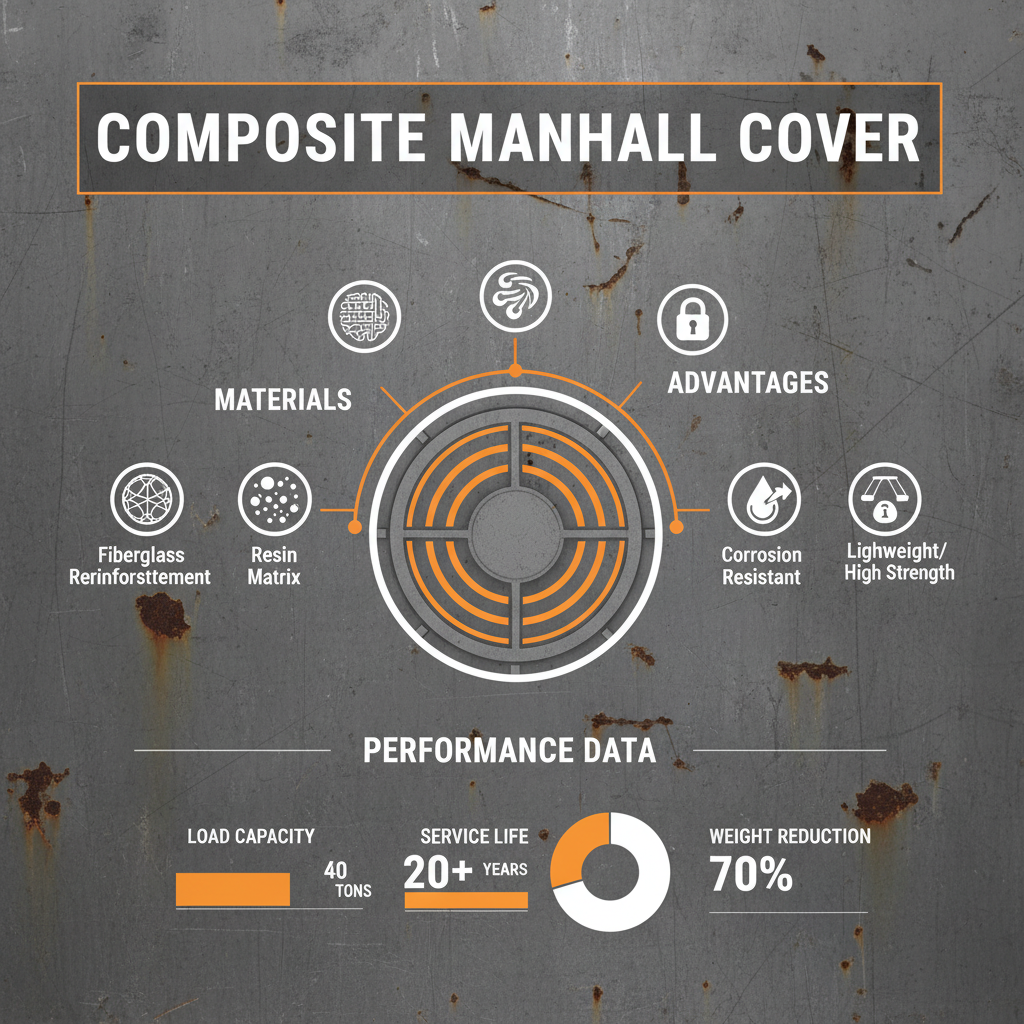
The primary strength of a composite manhole cover stems from its material composition, primarily focusing on the synergy between the polymer matrix and the reinforcing fibers. The resin provides the chemical resistance and shape, while the glass fibers provide the tensile strength required to prevent cracking under extreme pressure.
Another critical factor is the load-bearing certification (such as EN 124). A high-quality composite manhole cover is engineered to meet specific classes (A15 to F900), ensuring that whether it is placed in a garden walkway or a high-speed motorway, the structural integrity remains uncompromised despite constant cyclic loading.
Finally, the integration of anti-slip textures and UV stabilizers ensures longevity. UV resistance prevents the polymer from becoming brittle under intense sunlight, while specialized surface embossing prevents pedestrian accidents, combining safety with the inherent durability of the composite structure.
Performance Metrics and Comparative Analysis
When evaluating the efficiency of a composite manhole cover, engineers look at the strength-to-weight ratio. This metric is where composites outperform iron and steel, offering similar load capacities at a fraction of the weight, which reduces worker injury during maintenance and lowers shipping emissions.
Moreover, the resistance to chemical attack is a decisive performance metric. In industrial zones where acids or alkalis are present, metal covers fail rapidly, whereas composite materials remain inert, effectively extending the replacement cycle from 5-10 years to over 30 years.
Load Capacity & Durability Comparison by Material
Global Applications and Use Cases
The versatility of the composite manhole cover makes it the first choice for coastal cities in Southeast Asia and the Middle East, where high humidity and salt spray would destroy traditional metal covers in a matter of months. In these regions, they are used extensively in storm drainage and sewage systems to prevent structural collapse.
In industrial settings, such as chemical processing plants or oil refineries, these covers are deployed to ensure that hazardous spills do not corrode the access points to underground piping. Their non-conductive nature also makes them essential for electrical substations and telecom vaults, where preventing electrical grounding is a critical safety requirement.
Long-Term Value and Sustainability
The long-term value of investing in a composite manhole cover extends beyond simple replacement costs. By eliminating the "theft incentive" (since composite materials have no scrap value), municipalities save thousands of dollars annually in emergency repairs and police reports, while simultaneously increasing public safety by removing the risk of open manholes.
From a sustainability perspective, the manufacturing process for composites generally consumes less energy than the high-heat smelting required for iron. Furthermore, the extended lifespan means fewer products are manufactured and transported over a century, drastically lowering the total carbon expenditure of urban utility management.
Psychologically, the use of these innovative materials fosters trust in municipal governance. When citizens see modern, clean, and well-maintained infrastructure that doesn't rattle or rust, it reflects a commitment to innovation and long-term planning, elevating the perceived quality of the urban environment.
Future Trends and Innovative Solutions
The next generation of the composite manhole cover is moving toward "Smart Infrastructure." We are seeing the integration of RFID tags and IoT sensors embedded directly into the composite matrix. This allows utility companies to track asset locations and monitor gas levels or water flow beneath the cover without ever needing to open it.
Another trend is the development of bio-resins, which aim to make the composite covers fully recyclable or biodegradable at the end of their 50-year lifecycle. This move toward a circular economy ensures that the infrastructure of tomorrow does not become the landfill problem of the future.
Automation in production, such as 3D printing for custom-shaped covers, is also becoming a reality. This allows for the creation of covers tailored to specific non-standard opening sizes, reducing the need for concrete patching and ensuring a perfect, leak-proof seal every time.
Technical Comparison of Composite Manhole Cover Materials
| Material Variant |
Corrosion Resistance |
Load Capacity |
Installation Effort |
| SMC Glass Fiber |
Excellent (10/10) |
High (EN-D400) |
Very Low |
| Polymer Concrete |
Good (7/10) |
Very High |
High |
| Recycled Plastic |
Moderate (6/10) |
Medium (EN-B125) |
Low |
| Carbon Fiber Hybrid |
Excellent (10/10) |
Ultra High |
Low |
| Reinforced Epoxy |
Very Good (9/10) |
High |
Medium |
| Fiber-Polymer Blend |
Good (8/10) |
Medium-High |
Low |
FAQS
Yes, when engineered to the correct load class (e.g., D400 or F900), a composite manhole cover can support the same weight as cast iron. The difference is in how they handle the stress; composites are more flexible and less prone to catastrophic cracking, while maintaining the necessary structural rigidity for heavy traffic.
Unlike ductile iron or steel, the materials used in a composite manhole cover have virtually no resale value in the scrap metal market. This removes the financial incentive for thieves, effectively eliminating the problem of stolen covers and the resulting safety hazards in urban areas.
Absolutely. High-quality composite covers are manufactured with UV stabilizers that prevent the polymer from degrading or becoming brittle under intense sunlight. They also have a low coefficient of thermal expansion, meaning they won't warp or crack during extreme temperature fluctuations between winter and summer.
While the initial purchase price may be slightly higher in some cases, the total cost of ownership is significantly lower. You save on installation costs (due to lower weight), eliminate theft replacement costs, and remove the need for anti-corrosion coatings or frequent replacements.
The installation is generally simpler. Because the composite manhole cover is much lighter, it requires less heavy machinery and fewer laborers to position. They are typically designed to fit standard frames, making the transition from iron to composite a "drop-in" replacement in most cases.
No, professional-grade composite covers feature an integrated anti-slip surface. During the molding process, a high-friction texture is embossed onto the surface, ensuring that pedestrians and vehicles maintain traction even during heavy rain or snow.
Conclusion
The transition to the composite manhole cover represents a pivotal advancement in urban utility management. By combining the strength of industrial fibers with the chemical resilience of advanced polymers, these covers solve the age-old problems of corrosion, theft, and excessive weight. From reducing municipal maintenance budgets to enhancing the safety of city dwellers, the tangible benefits of this material shift are evident across every metric of performance.
Looking forward, the integration of smart sensing and sustainable bio-resins will further solidify the role of composites in the "Smart City" ecosystem. We recommend that municipal planners and industrial facility managers prioritize these materials for all new installations and critical retrofits to ensure a resilient, cost-effective, and safe infrastructure for the next generation. Visit our website for more professional solutions: www.mingdametals.com