Phone:
+86 18631189888

Email:
liyanhui@bestcastings.cn


You know, roofing hasn't changed that much in the grand scheme of things. But the details? They’re everything. And when you’re talking about secure fastening, especially with the increasingly complex roofing materials available now… well, that's where a good barbed roofing nail makes all the difference. It's not just about hammering something in; it’s about holding power, longevity, and frankly, preventing costly rework down the line. We’ve been seeing a lot of interest from contractors wanting a more robust solution, something beyond the standard smooth shank nails.
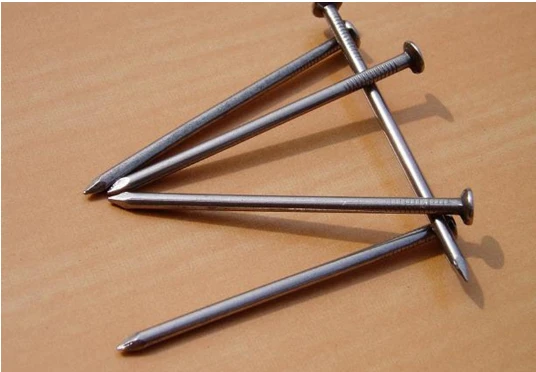
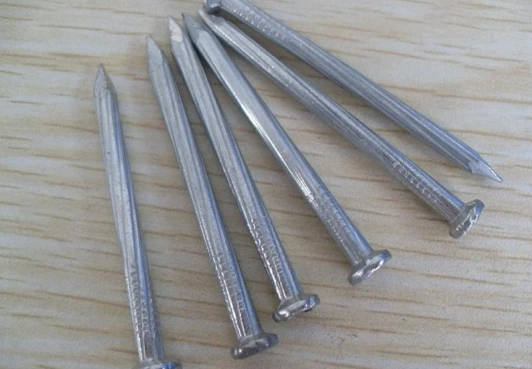
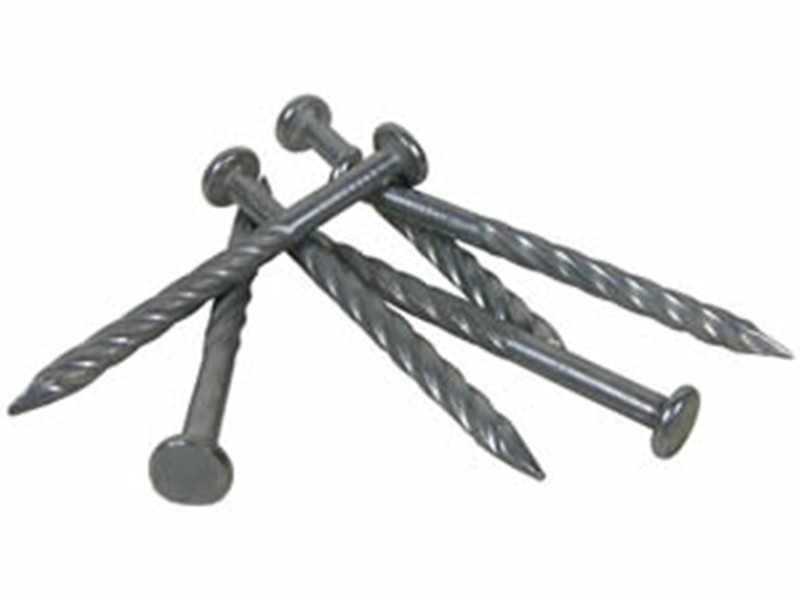
Okay, so let’s get into the weeds a little. A barbed roofing nail isn’t just a nail with…well, barbs. It's a carefully engineered fastening solution. The barbs—typically helical or annular—are designed to significantly increase pull-through resistance. They literally bite into the wood fibers. Many engineers I’ve talked to say the barb geometry is the critical factor. It’s not just about the number of barbs, but their angle, depth, and spacing. The steel itself is also crucial. We use hardened steel, of course, to prevent bending and breakage. Here’s a quick look at typical specs:
| Specification | Value | Notes |
|---|---|---|
| Shank Diameter | 3.4mm (typical) | Varies based on application |
| Length | 38mm - 90mm | Dependent on roofing material thickness |
| Steel Grade | 490 MPa or higher | For superior strength and corrosion resistance |
| Barb Type | Helical or Annular | Optimized for maximum holding power |
You’ll find these nails used everywhere from asphalt shingles to wood shakes, composite roofing materials, and even some metal roofing applications. The primary advantage, obviously, is increased holding power. It’s particularly important in high-wind areas, or with materials prone to expansion and contraction. But it's not just about preventing blow-offs. It's about reducing the risk of leaks over time, because a secure roof is a waterproof roof. I’ve seen instances where improper fastening leads to… well, let’s just say significant water damage claims. It feels like a small investment upfront to avoid a huge headache later.
Okay, so how do we stack up? Honestly, barbed roofing nails are generally a little more expensive than smooth shank nails, but the increased reliability and reduced maintenance costs often more than offset that initial difference. Here’s a quick comparison with some common competitors:
| Vendor | Price/1000 (approx.) | Barb Quality | Steel Grade |
|---|---|---|---|
| Mingda Metals | $65 - $90 | Excellent, consistent | 490 MPa + |
| Acme Fasteners | $50 - $75 | Variable | 410 MPa |
| Global Nails Inc. | $60 - $80 | Good | 450 MPa |
There’s increasing pressure, rightly so, on construction to be more sustainable. And frankly, durability is a form of sustainability. A roof that lasts longer reduces waste. We're also exploring bio-based coating options to further minimize environmental impact, and looking at ways to optimize our manufacturing processes to reduce our carbon footprint. It’s a continuous process, you know?
In the end, choosing the right fastening solution is about minimizing risk and maximizing value. A barbed roofing nail, particularly from a reliable supplier, provides that peace of mind. Don't skimp on something that literally holds everything together. Visit our website: https://www.mingdametals.com