Phone:
+86 18631189888

Email:
liyanhui@bestcastings.cn


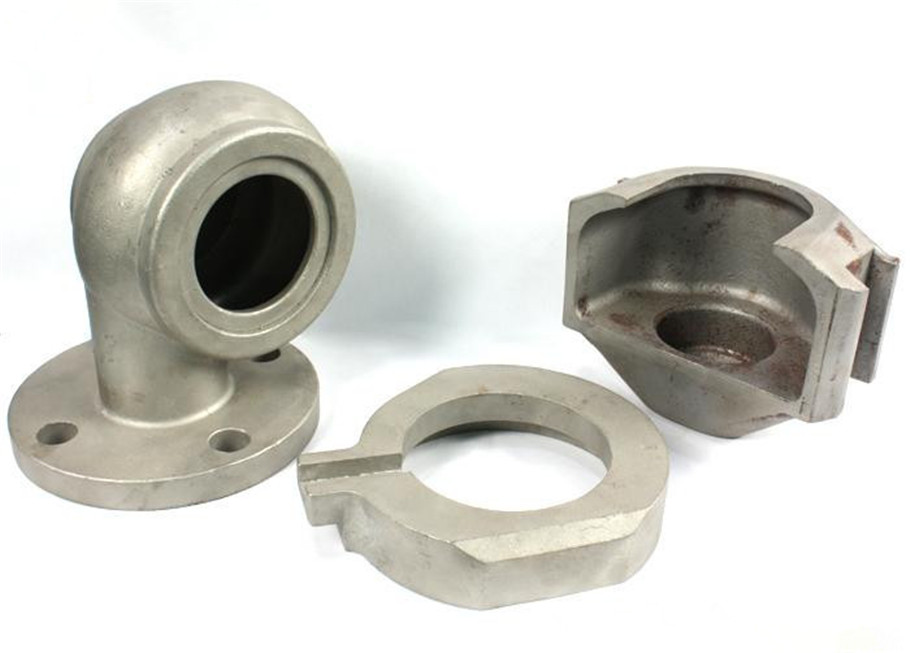
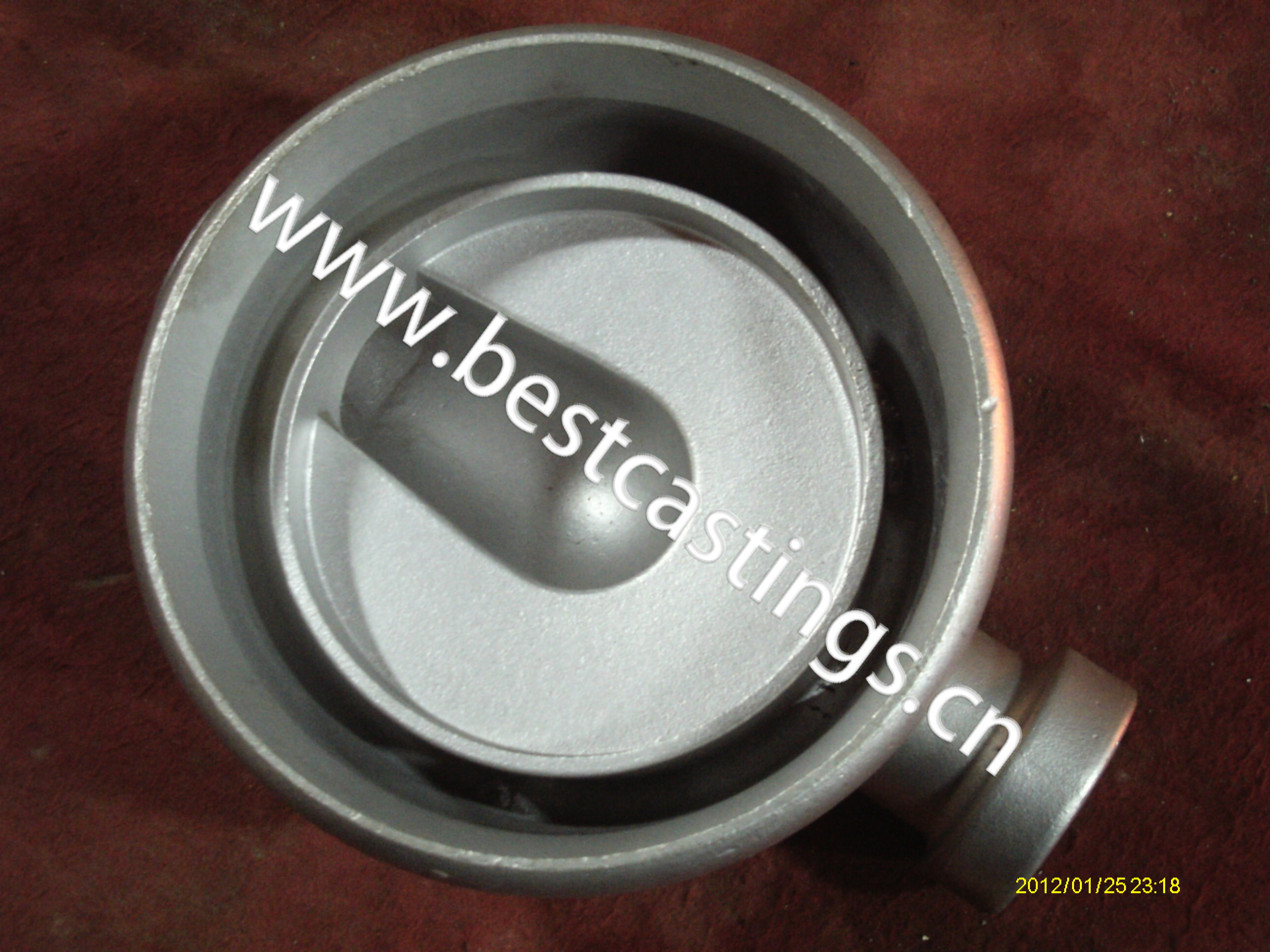
If you’re pricing or qualifying Sand Casting Of Exhaust Manifold projects right now, you’ve probably noticed something: turbo temps keep climbing, engine bays keep shrinking, and tolerance stacks haven’t gotten any friendlier. I spend a good chunk of my week in foundries and dyno cells; to be honest, the best programs blend traditional sand casting with smarter tooling, better alloys, and disciplined testing. The Stainless Steel Casting Exhaust Manifold from Mingda Metals (Gelan Building, No.256 Xisanzhuang Street, Shijiazhuang, Hebei, China) is a solid example of how “old” sand processes coexist with investment-cast features and tightly controlled machining.
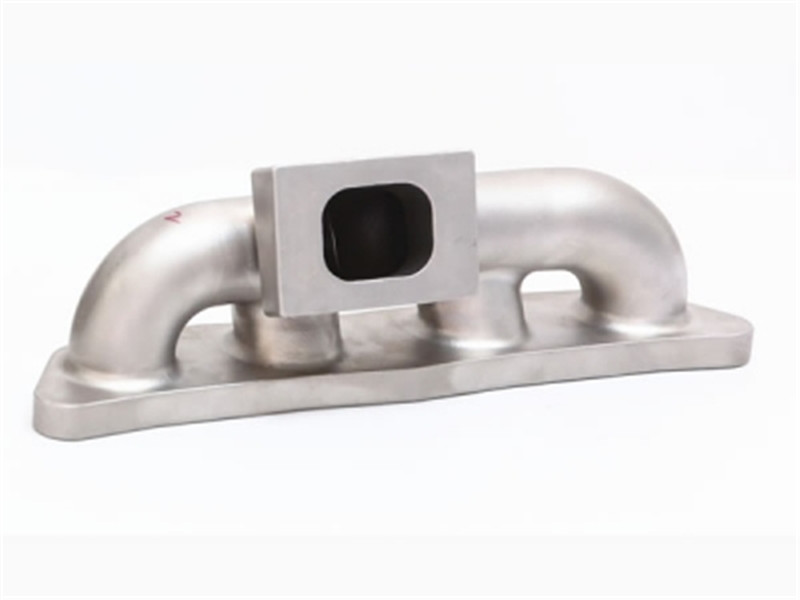
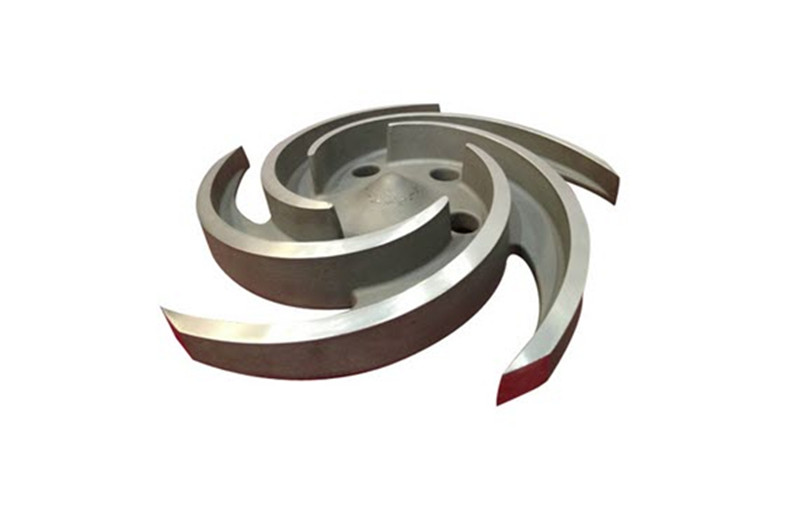
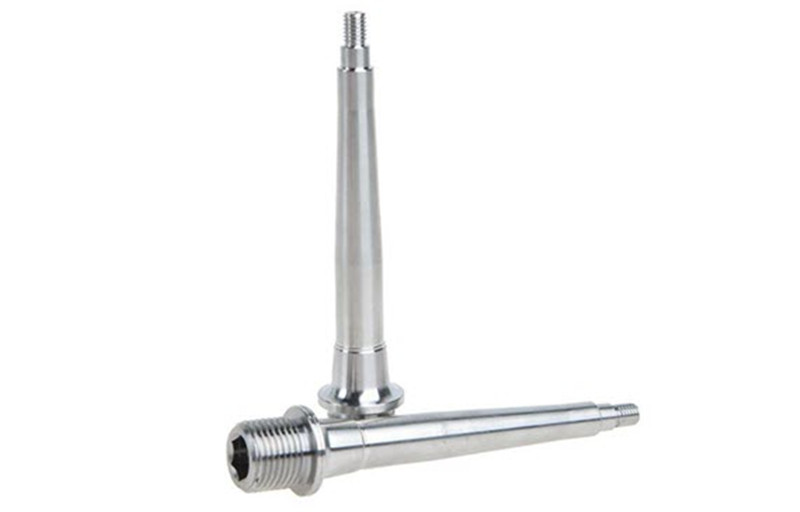
| Product | Stainless Steel Casting Exhaust Manifold |
| Casting method | Thermal gravity; sand molds with optional lost-wax sub-features |
| Molding technics | Pressure-assisted cores; 3D-printed cores when justified |
| Material (AISI/ASTM) | Austenitic stainless (e.g., CF8/CF8M), optional SiMo ductile iron |
| Surface finish | Polishing; surface roughness ≈Ra 6.3 μm (real-world use may vary) |
| Machining tolerance | ±0.01 mm on critical features |
| Dimensional standard | ISO 8062-3 (casting); drawing-specific GD&T |
| Thermal service | ≈850–950°C continuous; thermal cycling >3,000 cycles (program-dependent) |
Applications: passenger car turbo manifolds, diesel gensets, marine diesels, off-highway equipment, performance aftermarket. Many customers say stainless pays for itself when salt, condensate corrosion, or high EGT tuning enters the picture. For higher volumes, Sand Casting Of Exhaust Manifold with hybrid wax inserts keeps tooling amortization sensible.
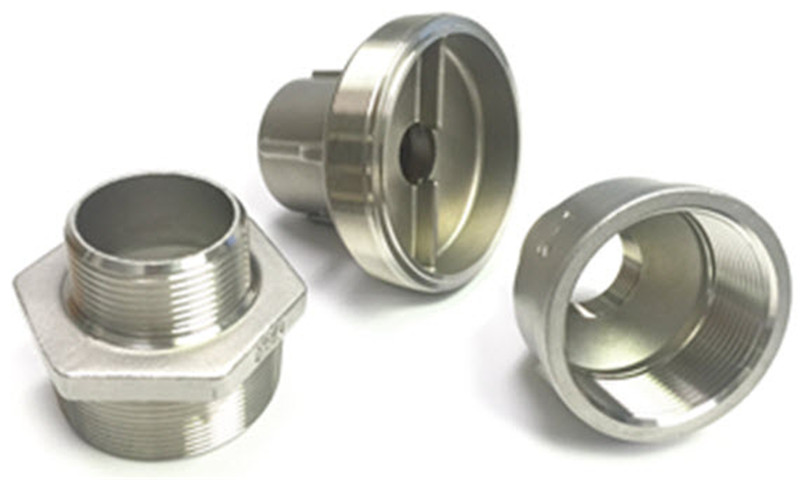
| Vendor | Lead Time | Tolerance/Finish | Certs/Notes |
|---|---|---|---|
| Mingda Metals | ≈4–7 weeks after T1 | ±0.01 mm; ≈Ra 6.3 μm | ISO 9001; ASTM A351/A297 capable; NDT per ASTM E165 |
| Regional Foundry A | 6–10 weeks | ±0.02–0.05 mm; Ra 12.5–25 μm | Varies; NDT on request |
| Overseas Job Shop B | 8–12 weeks | ±0.03 mm typical | Basic ISO; limited stainless portfolio |
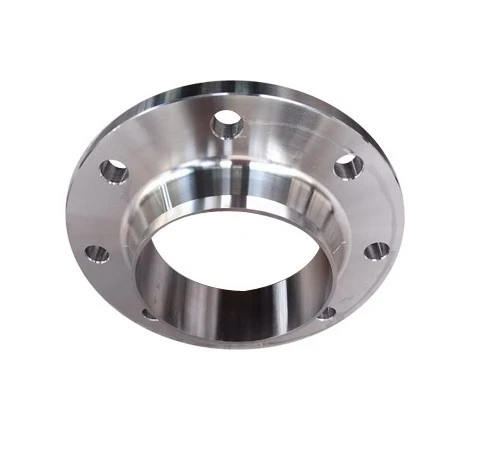
Options include CF8M vs CF8, SiMo iron, welded bosses, O2 sensor bungs, machined V-band seats, and ceramic coatings. Typical test deck: dye penetrant (ASTM E165), X-ray on throat/collector, CMM PPAP Level 3 as needed, plus hot flatness checks. Service life? Programs report 150k–250k km for daily use, or 3,000–5,000 hot cycles—obviously tuning and duty cycle can swing those numbers.
A European genset OEM moved a 6-branch manifold to Sand Casting Of Exhaust Manifold with 3D-printed cores and CF8M. Scrap dropped from ~12% to ~3%, turbo gasket leaks went to zero after adding a wax-cast flange boss, and dyno thermal-crack failures disappeared in 200-hour endurance. Their buyer’s note to me: “Lead-time didn’t blow up. That was the surprise.”
Sand isn’t going away; it’s evolving. Pair it with targeted lost-wax and good metrology and you get robust manifolds without exotic costs. If you’re mapping RFQs, keep the hybrid route on your shortlist.