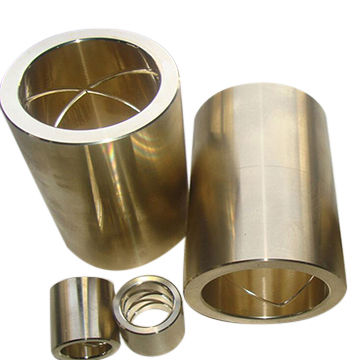
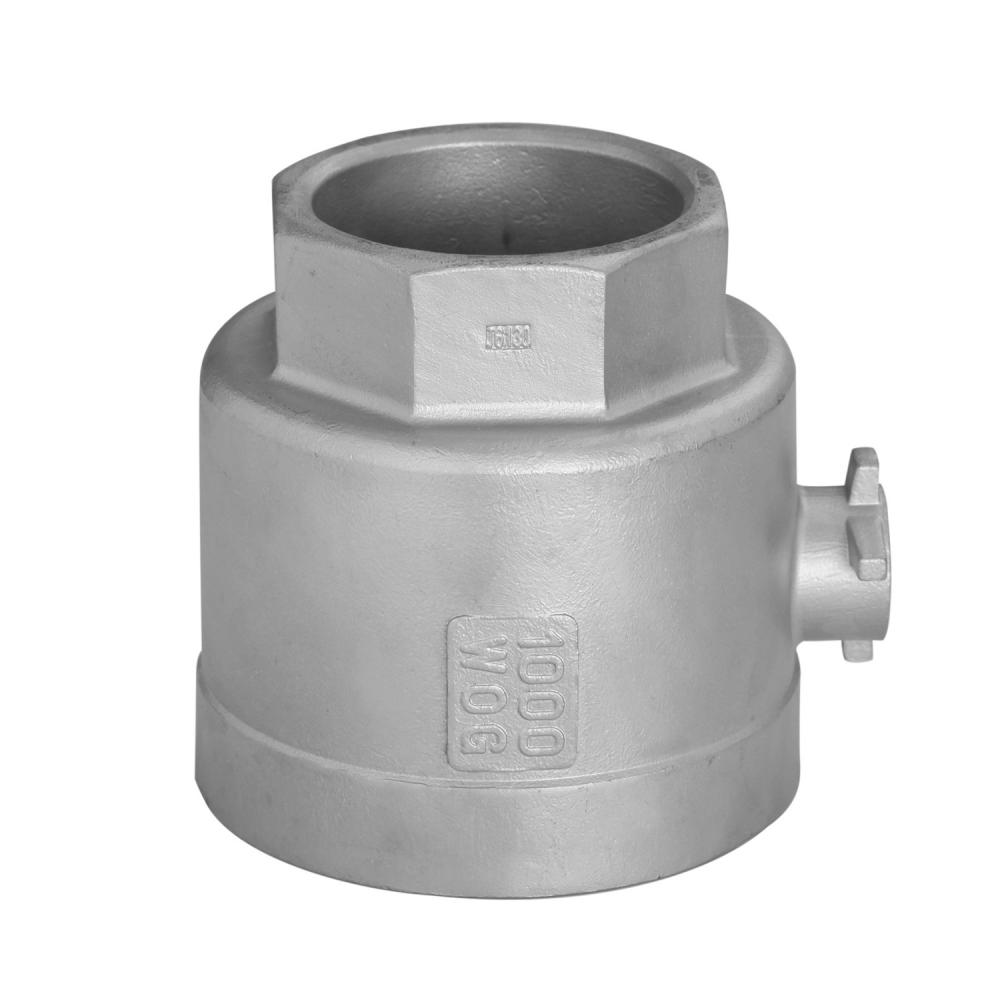
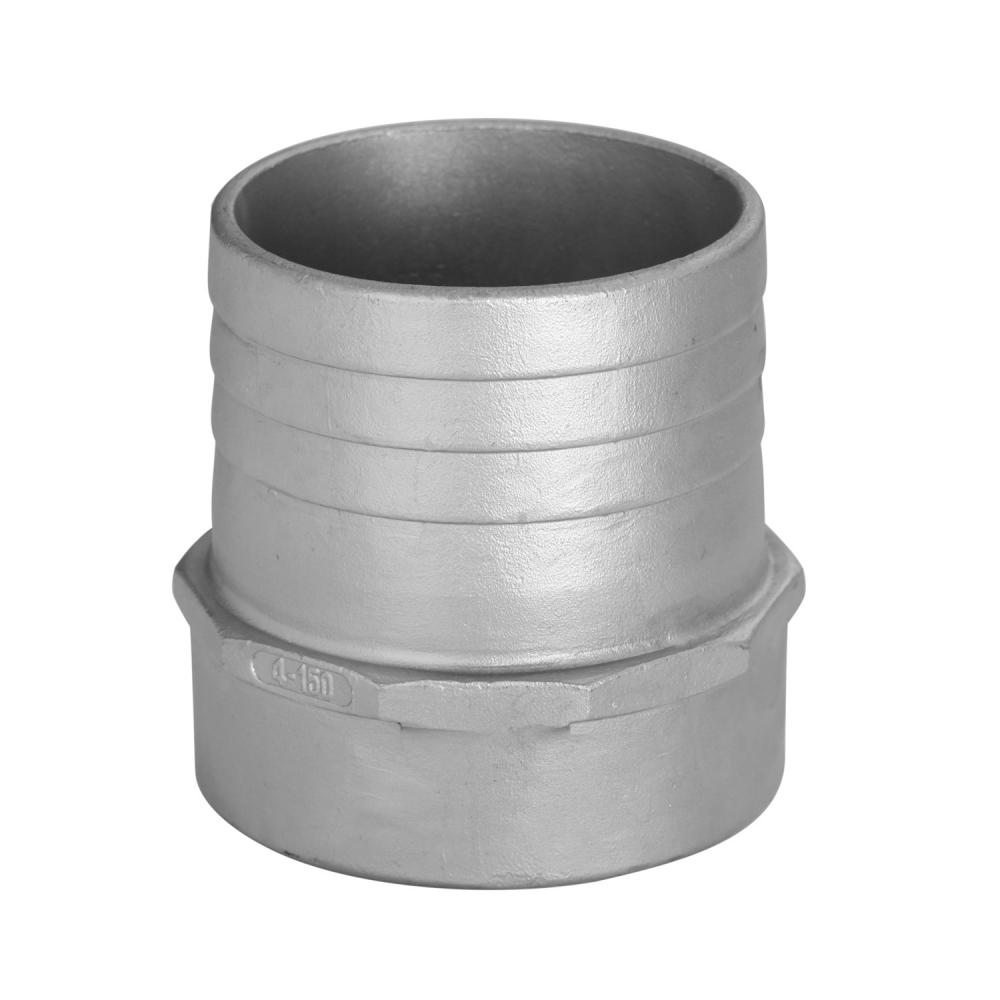
Precision nodular cast iron fittings Solutions for Sweden's Industrial Infrastructure

Providing high-durability metal casting and precision engineering components tailored for the rigorous demands of the Swedish manufacturing sector.

Precision nodular cast iron fittings Solutions for Sweden's Industrial Infrastructure

Our comprehensive metal fabrication services integrate advanced metallurgy with Swedish quality standards to deliver critical components for heavy industry, urban water systems, and automotive engineering.

Metal Casting Landscape in Sweden

Analyzing the intersection of Nordic environmental standards and industrial requirements.

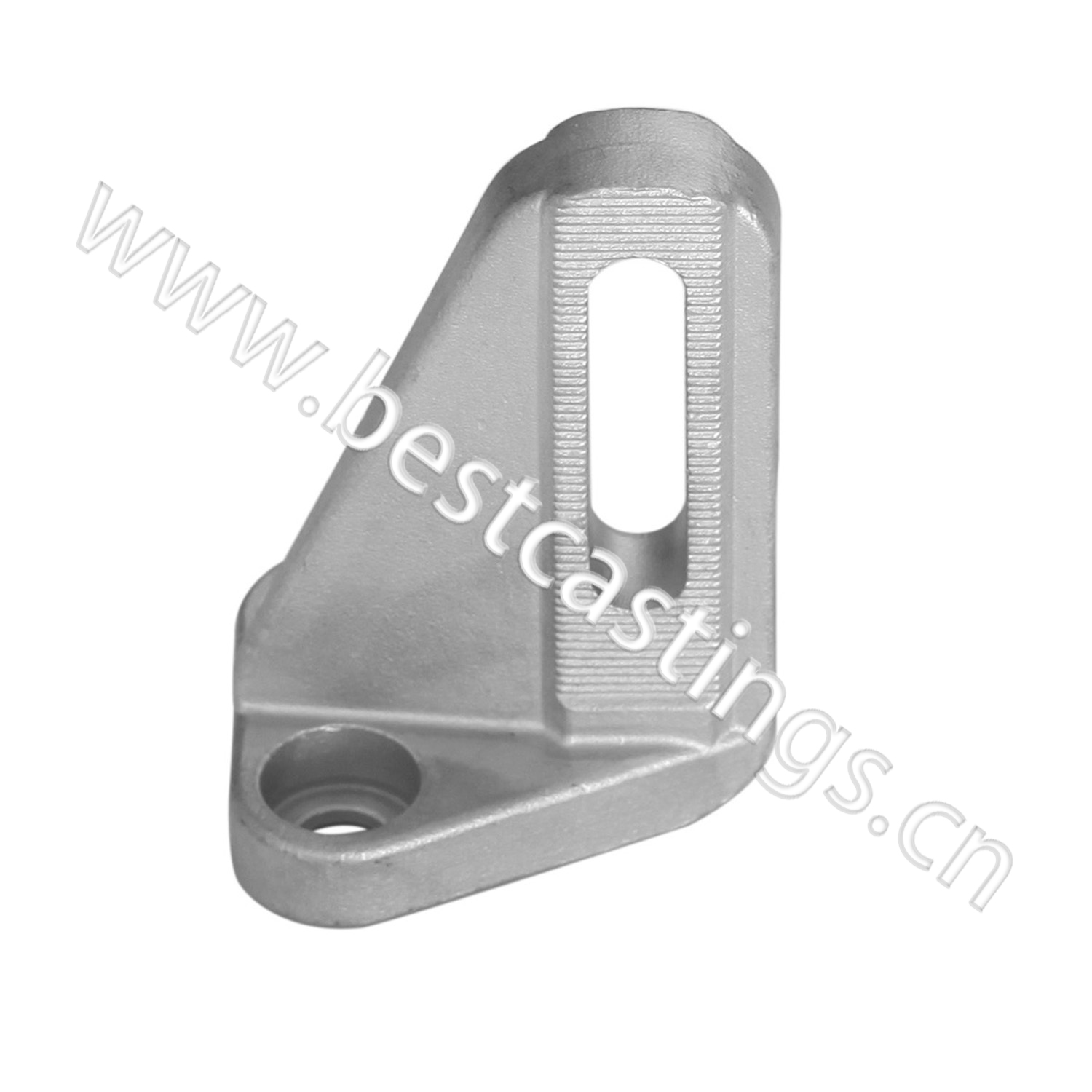
Sweden's manufacturing sector is characterized by an extreme commitment to sustainability and precision. The local demand for an iron casing is often driven by the need for corrosion-resistant housing that can withstand the harsh Nordic winters and saline coastal environments.

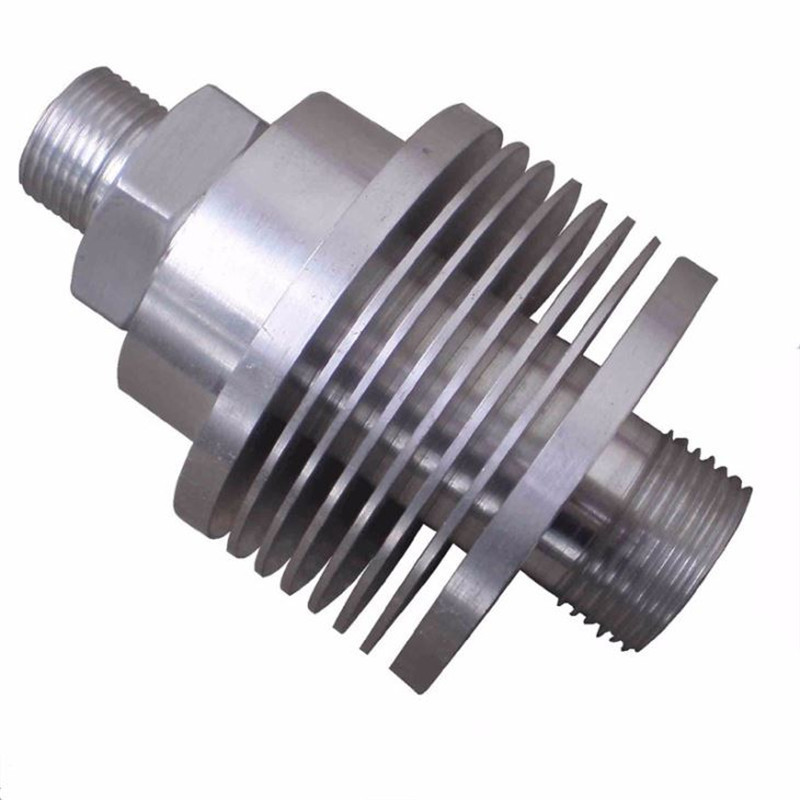
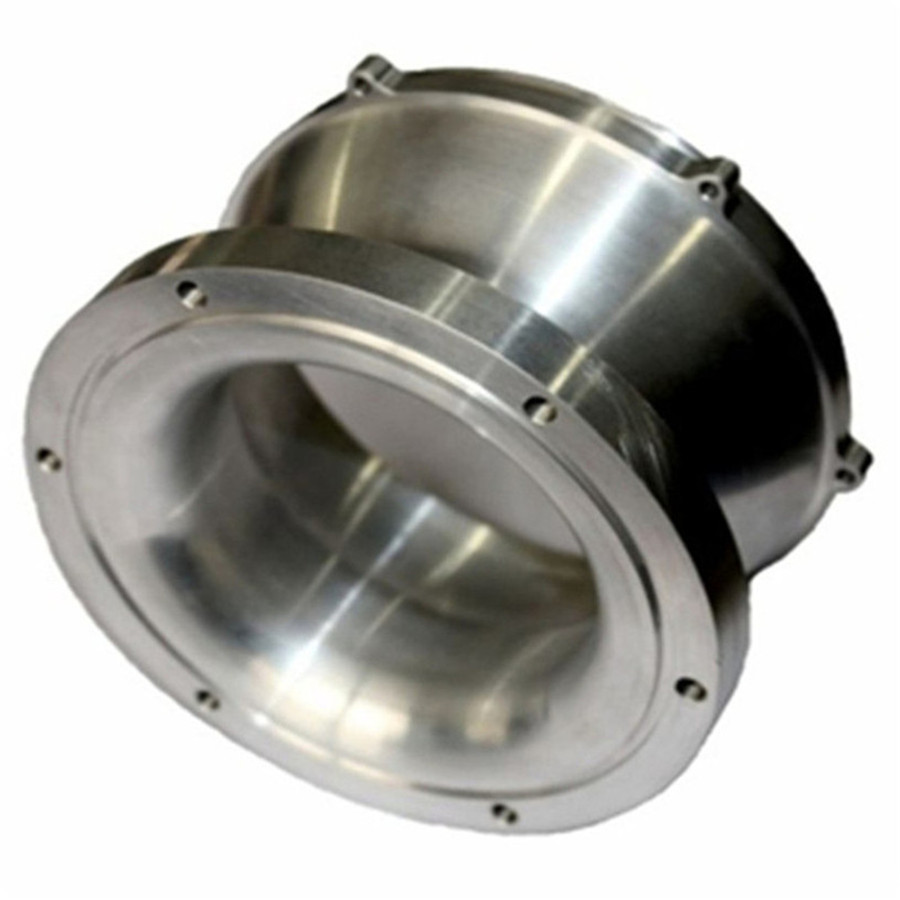
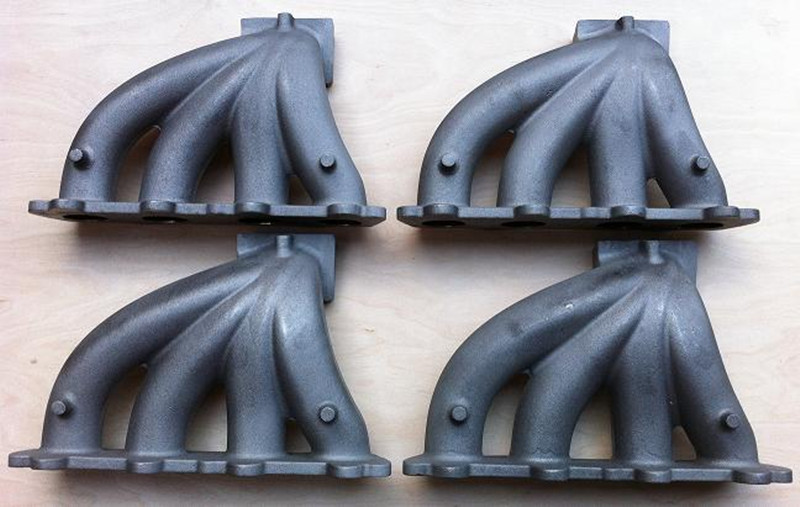
The industry currently faces a transition towards "Green Steel" and low-carbon casting. This shift has increased the reliance on lightweight yet durable materials, making aluminum gravity casting a preferred method for Sweden's automotive and aerospace hubs in Gothenburg and Stockholm.

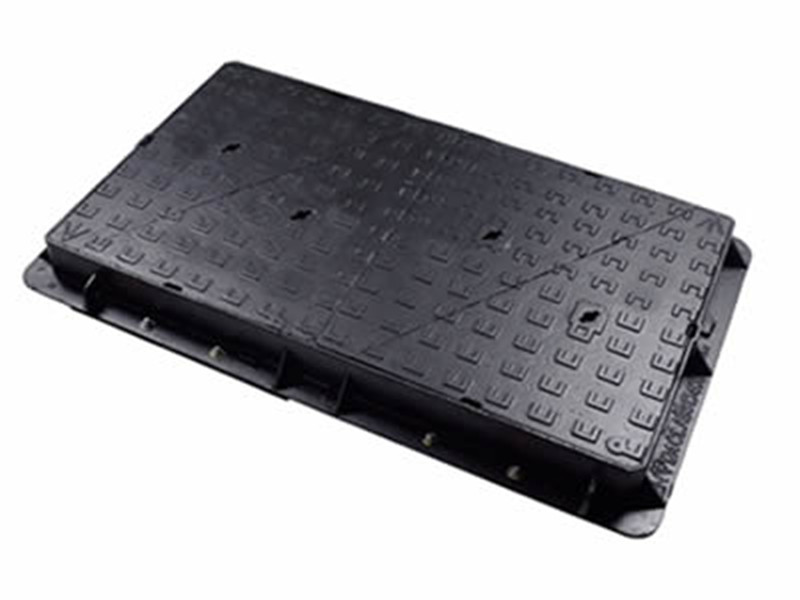
Furthermore, the strict Swedish building codes and urban planning regulations require high-pressure resilience in public utilities. This is why high-grade hydrant pipes must meet specific ISO and CEN standards to ensure reliability during frost-thaw cycles.
Evolution of Metal Fabrication in Northern Europe

From traditional foundry methods to digitalization and precision casting.

Market Development History

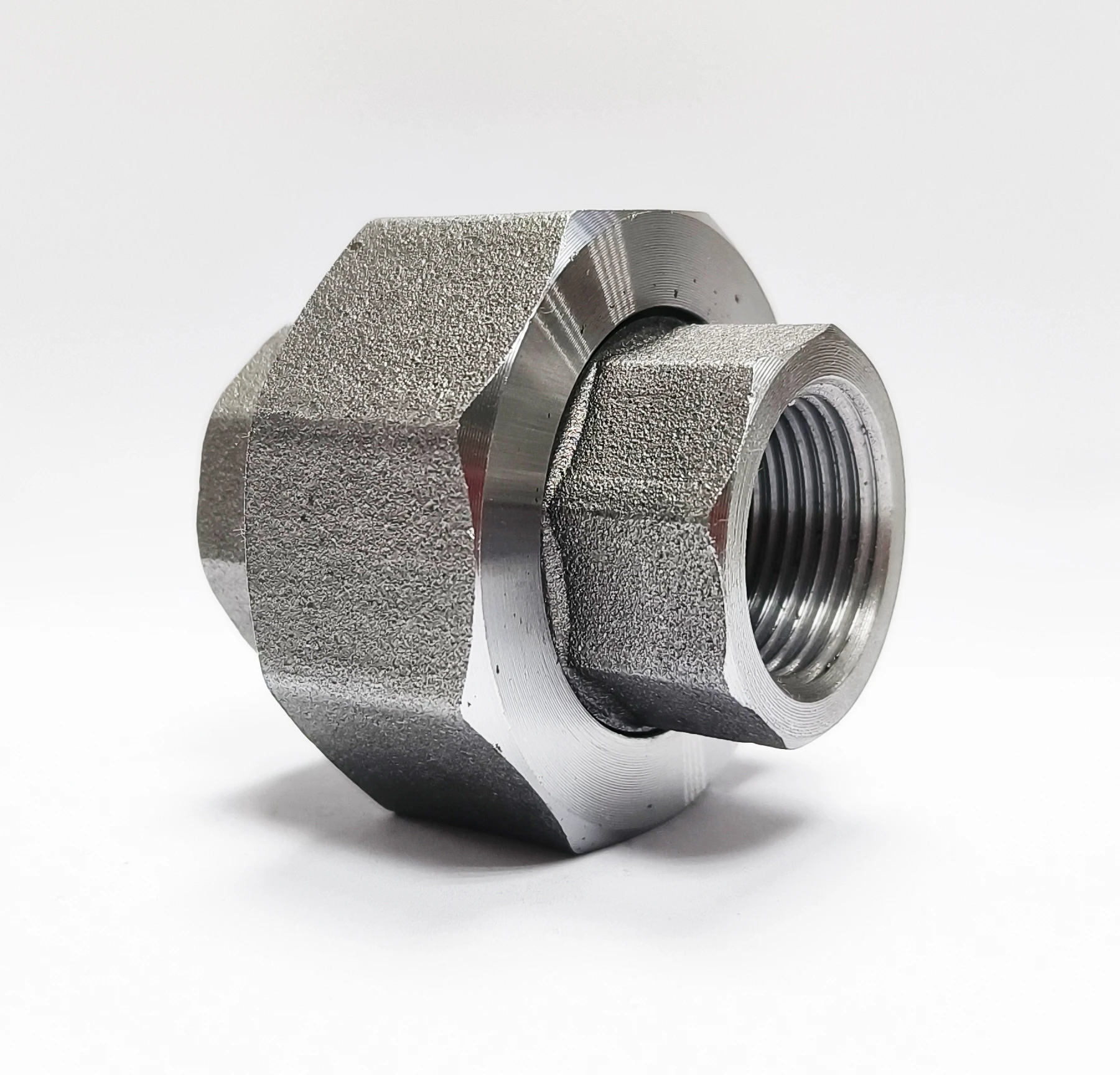
In the mid-20th century, the Swedish metal industry relied heavily on traditional grey iron casting for heavy machinery. The 1970s marked a pivotal shift with the adoption of ductile iron, allowing for the mass production of more flexible and stronger nodular cast iron fittings to support expanding urban grids.

By the 1990s, the focus shifted toward surface protection and aesthetics. The introduction of high-temperature vitreous coatings led to the widespread use of the enamelled cast iron plate, which combined the structural strength of iron with superior chemical resistance for industrial laboratories.

Entering the 2010s, the integration of CNC machining and CAD/CAM software transformed the industry. Casting became a high-precision science, reducing waste and enabling the complex geometries required for modern electric vehicle components.

Future Development Trends

Circular Economy Integration

Sweden is leading the move toward 100% recyclable casting materials, focusing on closed-loop systems for aluminum and iron scrap recovery.

Additive Manufacturing Hybridization

The integration of 3D sand printing with traditional gravity casting to create internal cooling channels that were previously impossible to cast.

IoT-Enabled Component Tracking

Embedding RFID tags into heavy metal castings to monitor structural integrity and maintenance schedules in real-time across Swedish infrastructure.

Industry Trends & Future Outlook

Strategic forecasting for the Swedish metal casting market (2024-2029).

Decarbonized Production
Transitioning to hydrogen-reduced iron to align with Sweden's net-zero goals.
Lightweighting Trends
Increasing adoption of aluminum alloys to reduce energy consumption in transport.
Smart Casting Simulation
Using AI to predict casting defects and optimize cooling rates for nodular iron.
Advanced Surface Tech
New nanocoatings replacing traditional enamelling for extreme chemical resistance.

Industry Outlook

Based on Google Search trends for "sustainable metal casting" and "precision engineering Sweden," there is a marked increase in demand for components that balance strength with environmental footprints. The market is moving away from generic casting toward highly specialized, application-specific alloys.

We expect the Swedish market to integrate more robotic automation in the finishing stages of nodular cast iron fittings, ensuring micron-level tolerance and reducing manual labor costs in high-wage regions.

Local Applications in Sweden

Real-world implementation of our metal solutions across Swedish industries.

01. Municipal Water Safety

Installation of high-pressure hydrant pipes in Stockholm's underground utility tunnels to ensure fire safety during winter freeze periods.

02. Automotive Engine Components

Utilizing aluminum gravity casting for lightweight cylinder heads and housings for EV powertrains in the Gothenburg automotive cluster.

03. Heavy Mining Machinery

Providing heavy-duty iron casing for ore crushing equipment used in the Kiruna mining region, designed to withstand extreme abrasion.

04. Industrial Laboratory Ware

Deployment of enamelled cast iron plate for chemical processing surfaces in Swedish biotech labs, ensuring zero contamination.

05. Marine Engineering Fittings

Custom nodular cast iron fittings for shipbuilding and port infrastructure in Malmö, treated with anti-corrosive coatings for saltwater exposure.

Brand Story

Global Development Journey of Hebei Mingda International Trade Co., Ltd.

Foundational Excellence

Established with a vision to bridge the gap between raw casting capabilities and precision engineering requirements for global clients.

Technical Specialization

Focused on overcoming the brittleness of traditional iron by mastering nodular graphite process, solving structural failure pain points.

European Market Entry

Aligned production with EU standards and ISO certifications to enter the demanding Scandinavian markets, including Sweden.

Innovation Integration

Adopted advanced aluminum casting and enamelling technologies to expand the product portfolio into aerospace and medical sectors.

Global Sustainability Goal

Committing to green foundry practices and carbon-neutral logistics to support the global transition to sustainable manufacturing.

Comprehensive Metal Solutions for the Swedish Market

A curated portfolio of high-performance castings and components engineered for Nordic industrial standards.

Sweden Metal Casting FAQ

Technical answers to common queries regarding our metal products and delivery in Sweden.

How do your nodular cast iron fittings perform in extreme Swedish winter temperatures?

Our fittings are engineered with specific alloying elements to maintain ductility and impact strength even at -40°C, preventing brittle fractures common in standard grey iron.

What is the lead time for custom aluminum gravity casting orders delivered to Gothenburg?

Typical lead times for custom aluminum parts range from 4-8 weeks, including mold design, casting, and precision machining, followed by efficient sea-to-port logistics.

Are your hydrant pipes compliant with Swedish municipal water safety regulations?

Yes, our products are manufactured to meet international standards that align with Swedish requirements for pressure resistance, leak prevention, and material purity.

How does the enamelled cast iron plate resist industrial chemicals?

The vitreous enamel coating creates a non-porous, glass-like surface that is inert to most acids and alkalis, making it ideal for the stringent chemical environments found in Swedish labs.

Can the iron casing be customized for specific vibration-damping needs?

Absolutely. We can adjust the wall thickness and internal ribbing of the casing to optimize damping characteristics for heavy industrial machinery.

What quality certifications do you provide for shipments to Sweden?

Every shipment includes a Material Test Report (MTR), dimensions inspection report, and ISO compliance certification to ensure seamless customs clearance and quality assurance.

Request a Technical Consultation

Our engineering team is ready to support your next metal casting project in Sweden. Contact us for custom quotes and material specifications.

Contact Us Now

If you are interested in our products, you can choose to leave your information here, and we will be in touch with you shortly.