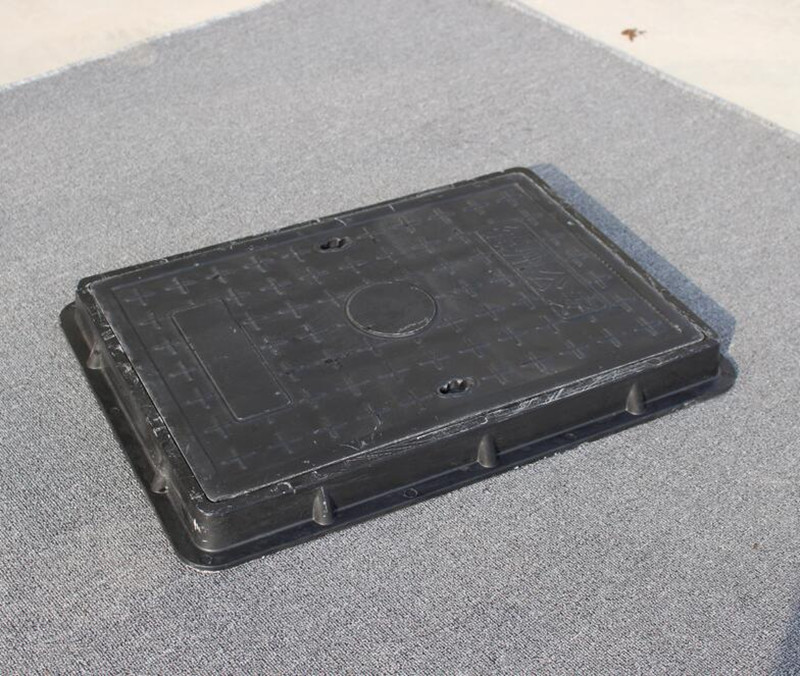
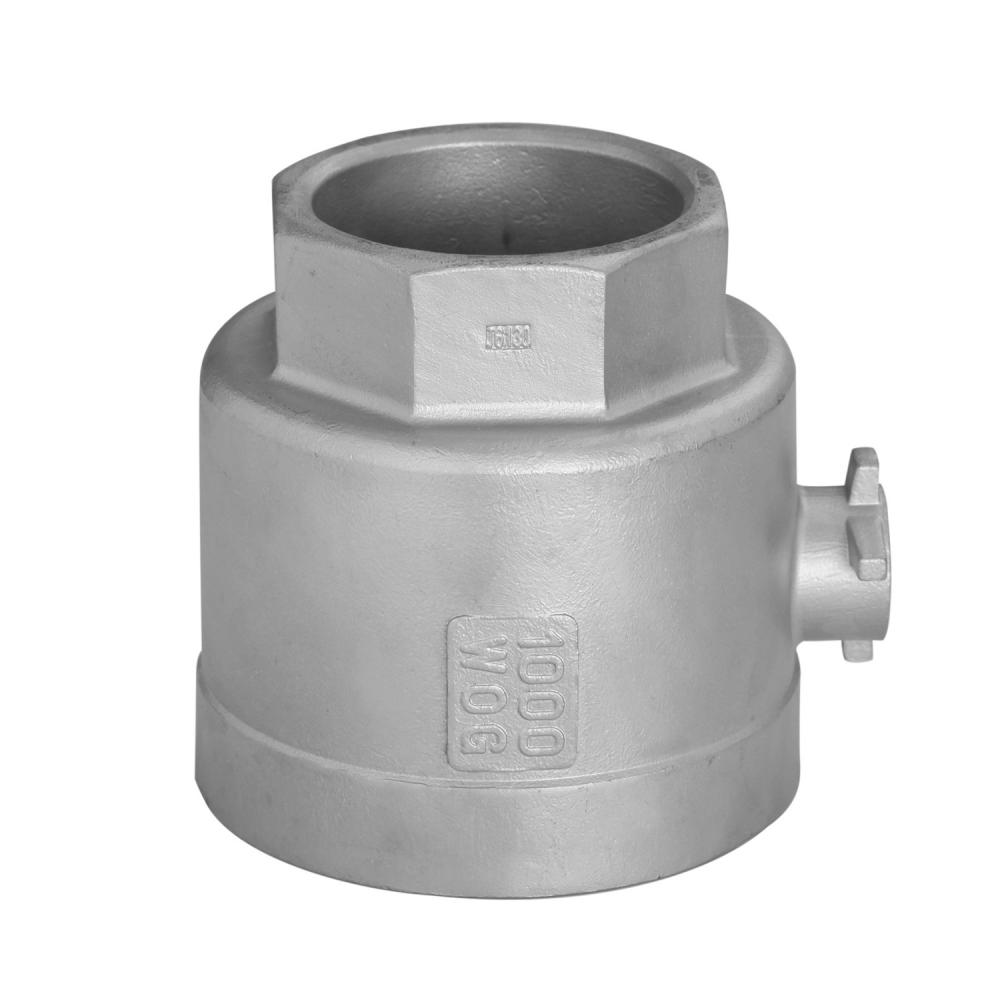
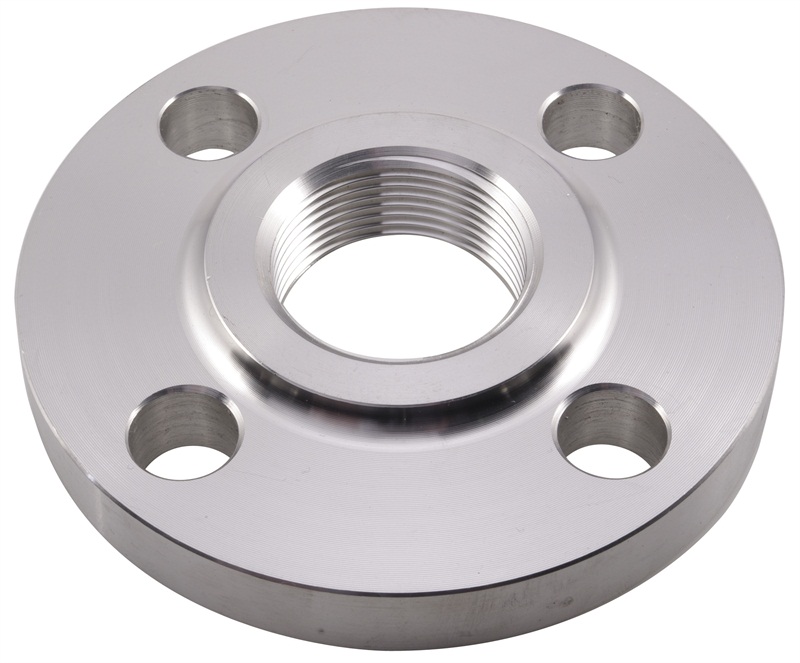
Industrial Precision nodular cast iron fittings Solutions for Italy

Advanced metallurgy and precision engineering for the Italian heavy industry, specializing in high-durability metal components and casting infrastructure.

Industrial Precision nodular cast iron fittings Solutions for Italy

Providing high-performance metal fabrication and casting services tailored to the rigorous engineering standards of Italy's industrial heartlands.

The Landscape of Metal Casting in Italy

Analyzing the current state of the "Other Metal Products" sector within the Italian market.

Italy maintains a prestigious position in the European metallurgical sector, characterized by a dense network of SMEs in regions like Lombardy and Veneto. The demand for high-quality iron casing is driven by the country's strong automotive and machinery manufacturing base, requiring extreme precision and thermal stability.

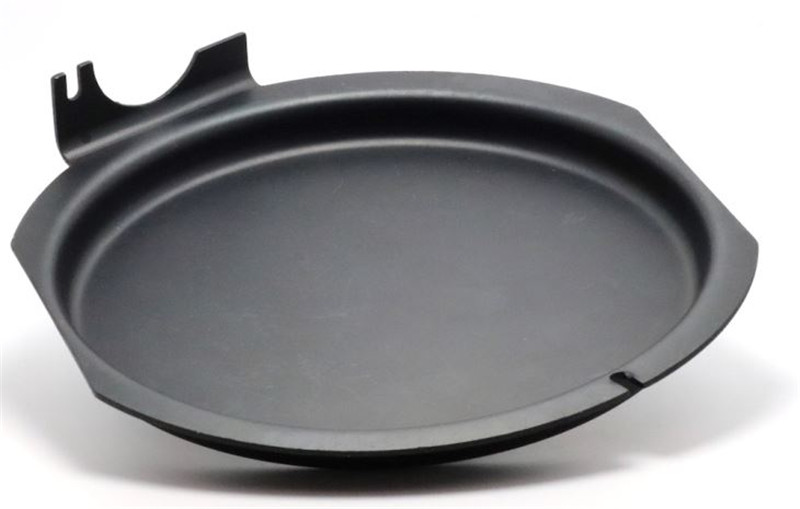
The Mediterranean climate, particularly in coastal industrial hubs, necessitates materials with superior corrosion resistance. Consequently, the use of an enamelled cast iron plate has become a standard for industrial surfaces that must withstand both chemical exposure and high humidity.

Economic shifts toward Industry 4.0 have forced Italian foundries to pivot from traditional methods to more agile processes. This has led to a surge in the adoption of aluminum gravity casting to reduce component weight for the aerospace and high-end automotive sectors without compromising structural integrity.
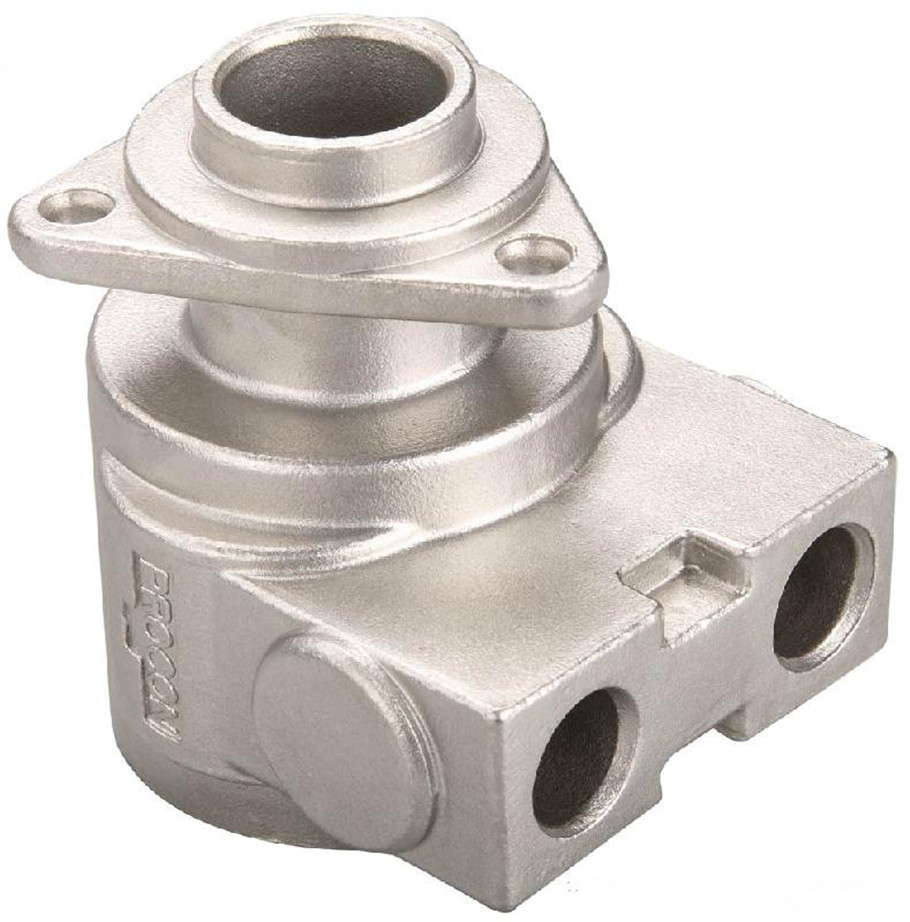
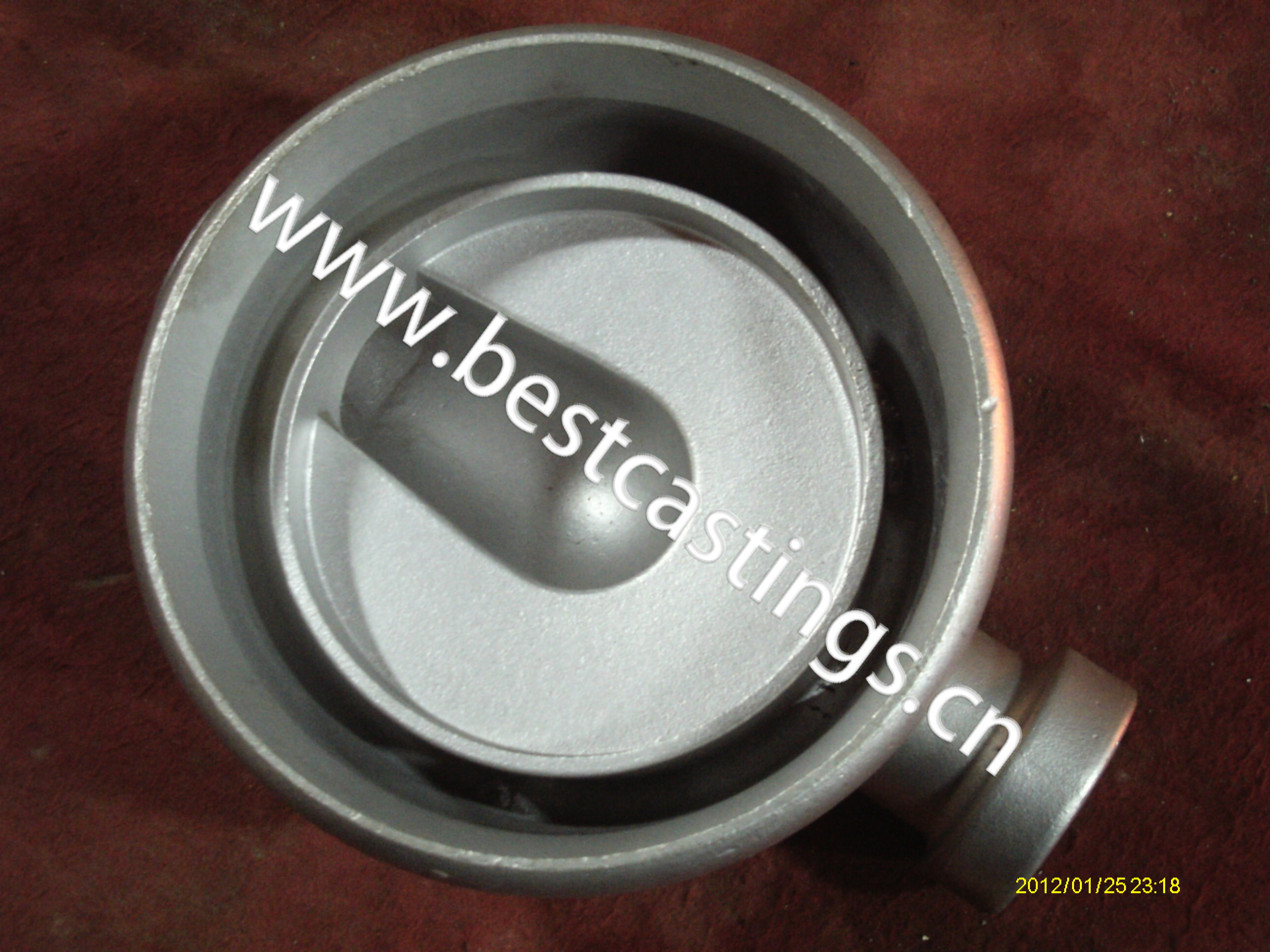
Evolution of Italian Metal Fabrication

From traditional foundry craftsmanship to digitized precision casting.

Market Development History

Between 1950 and 1980, the Italian metal industry relied heavily on traditional grey iron casting. The focus was on mass volume for reconstruction and early industrialization, where basic hydrant pipes were produced using standard sand-casting techniques with limited alloy control.

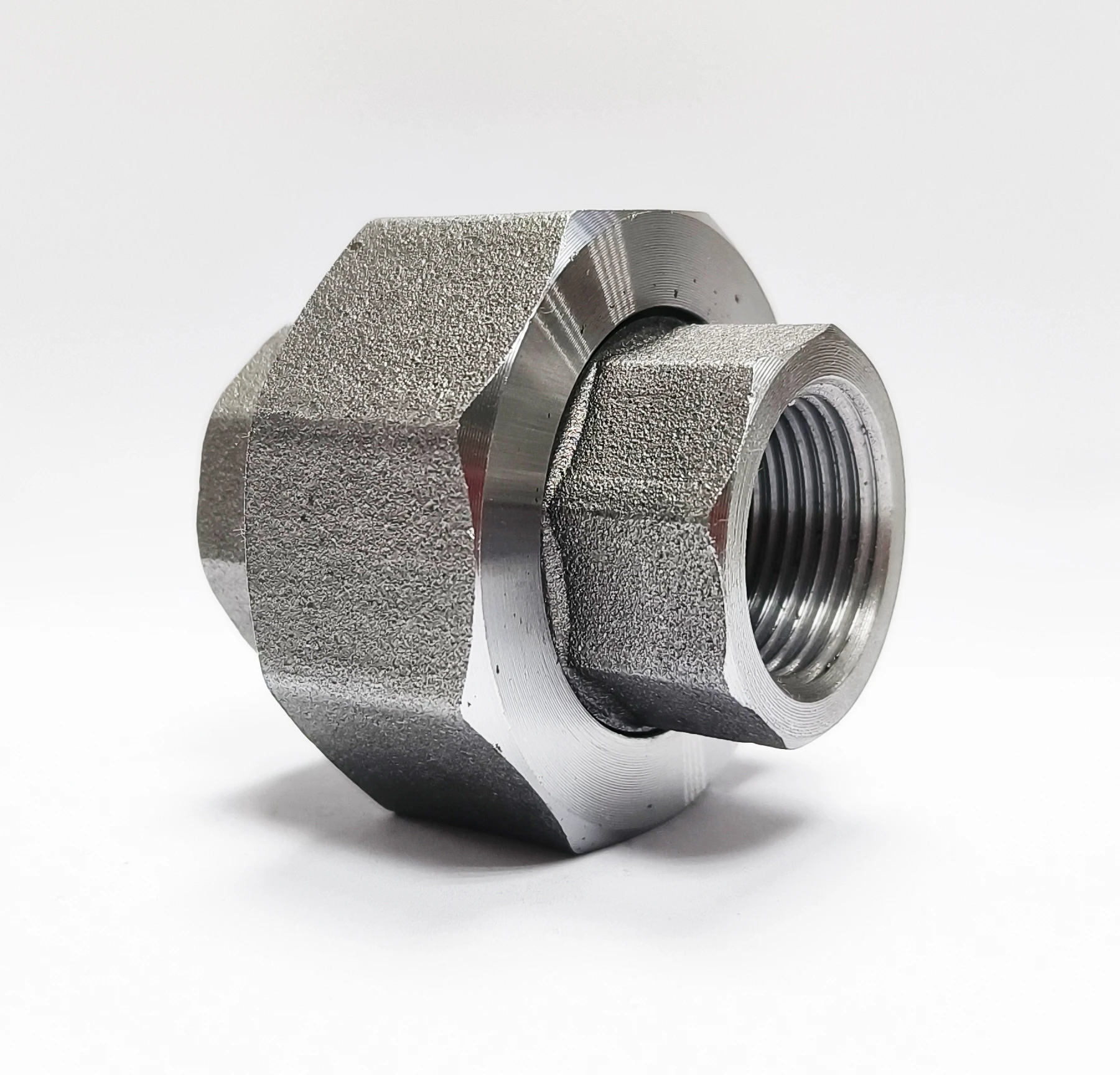
The 1990s marked a transition toward material science innovation. The introduction of nodular graphite treated irons allowed for the creation of nodular cast iron fittings, providing the ductility and strength required for high-pressure hydraulic systems in Italy's expanding industrial plants.

From 2010 to the present, the integration of CNC machining and simulation software has optimized the casting process. The shift toward lightweighting has made aluminum gravity casting the preferred method for complex geometries in the luxury vehicle sector.

Future Development Trends

Green Metallurgy Transition

The push for "Green Steel" and recycled aluminum will redefine the Italian supply chain, focusing on reducing the carbon footprint of smelting processes.

Additive Manufacturing Integration

Hybrid manufacturing, combining 3D printed molds with traditional casting, will enable faster prototyping for custom industrial components.

Smart Material Sensing

Embedding sensors within casting walls to monitor structural health in real-time, moving from reactive to predictive maintenance.

Industry Trends and Future Outlook

Strategic directions for the European metal products market.

Circular Economy Adoption
Focusing on closed-loop recycling for aluminum and iron scrap to meet EU sustainability targets.
Precision Alloy Engineering
Development of specialized alloys to replace heavier components in electric vehicle powertrains.
Digital Twin Simulation
Using AI-driven software to predict casting defects before the first pour, reducing waste.
Automated Quality Control
Integrating X-ray and ultrasonic testing into the production line for zero-defect assurance.

Industry Outlook

Google search trends in the EU indicate a significant rise in "sustainable casting" and "high-strength lightweight alloys," suggesting that the Italian market is moving away from generic cast iron toward highly engineered, application-specific materials.

Over the next 3-5 years, we expect a convergence of traditional metallurgy and digital manufacturing, where the "Made in Italy" brand will be defined by its ability to combine artisan quality with robotic precision.

Local Application Scenarios in Italy

Practical implementations of our metal products across various Italian sectors.

1. Milanese Automotive Componentry

Utilization of aluminum gravity casting for lightweight engine blocks and transmission housings in high-performance sports cars.

2. Tuscan Industrial Infrastructure

Installation of reinforced hydrant pipes and fire protection systems for historical vineyard estates and wineries.

3. Turin Mechanical Engineering

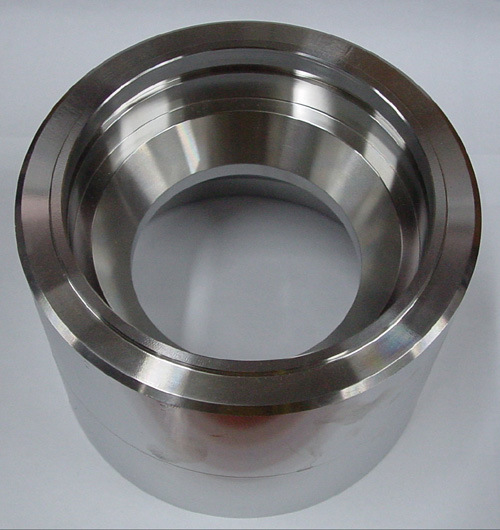
Implementation of custom iron casing for heavy-duty industrial pumps and turbines used in energy production.

4. Lombardy Hydraulic Systems

Integration of high-pressure nodular cast iron fittings in advanced irrigation and municipal water management networks.

5. Veneto Chemical Processing

Deployment of enamelled cast iron plate for acid-resistant lining in chemical reaction vessels and industrial vats.

Brand Story

Global Development Journey of Hebei Mingda International Trade Co., Ltd.

Foundational Excellence

Established with a vision to bridge the gap between raw material production and high-end industrial application, focusing on metallurgical purity.

Technical Expansion

Invested in advanced casting technologies to solve the pain point of material porosity in complex industrial fittings.

European Market Entry

Expanded operations to Europe, aligning production standards with ISO and CE certifications to serve the Italian market.

Innovation Leadership

Developed proprietary enameling and nodular treatment processes to enhance the lifespan of components in harsh environments.

Sustainable Future

Committing to carbon-neutral logistics and recycled material integration for a greener global metal supply chain.

Comprehensive Metal Solutions for the Italian Market

A curated portfolio of high-strength casting and fabrication products.

Common Inquiries from Italian Industrial Partners

Technical answers regarding metal casting and procurement.

How does the durability of nodular cast iron fittings compare to standard cast iron?

Nodular cast iron provides significantly higher tensile strength and ductility due to its graphite sphere structure, making it ideal for high-pressure Italian hydraulic systems where standard grey iron would crack.

What are the benefits of aluminum gravity casting for automotive parts?

It allows for excellent surface finish and tight tolerances, reducing the need for extensive secondary machining while significantly lowering the overall weight of the vehicle component.

Can enamelled cast iron plates withstand high-corrosion environments?

Yes, the vitreous enamel coating creates a non-porous, chemically inert barrier that protects the underlying metal from acid and alkaline attacks, common in Italy's chemical processing plants.

What certifications are required for hydrant pipes used in Italy?

Hydrant pipes must comply with European EN standards and local Italian fire safety regulations to ensure reliability under extreme pressure and temperature conditions.

How is the quality of custom iron casing ensured?

We employ a rigorous quality control process involving spectral analysis of the melt, X-ray flaw detection, and precision CMM measurement to meet exact engineering blueprints.

What is the lead time for bulk orders of metal fittings to Italy?

Lead times vary based on complexity; however, we optimize our logistics chain to ensure efficient delivery from production to Italian ports, typically ranging from 4 to 8 weeks.

Get Expert Metallurgical Consulting

Ready to optimize your industrial components? Contact our engineering team for tailored solutions in Italy.

Contact Us Now

If you are interested in our products, you can choose to leave your information here, and we will be in touch with you shortly.