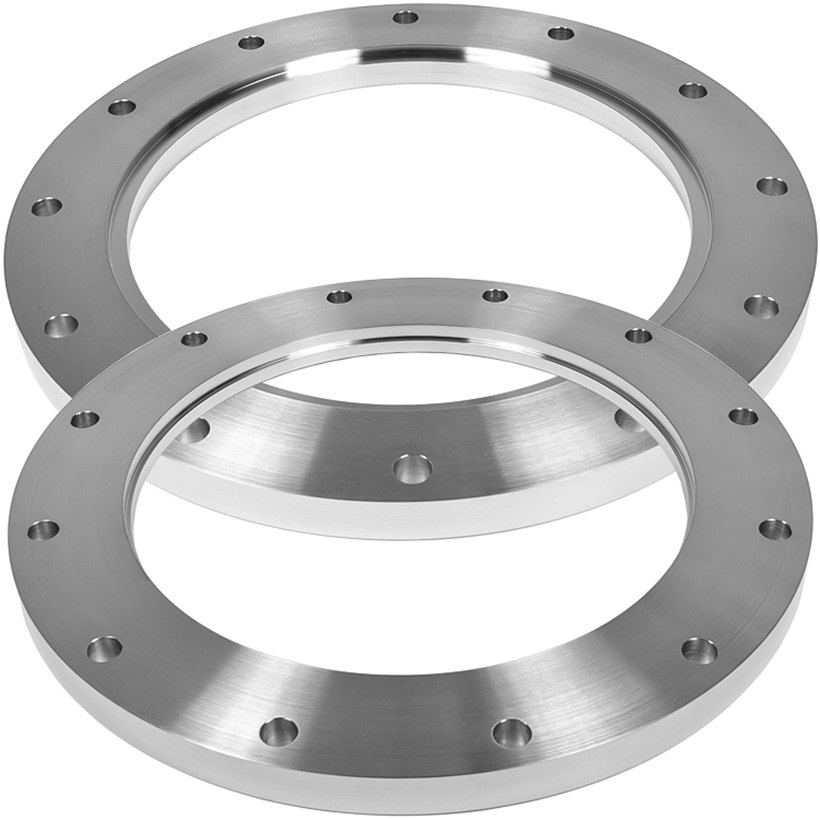
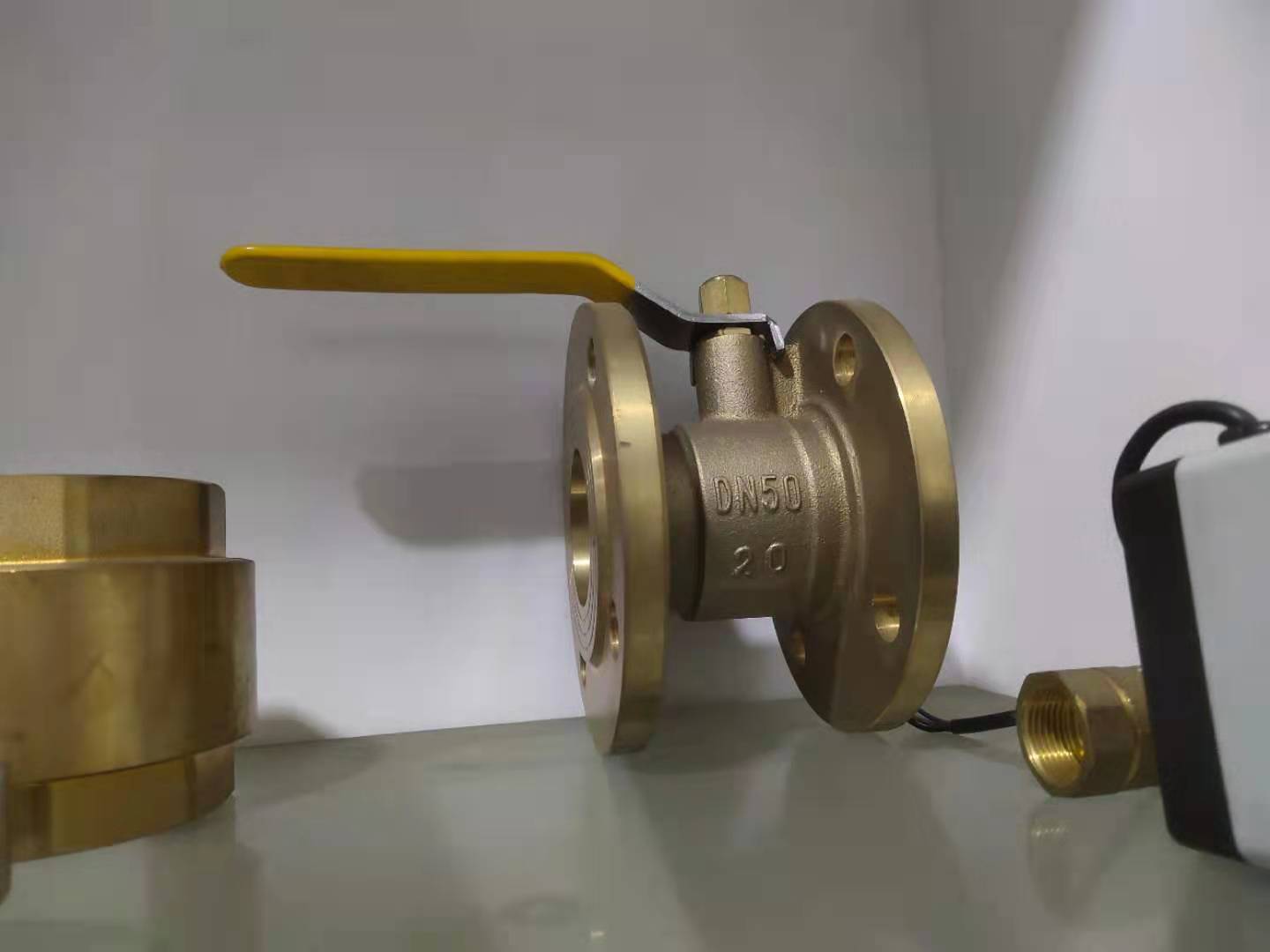
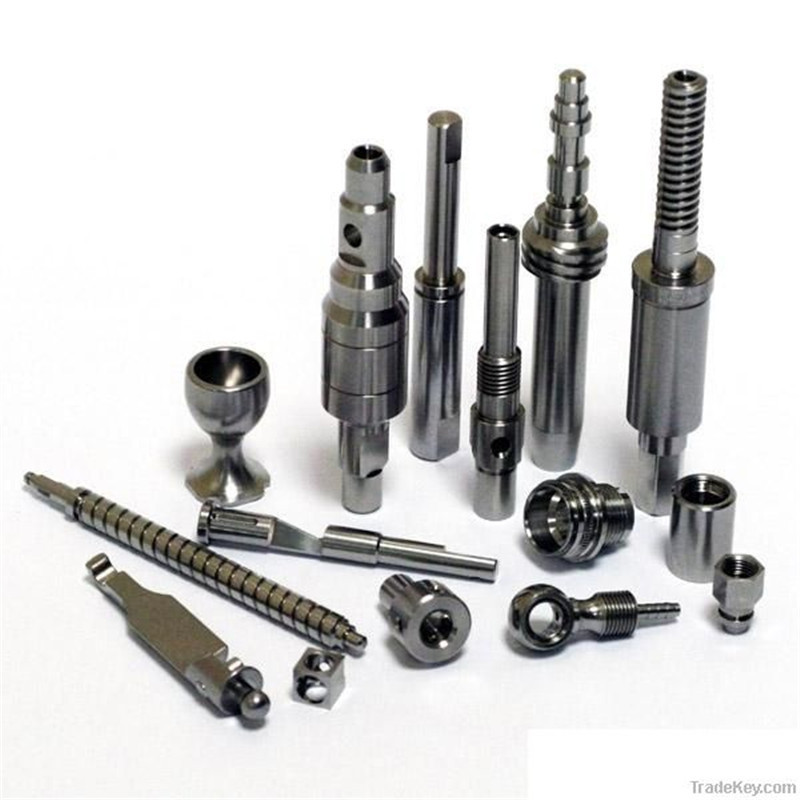
Industrial nodular cast iron fittings Solutions for Myanmar Infrastructure

Providing high-durability metal components engineered for the challenging tropical climates and expanding industrial zones of Myanmar.

Industrial nodular cast iron fittings Solutions for Myanmar Infrastructure

We deliver precision-engineered metal fabrication services to Myanmar's evolving industrial landscape, focusing on corrosion resistance and structural integrity.

The State of Metal Fabrication in Myanmar

Analyzing the intersection of tropical humidity and heavy-duty industrial requirements.

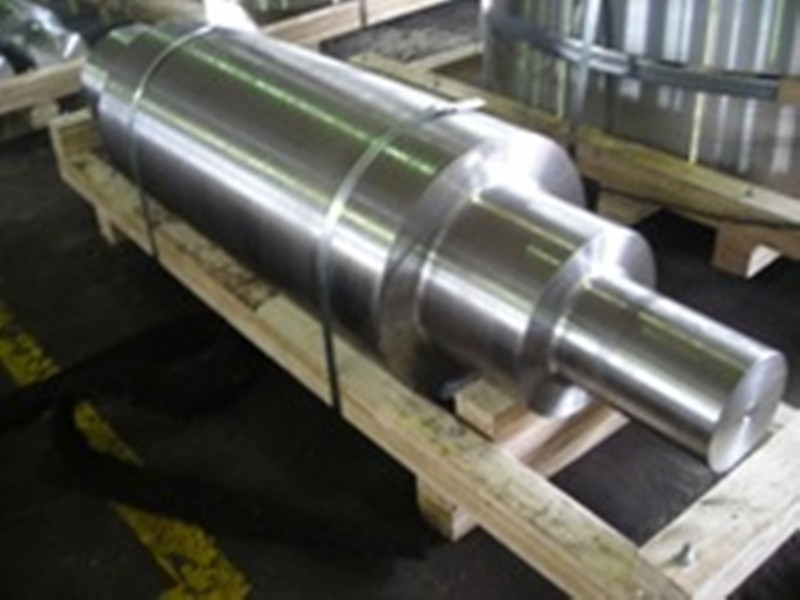
Myanmar's industrial sector currently faces significant challenges due to high humidity and seasonal monsoon rains, which accelerate the oxidation of standard metals. This creates a critical demand for high-grade iron casing and protective coatings to ensure the longevity of machinery in the Yangon and Mandalay industrial zones.

The local market is transitioning from rudimentary sand casting to more advanced techniques. There is a noticeable shift towards using enamelled cast iron plate in chemical and food processing plants to prevent contamination and resist corrosive acids prevalent in local manufacturing processes.

Furthermore, the rapid urbanization of Myanmar's cities has put immense pressure on water management systems. The adoption of durable hydrant pipes has become a priority for municipal planners to combat fire hazards in densely populated urban areas with aging infrastructure.
Evolution and Technical Trajectory

From traditional foundry methods to precision gravity casting.

Market Development History

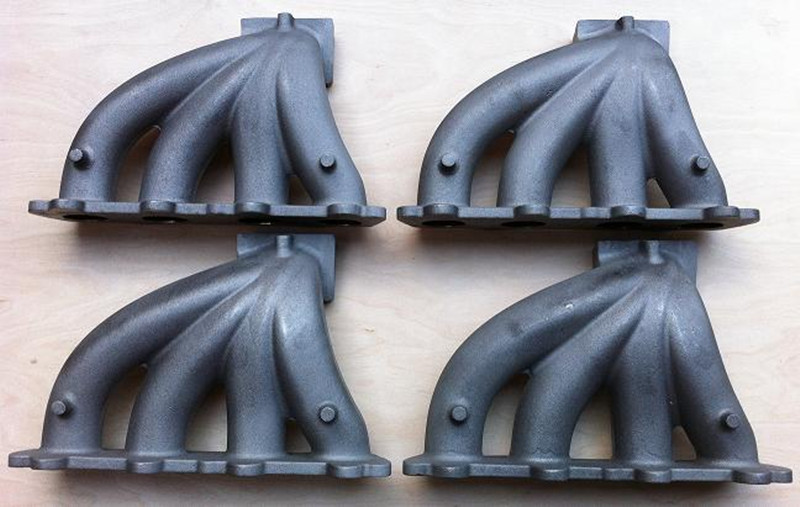
In the early 2000s, Myanmar's metal industry relied heavily on basic grey iron casting, which lacked the tensile strength required for modern hydraulic systems. Most components were oversized to compensate for material weakness.

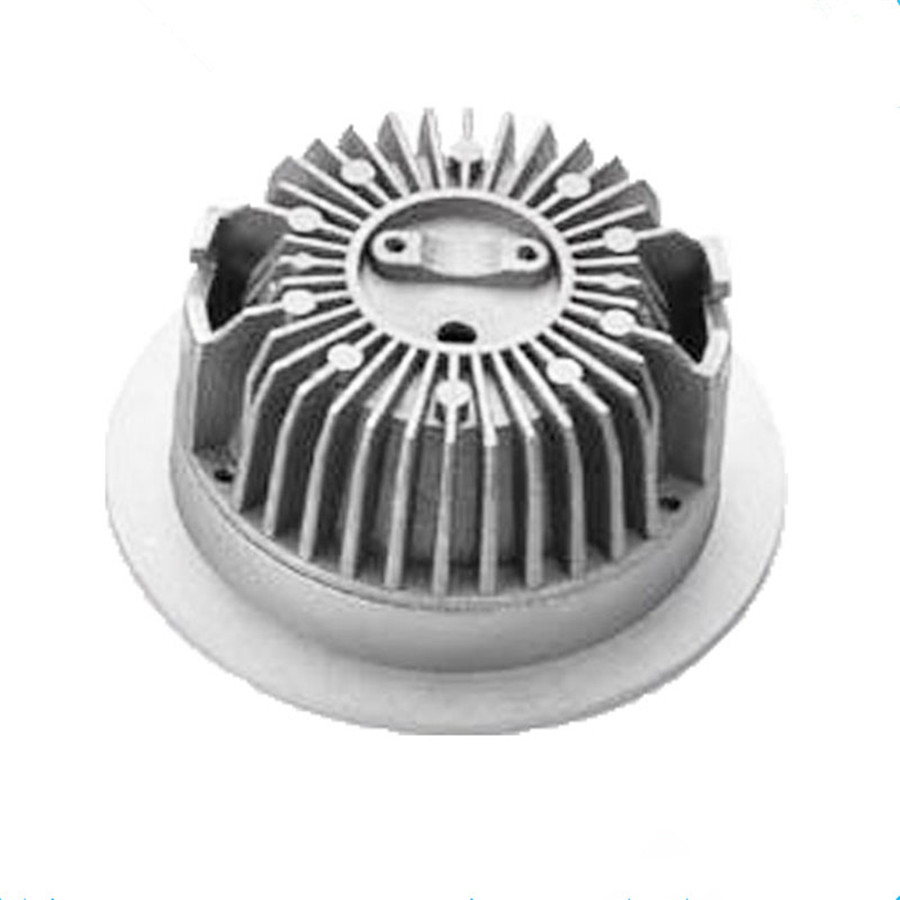
Between 2010 and 2020, the introduction of aluminum gravity casting revolutionized the lightweight component market, allowing local automotive and electronics assembly plants to reduce weight without sacrificing structural rigidity.

From 2021 to the present, the focus has shifted toward specialized alloys. The integration of ductile iron technology has enabled the production of high-pressure fittings that can withstand the volatile geological conditions and soil salinity of the coastal regions.

Future Development Trends

Smart Alloy Integration

Integration of sensor-compatible alloys within cast components to monitor structural fatigue in real-time.

Eco-friendly Surface Treatment

Moving toward VOC-free enamelling processes to meet new international environmental standards for exported goods.

Additive Manufacturing Hybridization

Combining 3D printed molds with traditional casting to reduce the lead time for complex custom prototypes.

Industry Trends and Future Outlook

Strategic forecasting for the Myanmar metal fabrication market.

Precision Engineering
Increasing adoption of CNC finishing for cast components to meet tighter tolerances.
Corrosion Resistance
Shift toward advanced polymer-metal hybrid coatings for high-salinity environments.
Lightweighting
Expanding use of aluminum alloys in transport infrastructure to reduce fuel costs.
Modular Casting
Adopting modular design patterns to simplify maintenance in remote Myanmar regions.

Industry Outlook

Based on Google search trends in Southeast Asia, there is a rising interest in "sustainable metallurgy" and "high-strength ductile iron." This suggests that Myanmar's industry will move toward materials that offer a longer lifecycle, reducing the frequency of replacement in critical infrastructure.

We anticipate that the next 3-5 years will see a convergence of traditional metal casting and digital twins, allowing engineers to simulate the stress on components before they are cast, significantly reducing material waste.

Localized Application Scenarios in Myanmar

Real-world implementations of metal solutions tailored for Myanmar's environment.

01. Urban Fire Protection Systems

Installation of high-pressure hydrant pipes in Yangon's commercial districts to ensure reliable water flow during emergencies in high-density areas.

02. Industrial Chemical Storage

Using enamelled cast iron plate for lining reaction vessels in local fertilizer plants to prevent sulfuric acid corrosion.

03. Heavy Machinery Protection

Deploying reinforced iron casing for mining equipment operating in the Shan State mountains to protect internal components from abrasive dust.

04. Automotive Component Manufacturing

Utilizing aluminum gravity casting for engine brackets in regional assembly plants to improve fuel efficiency for light commercial vehicles.

05. Water Distribution Networks

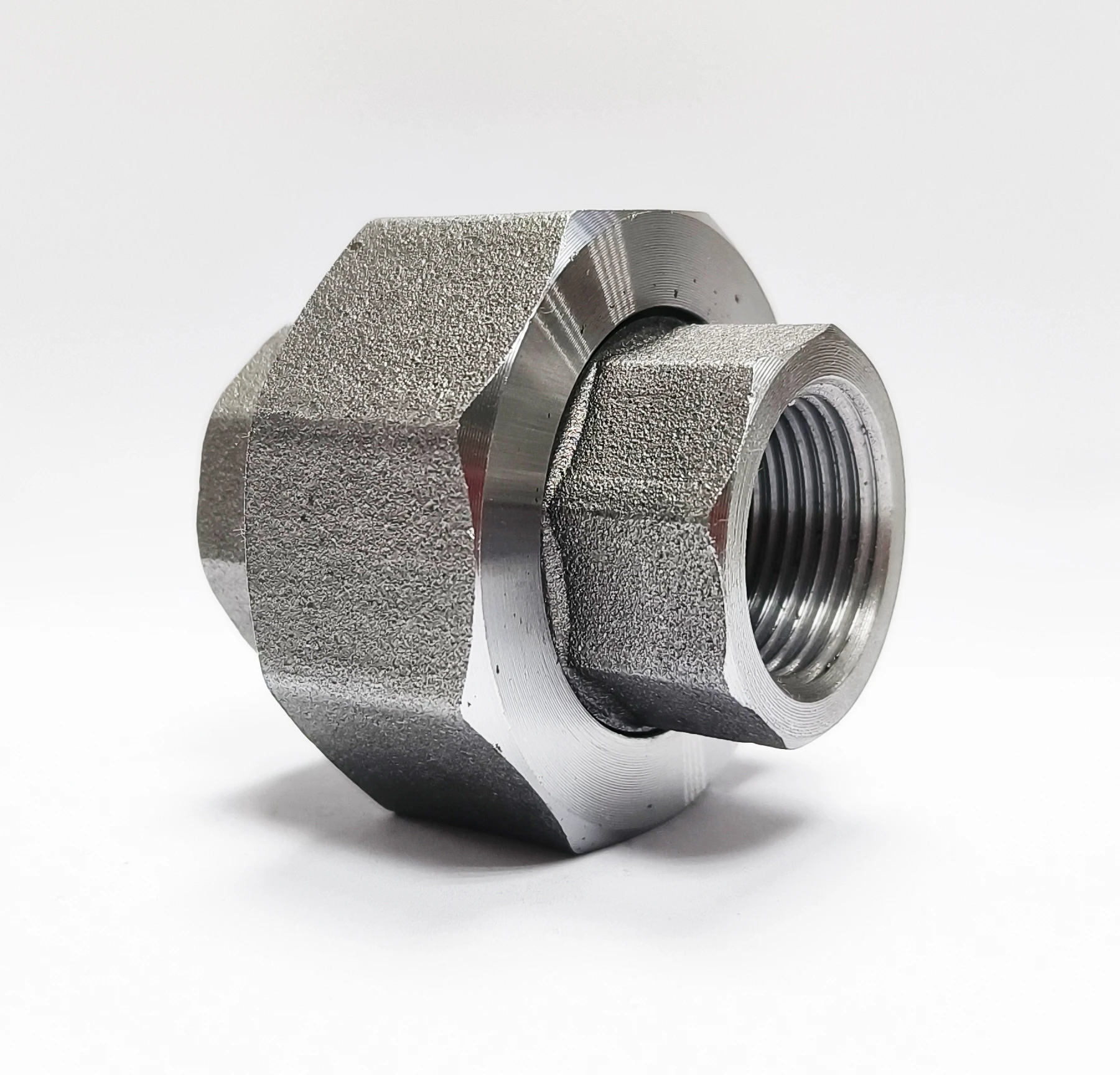
Implementing nodular cast iron fittings in rural irrigation projects to withstand soil shifting and high pressure without cracking.

Brand Story

Global Development History of Hebei Mingda International Trade Co., Ltd.

Foundational Excellence

Established with a focus on high-quality metal casting, we began by solving basic material purity issues for regional clients.

Technological Pivot

Expanded our capabilities into nodular iron and aluminum alloys to meet the demands of the global automotive industry.

Global Expansion

Strategically entered the Southeast Asian market, tailoring our products to the unique climate and regulatory needs of Myanmar.

Quality Certification

Achieved international ISO standards, ensuring every component exported to Myanmar meets rigorous safety and durability benchmarks.

Future Vision

Committing to green metallurgy and smart casting to lead the sustainable industrialization of the Asia-Pacific region.

Comprehensive Metal Solutions for the Myanmar Market

A full portfolio of cast iron and aluminum components engineered for resilience.

Common Inquiries for Metal Fabrication in Myanmar

Technical answers to frequent industry challenges.

How do nodular cast iron fittings perform in Myanmar's soil?

Nodular cast iron offers superior ductility and strength, making it ideal for Myanmar's varying soil types and seismic activities, preventing the brittle fractures common in grey iron.

What are the advantages of aluminum gravity casting for local transport?

It provides an optimal balance of weight reduction and structural strength, which is critical for reducing fuel consumption and wear on vehicles in Myanmar's challenging road conditions.

Is enamelled cast iron plate suitable for tropical humidity?

Yes, the vitreous enamel coating provides an impermeable barrier that prevents moisture and oxygen from reaching the base metal, virtually eliminating rust in high-humidity environments.

Can iron casing be customized for specific industrial machinery?

We provide full customization services, utilizing precision molds to ensure the casing fits your specific machinery specifications exactly, reducing installation time.

What is the lifespan of hydrant pipes in urban Myanmar?

With proper anti-corrosive treatment and high-grade material selection, our pipes are engineered to last 30-50 years even in corrosive urban environments.

How do you ensure the quality of cast iron components for export?

We employ ultrasonic testing and spectral analysis on every batch to ensure chemical composition and structural density meet the requested industrial standards.

Request a Technical Consultation

Get professional metal fabrication advice and custom quotes for your projects in Myanmar.

Contact Us Now

If you are interested in our products, you can choose to leave your information here, and we will be in touch with you shortly.