Industrial Metal Solutions for Greece: High-Precision nodular cast iron fittings

Providing durable, high-performance metal casting and fabrication services tailored for the Mediterranean industrial landscape.

Industrial Metal Solutions for Greece: High-Precision nodular cast iron fittings

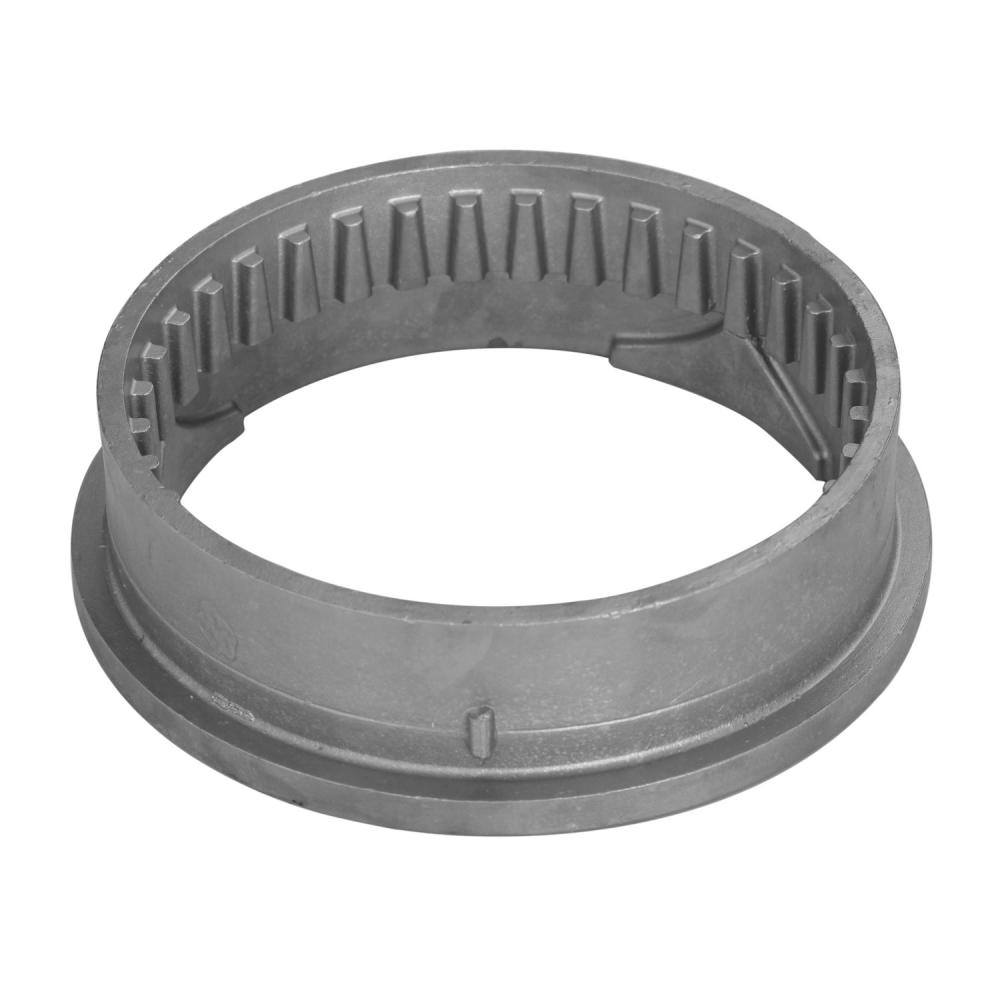
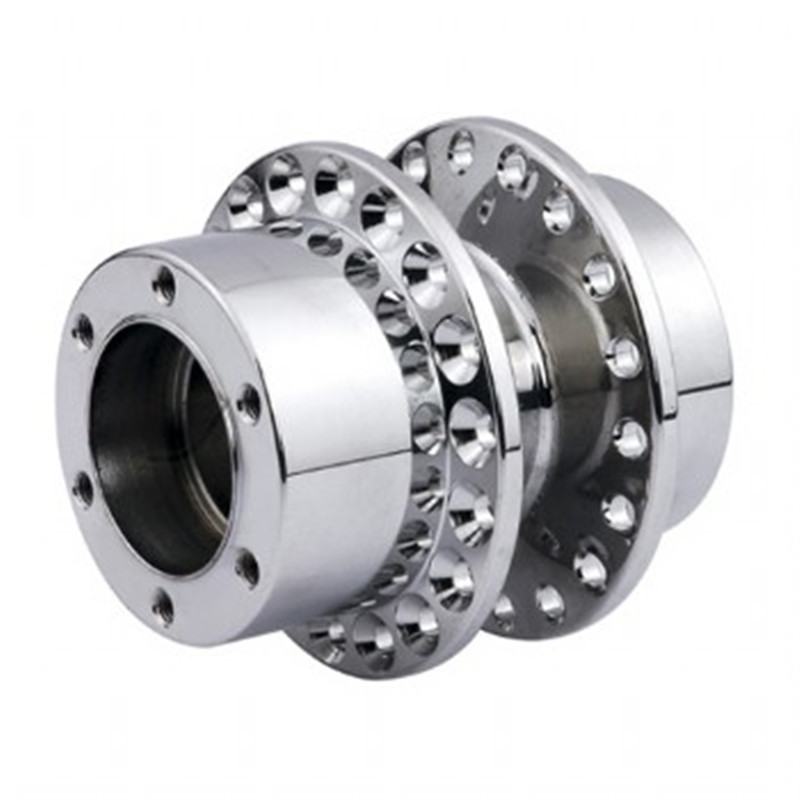
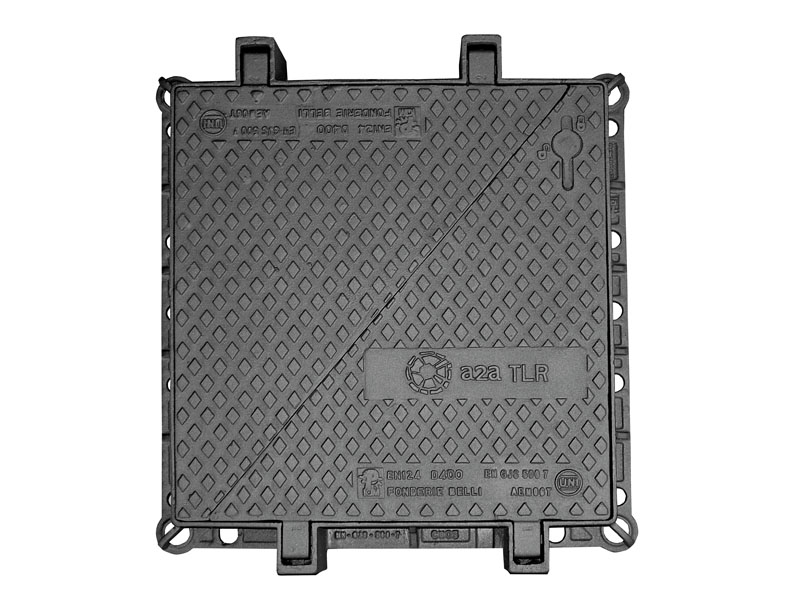
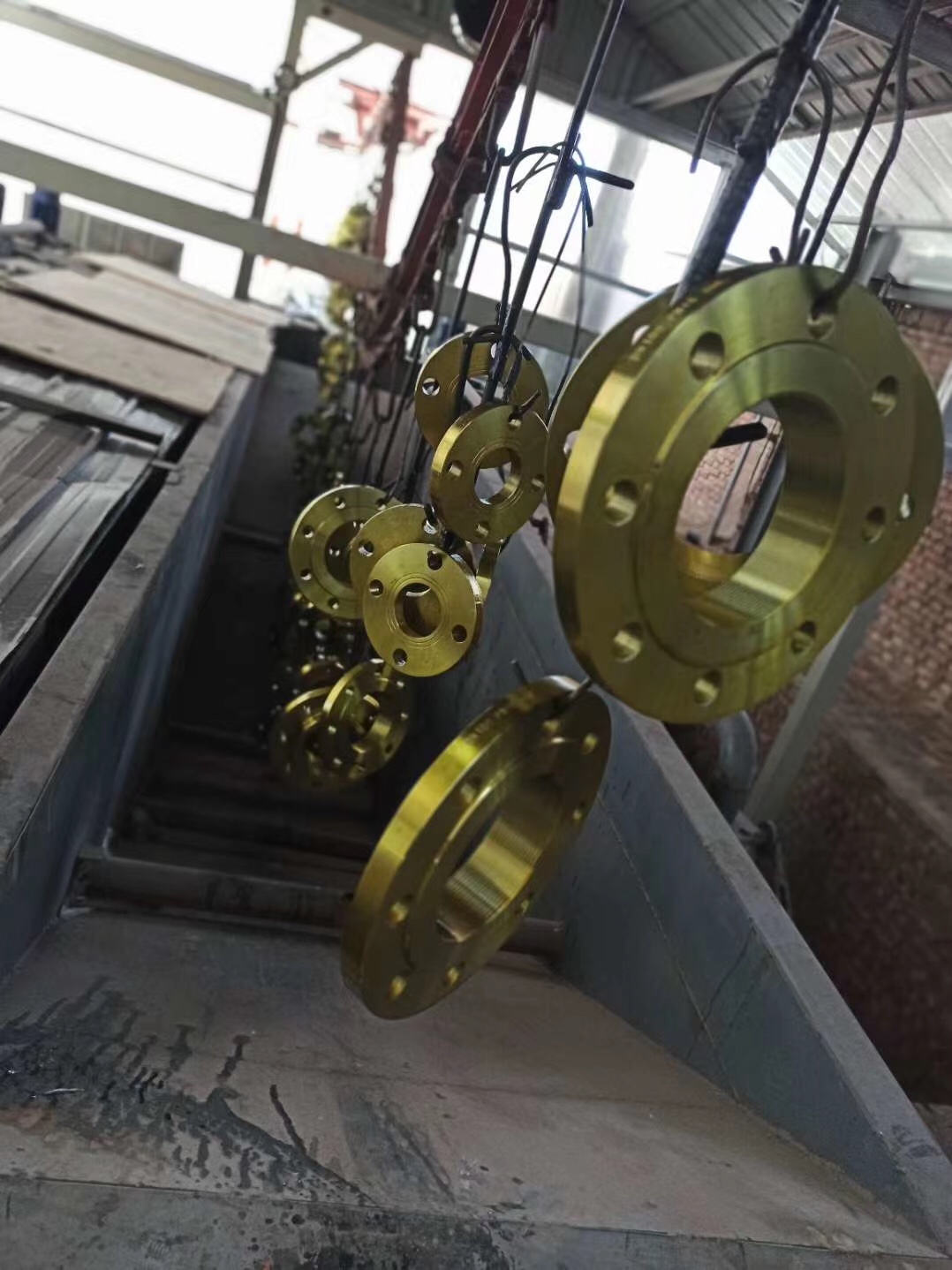
We specialize in delivering superior metal components, from heavy-duty iron casing to specialized architectural plates, ensuring longevity in Greece's demanding coastal and urban environments.

The Metal Fabrication Landscape in Greece

Analyzing the intersection of traditional metallurgy and modern infrastructure needs in the Hellenic region.

In Greece, the metal products industry is heavily influenced by the maritime economy and the necessity for corrosion-resistant materials due to the high salinity of the Mediterranean air. The demand for hydrant pipes and urban infrastructure components is rising as cities like Athens and Thessaloniki modernize their aging water networks.

Economic fluctuations in the Eurozone have pushed Greek manufacturers to seek a balance between cost-efficiency and the strict EU quality standards. This has led to an increased adoption of aluminum gravity casting for lightweight automotive and industrial parts, reducing energy consumption in logistics.

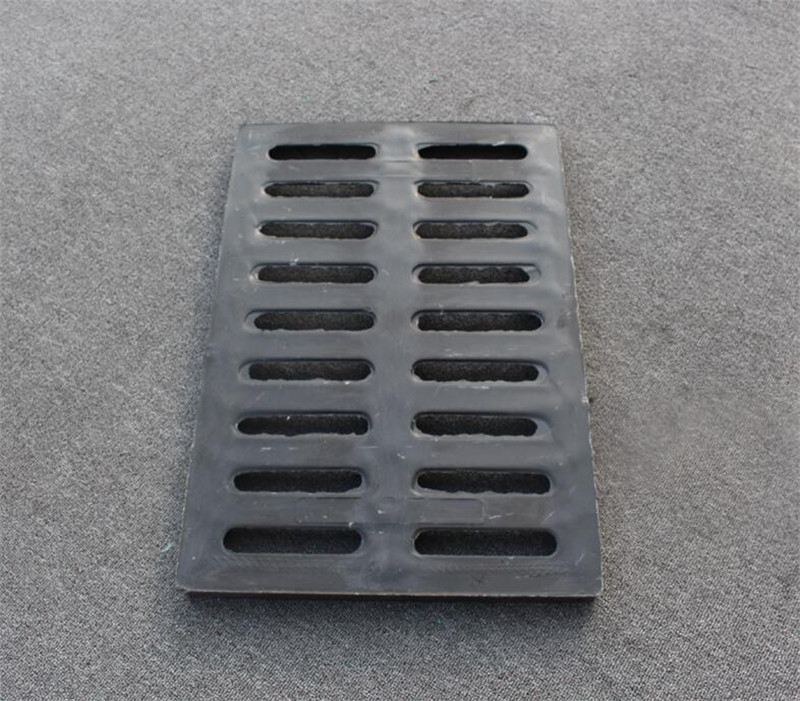
Furthermore, the preservation of historical sites and the construction of luxury tourism infrastructure have created a niche market for high-aesthetic, durable materials such as the enamelled cast iron plate, which combines classic industrial strength with modern protective coatings.
Evolution and Technical Trajectory of Metal Casting

From traditional foundry methods to the era of precision engineering and sustainable metallurgy.

Market Development History

During the mid-20th century, the Greek metal industry relied primarily on grey iron casting for basic agricultural and construction tools. These traditional methods provided strength but lacked the ductility required for high-pressure systems, limiting the lifespan of early urban utilities.

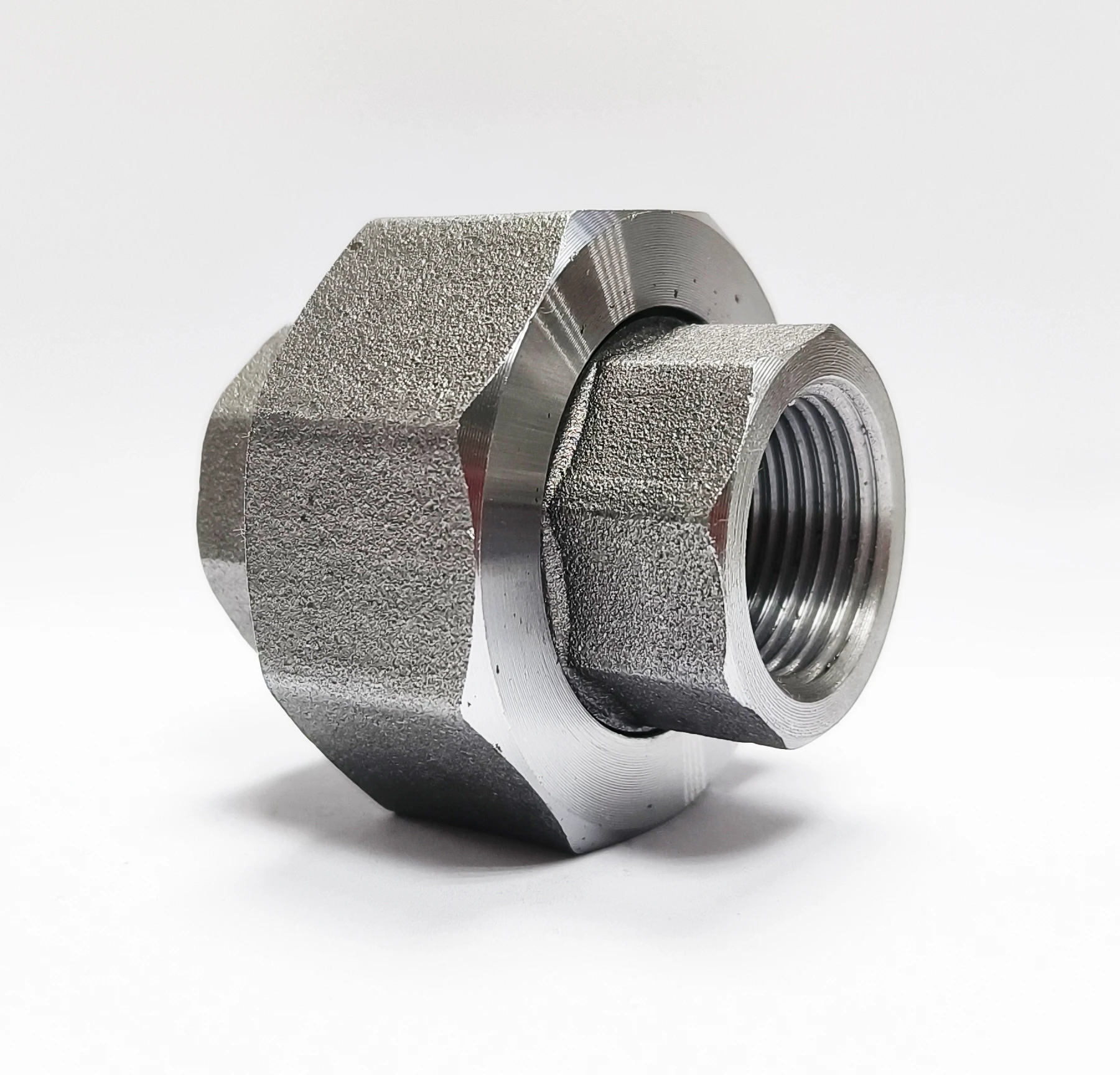
By the 1990s, a technical shift occurred with the introduction of ductile iron technology. The adoption of nodular cast iron fittings allowed for thinner walls without sacrificing strength, drastically improving the reliability of municipal water and gas distribution lines across the Greek islands.

Entering the 2010s, the focus shifted toward surface treatment and alloy optimization. The integration of enamelling processes for cast iron and the refinement of gravity casting for aluminum enabled the industry to meet stringent environmental and aesthetic standards of the European Union.

Future Development Trends

Green Foundry Integration

Transitioning toward carbon-neutral melting processes and the use of recycled scrap metal to align with the European Green Deal.

Smart Alloy Customization

Utilizing AI-driven simulation to optimize the molecular structure of aluminum and iron for extreme temperature resistance.

Additive Manufacturing Hybridization

Combining 3D sand printing with traditional casting to produce complex internal geometries for specialized industrial casings.

Industry Outlook and Future Projections

Predicting the next 3-5 years of metal manufacturing trends based on Google Search data and EU industrial policies.

Eco-Friendly Materials
Surge in demand for low-emission cast iron and recyclable aluminum alloys in the EU market.
Infrastructure Modernization
Increased government spending on smart water grids requiring high-precision piping and fittings.
Precision Automation
Shift toward robotic pouring and automated finishing to reduce lead times for complex castings.
Anti-Corrosion Tech
New nanocoatings for cast iron to combat the aggressive Mediterranean maritime environment.

Industry Outlook

Looking ahead, the Greek metal fabrication sector is expected to align more closely with "Industry 4.0". We anticipate a significant increase in the demand for lightweight, high-strength components produced via aluminum gravity casting as the automotive and aerospace sectors in Europe pivot toward electrification.

Additionally, the focus on sustainable urban development will likely drive a replacement cycle for old municipal assets, ensuring a steady market for high-durability hydrant pipes and fittings that can withstand seismic activity and soil corrosion.

Localized Applications in Greece

Real-world implementation of metal products across various Greek sectors.

01. Maritime Port Infrastructure

Utilization of heavy-duty iron casing for dockside machinery and mooring systems in Piraeus, designed to resist constant saltwater exposure.

02. Municipal Water Management

Installation of nodular cast iron fittings in Athens' water distribution network to prevent bursts during thermal expansion in summer.

03. Luxury Hotel Architecture

Integration of enamelled cast iron plate in high-end resorts in Santorini for durable, heat-resistant kitchen and bathroom surfaces.

04. Agricultural Machinery Fabrication

Application of aluminum gravity casting for engine components in specialized olive harvesting machinery used in Crete.

05. Fire Safety Networks

Deployment of high-pressure hydrant pipes for forest fire prevention systems in the mountainous regions of Central Greece.

Brand Story

Global Development History of Hebei Mingda International Trade Co., Ltd.

Foundational Excellence

Established with a vision to bridge the gap between raw metal production and high-precision engineering requirements.

Technical Breakthroughs

Perfecting the balance of carbon and silicon in nodular iron to create components that exceed international strength standards.

European Expansion

Expanding our footprint into the EU market, specifically tailoring products for the Mediterranean climate and Greek regulations.

Quality Certification

Achieving top-tier ISO certifications to ensure every casting meets the rigorous safety demands of urban infrastructure.

Sustainable Future

Investing in green metallurgy to provide the world with metal solutions that protect the planet while building the future.

Comprehensive Metal Product Portfolio for Greece

A full range of high-performance castings and fabricated parts designed for the Greek industrial sector.

Greece Local Industry FAQ

Technical answers to the most common questions regarding metal casting in the Mediterranean region.

How do nodular cast iron fittings perform in salty coastal environments?

Our nodular iron fittings are treated with advanced anti-corrosive coatings that prevent chloride penetration, making them ideal for Greece's coastal regions.

What are the benefits of aluminum gravity casting for automotive parts in Europe?

It offers a superior strength-to-weight ratio and excellent thermal conductivity, which is critical for reducing emissions and improving fuel efficiency in EU vehicles.

Can enamelled cast iron plates withstand high Mediterranean temperatures?

Yes, the enamelling process creates a vitreous layer that is highly resistant to thermal shock and UV degradation, ensuring longevity under the Greek sun.

What standards are followed for the manufacture of hydrant pipes for municipal use?

All hydrant pipes are manufactured according to EN standards and ISO certifications to ensure safety and compatibility with European water networks.

Is iron casing customization available for specific maritime machinery?

Absolutely. We provide full OEM/ODM services, allowing clients to specify dimensions and alloy compositions for specialized marine applications.

What is the typical lead time for shipping metal components to Greece?

Depending on the volume and complexity, lead times typically range from 3 to 6 weeks, utilizing optimized logistics routes to Piraeus port.

Ready to Optimize Your Metal Supply Chain?

Our experts are ready to provide high-precision metal solutions for your projects in Greece.

Contact Us Now

If you are interested in our products, you can choose to leave your information here, and we will be in touch with you shortly.