High-Precision nodular cast iron fittings Solutions for Japan's Industrial Sector

Integrating advanced metallurgy with Japanese precision standards to deliver durable, corrosion-resistant metal components for complex engineering applications.

High-Precision nodular cast iron fittings Solutions for Japan's Industrial Sector

We provide a comprehensive suite of metal casting services tailored for the Japanese market, ensuring that every component meets the rigorous JIS (Japanese Industrial Standards) for safety and longevity.

Current Landscape of Metal Casting in Japan

Navigating the intersection of traditional craftsmanship and automated efficiency in East Asia.

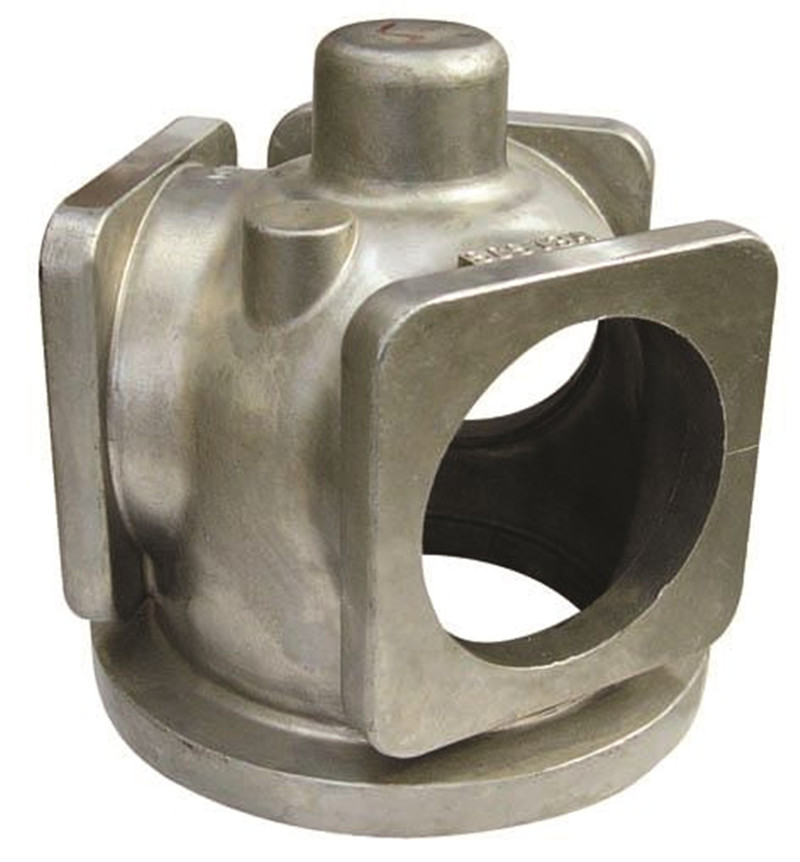
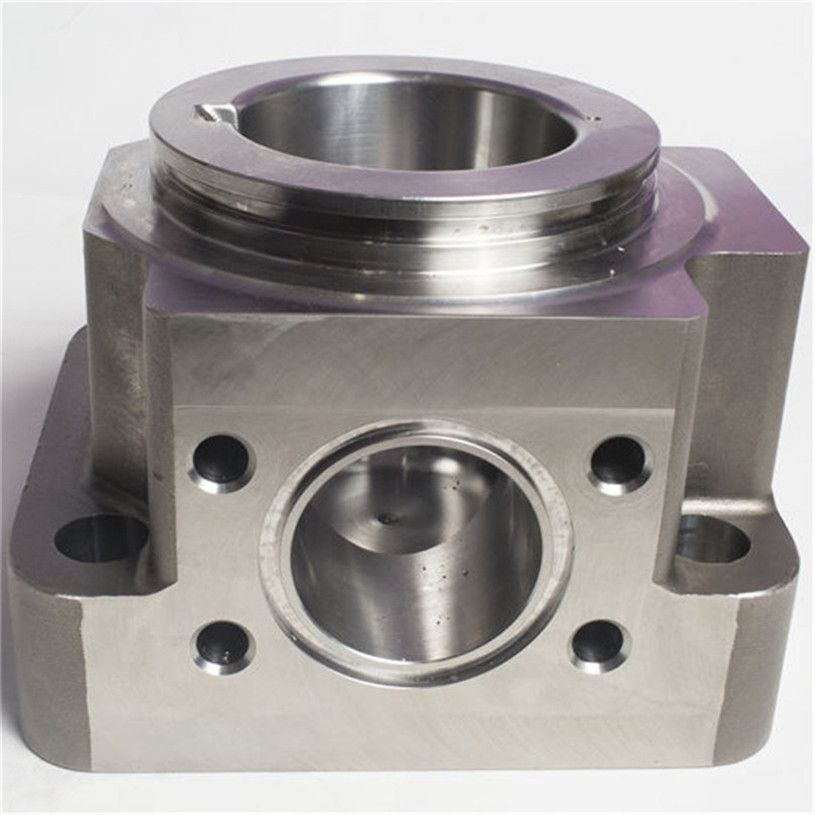
The Japanese manufacturing sector is currently characterized by an extreme demand for "zero-defect" components. In regions with high seismic activity and coastal humidity, the use of specialized iron casing has become critical to protect sensitive industrial equipment from environmental degradation and structural stress.

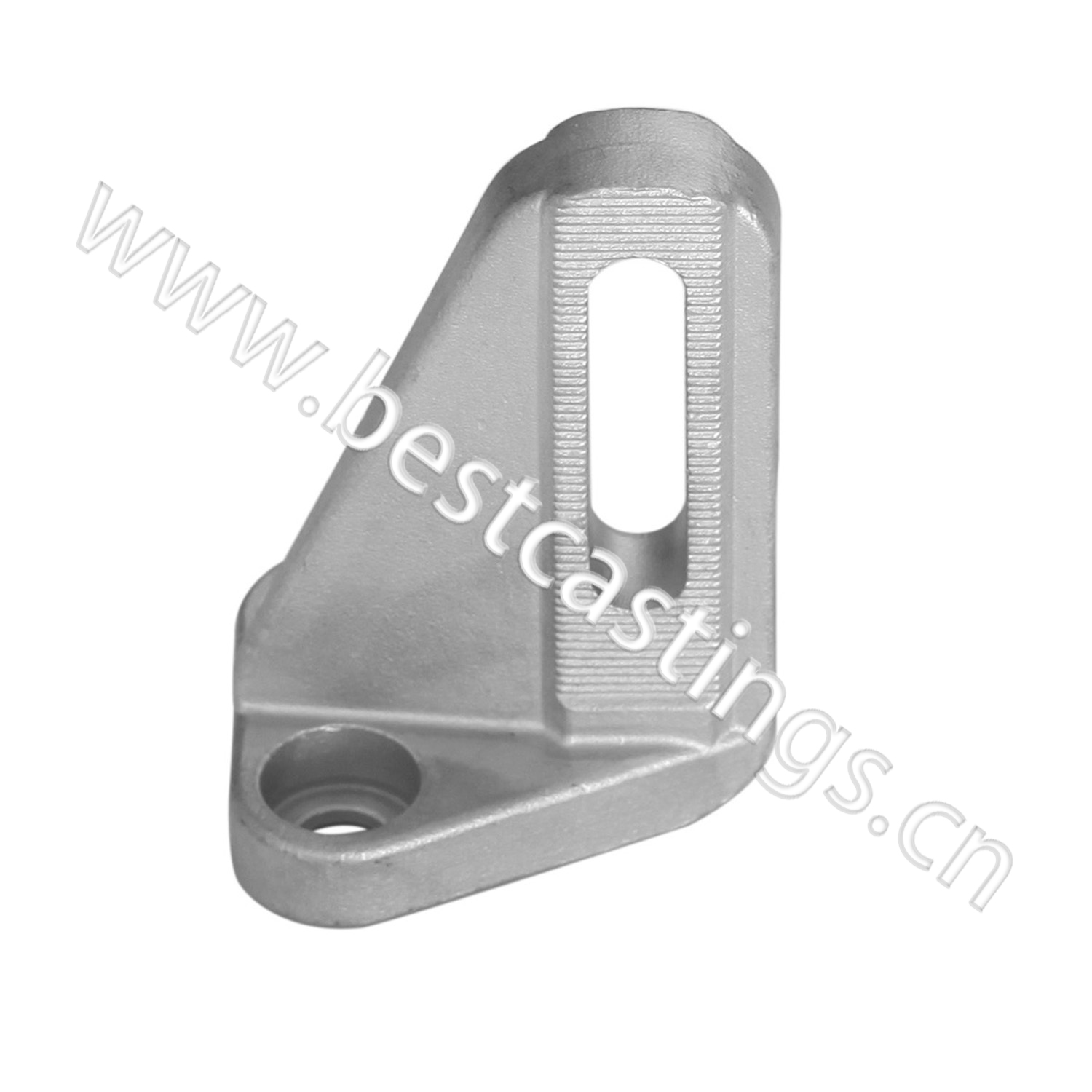
Economically, Japan's shift toward "Society 5.0" has forced traditional foundries to integrate IoT and AI. This transition is evident in the production of aluminum gravity casting parts, where precision weight reduction is essential for the automotive and robotics industries to enhance energy efficiency.

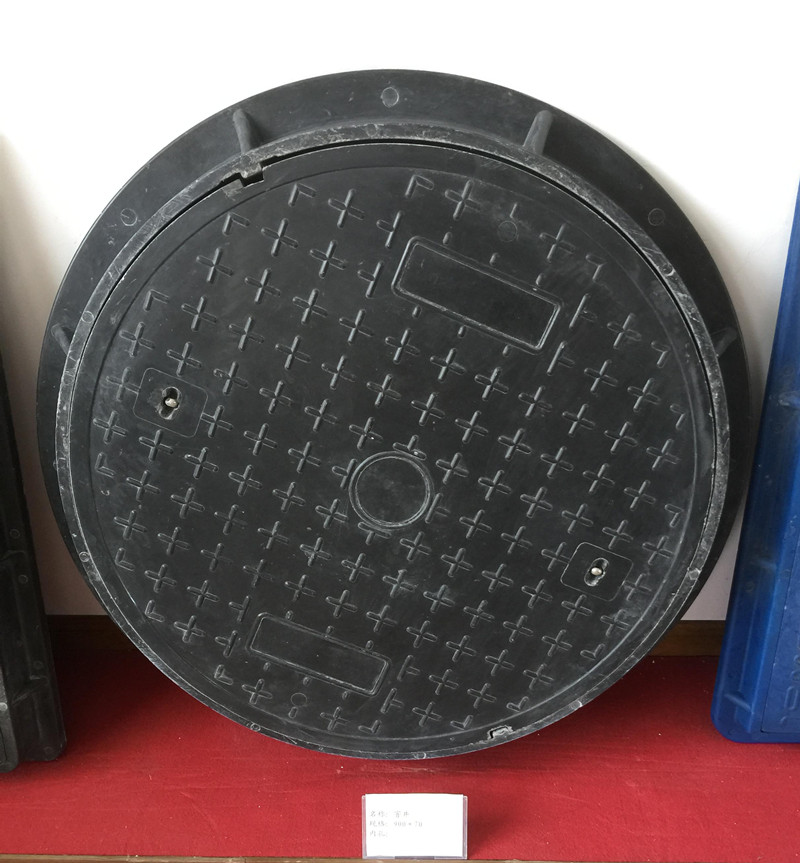
Furthermore, the aging urban infrastructure in Japanese cities has led to a surge in the replacement of municipal water systems, creating a steady demand for high-grade hydrant pipes that can withstand extreme pressure and soil corrosion over several decades.
Evolution of Metal Fabrication in Japan

From traditional sand casting to the era of smart metallurgy.

Market Development History

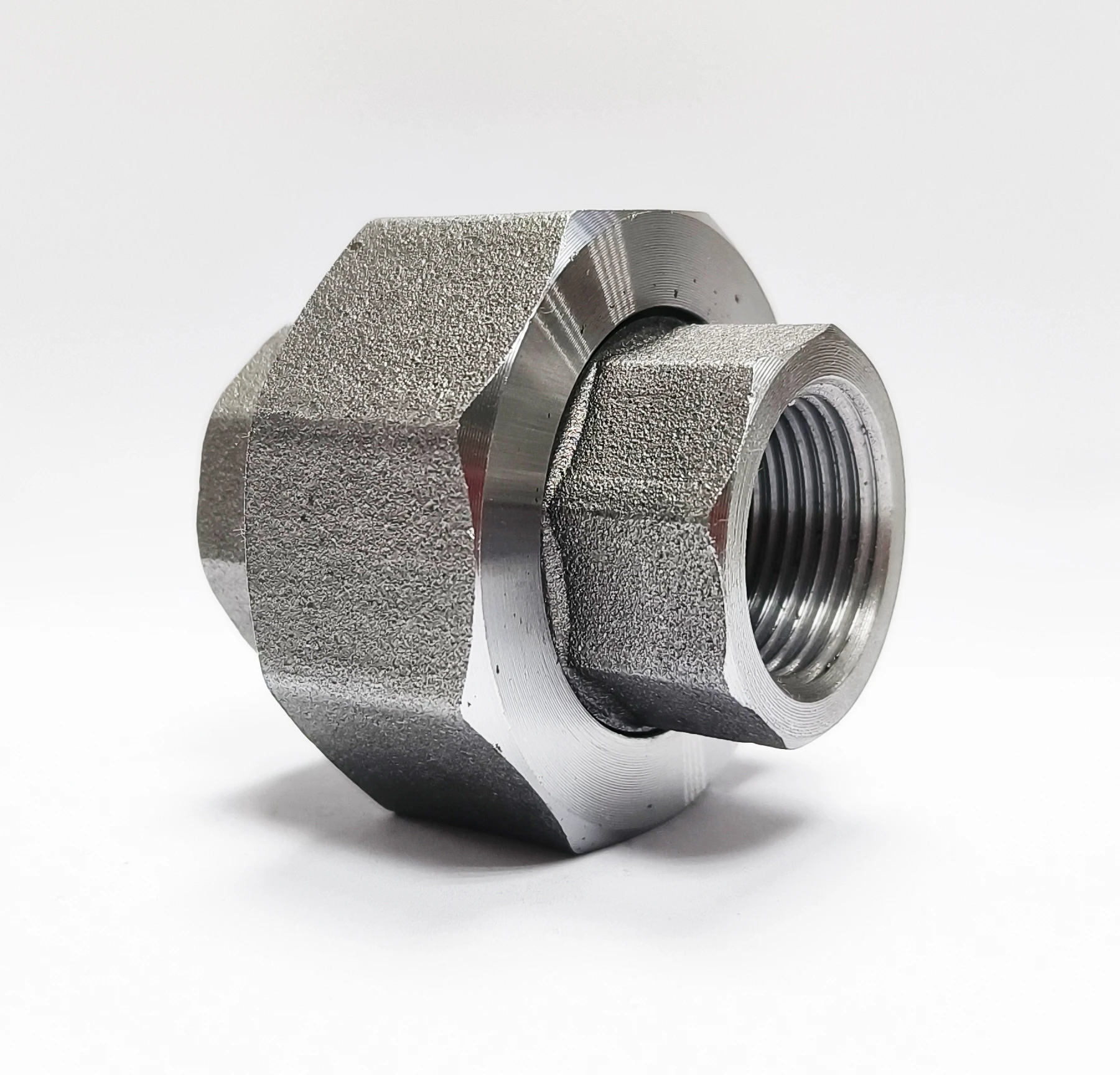
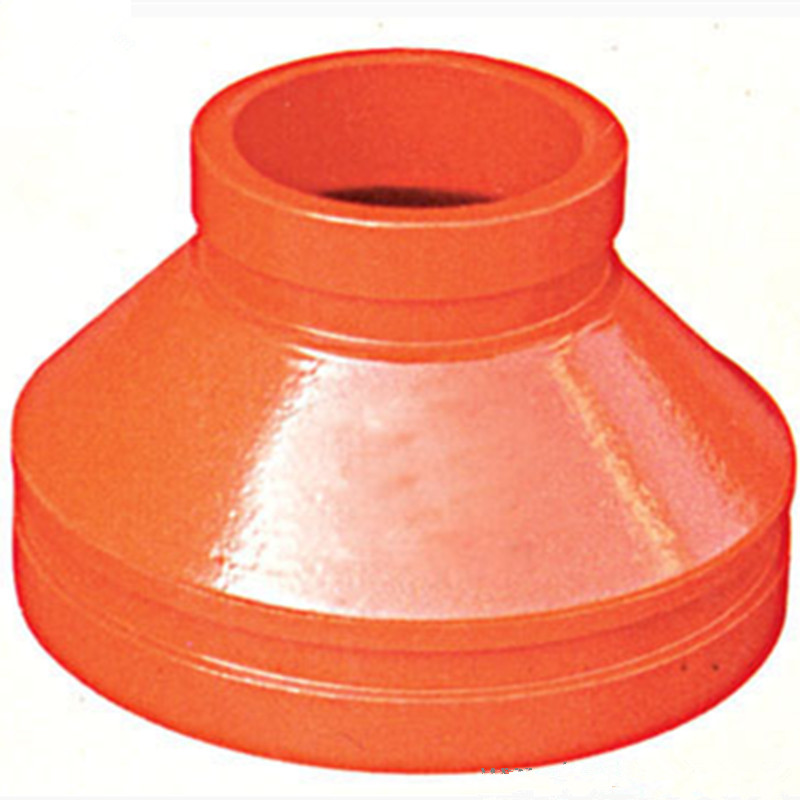
In the mid-20th century, the Japanese metal industry relied heavily on basic gray iron casting. However, the 1970s marked a pivotal shift toward the adoption of ductile iron, allowing for the creation of more resilient nodular cast iron fittings that could handle the high-pressure requirements of Japan's expanding industrial zones.

By the 1990s, surface treatment technologies evolved rapidly. The introduction of high-temperature vitrification led to the widespread use of enamelled cast iron plate components, which offered superior chemical resistance for the chemical processing plants in Osaka and Yokohama.

Entering the 21st century, the focus shifted toward lightweighting and sustainability. The industry moved from heavy steel to advanced aluminum gravity casting, optimizing the balance between structural integrity and material cost for the global export market.

Future Development Trends

Additive Manufacturing Integration

We anticipate a hybrid approach where 3D printed sand molds are used to create complex internal geometries for iron casings that were previously impossible to cast.

Eco-Friendly Alloy Development

There is a growing trend toward "Green Casting," focusing on recycled aluminum and low-carbon iron production to meet Japan's 2050 carbon neutrality goal.

Smart Material Monitoring

Integration of embedded sensors within hydrant pipes to provide real-time leakage detection and structural health monitoring via 5G networks.

Future Trends and Strategic Outlook

Analyzing the trajectories of the "Other Metal Products" manufacturing sector.

Precision Automation
Implementation of robotic pouring and AI-driven quality inspection to eliminate human error in casting.
Material Hybridization
Combining aluminum casting with composite reinforcements to achieve aerospace-grade strength-to-weight ratios.
Corrosion Innovation
Developing nano-ceramic coatings to replace traditional enamelling for extreme chemical environments.
Supply Chain Resilience
Diversifying casting sources to ensure stability against geopolitical shifts in raw material availability.

Industry Outlook

Based on Google search trends in the Asia-Pacific region, there is a significant increase in queries related to "sustainable metallurgy" and "precision aluminum components." This suggests that the Japanese market is moving away from bulk production toward highly specialized, low-volume, high-value components.

We predict that the next 3-5 years will see a convergence of casting and digital twinning, where every nodular cast iron fittings unit will have a digital counterpart for lifecycle tracking, fundamentally changing how maintenance is performed in Japanese infrastructure.

Localized Applications in Japan

Real-world implementation of metal solutions across various Japanese industries.

01. Automotive Lightweighting in Toyota City

Using high-pressure aluminum gravity casting to produce engine blocks and transmission housings that reduce vehicle weight while maintaining thermal stability.

02. Tokyo Metropolitan Water Grid

Installation of corrosion-resistant hydrant pipes and ductile iron valves to upgrade earthquake-resistant water distribution networks.

03. Semiconductor Fabrication Plants in Kyushu

Providing chemically inert enamelled cast iron plate surfaces for acid-resistant holding tanks and processing equipment.

04. Industrial Machinery Housing in Osaka

Custom-engineered iron casing for heavy-duty CNC machines, providing the necessary vibration damping for micro-precision milling.

05. Marine Engineering in Nagasaki

Deployment of heavy-duty nodular cast iron fittings for ship propulsion systems, designed to withstand the saline environment of the Pacific Ocean.

Brand Story

Global Development Journey of Hebei Mingda International Trade Co., Ltd.

Foundational Excellence

Established with a vision to bridge the gap between raw casting capacity and precision engineering, focusing on high-durability iron products.

Technological Pivot

Invested heavily in nodular iron technology to solve the brittleness pain point common in traditional cast iron components.

Global Expansion

Expanded into the Japanese market, adapting production lines to meet the rigorous JIS standards and Japanese quality expectations.

Sustainable Innovation

Introduced eco-friendly aluminum casting processes to support the global transition toward green manufacturing.

Industry Leadership

Today, we stand as a trusted partner for Japan's most demanding metal fabrication needs, delivering reliability at scale.

Common Questions for Japan's Metal Sector

Expert answers to technical queries regarding specialized metal components.

How do your nodular cast iron fittings comply with JIS standards?

Our fittings undergo rigorous tensile and impact testing to ensure they meet the specific mechanical properties required by Japanese Industrial Standards (JIS), ensuring safety in high-pressure environments.

What is the lifespan of enamelled cast iron plate in chemical plants?

Depending on the acidity of the environment, our enamelled plates typically last 15-20 years, thanks to the superior glass-fusion bonding that prevents substrate corrosion.

Can aluminum gravity casting be used for high-load automotive parts?

Yes, by optimizing the alloy composition and controlling the cooling rate, gravity casting provides excellent structural density suitable for load-bearing engine components.

How do you ensure the durability of hydrant pipes in coastal areas?

We apply specialized anti-corrosive coatings and utilize high-grade ductile iron to prevent saltwater penetration and oxidation in Japan's coastal municipalities.

What is the maximum size for custom iron casing production?

Our facility is equipped to handle large-scale pours, allowing us to produce custom iron casings up to several tons with precise wall thickness control.

What is the lead time for specialized metal orders to Japan?

Typically, lead times range from 4 to 8 weeks depending on the complexity of the mold and the required surface treatments, including sea freight logistics.

Request a Technical Consultation

Our engineering team is ready to support your next project in Japan with precision metal solutions.

Contact Us Now

If you are interested in our products, you can choose to leave your information here, and we will be in touch with you shortly.