High-Precision nodular cast iron fittings Engineering for Germany

Advanced metallurgical solutions delivering German-grade durability and precision for industrial infrastructure and specialized metal components.

High-Precision nodular cast iron fittings Engineering for Germany

Providing a comprehensive suite of high-strength metal casting solutions tailored for the rigorous mechanical standards of the German industrial sector.

The Current State of Metal Casting in Germany

Analyzing the intersection of traditional craftsmanship and Industry 4.0 in the German metal sector.

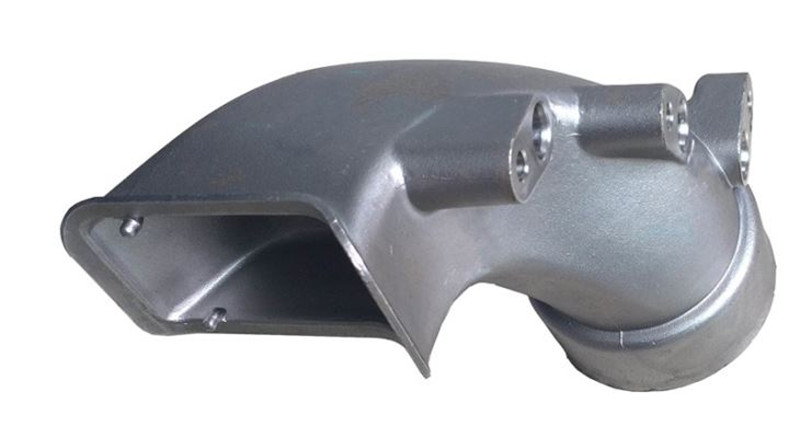
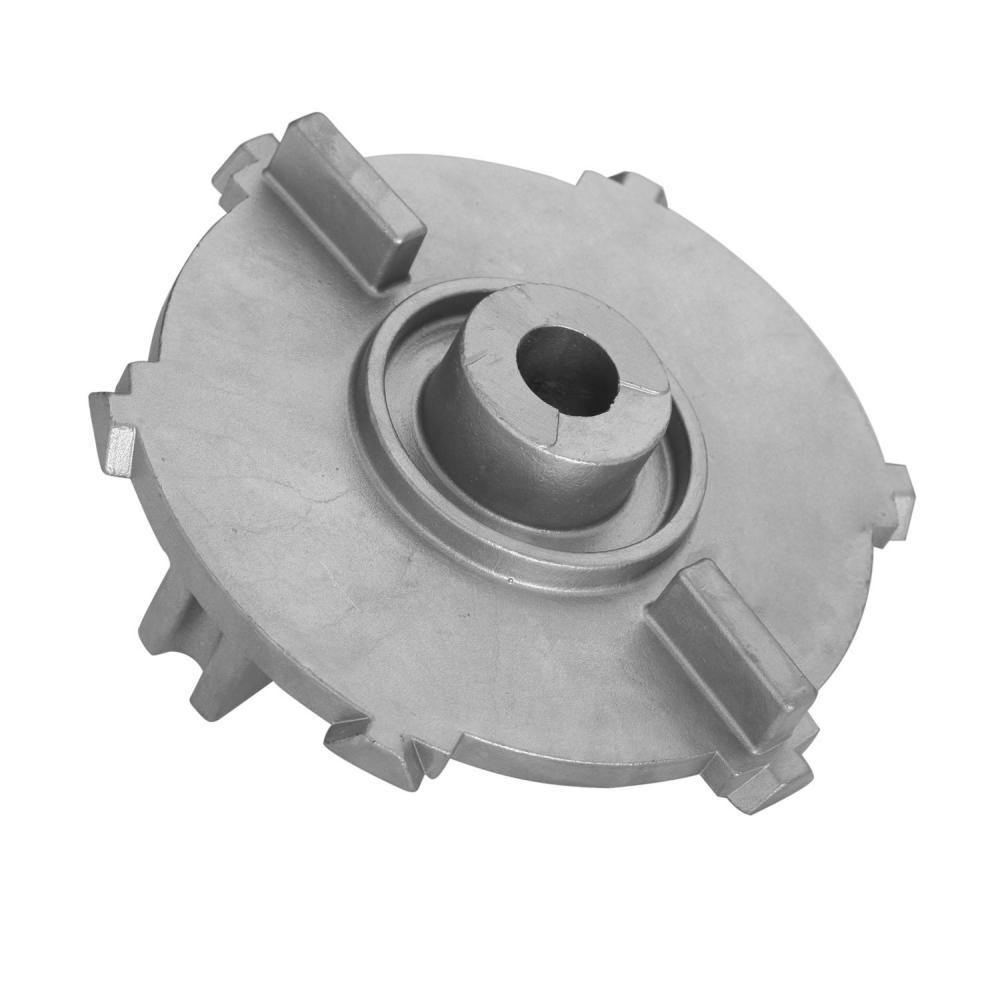
Germany's manufacturing landscape is currently defined by a transition toward extreme precision and sustainability. The demand for high-performance components like the iron casing is driven by the automotive and heavy machinery sectors, where failure is not an option due to strict safety regulations and high operational costs.

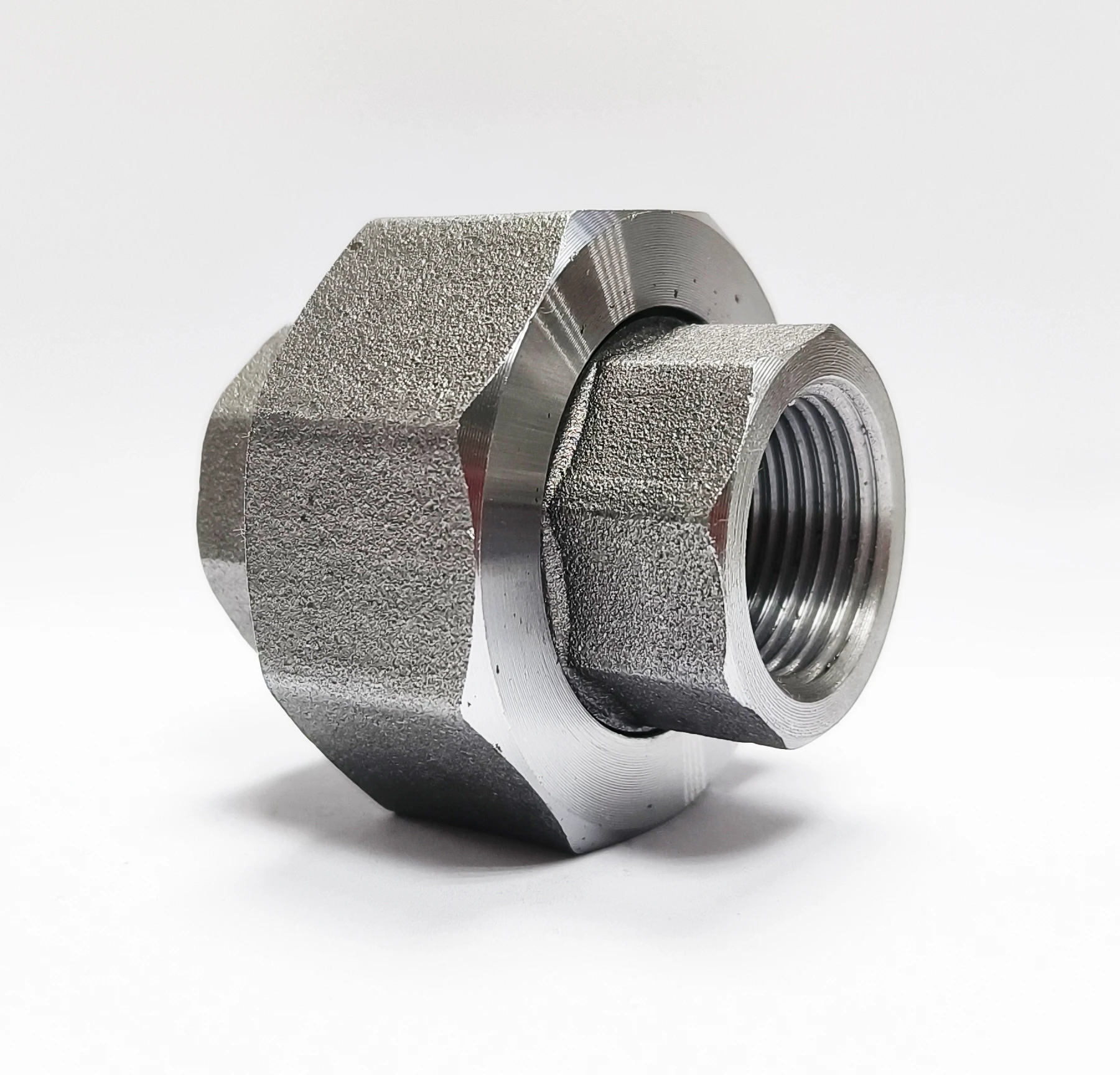
The local market emphasizes "Mittelstand" excellence, where specialized foundries integrate AI-driven quality control. This shift ensures that components such as nodular cast iron fittings meet the exact DIN standards required for hydraulic and pressure-bearing systems in Central Europe.

Furthermore, environmental mandates in Germany are pushing the industry toward "Green Casting." This includes optimizing the energy consumption of aluminum gravity casting processes to reduce carbon footprints while maintaining the structural integrity required for high-end engineering.
Evolution and Technical Trajectory

From traditional smelting to digitally optimized metallurgical engineering.

Market Development History

In the early 20th century, Germany led the world in basic grey iron casting. However, the 1960s saw a pivotal shift toward ductile iron, enabling the mass production of nodular cast iron fittings which offered superior strength and flexibility for urban infrastructure.

By the 1990s, the focus shifted to surface protection and chemical resistance. The adoption of the enamelled cast iron plate became standard for industrial kitchens and chemical laboratories, merging hygiene with the thermal mass of cast iron.

Entering the 2010s, the "Lightweighting" trend in the German automotive industry accelerated the adoption of aluminum gravity casting, replacing heavy steel parts with high-strength alloy components to improve fuel efficiency.

Future Development Trends

Additive Manufacturing Integration

The next 3-5 years will see 3D-printed sand molds becoming the norm, allowing for complex internal geometries in iron casing designs that were previously impossible to cast.

Smart Material Monitoring

Integrating IoT sensors directly into the casting process to monitor the stress and fatigue of hydrant pipes in real-time, predicting maintenance needs before leaks occur.

Circular Economy Alloys

Development of 100% recyclable alloy compositions that do not lose mechanical properties over multiple melt cycles, aligning with Germany's strict circular economy laws.

Industrial Outlook and Future Prospects

Navigating the future of metal fabrication through digitalization and material science.

Precision Automation
Implementation of robotic pouring systems to ensure zero-defect rates in aluminum gravity casting.
Material Optimization
Developing new nodular iron alloys with increased corrosion resistance for harsh environments.
Eco-Friendly Coating
Transitioning to VOC-free enamelling processes for high-durability cast iron plates.
Digital Twin Modeling
Using simulation software to predict shrinkage in complex iron casing geometries.

Industry Outlook

The trajectory for the German metal products industry is firmly rooted in the "Twin Transition"—the simultaneous pursuit of digitalization and green energy. We anticipate a surge in demand for lightweight, high-strength aluminum components as electric vehicle platforms evolve.

Moreover, as urban infrastructure in Germany undergoes modernization, the replacement of aging hydrant pipes with smart-monitored nodular iron systems will provide a significant growth opportunity for specialized manufacturers.

Localized Application Scenarios in Germany

Practical deployments of our metal solutions across diverse German industrial sectors.

01. Automotive Engine Housing

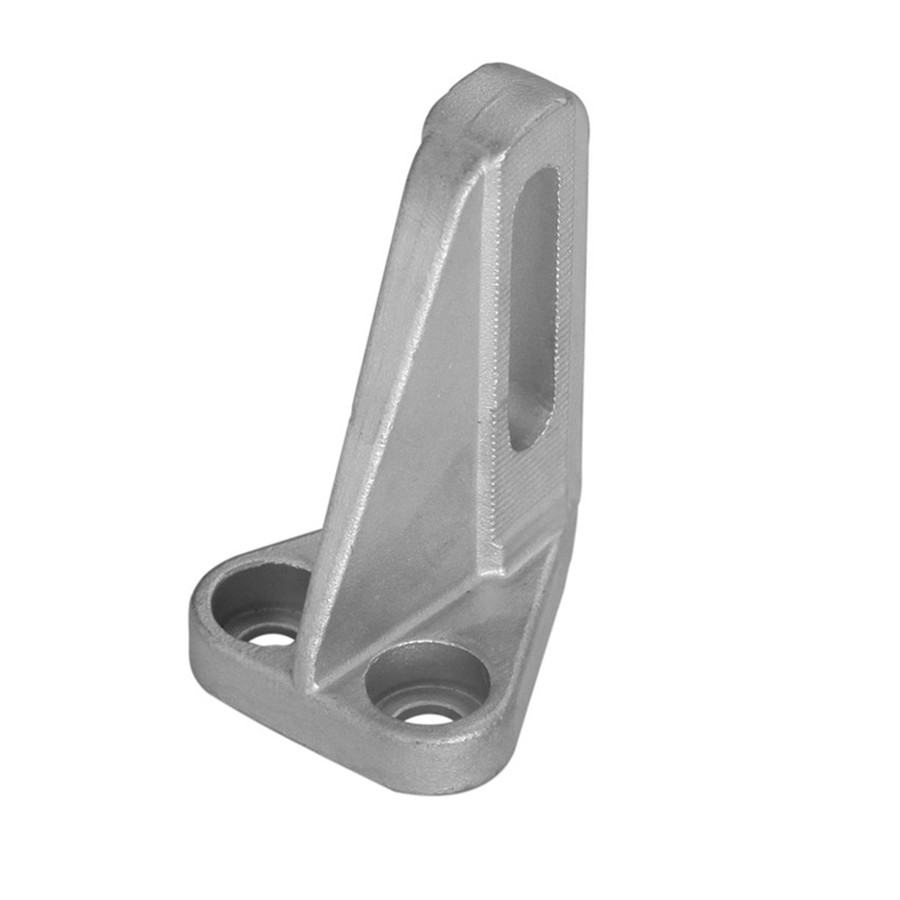
Utilizing aluminum gravity casting to produce lightweight, heat-resistant blocks for high-performance engines in Stuttgart and Munich.

02. Municipal Water Infrastructure

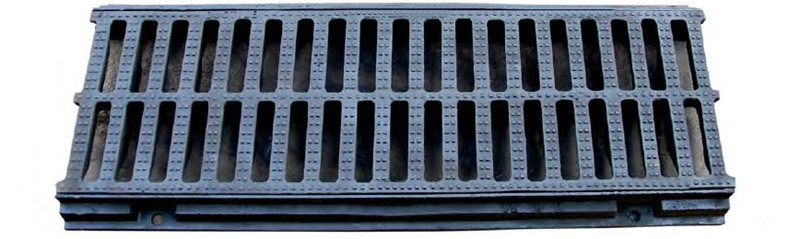
Deployment of durable hydrant pipes and nodular fittings for the Berlin water network, ensuring leak-proof stability during freezing winters.

03. Industrial Chemical Processing

Installation of enamelled cast iron plate surfaces in chemical labs in the Ruhr region to prevent corrosive reactions and ensure surface sterility.

04. Heavy Machinery Frameworks

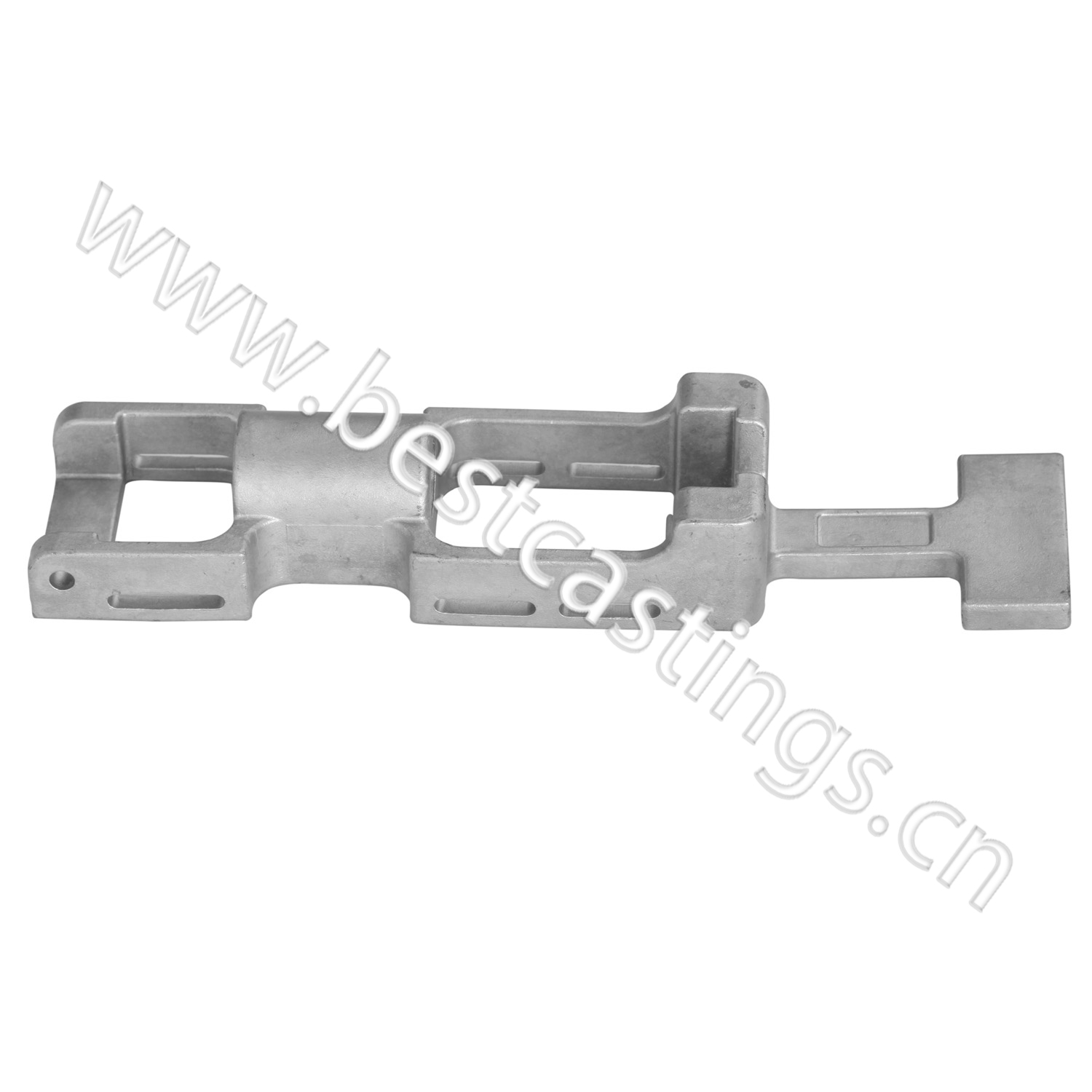
Manufacturing high-load iron casing for hydraulic presses used in the German steel industry, providing maximum vibration damping.

05. Precision Valve Fittings

Providing nodular cast iron fittings for gas distribution systems in Northern Germany, meeting stringent TUV safety certifications.

Brand Story

Global Development History of Hebei Mingda International Trade Co., Ltd.

Foundation and Vision

Started with a commitment to bridging the gap between high-capacity production and precision engineering standards.

Technical Specialization

Invested in advanced nodular iron and aluminum casting technologies to serve the most demanding European markets.

European Expansion

Established strategic partnerships in Germany, aligning production lines with DIN and ISO international standards.

Quality Certification

Achieved global recognition for surface treatment excellence, particularly in enamelled metal products.

Future-Ready Metallurgy

Leading the transition toward green casting and smart component manufacturing for the global industrial era.

Complete Metal Solutions Portfolio for Germany

An integrated range of cast iron and aluminum products engineered for German efficiency.

German Market FAQ

Technical answers for the most common queries regarding specialized metal casting.

How do your nodular cast iron fittings comply with German DIN standards?

Our production process involves strict chemical composition control and mechanical testing to ensure every fitting meets or exceeds the specific DIN requirements for tensile strength and ductility.

What is the advantage of aluminum gravity casting for automotive parts?

Gravity casting provides a denser microstructure compared to sand casting, resulting in better mechanical properties and superior surface finish, which is critical for German automotive precision.

Are the enamelled cast iron plates resistant to high-acid environments?

Yes, our glass-ceramic enamel coating creates a non-porous, chemically inert barrier that is highly resistant to most acids and alkalis used in industrial laboratories.

How do you ensure the longevity of hydrant pipes in cold climates?

We use nodular iron with optimized graphite spheroidization, which prevents brittle fracture during extreme freeze-thaw cycles common in German winters.

Can custom iron casing designs be produced via rapid prototyping?

Yes, we utilize 3D printing for mold patterns, allowing us to accelerate the prototyping phase for complex casing geometries before moving to mass production.

What quality certifications do your metal products carry for the EU market?

Our products are manufactured under ISO 9001 quality management systems and comply with EU REACH and RoHS regulations for material safety.

Request a Technical Consultation

Our engineering team is ready to support your next project in Germany with high-precision metallurgical solutions.

Contact Us Now

If you are interested in our products, you can choose to leave your information here, and we will be in touch with you shortly.