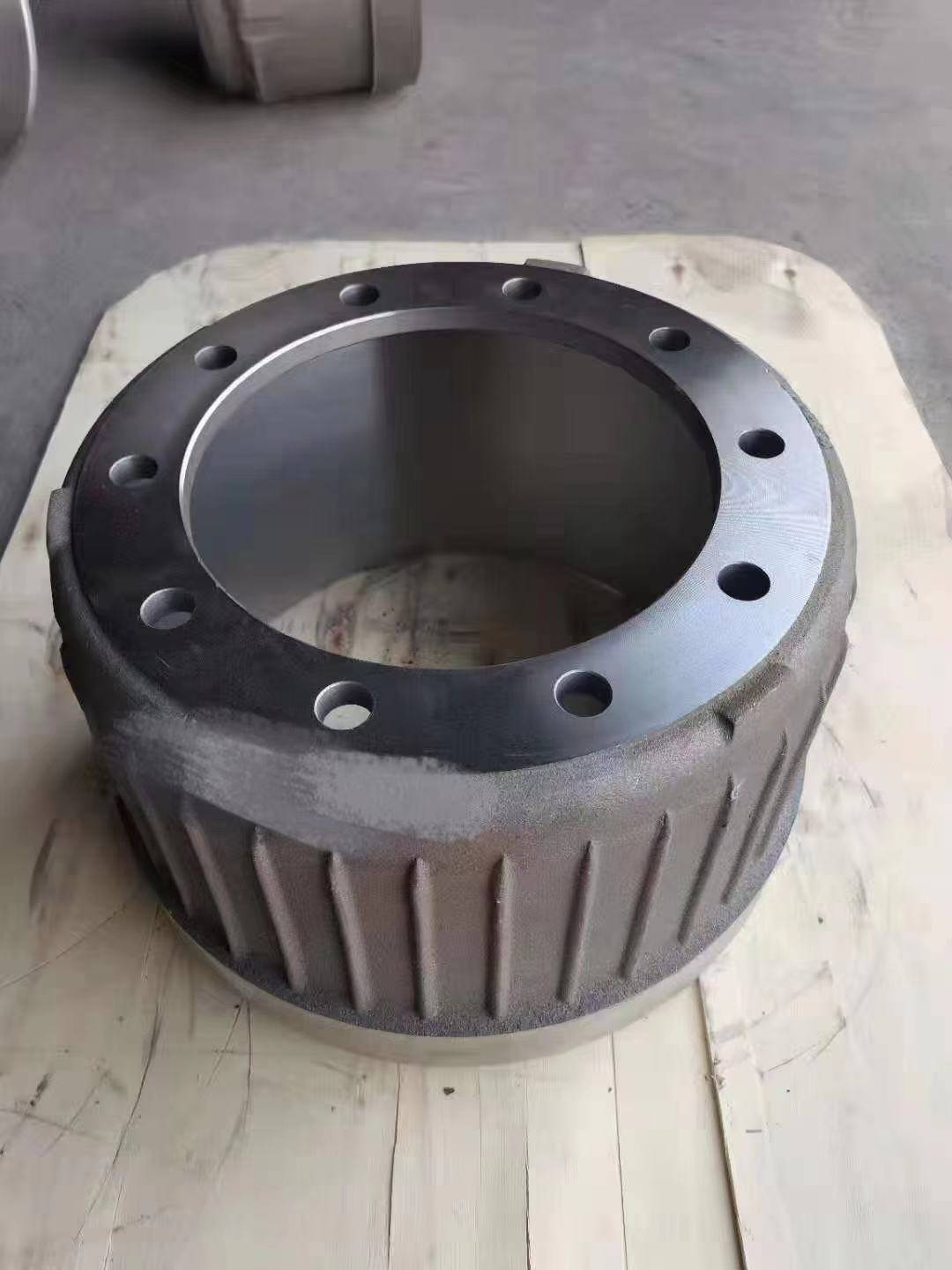
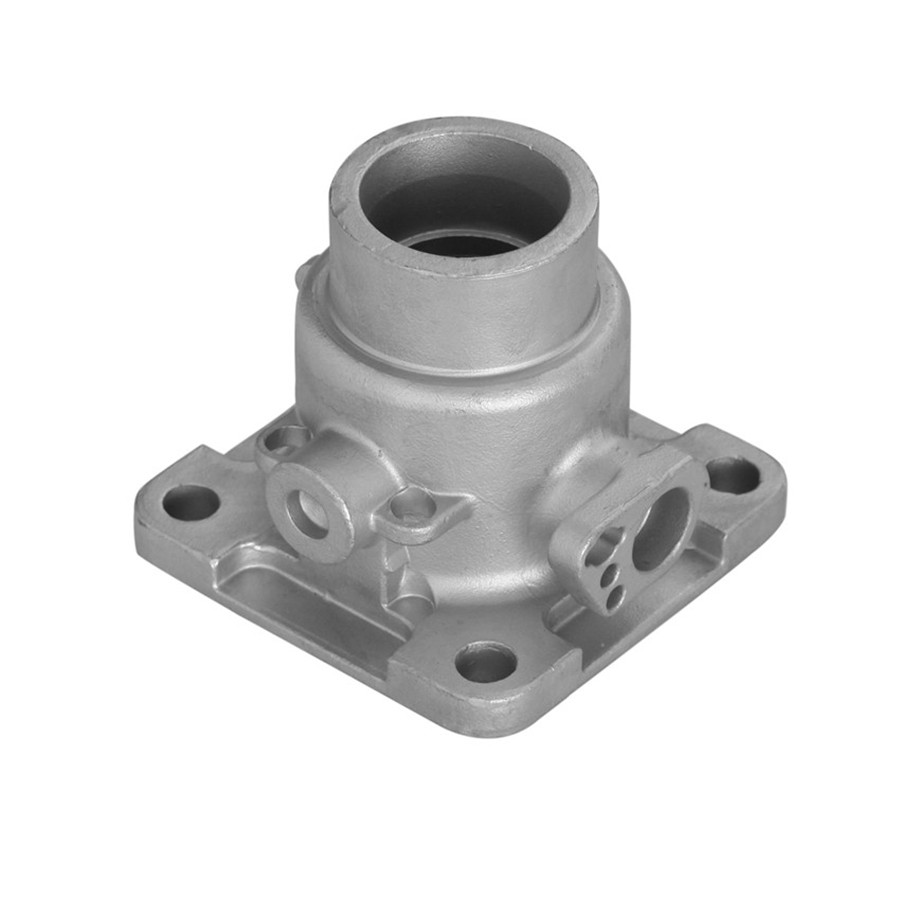
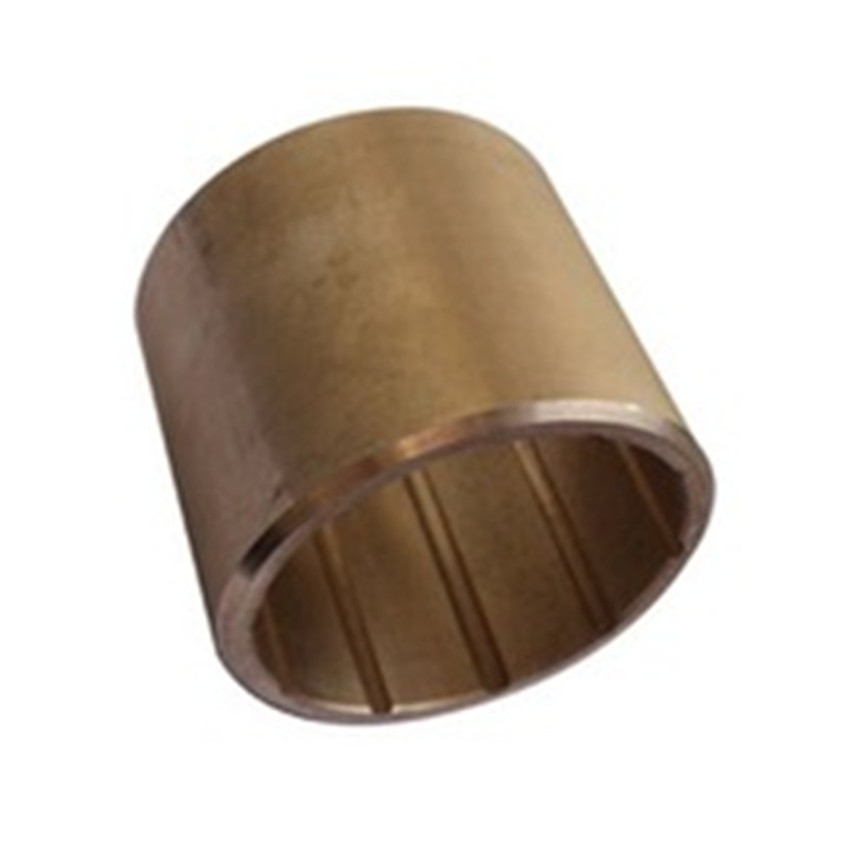
High-Performance nodular cast iron fittings Solutions for Thailand Infrastructure

Providing precision-engineered metal components tailored for the industrial demands and tropical climates of Asia's manufacturing hub.

High-Performance nodular cast iron fittings Solutions for Thailand Infrastructure

Specialized casting and fabrication services delivering durable, corrosion-resistant metal products for Thailand's rapid urban expansion and industrial sectors.

Metal Casting Landscape in Thailand

Analyzing the current state of specialized metal manufacturing in the Thai market.

Thailand's metal casting industry is currently navigating a transition from traditional foundry methods to high-precision engineering. In regions like the Eastern Economic Corridor (EEC), there is a surge in demand for aluminum gravity casting to support the automotive and electronics sectors, where lightweight yet strong components are critical.

The tropical climate of Thailand, characterized by high humidity and salinity in coastal areas, creates significant corrosion challenges. This has led to an increased adoption of enamelled cast iron plate solutions, which provide the necessary protective barrier against aggressive environmental oxidation.

Furthermore, the modernization of municipal water systems in Bangkok and surrounding provinces has placed a premium on high-pressure hydrant pipes. The market is shifting away from standard grey iron toward superior metallurgical compositions to ensure long-term reliability and safety.
Technical Evolution and Development Path

The journey from manual casting to automated precision manufacturing in Thailand.

Market Development History

Between 1990 and 2010, the Thai metal industry relied heavily on sand casting for basic iron casing production, serving primarily the local agricultural machinery market with low-tolerance components.

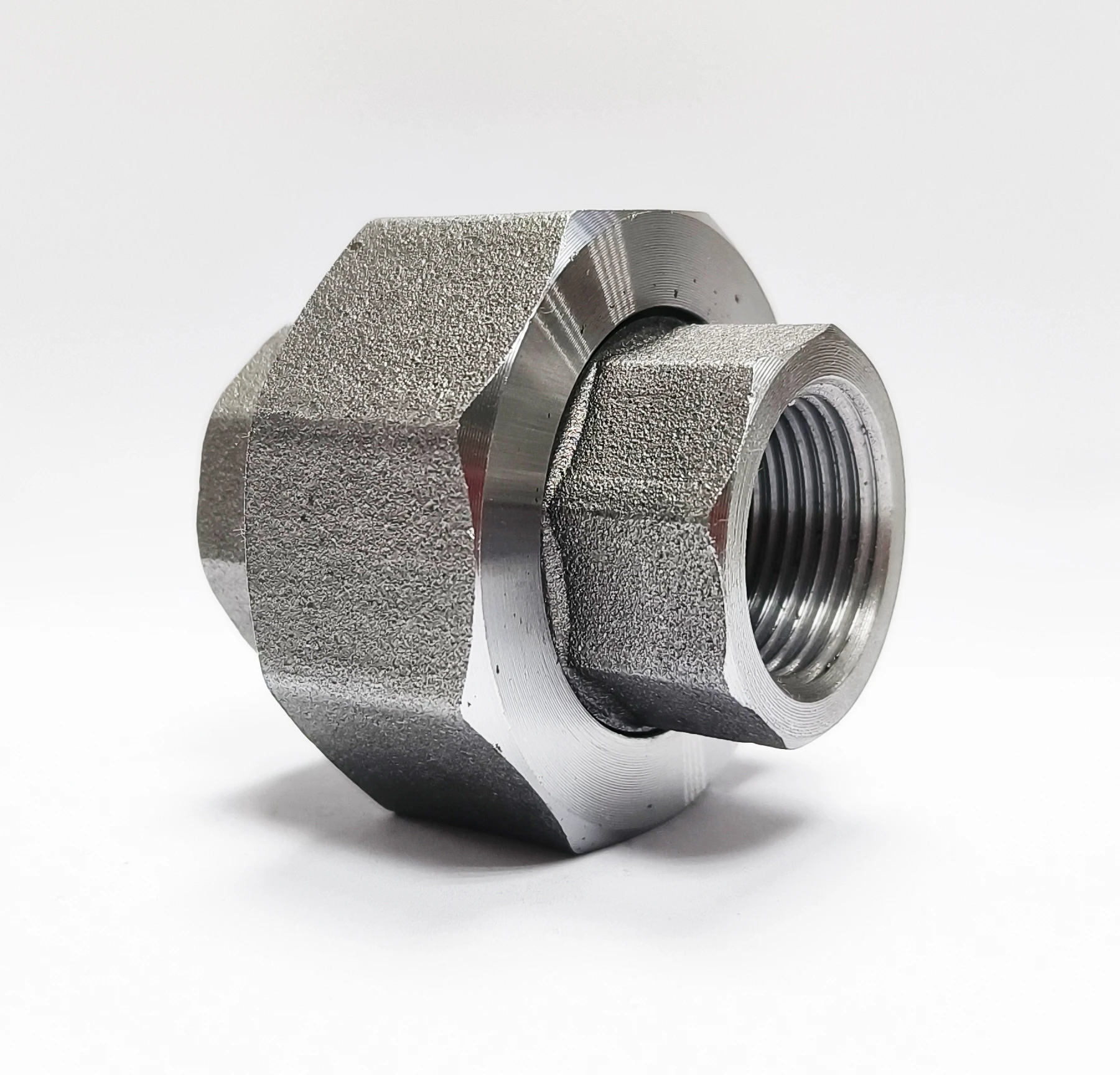
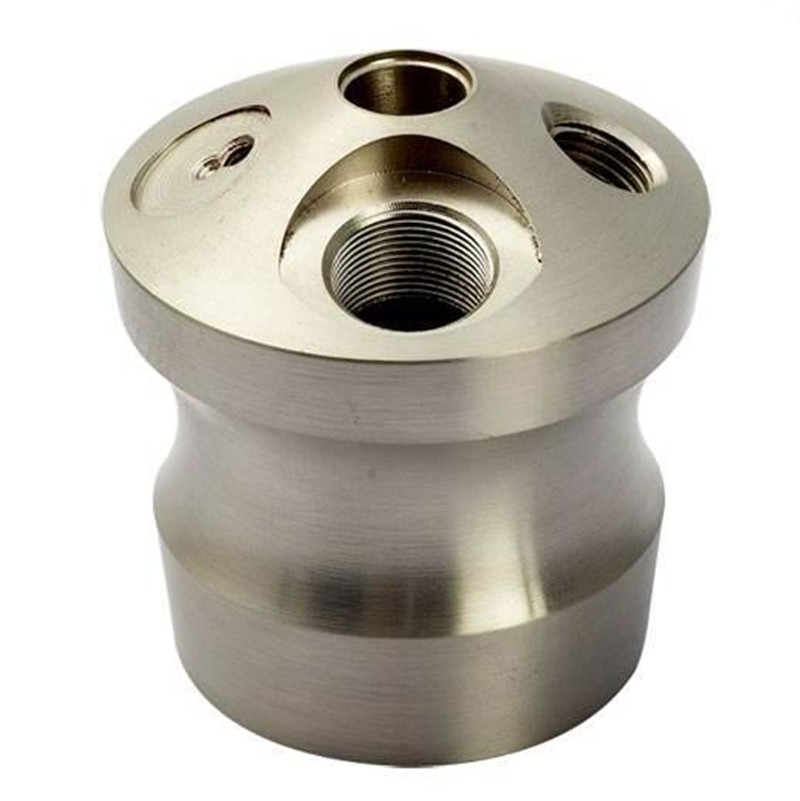
From 2011 to 2020, a technological pivot occurred. The introduction of CNC machining and advanced molding allowed for the production of complex nodular cast iron fittings, meeting international ISO standards and enabling Thai manufacturers to enter the global export supply chain.

In the current era (2021-Present), the focus has shifted toward "Smart Casting." The integration of simulation software and alloy optimization has reduced waste and increased the structural integrity of gravity-cast aluminum parts.

Future Development Trends

Sustainable Alloy Integration

Increased focus on recycled metal streams to meet green building certifications in Bangkok's new skyscrapers.

Digital Twin Manufacturing

Implementing real-time monitoring for casting temperatures to eliminate porosities in critical industrial components.

Anti-Corrosive Coating Evolution

Development of nano-ceramic coatings to replace traditional enameling for extreme humidity environments.

Industry Trends and Future Outlook

Strategic forecasting for the next 3-5 years of metal fabrication in Asia.

Automation Integration
Transitioning to robotic pouring and finishing to increase consistency in mass production.
Material Lightweighting
Replacing heavy iron casings with advanced aluminum alloys to reduce logistics costs.
Smart Infrastructure
Integrating IoT sensors within metal fittings for structural health monitoring.
Eco-Friendly Casting
Adopting low-emission melting furnaces to align with Thailand's Carbon Neutrality 2050 goal.

Industry Outlook

Google search trends indicate a rising interest in "precision metal casting Thailand," reflecting a market shift toward high-value, low-volume specialized components over commodity products.

We expect a significant increase in demand for ductile iron components that can withstand seismic activity and soil subsidence, which are prevalent in the central plains of Thailand.

Localized Application Scenarios in Thailand

Real-world implementations of specialized metal products across Thai industries.

01. Bangkok Municipal Water Grid

Installation of high-durability hydrant pipes designed to resist the corrosive urban soil of the capital city, ensuring fire safety reliability.

02. EEC Automotive Parts Hub

Utilizing aluminum gravity casting for engine mounts and transmission housings in the Chonburi industrial cluster.

03. Coastal Chemical Processing Plants

Implementation of enamelled cast iron plate for reaction vessel linings to prevent saltwater-induced corrosion in Rayong's industrial zones.

04. Heavy Machinery for Rice Milling

Custom-engineered iron casing for industrial centrifuges used in Thailand's large-scale agriculture processing plants.

05. Industrial Piping Systems

Deployment of nodular cast iron fittings for high-pressure steam lines in food and beverage factories across Central Thailand.

Brand Story

Global Development Journey of Hebei Mingda International Trade Co., Ltd.

Foundational Excellence

Established with a focus on solving the inherent instability of traditional iron casting for industrial applications.

Technological Breakthrough

Mastered the precision of nodular iron and aluminum gravity casting to serve global automotive markets.

Asian Market Expansion

Strategically entered the Thailand market to provide high-performance metal solutions for Southeast Asian infrastructure.

Quality Certification

Achieved global quality standards, ensuring every component meets rigorous pressure and corrosion tests.

Future Vision

Committing to sustainable manufacturing and smart materials to lead the next generation of metal fabrication.

Complete Product Portfolio for the Thai Market

Comprehensive metal solutions ranging from heavy-duty fittings to precision cast components.

Common Questions for Thailand Industrial Metal Procurement

Expert answers to the most frequent technical and logistical queries from our Thai clients.

How do your nodular cast iron fittings perform in high-humidity coastal areas?

Our fittings are treated with advanced anti-corrosive coatings and optimized alloy compositions specifically to resist the high salinity and humidity typical of coastal Thailand.

What is the advantage of aluminum gravity casting for automotive parts in Thailand?

It offers a superior strength-to-weight ratio and excellent thermal conductivity, which is critical for the fuel efficiency standards required by the Thai automotive industry.

Can your enamelled cast iron plate withstand chemical erosion in industrial plants?

Yes, the glass-fused enamel layer provides an inert surface that is highly resistant to both acids and alkalis, making it ideal for Thailand's chemical processing sector.

What certifications do your hydrant pipes meet for municipal safety?

Our pipes adhere to international pressure ratings and material standards, ensuring they meet the strict safety requirements of Bangkok's urban planning authorities.

Is it possible to get custom iron casing designs for specific machinery?

Absolutely. We provide full OEM services from CAD design to final casting, ensuring the casing fits your specific industrial machinery tolerances perfectly.

What are the lead times for shipping heavy metal components to Thailand?

Depending on the order volume, lead times typically range from 15 to 45 days, with optimized logistics routes to major ports like Laem Chabang.

Request a Technical Consultation

Our engineers are ready to help you optimize your metal procurement strategy in Thailand. Contact us today for a customized quote.

Contact Us Now

If you are interested in our products, you can choose to leave your information here, and we will be in touch with you shortly.