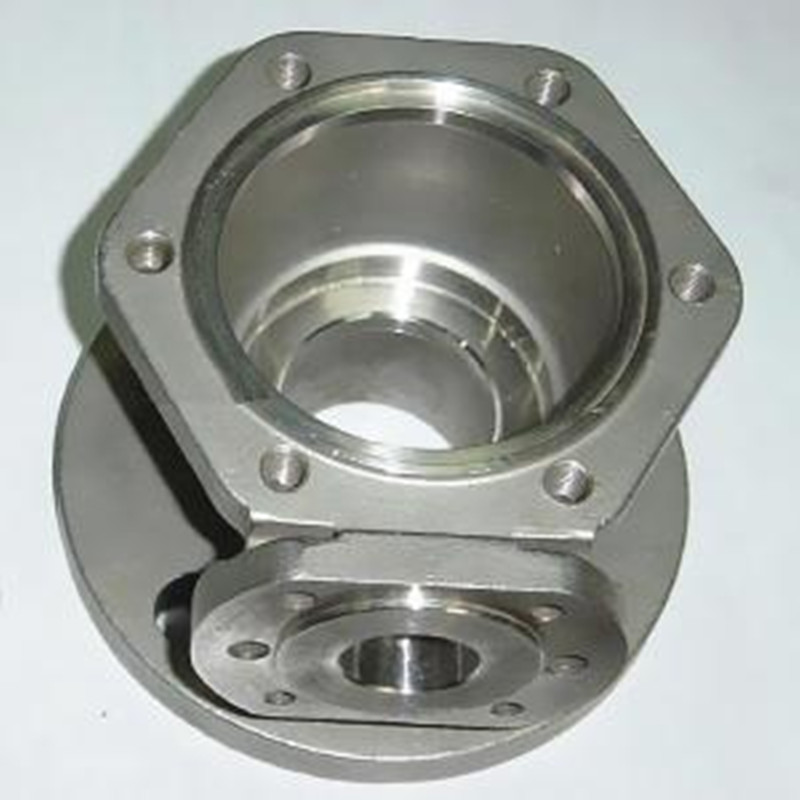
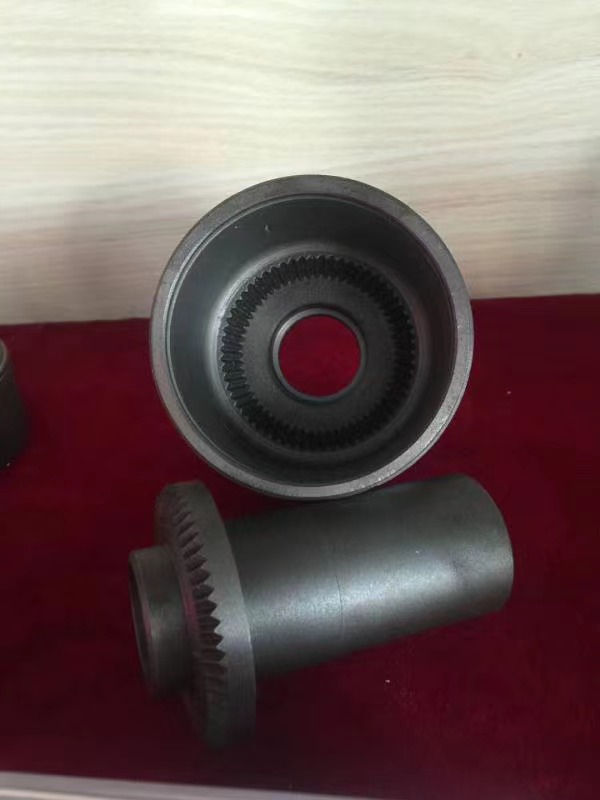
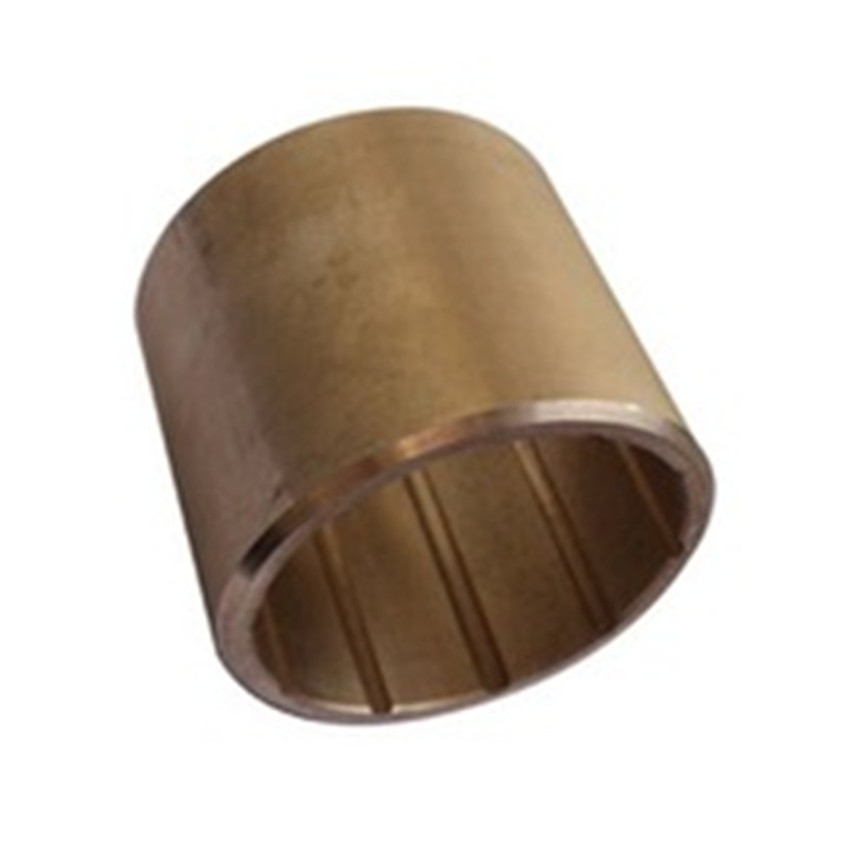
South Sudan's metal products industry is currently characterized by a high reliance on imported structural components. The regional climate, marked by extreme seasonal flooding and high temperatures, accelerates the oxidation of standard metals, creating an urgent demand for specialized iron casing that can withstand volatile soil conditions.
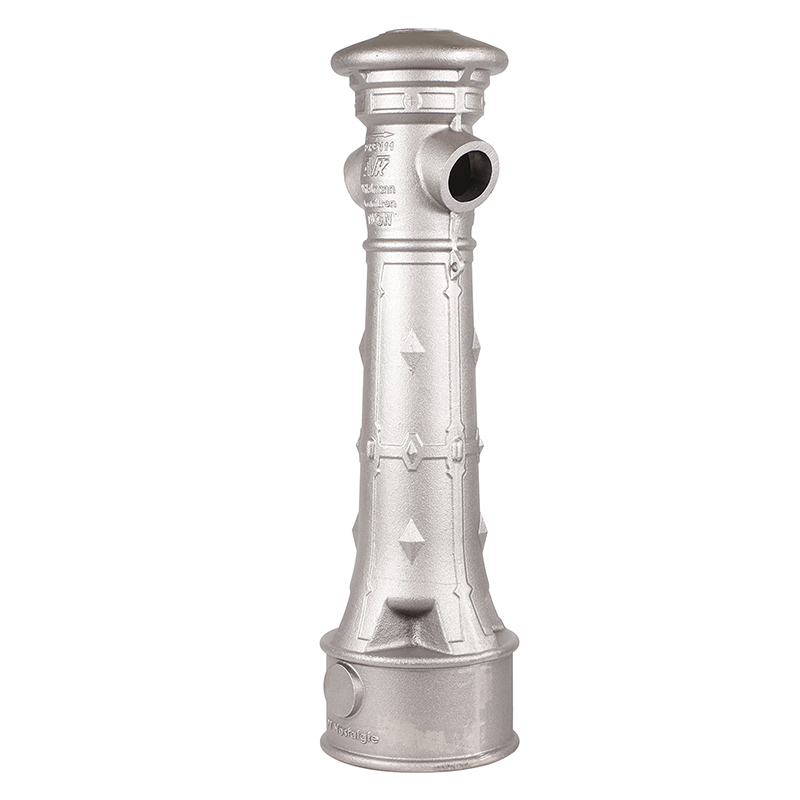
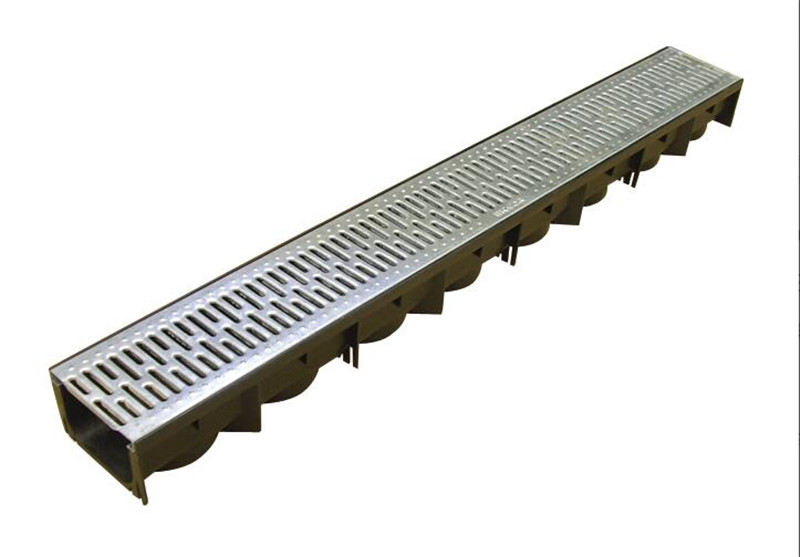
Due to the ongoing reconstruction of urban infrastructure in Juba and other key cities, there is a critical shortage of high-grade hydrant pipes and water management systems. The current market is transitioning from basic improvised castings to standardized industrial components to support sustainable urban growth.
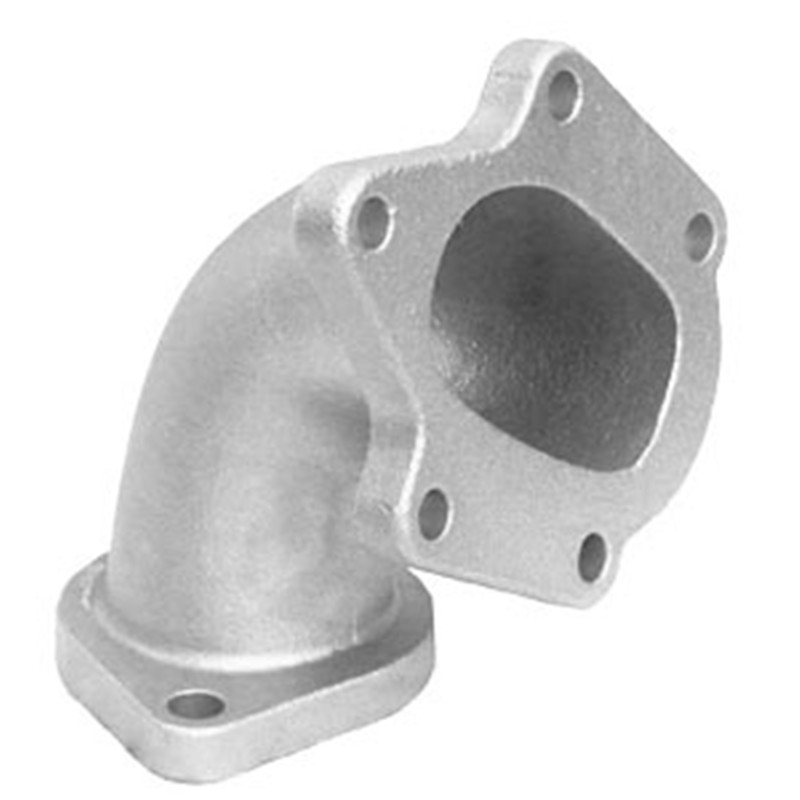
Furthermore, the lack of local high-precision foundries means that complex parts requiring aluminum gravity casting are typically sourced internationally, highlighting a gap in the supply chain for lightweight, heat-dissipating industrial components essential for the energy sector.