High-Performance nodular cast iron fittings Solutions for Russia

Engineered for extreme climates and heavy industrial loads across the Eurasian landscape, delivering unparalleled durability and precision.

High-Performance nodular cast iron fittings Solutions for Russia

Providing specialized metal casting solutions that withstand the rigorous environmental demands of the Russian Federation, from Siberian frost to Ural industrial hubs.

Industrial Casting Landscape in Russia

Analyzing the intersection of extreme climate and heavy metallurgy requirements.

Russia's metal products industry faces a unique challenge: the extreme temperature variance. The demand for a robust iron casing is critical for machinery operating in temperatures ranging from -50°C to +40°C, where material brittleness can lead to catastrophic failure.

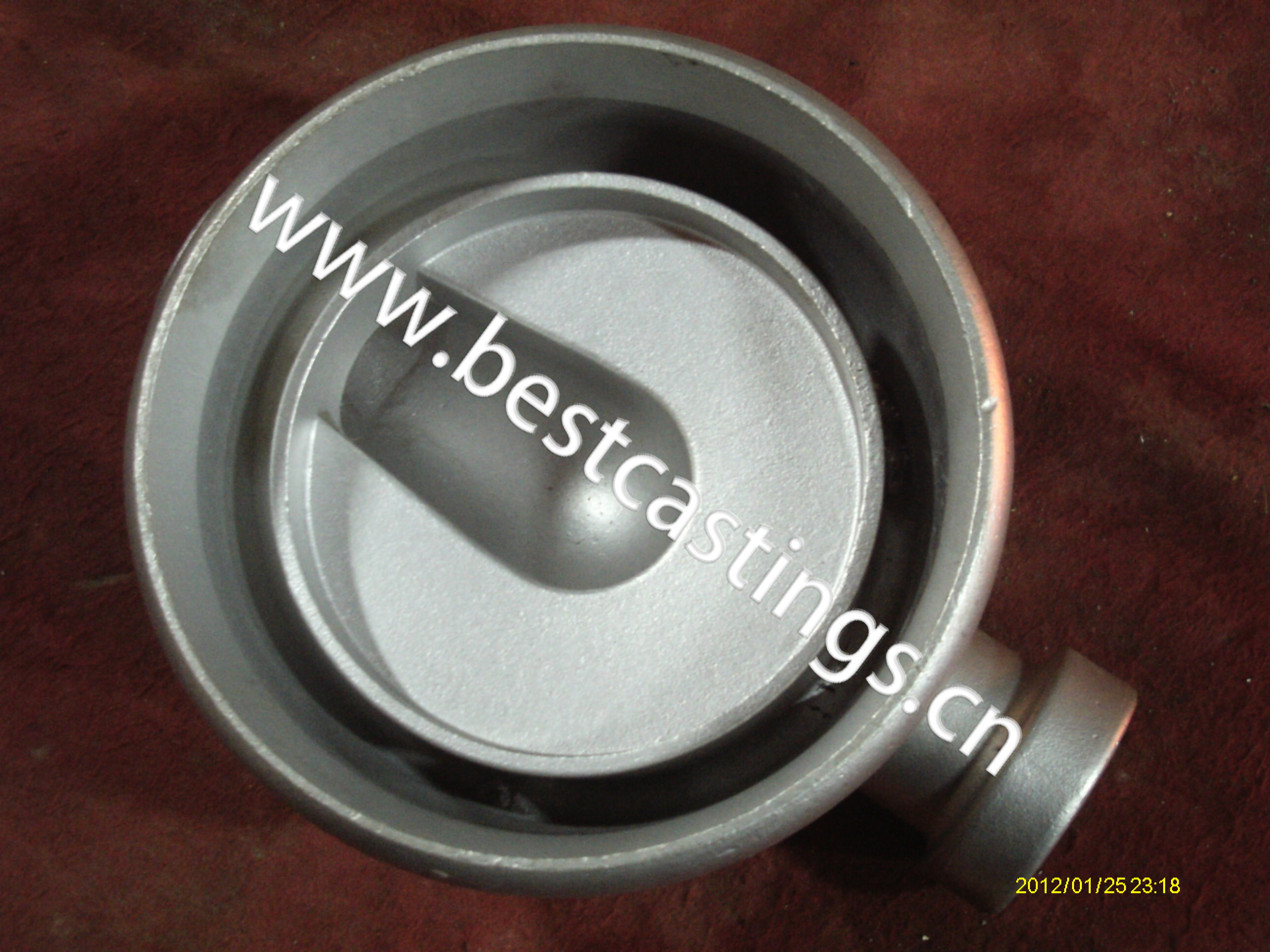
In the urban infrastructure sector, particularly in cities like Moscow and Saint Petersburg, the deployment of hydrant pipes requires high corrosion resistance and the ability to withstand soil heave during freeze-thaw cycles, necessitating advanced metallurgical compositions.

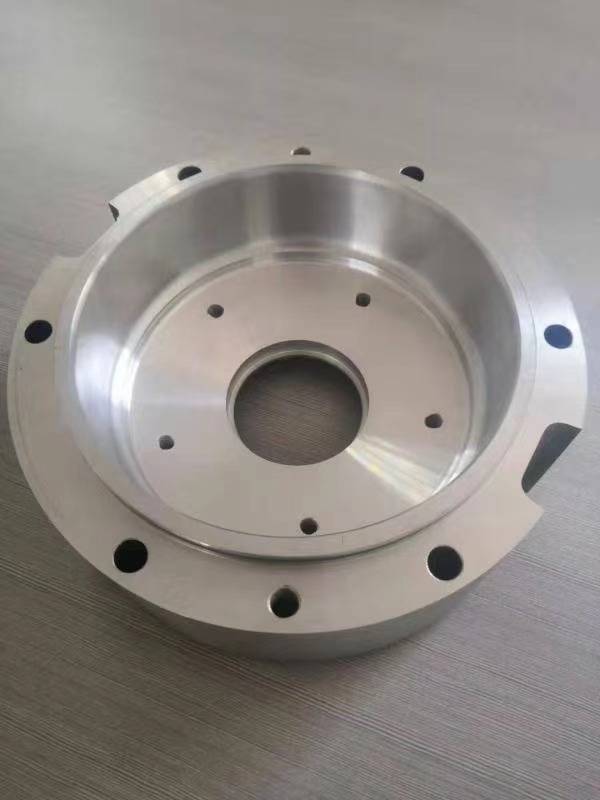
Furthermore, the Russian automotive and aerospace sectors in the Volga region are increasingly shifting toward aluminum gravity casting to reduce vehicle weight while maintaining the structural integrity needed for rugged terrain navigation.
Technical Evolution of Metal Fabrication

From Soviet-era heavy casting to modern precision engineering.

Market Development History

During the mid-20th century, the Russian market relied heavily on oversized grey iron castings. These provided bulk strength but lacked the flexibility and corrosion resistance required for modern chemical and energy plants.

By the 1990s and early 2000s, there was a transition toward the adoption of enamelled cast iron plate technology, which allowed for superior surface protection in harsh industrial environments, reducing maintenance costs for large-scale boilers.

Currently, the industry has entered the era of precision metallurgy, where computer-aided design (CAD) and advanced simulation are used to optimize the flow of molten metal, ensuring zero-defect components for the oil and gas sector.

Future Development Trends

Digital Twin Integration

Integration of digital twins in the casting process to predict thermal stress and deformation before the physical mold is created.

Eco-Friendly Alloy Sourcing

A shift toward recycled aluminum and iron sources to comply with tightening Eurasian environmental regulations and reduce carbon footprints.

Nano-Coating Enhancements

The evolution of surface treatments beyond traditional enameling to include nano-ceramic coatings for extreme chemical resistance.

Strategic Trends & Future Outlook

Mapping the trajectory of metal fabrication technology for 2025-2030.

Thermal Resistance Optimization
Developing alloys specifically calibrated for the -60°C thresholds found in Northern Russian regions.
Lightweighting Strategy
Expanding aluminum gravity casting applications to improve fuel efficiency in Russian heavy logistics.
Smart Casting Monitoring
Integrating IoT sensors into molds to monitor cooling rates in real-time for zero-defect output.
Automated Logistics Integration
Optimizing supply chains between Asian manufacturing hubs and Russian industrial centers.

Industry Outlook

Google search trends indicate a growing interest in "high-tensile ductile iron" and "corrosion-resistant casting" within the Russian industrial sector. This suggests a market shift away from basic grey iron toward high-performance materials that offer longer lifespans in saline or acidic environments.

Over the next 3-5 years, we expect a surge in demand for hybridized metal components that combine the lightness of aluminum with the strength of nodular iron, specifically for the evolving Russian energy infrastructure projects in the Arctic.

Localized Application Scenarios in Russia

Real-world implementation of metal products across diverse Russian sectors.

1. Siberian Oil Pipeline Infrastructure

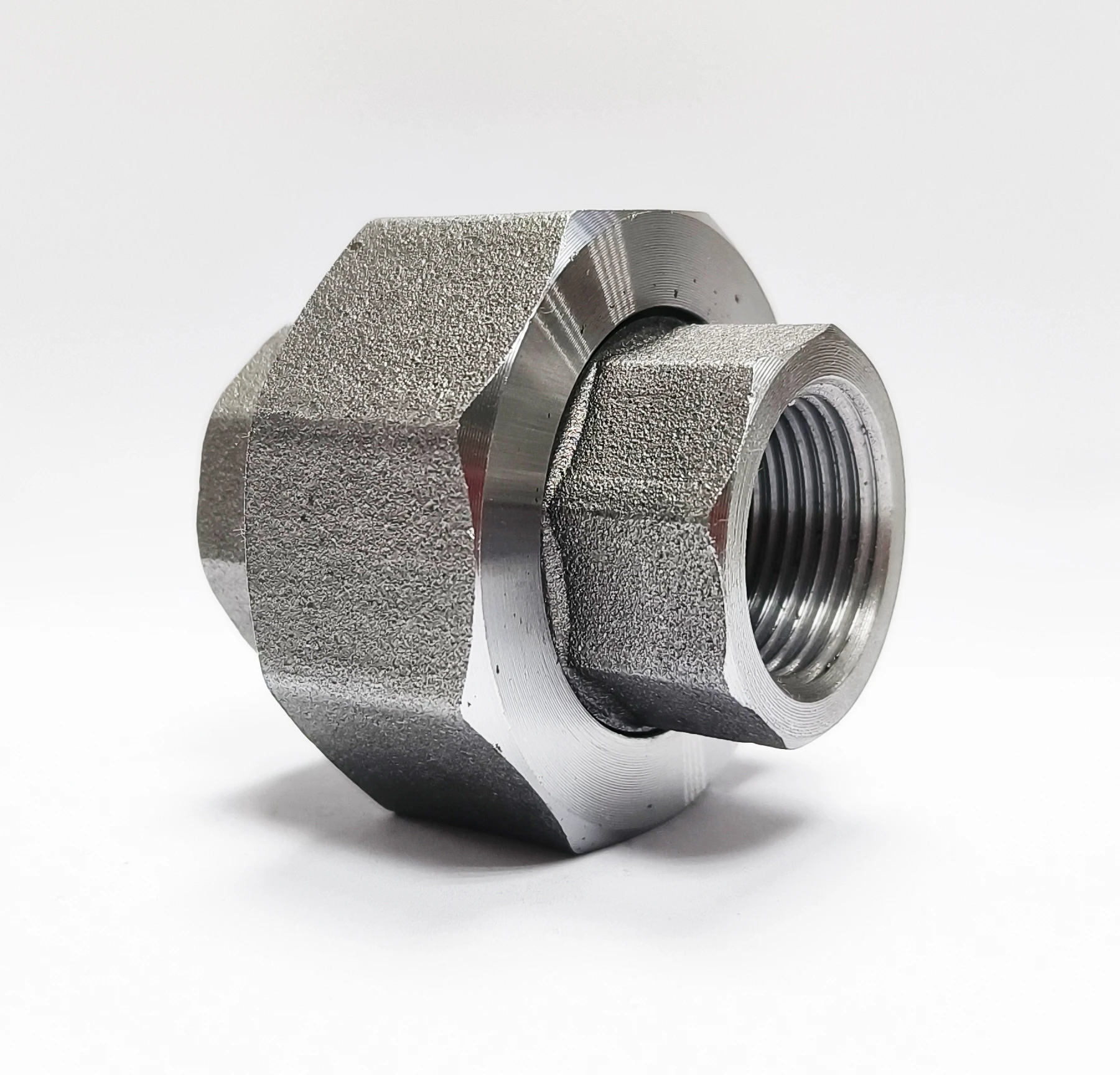
Implementation of reinforced nodular cast iron fittings to ensure leak-proof connections in permafrost regions where ground movement is constant.

2. Ural Heavy Machinery Housing

Utilization of high-density iron casing for industrial turbines and compressors used in the mining sector of the Ural mountains.

3. Moscow Municipal Water Systems

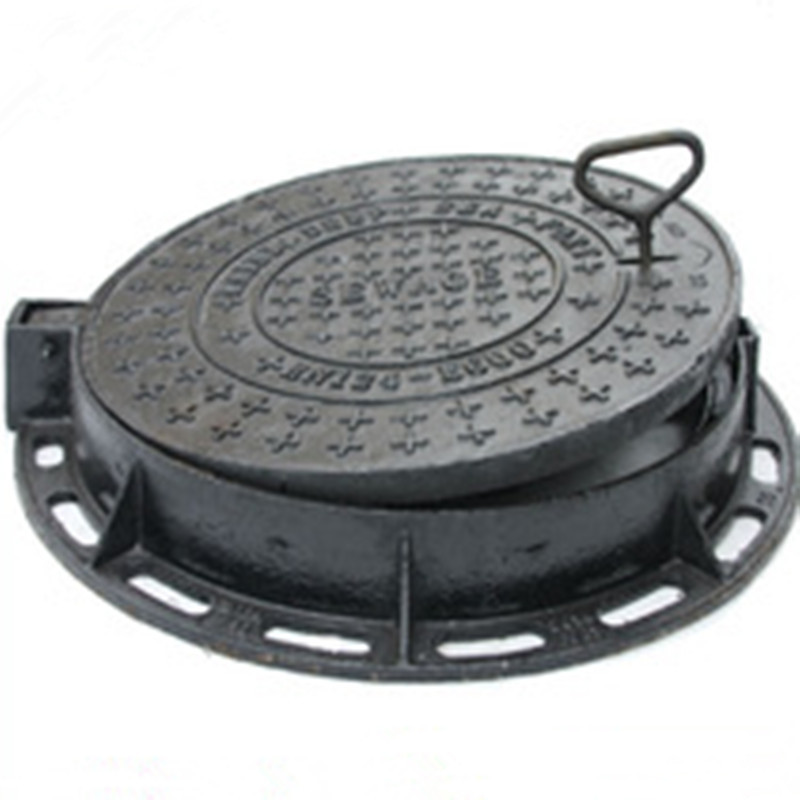
Deployment of weather-resistant hydrant pipes designed to prevent bursting during the extreme winter freeze cycles of the capital.

4. Aerospace Component Prototyping

Using aluminum gravity casting for lightweight engine brackets and fuselage mounts in Russian aerospace development centers.

5. Chemical Plant Lining Systems

Installing enamelled cast iron plate in corrosive chemical tanks to prevent acid penetration and extend equipment life in the industrial hubs of Tatarstan.

Brand Story

Global Development History of Hebei Mingda International Trade Co., Ltd.

Foundational Excellence

Established with a commitment to metallurgical precision, focusing on solving the durability issues of traditional iron castings for global markets.

Technological Breakthrough

Perfected the nodularization process, allowing us to provide fittings that combine the strength of steel with the castability of iron.

Eurasian Expansion

Strategically expanded into the Russian market, adapting our products to meet GOST standards and extreme climate requirements.

Diversification of Materials

Integrated advanced aluminum gravity casting into our portfolio to serve the automotive and aerospace industries.

Global Leadership Vision

Now leading the way in sustainable metal fabrication, ensuring high-performance solutions for the world's most challenging environments.

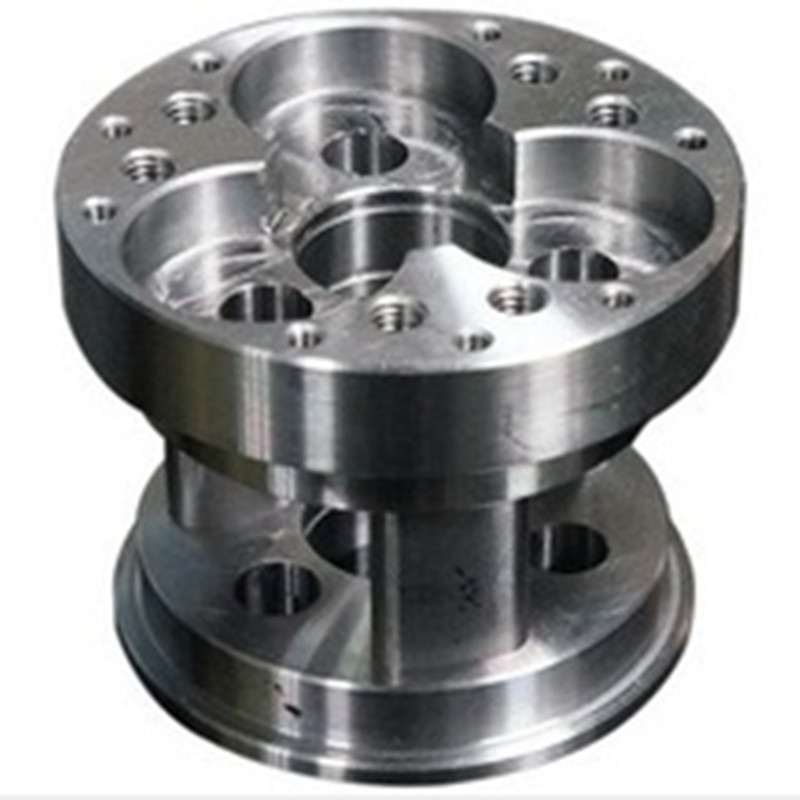
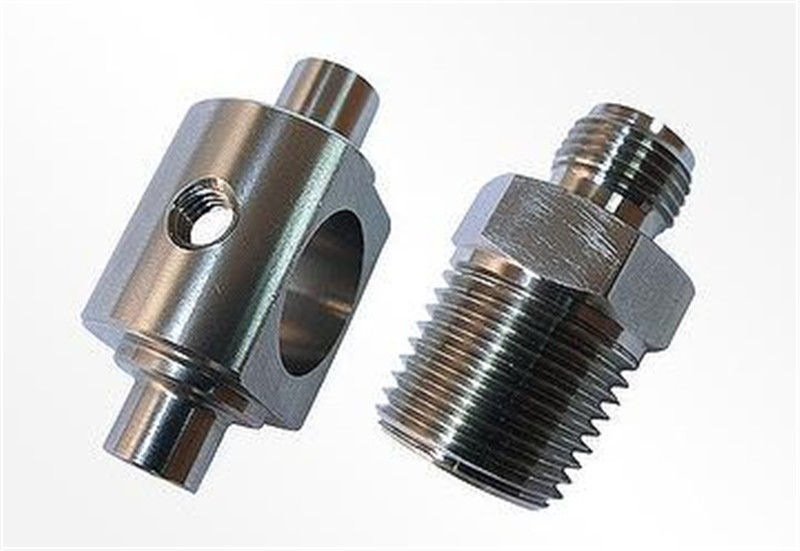
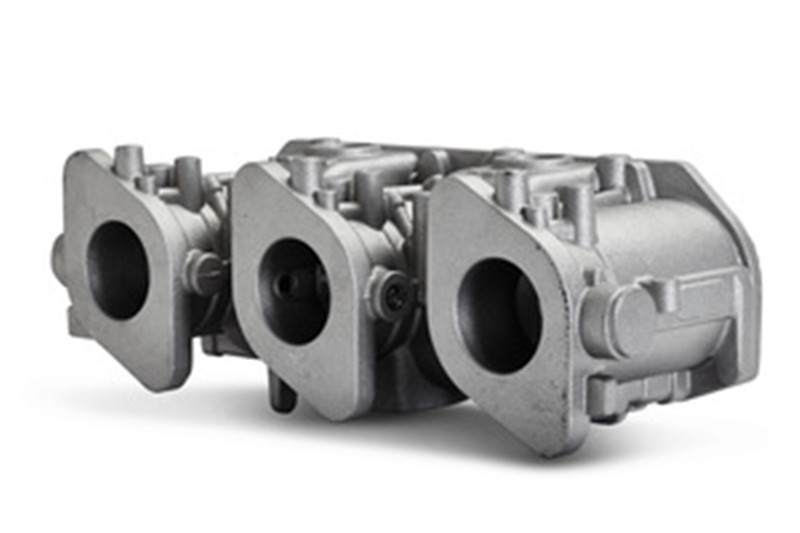
Comprehensive Metal Casting Portfolio for Russia

A full suite of industrial components engineered for the Eurasian market.

Frequently Asked Questions - Russian Market

Technical clarifications for our specialized metal products.

How do your nodular cast iron fittings perform in Siberian temperatures?

Our fittings are engineered with specific alloying elements that lower the ductile-to-brittle transition temperature, ensuring they remain resilient even at -60°C.

What is the lifespan of enamelled cast iron plate in chemical environments?

Our high-fusion enameling process creates a glass-like barrier that is virtually impervious to most acids, typically extending equipment life by 15-20 years compared to uncoated iron.

Does your aluminum gravity casting meet aerospace precision standards?

Yes, we utilize precision mold heating and vacuum-assisted pouring to ensure internal porosity is minimized, meeting strict tolerances for aerospace components.

Are the hydrant pipes compliant with Russian GOST safety regulations?

Our products are designed to meet or exceed GOST standards for pressure resistance and corrosion protection in municipal water networks.

How is the iron casing protected against deep-soil corrosion in Russia?

We offer a combination of electrolytic coating and specialized epoxy finishes that protect the casing from the highly mineralized soils common in the Ural region.

Can you provide customized alloy compositions for specific industrial needs?

Absolutely. Our engineering team can adjust carbon, silicon, and magnesium levels to optimize the hardness or ductility of the cast iron based on your technical specifications.

Request a Technical Consultation

Our experts are ready to help you solve the most complex metallurgical challenges across Russia.

Contact Us Now

If you are interested in our products, you can choose to leave your information here, and we will be in touch with you shortly.