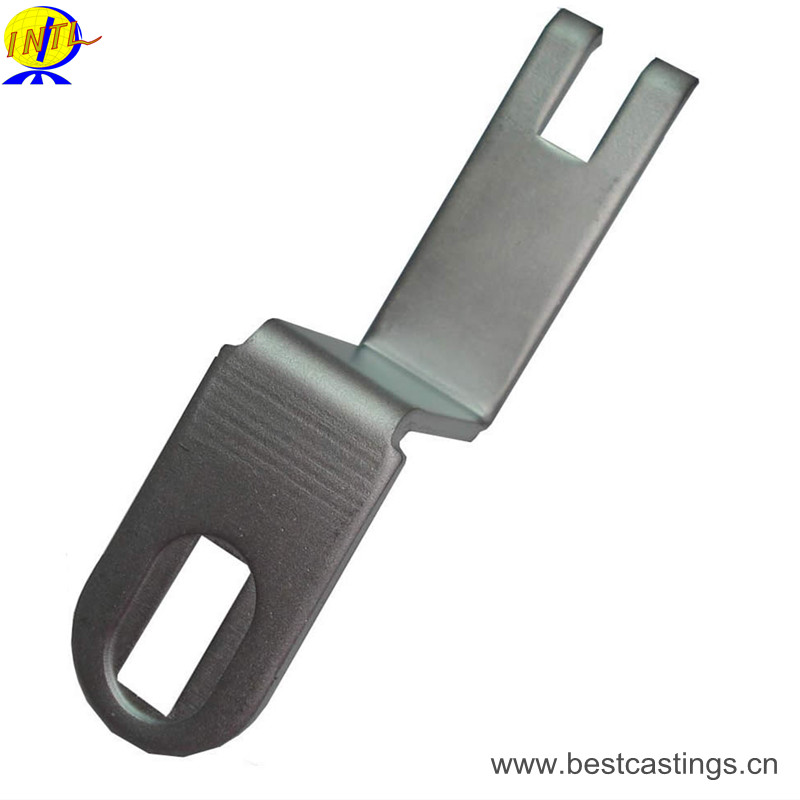
In Libya, the metal products industry is heavily influenced by the oil and gas sector and the need for water management systems. The arid climate and saline coastal air necessitate high-grade corrosion resistance, making the demand for enamelled cast iron plate critical for protecting structural components from rapid degradation.
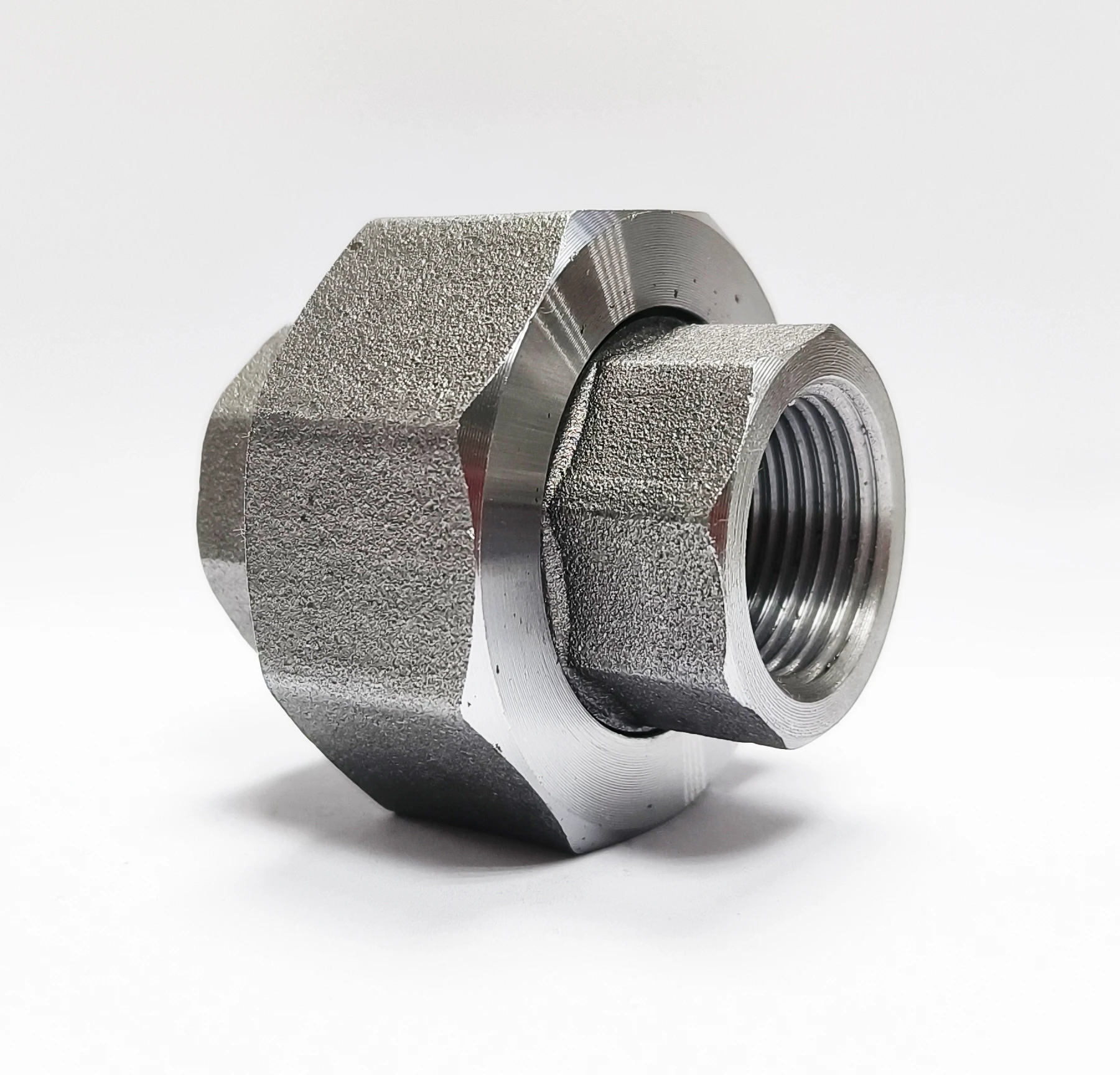
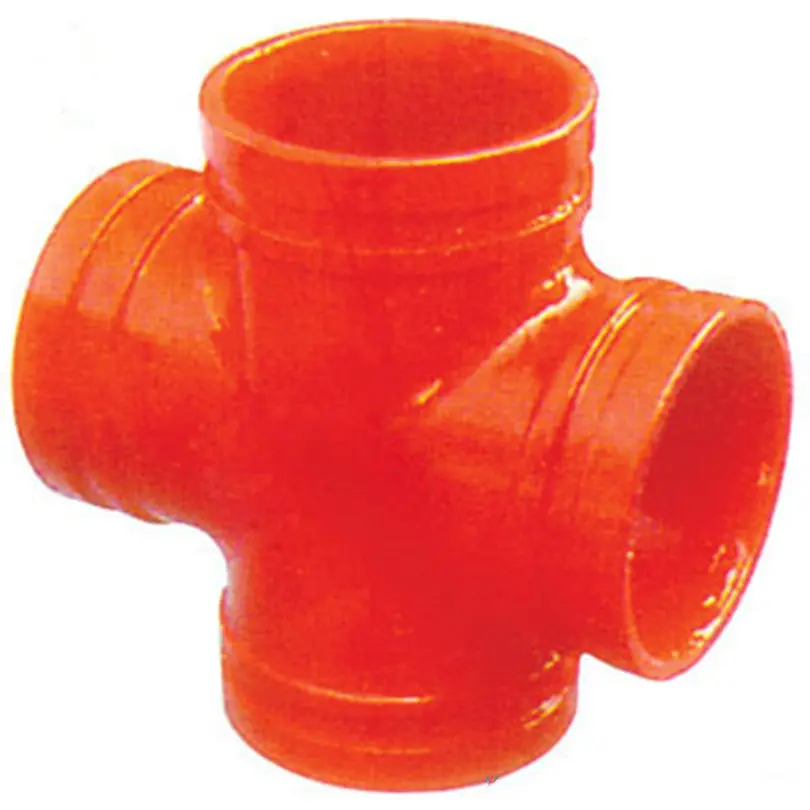
Logistical challenges and the reconstruction of urban centers have increased the reliance on imported high-precision components. The local market is currently shifting from basic gray iron to more durable materials, where nodular cast iron fittings are becoming the standard for high-pressure piping systems in Tripoli and Benghazi.
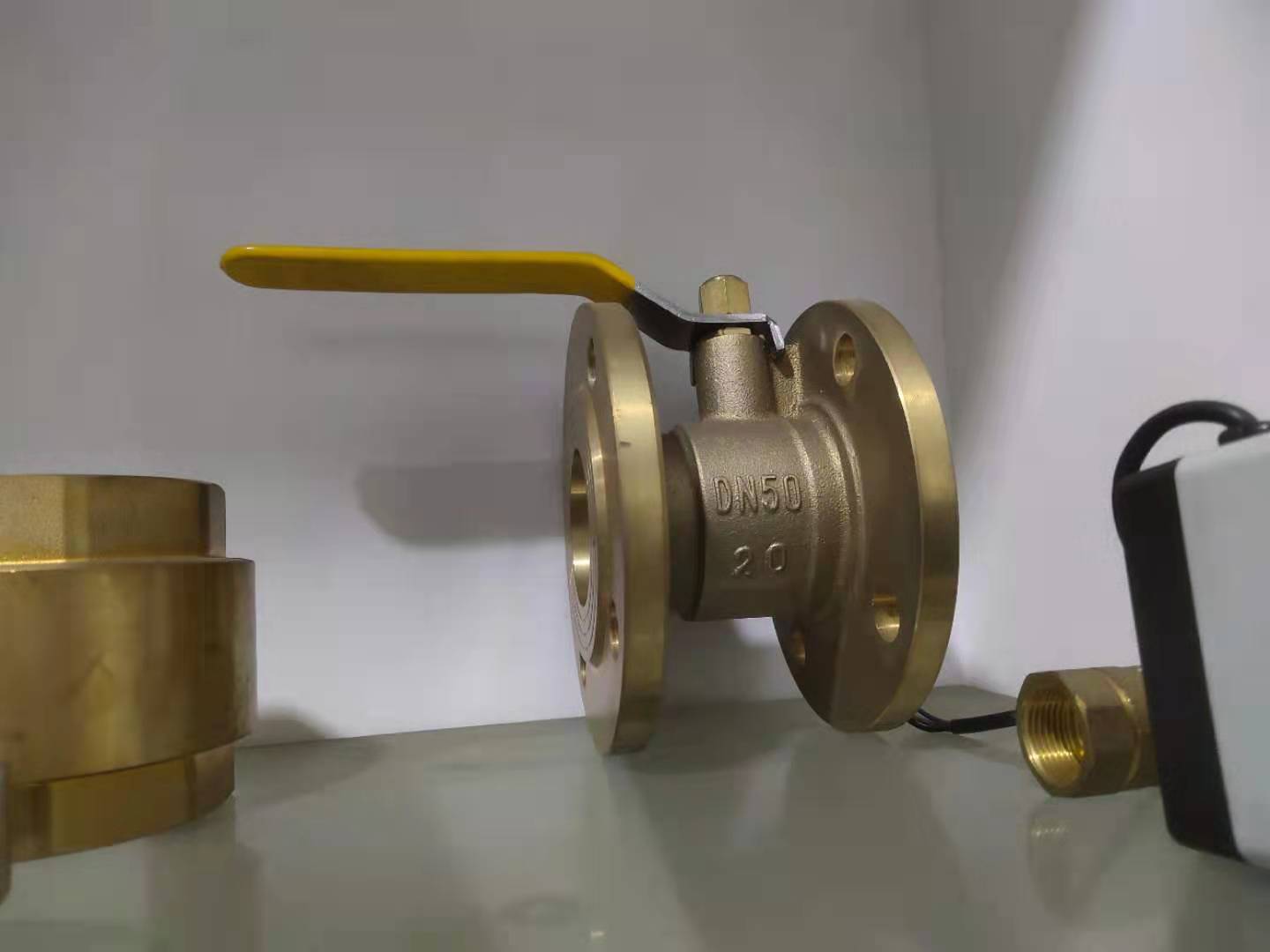
Furthermore, the integration of hydrant pipes in new municipal developments highlights a growing focus on safety and fire protection infrastructure, requiring castings that can withstand extreme thermal expansion caused by the desert heat.