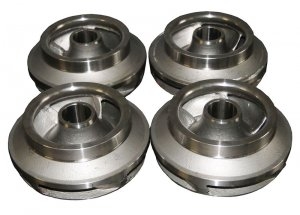
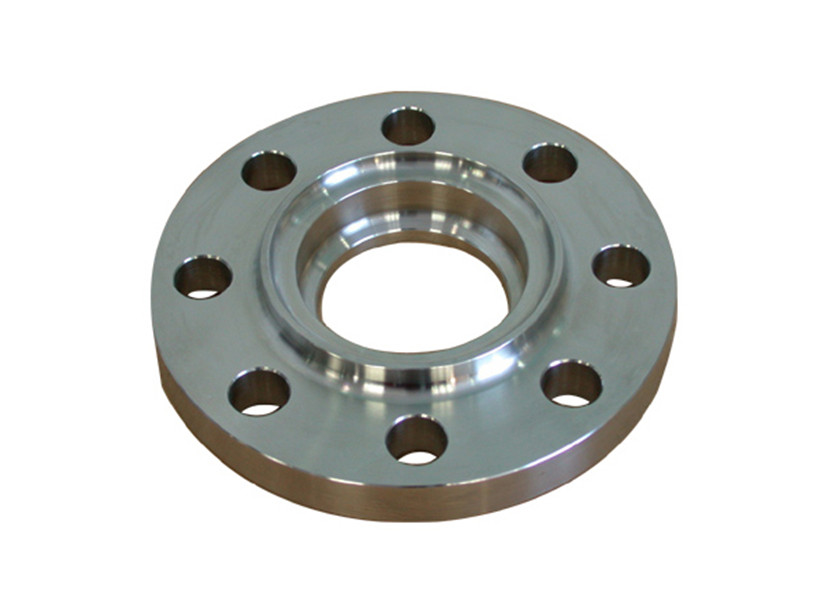
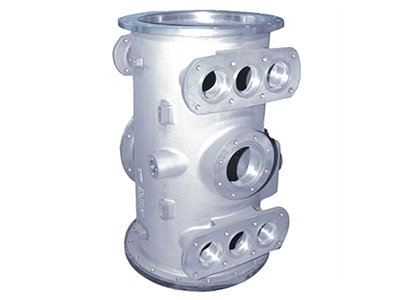
High-Performance nodular cast iron fittings Solutions for Laos Infrastructure

Providing precision-engineered metal components to support the industrial expansion and urban development across the Lao People's Democratic Republic.

High-Performance nodular cast iron fittings Solutions for Laos Infrastructure

Specializing in heavy-duty metal fabrication and precision casting to meet the rigorous demands of Laos' growing industrial and agricultural sectors.

Current Landscape of Metal Casting in Asia - Laos

Analyzing the integration of advanced metallurgy in the Mekong region.

The industrial landscape in Laos is currently undergoing a transition from basic manual workshops to semi-automated production lines. With the rise of hydropower projects and mining operations, there is an increasing demand for durable iron casing that can withstand high humidity and corrosive environments typical of the tropical Southeast Asian climate.

Local infrastructure development, particularly in Vientiane and Luang Prabang, has highlighted a shortage of high-precision components. The reliance on imported hydrant pipes for fire safety systems indicates a gap in local manufacturing capabilities for specialized safety hardware.

Furthermore, the agricultural processing sector is seeking more efficient heat exchange and surface protection solutions. The adoption of enamelled cast iron plate is becoming crucial for food-grade machinery to prevent rust and ensure hygiene in local processing plants.
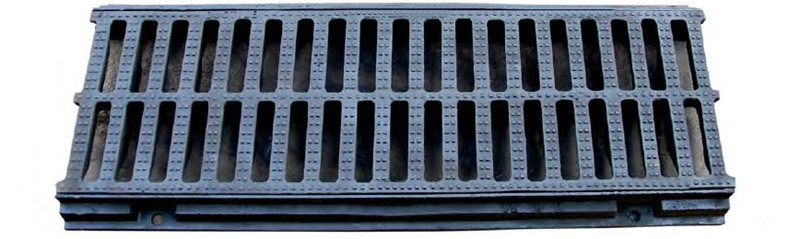
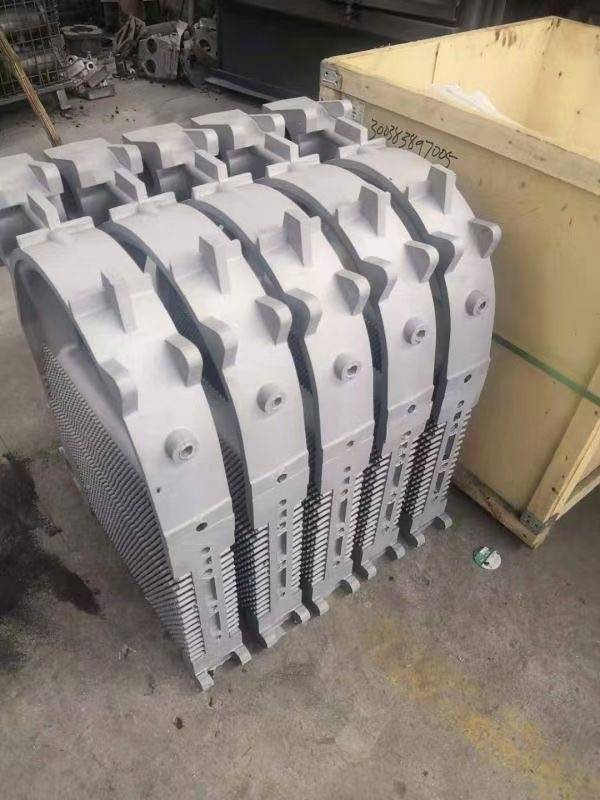
Evolution and Technical Trajectory of Metal Fabrication

From traditional sand casting to precision gravity-fed systems.

Market Development History

During the early 2000s, the Lao metal sector relied heavily on traditional grey iron casting, which lacked the tensile strength required for modern hydraulic systems. Most components were oversized and heavy to compensate for material weakness.

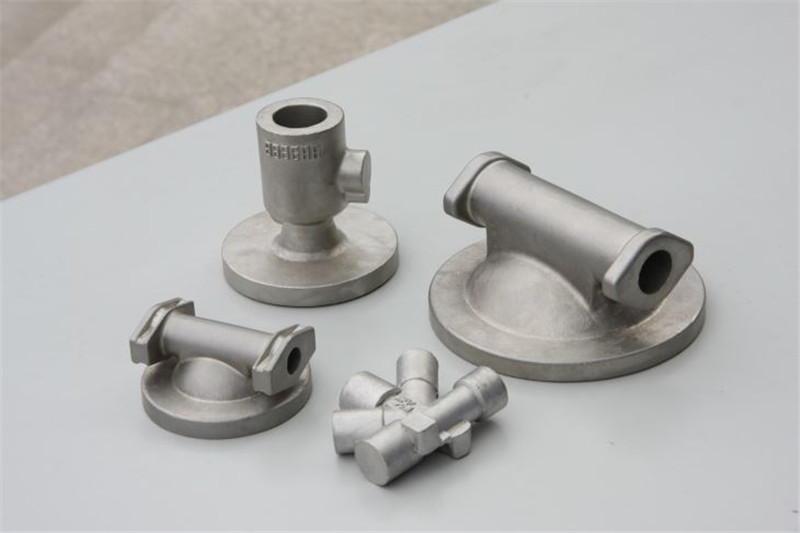
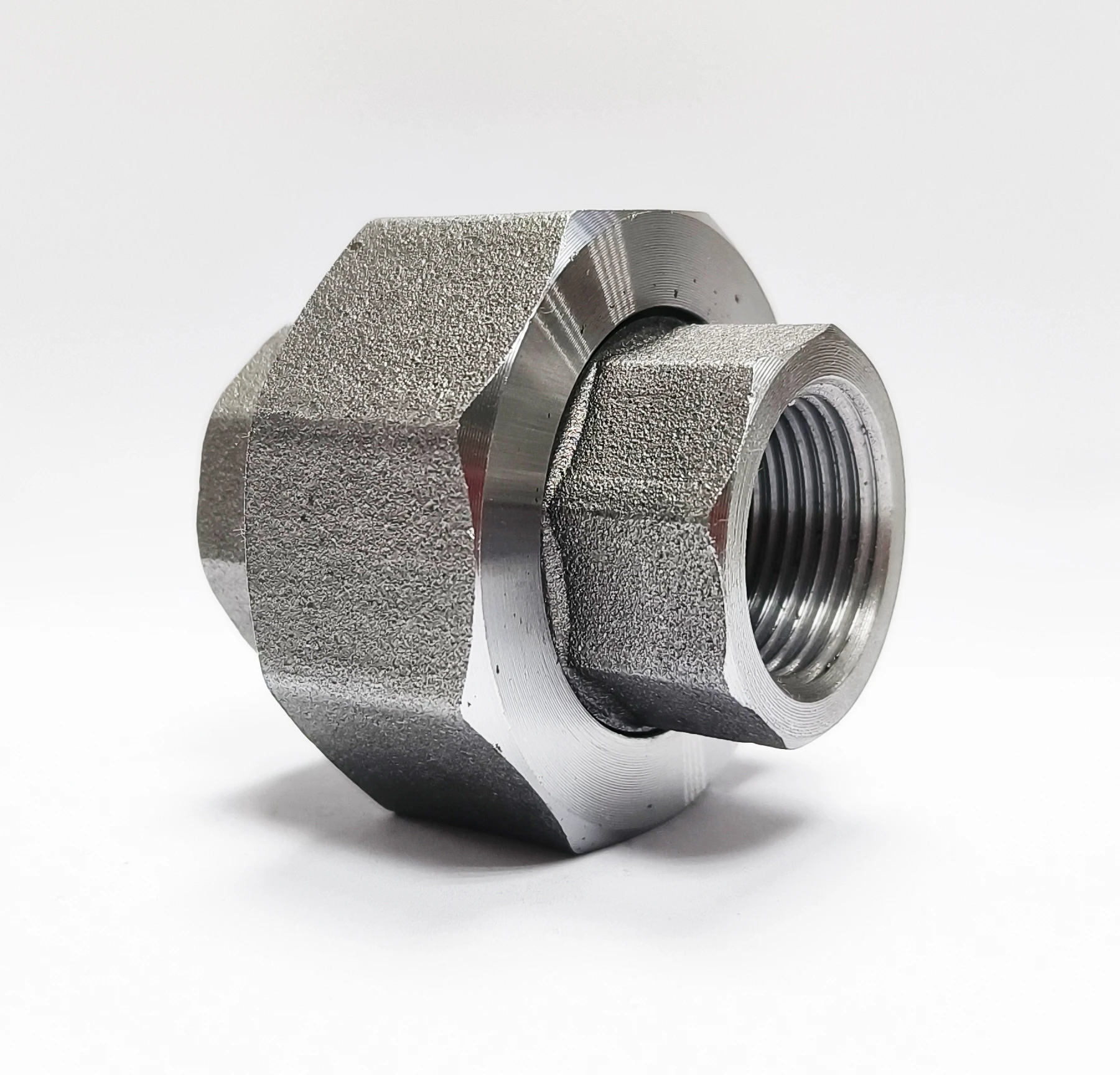
Between 2010 and 2020, there was a technical shift toward ductile materials. The introduction of nodular cast iron fittings allowed for thinner walls without sacrificing strength, drastically reducing transport costs for large-scale irrigation projects.

Currently, the market is witnessing a surge in lightweighting. The implementation of aluminum gravity casting has replaced heavier steel parts in the automotive and small-engine sectors, improving fuel efficiency for local transport.

Future Development Trends

Smart Casting Integration

Integration of IoT sensors within heavy castings to monitor structural integrity and wear in real-time for hydropower turbines.

Eco-Friendly Surface Treatments

Shift toward chromium-free enameling processes for plates to align with global environmental standards and local biodiversity protection.

Additive Manufacturing Hybridization

Combining 3D printed molds with traditional gravity casting to produce complex geometries that were previously impossible to manufacture in-region.

Industry Trends and Future Outlook for Laos

Strategic projections for the next 3-5 years in metal manufacturing.

Lightweight Material Shift
Rapid adoption of aluminum alloys for energy-efficient industrial equipment.
Corrosion Resistance
Advanced enameling and coating to survive high-humidity tropical climates.
Precision Standardization
Moving toward ISO-certified tolerances for global export compatibility.
Hydraulic Optimization
Enhanced flow dynamics in cast iron fittings for energy sectors.

Industry Outlook

Based on regional Google search trends for "industrial casting" and "infrastructure materials" in Southeast Asia, we predict a 15% annual growth in demand for specialized metal components in Laos. This is driven by the "Belt and Road" initiative and the expansion of the railway network.

The market will shift from generic casting to high-value, engineered components. The ability to provide certified, corrosion-resistant materials will be the primary competitive advantage for manufacturers serving the Lao market.

Localized Application Scenarios in Laos

Real-world implementation of our metal solutions across the region.

01. Hydropower Plant Maintenance

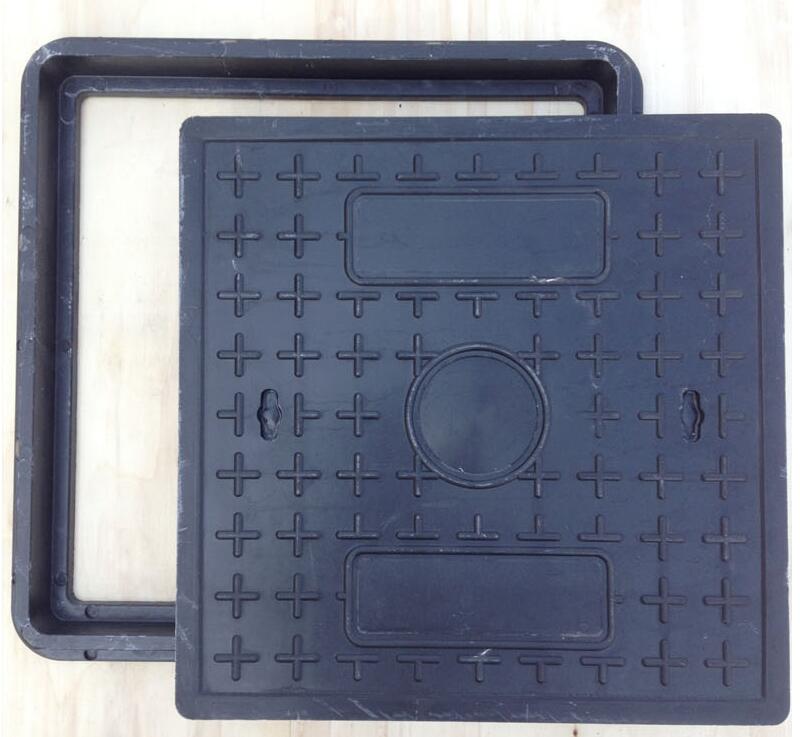
Using heavy-duty iron casing to protect turbine housings and electrical conduits from the abrasive sediment found in Mekong River tributaries.

02. Urban Fire Safety Infrastructure

Deploying high-pressure hydrant pipes in Vientiane's new commercial districts to ensure reliable water access for emergency services.

03. Agri-Food Processing Facilities

Implementing enamelled cast iron plate in coffee and rubber processing plants to maintain sterile environments and prevent metal contamination.

04. Automotive Component Manufacturing

Utilizing aluminum gravity casting for producing engine brackets and housings for the growing fleet of light commercial vehicles in Laos.

05. Industrial Water Distribution

Installing nodular cast iron fittings in mining irrigation networks to handle high-pressure water transport with minimal leak risk.

Brand Story

Global Development History of Hebei Mingda International Trade Co., Ltd.

Foundation and Focus

Established as a specialist in high-strength metal casting, focusing on the fundamental needs of industrial infrastructure.

Technical Breakthroughs

Developed advanced nodular iron processing techniques to solve the problem of brittle failure in high-pressure fittings.

Global Expansion

Extended operations into Asia, specifically tailoring products for the unique climatic and economic needs of the Laos market.

Quality Certification

Achieved international standards in enameling and aluminum casting to ensure global competitiveness and durability.

Sustainable Future

Committing to green foundry practices and the development of recyclable metal components for a sustainable industrial future.

Complete Metal Product Portfolio for the Laos Market

A comprehensive range of casting and fabrication solutions tailored for regional industrial demands.

Common Questions for Metal Casting in Laos

Expert answers to technical and logistical queries for the local industry.

How does humidity in Laos affect the durability of iron casing?

High humidity accelerates oxidation. We utilize specialized coatings and alloy compositions in our iron casing to prevent deep-core corrosion and extend service life in tropical zones.

What are the benefits of nodular cast iron fittings over standard grey iron?

Nodular cast iron offers significantly higher ductility and impact resistance, making it ideal for the high-pressure water systems and mining infrastructure found in Laos.

Is aluminum gravity casting suitable for local automotive repairs?

Yes, it provides an excellent balance of weight and strength, allowing for the production of precision parts that are easier to install and more fuel-efficient for local vehicles.

How do I maintain enamelled cast iron plate in food processing?

Due to the glass-like surface, these plates are easy to clean with mild detergents. Avoiding abrasive scrubbers ensures the enamel remains intact and hygienic.

What standards are used for hydrant pipes in urban Lao developments?

We follow international BS and ISO standards to ensure our hydrant pipes can integrate seamlessly with global firefighting equipment and local municipal codes.

What is the lead time for customized metal casting shipments to Laos?

Depending on the complexity of the mold and the volume, lead times typically range from 3 to 6 weeks, including logistics and customs clearance for the Laos region.

Get Professional Metal Solutions Today

Our engineers are ready to provide customized technical support and high-quality metal components for your projects in Laos.

Contact Us Now

If you are interested in our products, you can choose to leave your information here, and we will be in touch with you shortly.