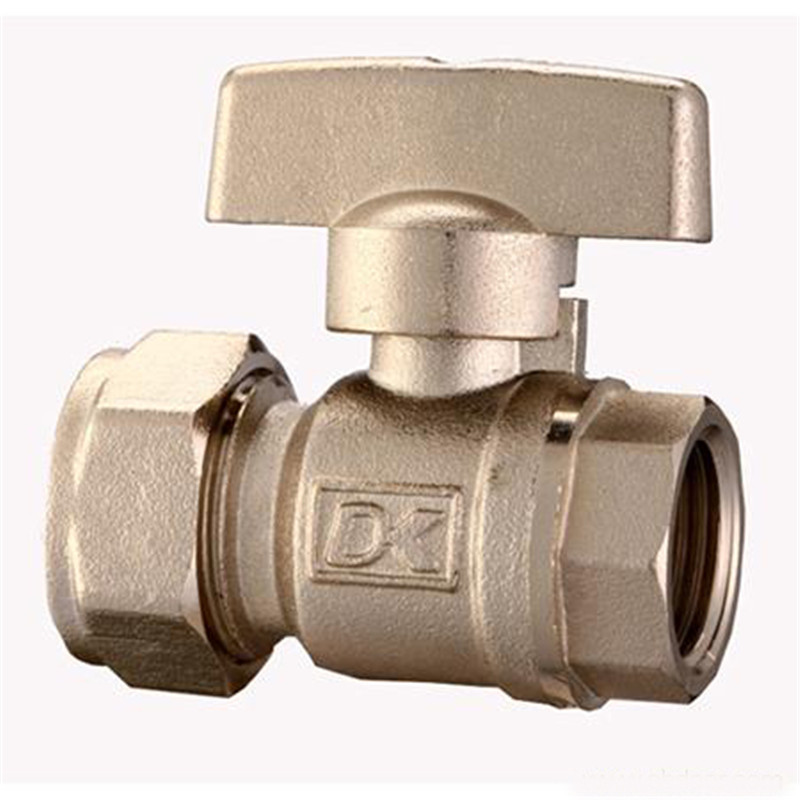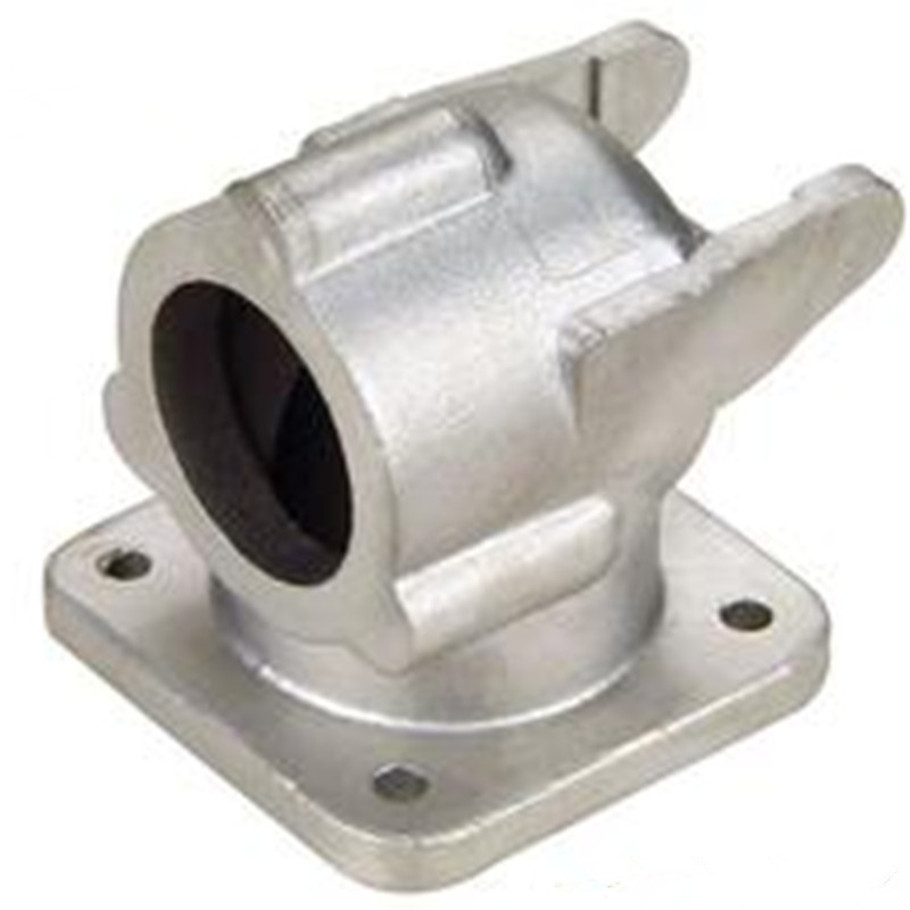
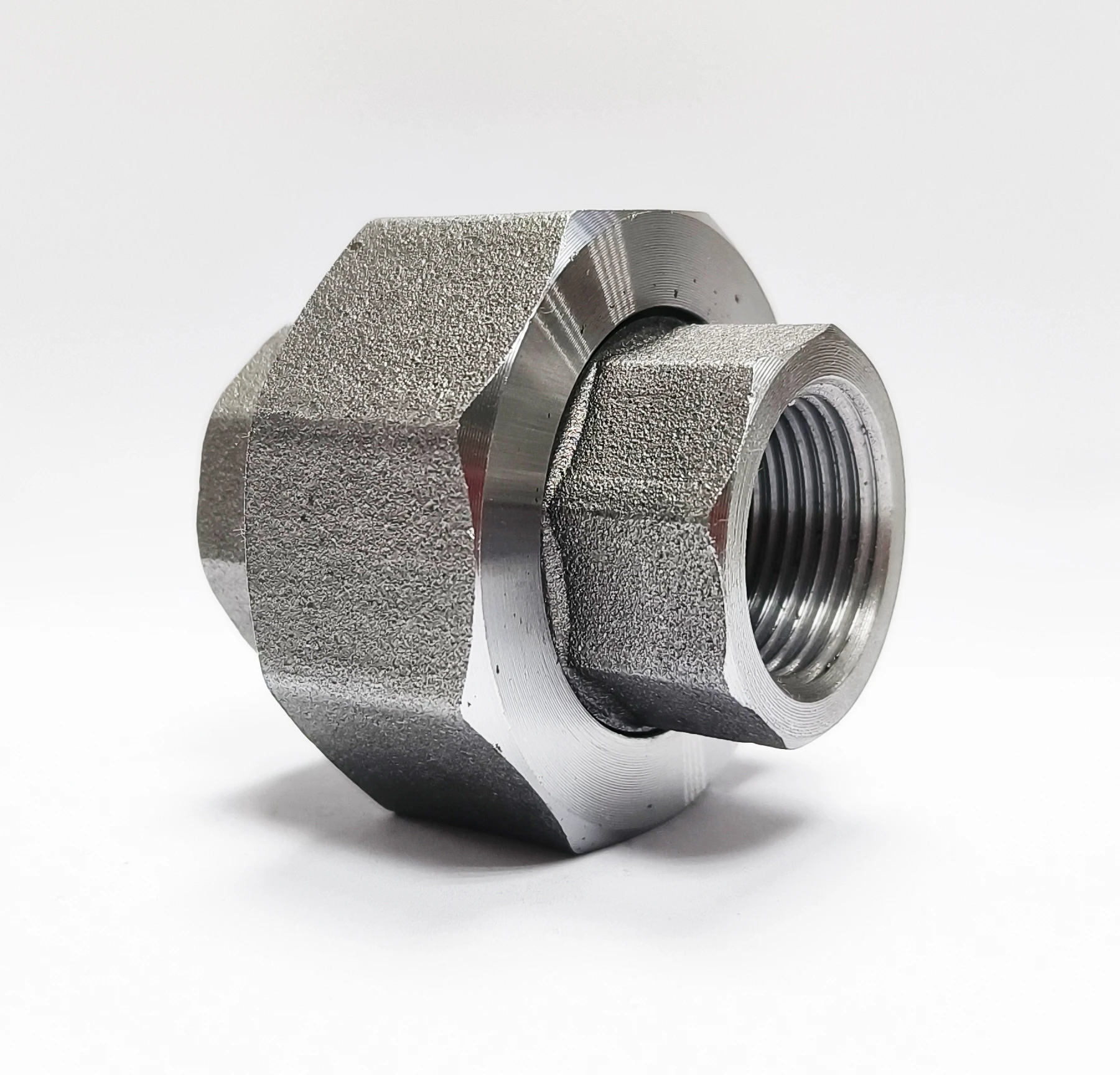
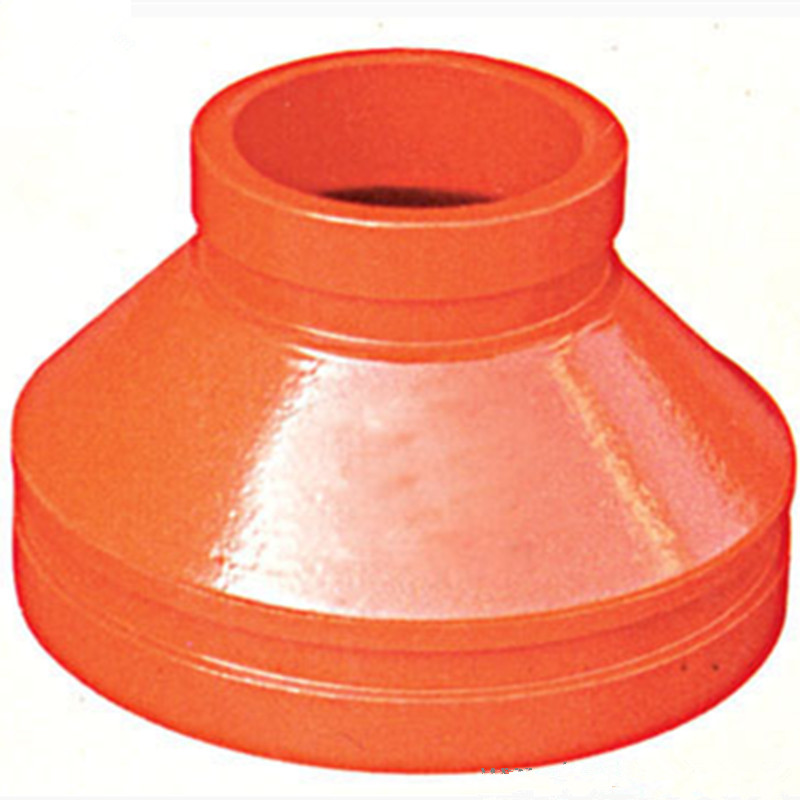
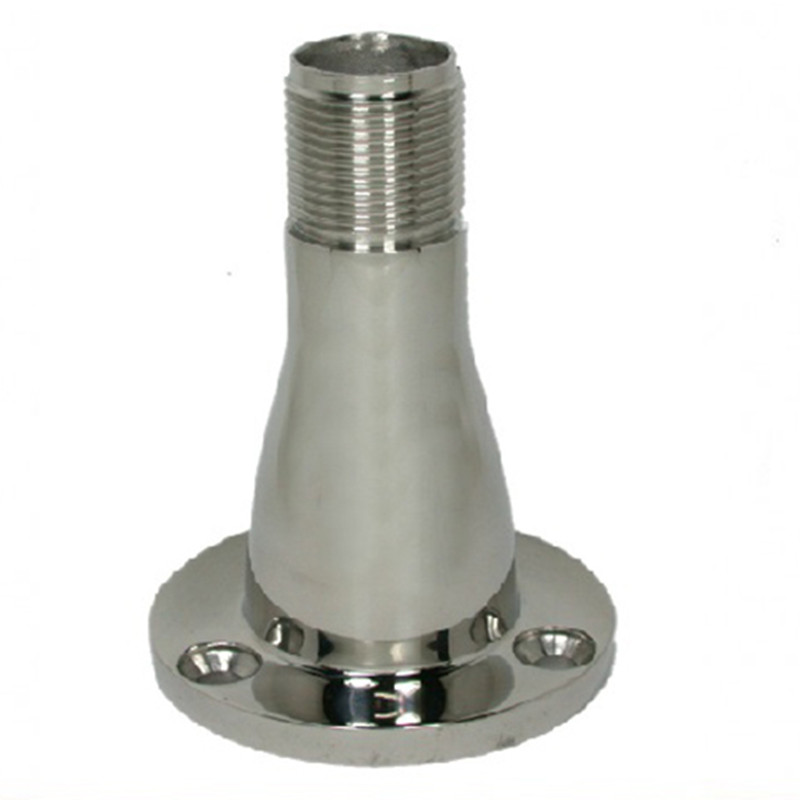
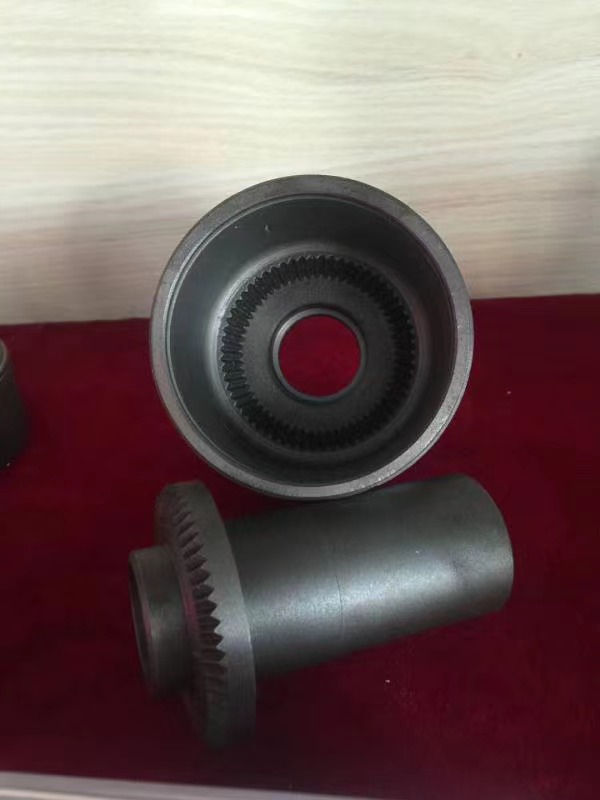
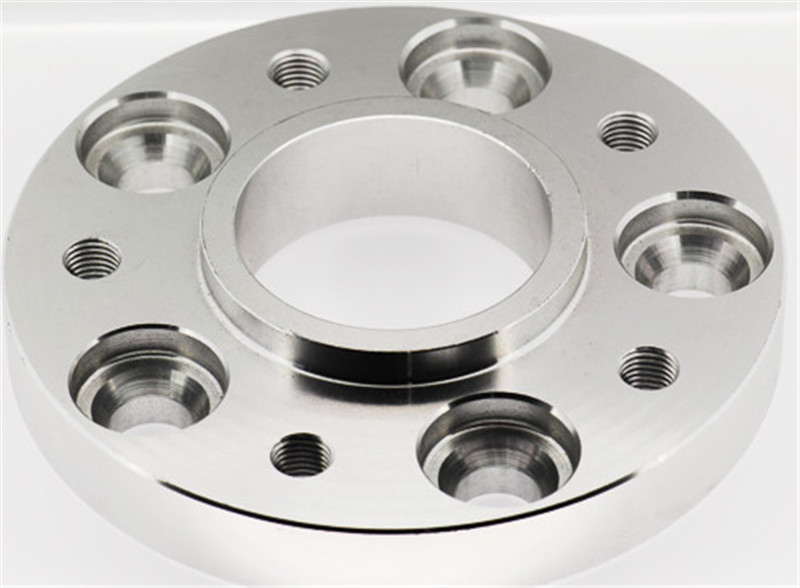
High-Performance nodular cast iron fittings Solutions for Denmark

Precision-engineered metal components designed to withstand the rigorous industrial and maritime environments of the Danish market.

High-Performance nodular cast iron fittings Solutions for Denmark

Providing comprehensive metal casting and fabrication services tailored for the Danish engineering sector, from urban infrastructure to industrial machinery.

Industrial Metal Casting Landscape in Denmark

Analyzing the intersection of Danish quality standards and advanced metallurgical requirements.

Denmark's manufacturing sector is characterized by a high demand for corrosion-resistant materials due to its coastal geography and humid maritime climate. The use of iron casing has evolved to prioritize long-term durability against salt-spray oxidation, ensuring that industrial equipment remains operational in harsh North Sea conditions.

The Danish market emphasizes sustainability and circular economy principles. Consequently, there is a significant shift toward aluminum gravity casting to reduce component weight in the green energy sector, particularly for wind turbine auxiliary components and electric vehicle infrastructure.

Furthermore, the stringent Danish safety regulations for urban water management have increased the reliance on high-pressure hydrant pipes. The industry now demands materials that can handle extreme temperature fluctuations without compromising structural integrity during the winter freeze-thaw cycles.
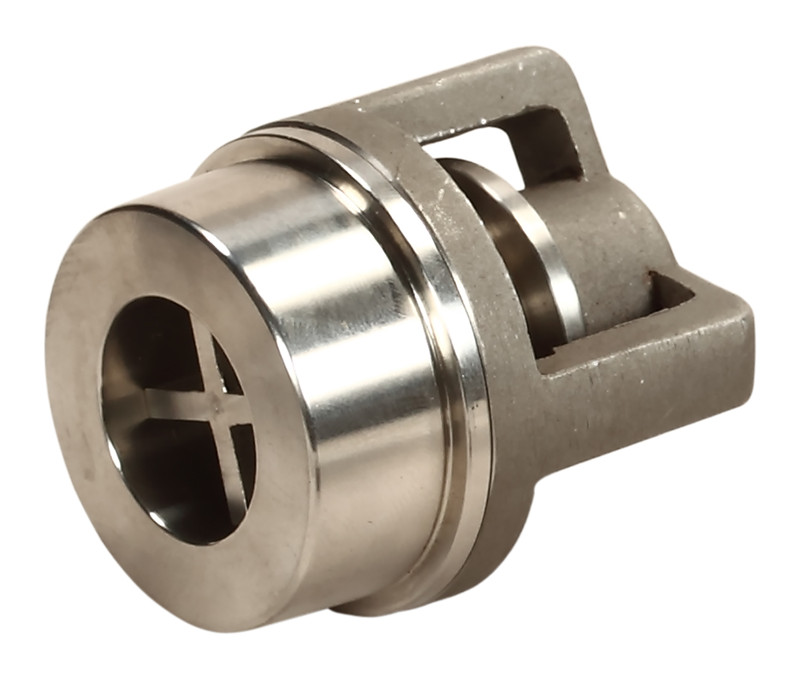
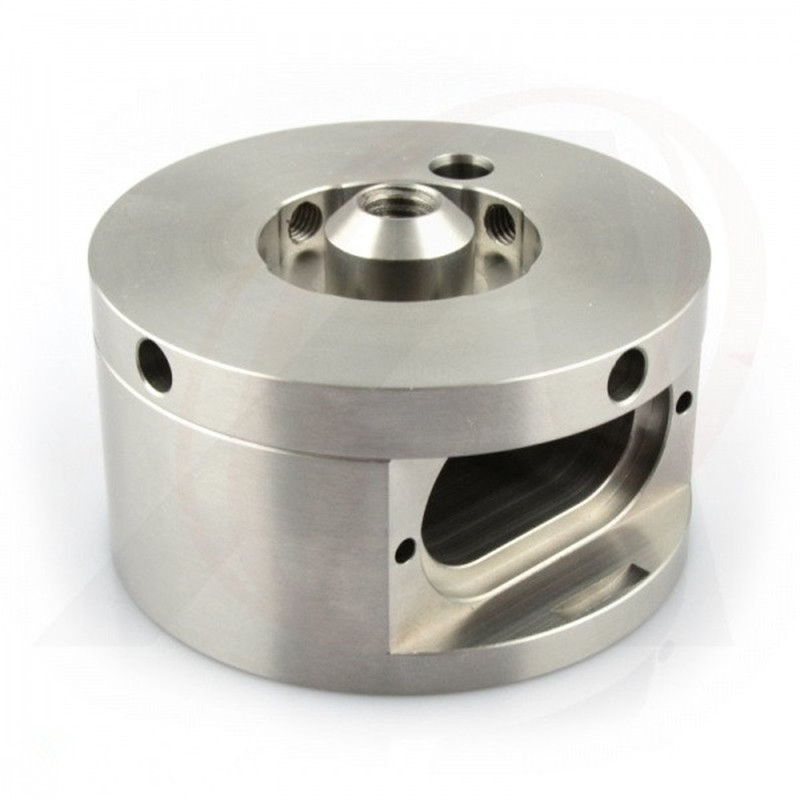
Evolution of Metal Fabrication in Denmark

From traditional foundry methods to precision-driven automated casting.

Market Development History

In the early 20th century, Danish metalwork relied heavily on traditional grey iron. By the 1960s, the introduction of enamelled cast iron plate revolutionized the food processing and pharmaceutical industries in Denmark, providing the necessary hygienic and non-reactive surfaces.

The 1990s marked a transition toward high-strength alloys. The adoption of nodular iron replaced traditional castings in heavy machinery, offering superior ductility and impact resistance, which was critical for the expansion of Danish port logistics and shipping hubs.

Entering the 2010s, digitalization integrated with metallurgy. The shift toward CAD-driven mold design allowed for complex geometries in aluminum gravity casting, reducing waste and increasing the energy efficiency of the production cycle.

Future Development Trends

Additive Manufacturing Integration

We anticipate a hybrid approach where 3D printing creates complex cores for traditional casting, reducing lead times for custom industrial parts.

Eco-Friendly Coating Technologies

The transition toward VOC-free enameling processes for cast iron plates to meet the European Green Deal standards.

Smart Material Monitoring

Integrating IoT sensors within metal casings to monitor structural fatigue and corrosion in real-time for critical infrastructure.

Future Outlook for Danish Metal Manufacturing

Strategic projections for the next 3-5 years based on search trends and industrial demand.

Decarbonized Production
Implementation of carbon-neutral smelting and casting processes to align with Denmark's 2030 climate targets.
Lightweighting Focus
Increased demand for aluminum gravity casting in the transport sector to improve energy efficiency.
Precision Automation
AI-driven quality control to eliminate defects in nodular cast iron fittings during the pouring phase.
Circular Materiality
Scaling the use of recycled scrap metal in high-grade cast iron production without loss of strength.

Industry Outlook

Based on Google search trend data for "sustainable metallurgy" and "precision casting Europe", we expect a CAGR of 4.2% in the specialized metal components market in Denmark. The trend indicates a move away from general-purpose casting toward high-spec, application-specific components.

Future growth will be driven by the integration of "Industry 4.0" standards, where metal products are no longer passive components but part of a monitored, digitally-twinned industrial ecosystem.

Localized Application Scenarios in Denmark

Real-world deployment of specialized metal products across Danish industries.

1. Offshore Wind Turbine Foundations

Utilizing heavy-duty iron casing to protect critical electrical junctions and structural connectors against extreme salinity and pressure in the North Sea.

2. Copenhagen Urban Water Infrastructure

Installation of high-grade hydrant pipes and fittings across the capital's district heating and firefighting networks to ensure leak-proof performance.

3. Pharmaceutical Clean-Room Equipment

Implementation of enamelled cast iron plate surfaces for industrial weighing and processing stations, meeting stringent Danish hygiene standards.

4. Automotive Component Lightweighting

Application of aluminum gravity casting for engine housings and transmission parts in the emerging Danish EV component supply chain.

5. Industrial Valve and Piping Systems

Deploying nodular cast iron fittings in chemical plants in Jutland to ensure high-pressure stability and vibration damping.

Brand Story

Global Development History of Hebei Mingda International Trade Co., Ltd.

Foundational Excellence

Established with a commitment to metallurgical precision, we began by solving basic casting flaws for local industrial clients.

Technological Expansion

Invested in advanced nodular iron and aluminum casting technologies to meet the growing demands of the European market.

European Market Integration

Developed specialized logistics and quality control protocols to align with EU standards, specifically targeting the Nordic region.

Sustainability Pivot

Launched a green initiative to reduce the carbon footprint of our smelting processes, catering to the eco-conscious Danish industry.

Global Leadership

Today, we stand as a trusted partner for high-performance metal components, blending traditional craftsmanship with Industry 4.0.

Comprehensive Metal Casting Portfolio for Denmark

A curated selection of high-durability components designed for the Danish industrial landscape.

Danish Metal Casting FAQ

Addressing common technical queries from our Nordic partners.

How do nodular cast iron fittings handle Danish winter temperatures?

Our nodular cast iron is engineered for high impact strength and ductility, preventing brittle fractures even in sub-zero Danish winters.

Is aluminum gravity casting suitable for maritime environments?

Yes, when combined with appropriate anodic oxidation or powder coating, our aluminum castings offer excellent resistance to salt-spray corrosion.

What are the benefits of enamelled cast iron plate for food production?

The enamel provides a non-porous, chemically inert surface that is easy to sterilize, meeting EU food safety requirements.

Can your iron casing be customized for specific pressure ratings?

Absolutely. We provide custom wall thickness and alloy compositions to meet specific PSI requirements for industrial applications.

What standards do your hydrant pipes comply with?

Our products comply with international ISO and European EN standards for water distribution and fire safety systems.

What is the typical lead time for custom castings delivered to Denmark?

Depending on complexity, production typically takes 4-6 weeks, with streamlined logistics to ensure timely delivery to Danish ports.

Request a Technical Consultation

Our engineering team is ready to support your next project in Denmark with precision-cast solutions.

Contact Us Now

If you are interested in our products, you can choose to leave your information here, and we will be in touch with you shortly.