High-Performance nodular cast iron fittings Solutions for Brazil

Precision-engineered metal components designed to withstand the rigorous industrial demands and climatic challenges of the Brazilian market.

High-Performance nodular cast iron fittings Solutions for Brazil

Providing the Brazilian industrial sector with superior durability and precision through advanced metallurgy, specializing in everything from iron casing to specialized hydrant systems.

Current State of Metal Casting in Brazil

Analyzing the intersection of Brazilian infrastructure growth and metallurgy requirements.

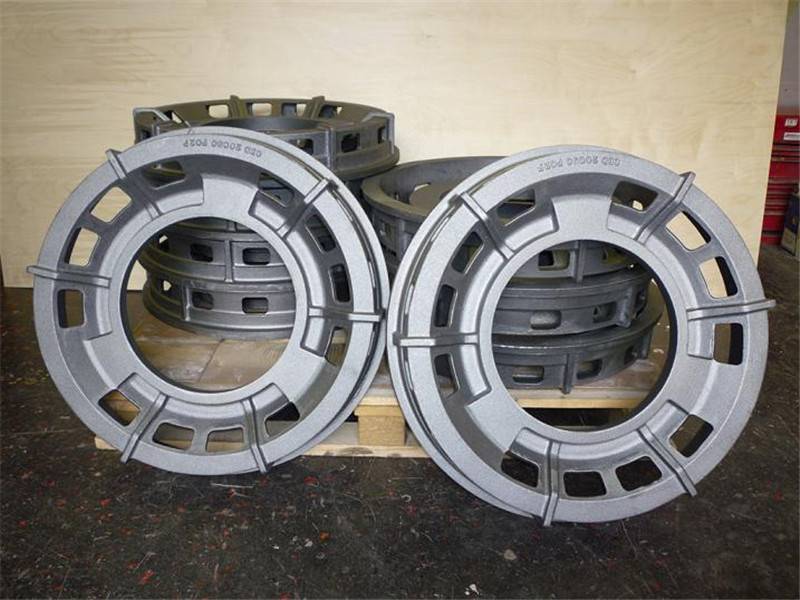
Brazil's industrial landscape, particularly in the Southeast region, faces significant corrosion challenges due to high humidity and coastal salinity. The demand for enamelled cast iron plate has risen as industries seek protective barriers against aggressive atmospheric conditions that degrade standard carbon steel.

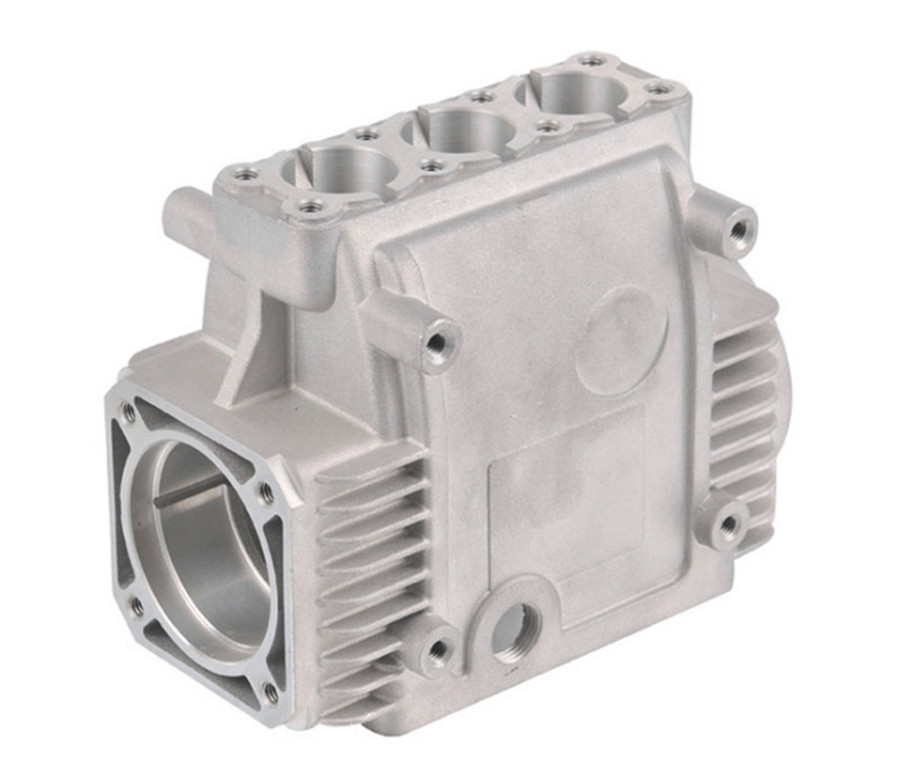
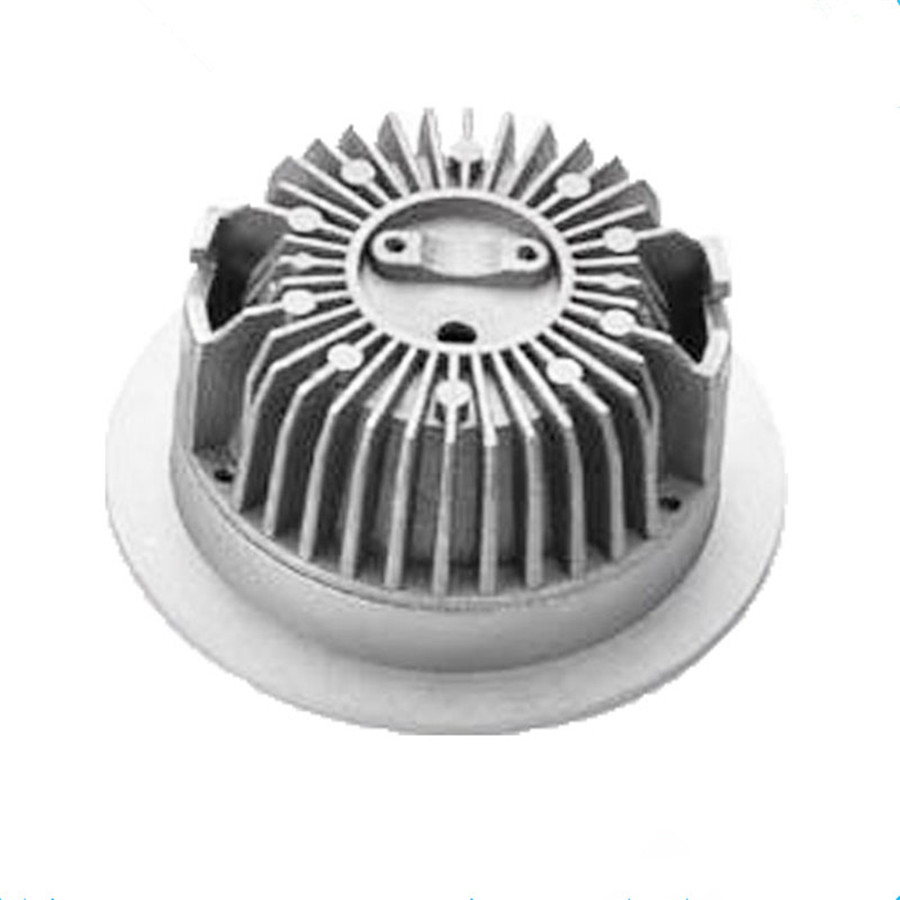
The local agricultural and mining sectors are increasingly integrating aluminum gravity casting to reduce the weight of machinery components without compromising structural integrity. This shift is driven by the need for higher energy efficiency in large-scale transportation across the vast Brazilian interior.

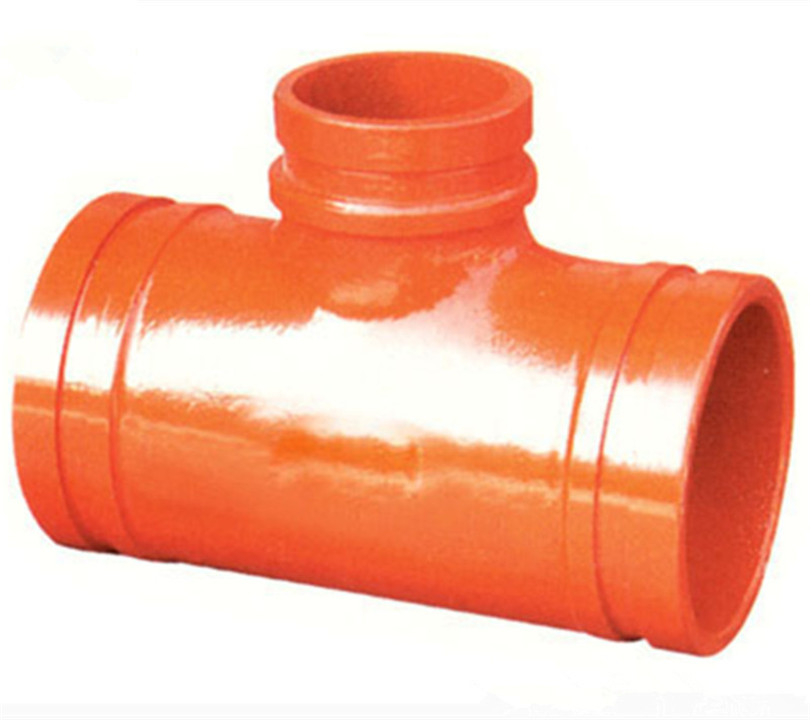
Urban infrastructure projects in cities like São Paulo and Rio de Janeiro are prioritizing the replacement of aging water networks with modern hydrant pipes to ensure fire safety compliance and reduce leakage in high-pressure municipal systems.
Technical Evolution of Metal Fabrication

From traditional sand casting to precision-engineered ductile iron solutions.

Market Development History

In the early 2000s, the Brazilian market relied heavily on traditional gray iron, which offered high compressive strength but lacked the impact resistance needed for heavy-duty iron casing applications in the mining sector.

By 2010, the introduction of nodularization techniques allowed for the widespread adoption of ductile iron. This transition marked a leap in safety and longevity for industrial fittings, reducing the frequency of catastrophic fractures in hydraulic systems.

From 2018 to the present, there has been a surge in automated casting and CNC finishing, allowing Brazilian firms to import high-precision components that meet strict international ISO and ABNT standards.

Future Development Trends

Smart Alloy Integration

Integration of sensor-compatible materials within castings to monitor wear and tear in real-time, specifically for critical pipeline junctions.

Sustainable Casting Processes

A shift toward recycled aluminum feedstocks in gravity casting to align with Brazil's growing green industrial mandates.

Advanced Thermal Coating

Evolution of enamelling processes to provide higher thermal resistance for plates used in chemical processing plants.

Industry Trends & Future Outlook

Predicting the next 5 years of metallurgical advancement in South America.

Additive Manufacturing Hybridization
Combining 3D printed molds with traditional gravity casting to drastically reduce lead times for complex prototypes.
Corrosion-Resistant Nano-Coatings
Moving beyond standard enamelling to nano-ceramic layers that provide absolute protection in tropical rainforest climates.
Lightweighting for Ag-Tech
Utilizing advanced aluminum alloys to reduce the carbon footprint of heavy agricultural machinery used in Mato Grosso.
Modular Infrastructure Kits
Pre-fabricated casting assemblies that allow for rapid deployment of water and fire systems in expanding urban peripheries.

Industry Outlook

Based on Google search trends for "industrial casting Brazil" and "infrastructure durability," we anticipate a 15% increase in demand for high-tensile ductile iron components over the next three years. The focus is shifting from raw capacity to precision and longevity.

The integration of Industry 4.0 within the Brazilian metal sector will likely lead to a more fragmented but specialized supply chain, where "Just-in-Time" delivery of custom-cast parts becomes the competitive standard.

Localized Application Scenarios in Brazil

Real-world implementations of metal casting solutions across diverse Brazilian sectors.

1. Mining Infrastructure in Minas Gerais

Implementation of heavy-duty iron casing for slurry pumps used in iron ore extraction, providing extreme wear resistance against abrasive particles.

2. Municipal Water Systems in Belo Horizonte

Deployment of high-pressure hydrant pipes to modernize the city's fire suppression network and reduce water loss in aging grids.

3. Chemical Processing in Camaçari

Utilization of enamelled cast iron plate for lining reaction tanks, ensuring that corrosive chemical reagents do not compromise the vessel's integrity.

4. Automotive Component Casting in ABC Region

Application of aluminum gravity casting for engine blocks and transmission housings to meet new fuel efficiency standards in the Brazilian car market.

5. Industrial Plumbing in Porto Alegre

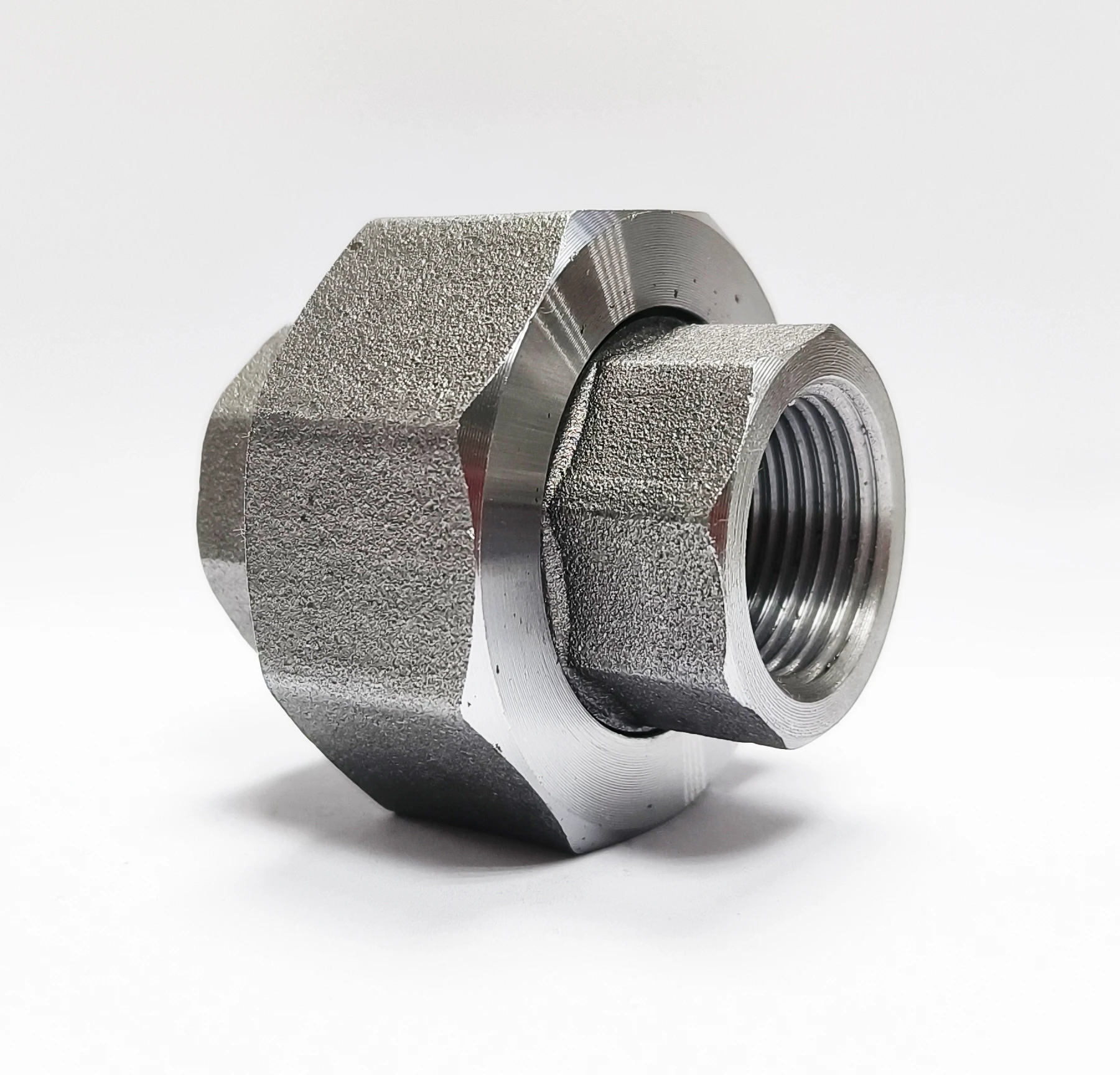
Installation of nodular cast iron fittings in high-vibration industrial environments to prevent joint failure and leakage in steam lines.

Brand Story

Global Development History of Hebei Mingda International Trade Co., Ltd.

Foundational Excellence

Established with a focus on metallurgical purity, we began by solving the core pain point of premature wear in industrial castings.

Technological Expansion

Invested in advanced nodularization and enamelling technologies to expand our product range into high-corrosion environments.

Global Reach

Successfully entered the South American market, adapting our standards to meet Brazil's unique industrial and climatic requirements.

Quality Certification

Achieved international certifications, ensuring every piece of cast iron and aluminum meets rigorous safety and durability benchmarks.

Future Vision

Committed to driving the transition toward sustainable, smart metallurgy to empower the next generation of global infrastructure.

Comprehensive Casting Portfolio for the Brazilian Market

A one-stop source for high-durability metal components tailored for South American industrial standards.

Common Questions Regarding Metal Castings in Brazil

Technical insights and procurement advice for Brazilian industrial buyers.

How do nodular cast iron fittings compare to gray iron for hydraulic systems in Brazil?

Nodular cast iron offers significantly higher ductility and impact resistance, making it far less prone to cracking under the pressure surges common in Brazilian hydraulic networks compared to brittle gray iron.

What is the lifespan of enamelled cast iron plate in coastal industrial zones?

Due to the glass-like protective layer, enamelled plates can last 3-5 times longer than uncoated iron in high-salinity environments like Rio de Janeiro, effectively preventing oxidation.

Is aluminum gravity casting suitable for high-load agricultural machinery?

Yes, when using reinforced alloys, gravity casting provides an optimal strength-to-weight ratio that reduces fuel consumption for heavy machinery used in Brazilian soy and corn farming.

What standards apply to hydrant pipes installed in São Paulo urban areas?

They must typically comply with ABNT (Associação Brasileira de Normas Técnicas) standards, which specify the minimum burst pressure and coating thickness for fire safety equipment.

How does iron casing durability vary in the Amazonian climate?

Extreme humidity in the North requires specific anti-corrosive primers or specialized alloys to prevent rapid pitting and surface degradation of the casing.

What are the lead times for custom ductile iron fittings shipped to Brazil?

Depending on the complexity and volume, lead times typically range from 4 to 8 weeks, including precision casting, quality testing, and international logistics.

Ready to Upgrade Your Industrial Infrastructure?

Our technical experts are ready to provide customized metallurgical solutions for your projects in Brazil.

Contact Us Now

If you are interested in our products, you can choose to leave your information here, and we will be in touch with you shortly.