High-Performance nodular cast iron fittings Solutions for Belarus Infrastructure

Precision-engineered metal components designed to withstand the rigorous climatic demands and industrial standards of the Belarusian market.

High-Performance nodular cast iron fittings Solutions for Belarus Infrastructure

Providing the Belarusian industrial sector with specialized metal casting solutions, from heavy-duty iron casing to advanced lightweight components, ensuring maximum durability in Eastern European environments.

Industrial Casting Landscape in Belarus

Analyzing the intersection of metallurgy and regional environmental challenges.

Belarus possesses a deep-rooted history in heavy machinery and agricultural engineering. However, the region's extreme temperature fluctuations—ranging from severe winters to humid summers—place immense stress on traditional iron casing and piping systems, leading to accelerated thermal fatigue and corrosion.

The local demand has shifted towards materials that offer both high tensile strength and corrosion resistance. This has led to an increased adoption of nodular cast iron fittings, which provide the necessary ductility to prevent brittle fractures during the harsh Belarusian freeze-thaw cycles.

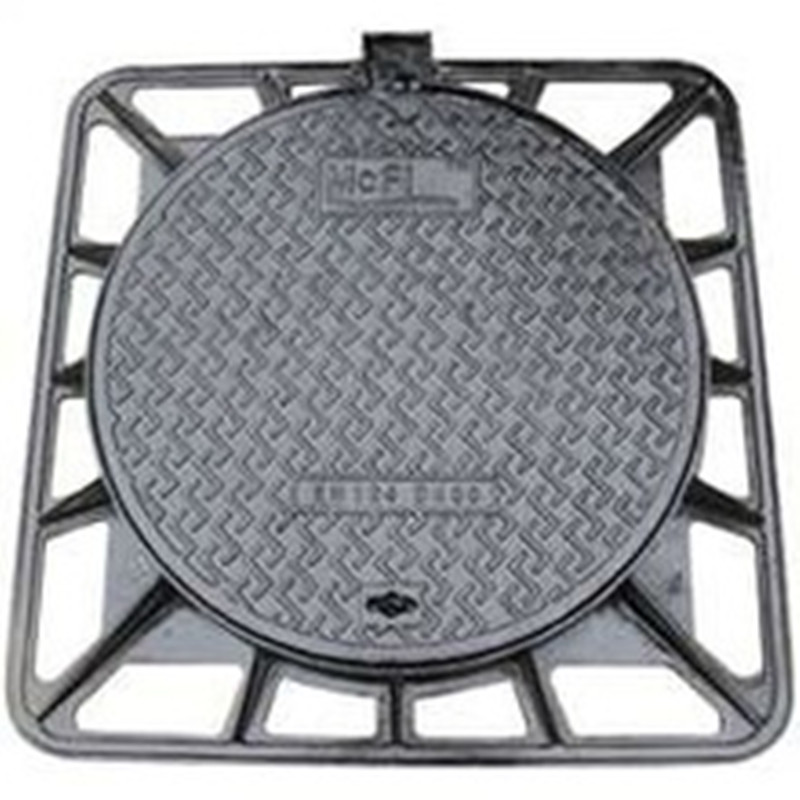
Furthermore, the modernization of the Belarusian urban infrastructure, particularly in Minsk and Gomel, requires specialized components like hydrant pipes that can withstand high underground pressure while remaining resistant to the chemical composition of local soil.
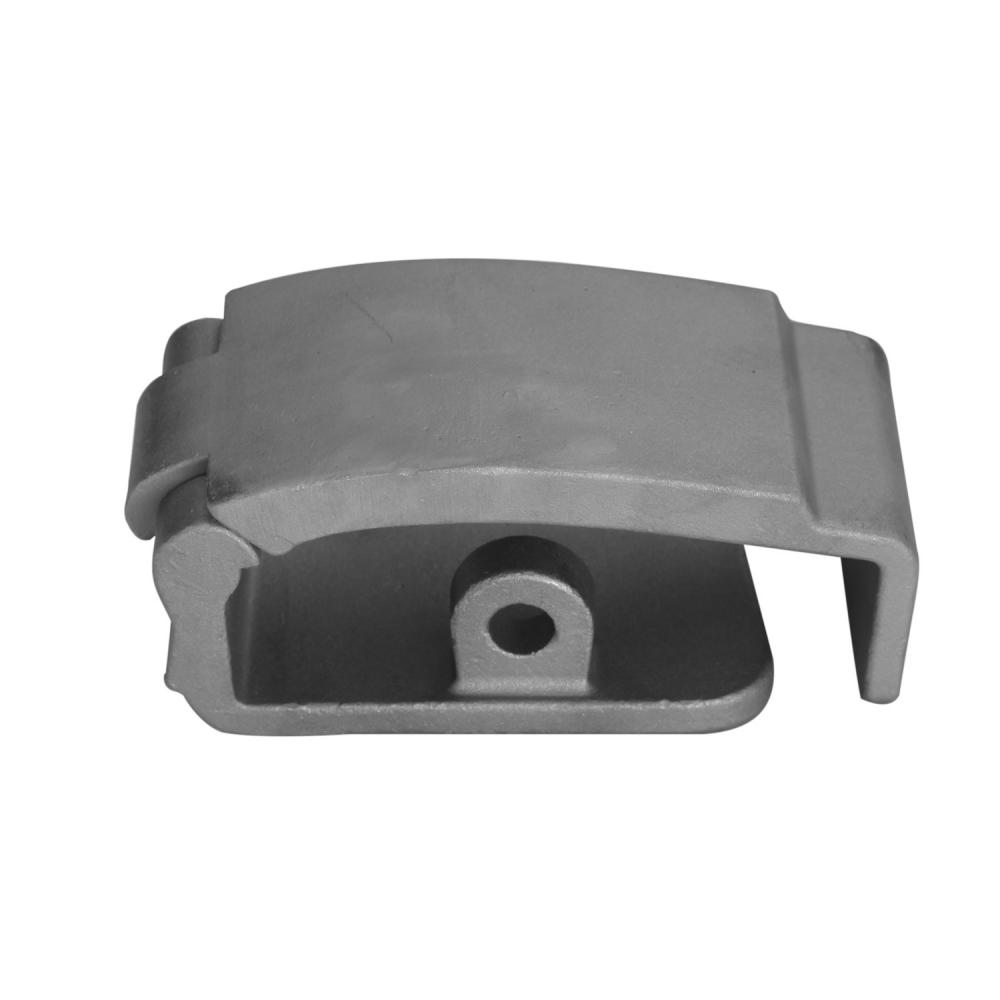
Evolution of Metal Casting in Belarus

From traditional foundries to precision engineering.

Market Development History

During the mid-20th century, the Belarusian metal sector relied heavily on gray iron. While sufficient for basic structures, these materials lacked the impact resistance needed for evolving industrial machinery, often resulting in frequent failures of heavy-duty casings.

By the early 2000s, a technical pivot occurred. The introduction of aluminum gravity casting allowed local manufacturers to reduce the weight of automotive and agricultural components without sacrificing structural integrity, marking a transition toward efficiency.

In the last decade, the focus has shifted toward surface protection. The application of enamelled cast iron plate technology has become critical for the chemical and food processing industries in Belarus, preventing oxidation and ensuring hygienic standards.

Future Development Trends

Smart Metallurgy Integration

Integration of IoT sensors within casting molds to monitor cooling rates in real-time, reducing internal defects in large-scale iron components.

Eco-Friendly Casting Processes

A transition toward "Green Foundries" to comply with tighter European emission standards, focusing on recycled scrap metal and low-emission smelting.

High-Precision Alloy Optimization

Developing new nodular iron alloys specifically tuned for extreme sub-zero temperatures to eliminate the risk of cold-crack propagation.

Strategic Outlook for Metal Manufacturing

Predicting the trajectory of casting technologies for the next 5 years.

Additive Manufacturing Hybridization
Combining 3D sand printing with traditional casting to create complex internal geometries for specialized fittings.
Advanced Thermal Coating
Development of nano-ceramic coatings to enhance the lifespan of cast iron plates in corrosive environments.
Lightweighting Strategy
Increased shift toward aluminum gravity casting for energy-efficient transport vehicle components.
Digital Twin Simulation
Using AI-driven simulation to predict casting shrinkage and porosity before physical production.

Industry Outlook

Based on Google search trends for industrial automation in Eastern Europe, there is a significant rise in queries for "precision cast components" and "corrosion-resistant metallurgy." This indicates a move away from bulk production toward high-value, customized engineering.

The future of the Belarus market will likely be defined by a synergy between traditional durability and digital precision, where materials like ductile iron are optimized via software to reduce waste and increase longevity.

Localized Applications in Belarus

Real-world deployment of metal products across various Belarusian sectors.

01. Municipal Fire Safety Networks

Installation of high-pressure hydrant pipes across Minsk's urban districts to ensure reliable water flow during extreme winter freezes.

02. Agricultural Machinery Frameworks

Utilizing aluminum gravity casting for tractor engine housings, reducing overall vehicle weight for Belarus's vast farming plains.

03. Heavy Industrial Pump Housings

Implementation of reinforced iron casing for mining equipment in the Soligorsk potash mines, providing essential structural protection.

04. Chemical Processing Tanks

Deploying enamelled cast iron plate for lining acid-resistant containers in the regional chemical industry to prevent metal leaching.

05. Gas and Water Distribution

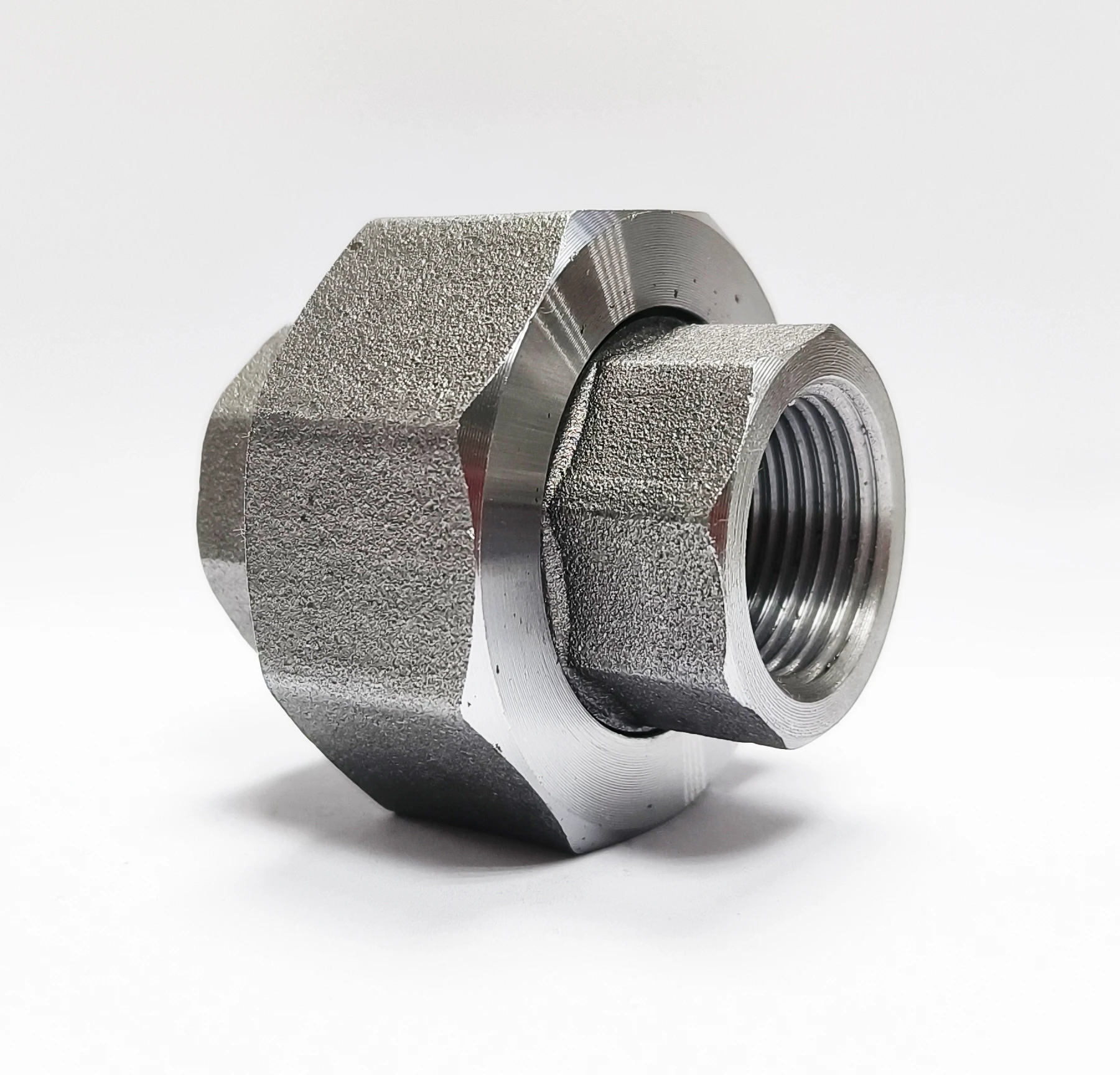
Widespread use of nodular cast iron fittings in regional pipeline networks to handle ground shifting and soil expansion.

Brand Story

Global Development Journey of Hebei Mingda International Trade Co., Ltd.

Foundation and Vision

Established with a mission to bridge the gap between raw casting capabilities and precision industrial requirements on a global scale.

Technical Specialization

Investing in R&D to master the complexities of ductile iron and aluminum alloys, ensuring every component meets international ISO standards.

Market Expansion

Strategically expanding into Europe and the CIS region, adapting product specifications to meet the unique climatic needs of Belarus.

Quality Assurance Leap

Implementing advanced non-destructive testing (NDT) to guarantee zero-defect delivery for critical infrastructure projects.

Sustainable Future

Committing to eco-friendly production cycles and the development of long-life metal components to reduce global industrial waste.

Comprehensive Metal Component Portfolio for Belarus

A full range of casting solutions tailored for the Belarusian industrial and municipal sectors.

Belarus Industrial Casting FAQ

Answers to common technical queries regarding metal products in the region.

How do nodular cast iron fittings perform in Belarus's freezing winters?

Unlike gray iron, nodular iron has a graphite structure that provides superior ductility, preventing the material from becoming brittle and cracking under extreme sub-zero temperatures.

What are the advantages of aluminum gravity casting for agricultural machinery?

It allows for the creation of complex, lightweight parts with excellent heat dissipation, which is critical for the efficiency of modern tractor engines used in Belarus.

Why is enamelled cast iron plate preferred for chemical storage?

The enamel coating provides an inert barrier that protects the base metal from aggressive acids and alkalis, significantly extending the service life of the equipment.

Can custom iron casing be engineered for mining depths in Soligorsk?

Yes, we specialize in high-density casting with reinforced wall thicknesses to withstand the immense hydrostatic and lithostatic pressures found in deep mining environments.

What standards are applied to hydrant pipes for urban Belarusian networks?

Our products are manufactured to meet both GOST and ISO standards, ensuring compatibility with existing Soviet-era infrastructure and modern European upgrades.

How is the quality of ductile iron fittings verified before shipping?

Every batch undergoes ultrasonic testing, hardness checks, and pressure testing to ensure there are no internal voids or structural weaknesses.

Request a Technical Consultation

Our engineering team is ready to provide customized metal casting solutions for your projects in Belarus.

Contact Us Now

If you are interested in our products, you can choose to leave your information here, and we will be in touch with you shortly.