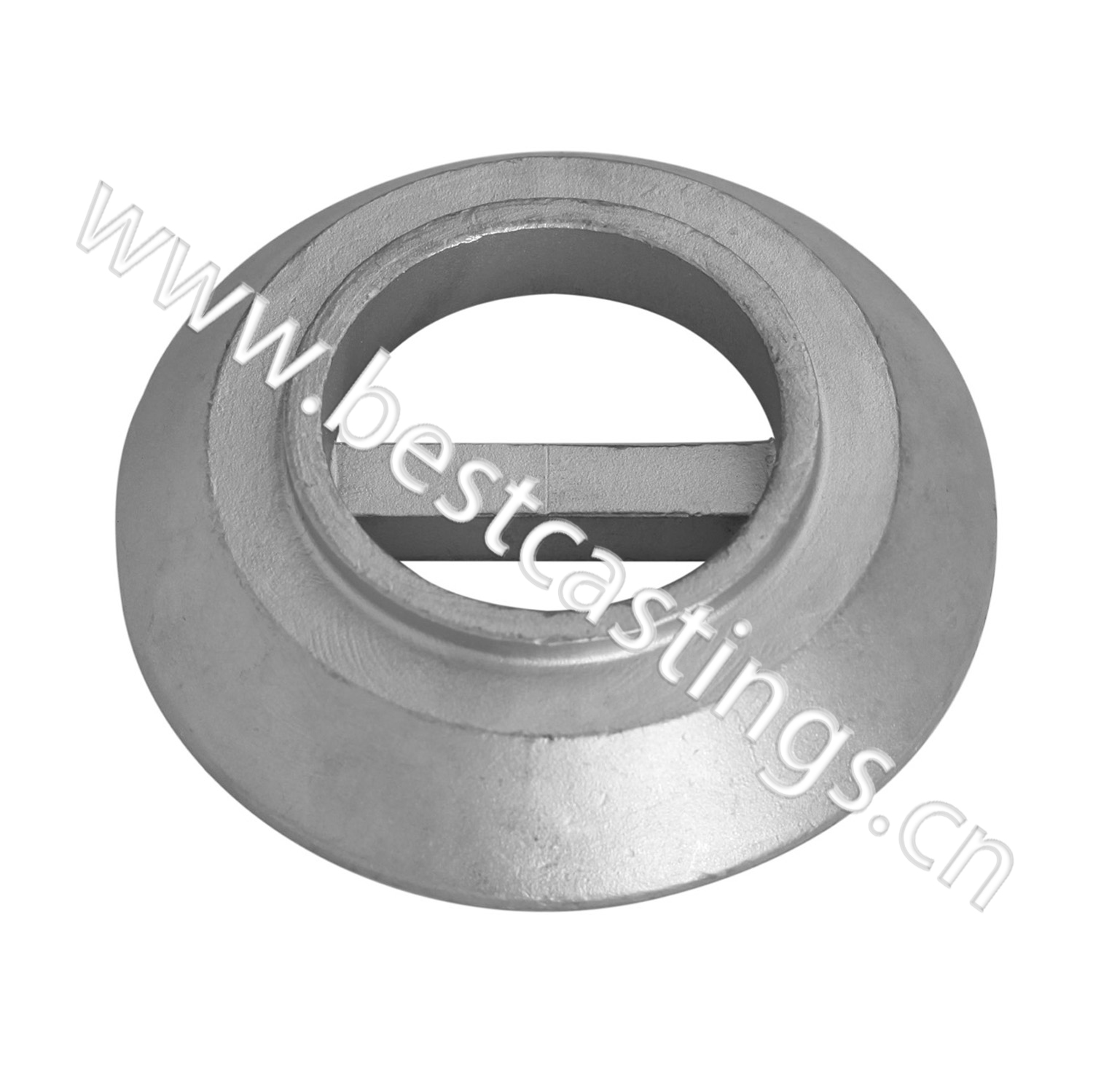
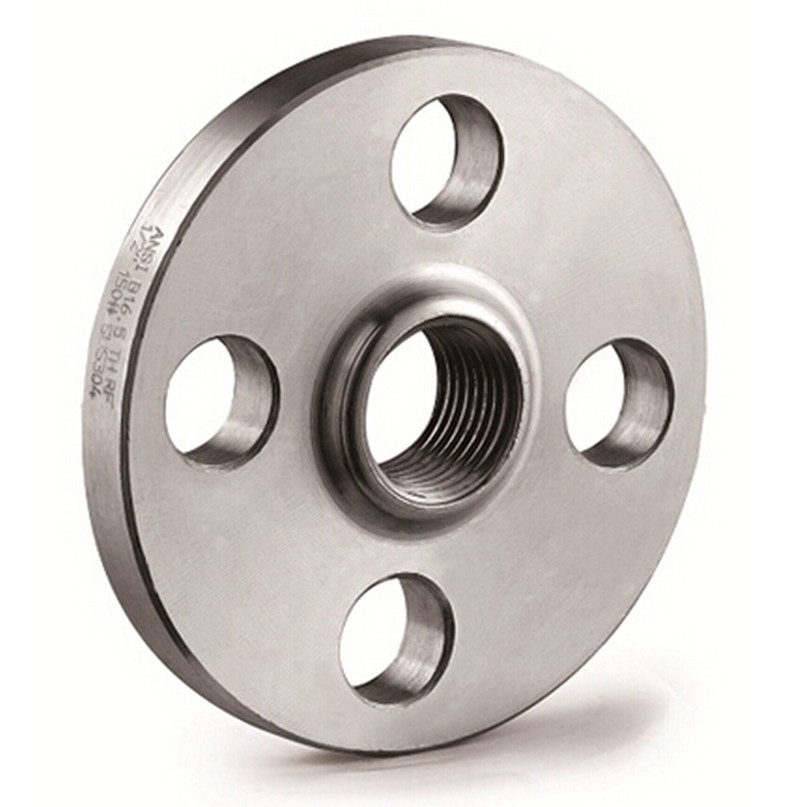
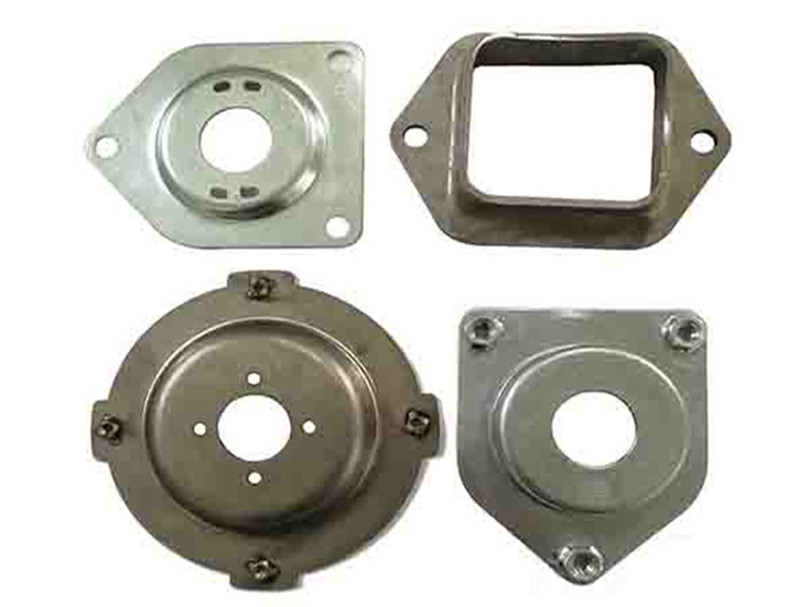
High-Performance nodular cast iron fittings Solutions for Austria

Engineering precision-cast metal components to meet the rigorous industrial standards of the Austrian manufacturing sector.

High-Performance nodular cast iron fittings Solutions for Austria

Providing advanced casting solutions including specialized iron casings and precision aluminum components for Austria's diverse industrial landscape.

Industrial Casting Landscape in Austria

Analyzing the synergy between traditional metallurgy and modern engineering in Central Europe.

Austria's manufacturing sector is characterized by a strong emphasis on high-precision engineering and durability. In regions like Upper Austria and Styria, the demand for robust iron casing is driven by the heavy machinery and automotive industries, where components must withstand extreme mechanical stress.

The Alpine climate poses significant challenges for infrastructure, necessitating the use of corrosion-resistant materials. This has led to a widespread adoption of enamelled cast iron plate in specialized chemical and food processing plants across Vienna and Graz, ensuring longevity against aggressive environmental factors.

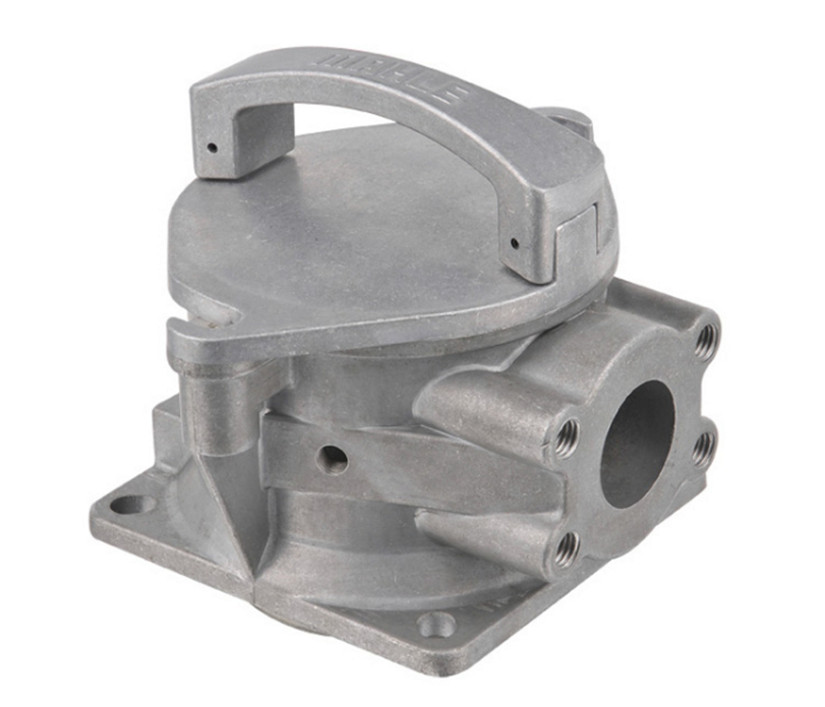
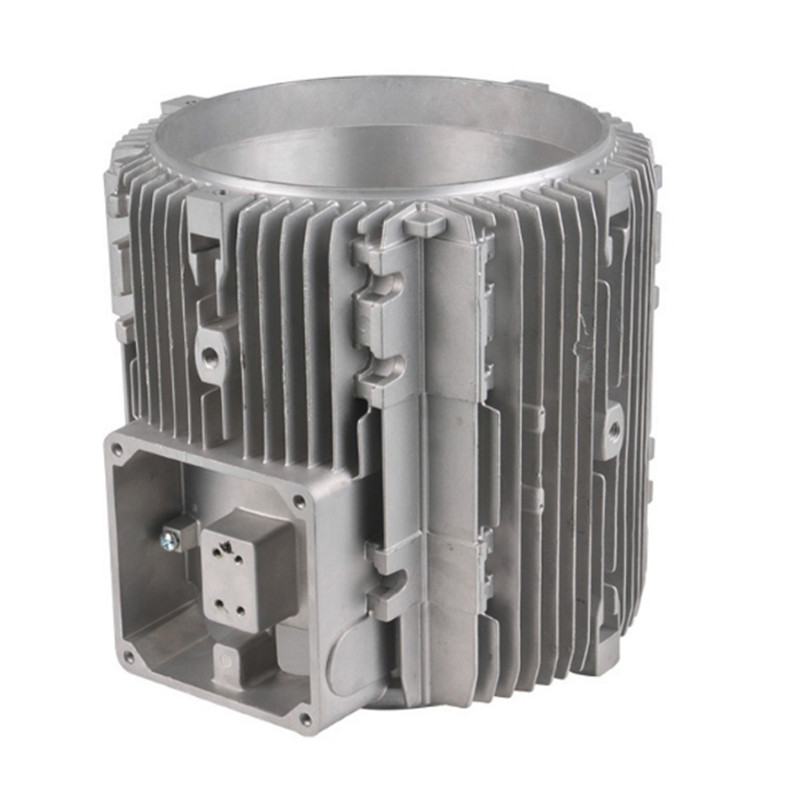
Currently, Austrian firms are transitioning toward lightweighting. The integration of aluminum gravity casting is becoming pivotal for the local aerospace and high-end automotive sectors, balancing structural integrity with weight reduction to meet EU efficiency mandates.
Evolution of Metal Casting in Austria

From traditional foundry methods to digital precision and sustainable metallurgy.

Market Development History

Historically, the Austrian metal industry relied on heavy gray iron for infrastructure. In the mid-20th century, the shift toward hydrant pipes and municipal water systems saw a move toward standardized cast iron to support rapid urban expansion in the post-war era.

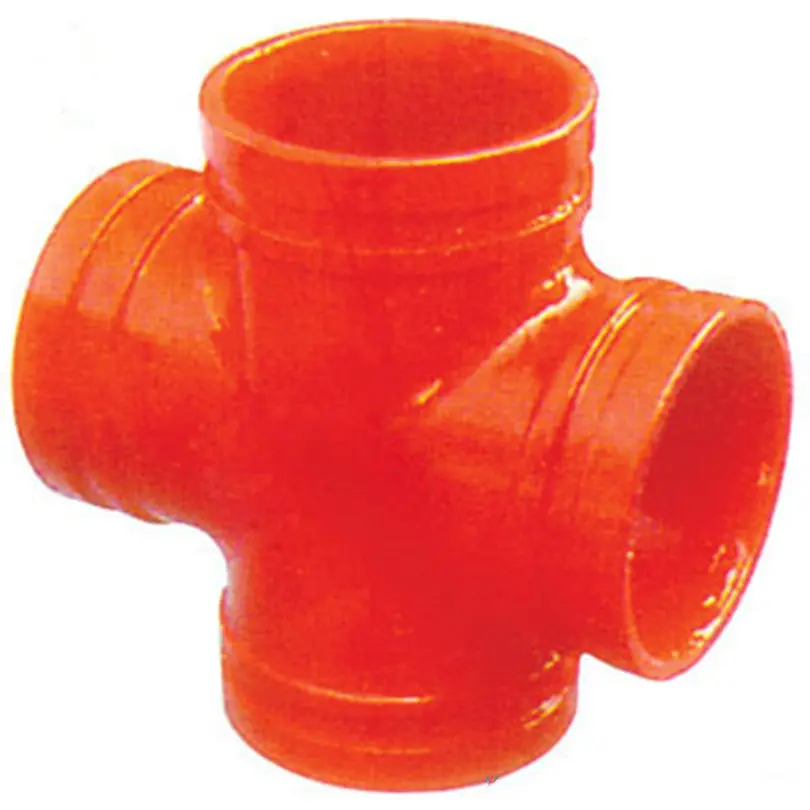
By the 1990s, the introduction of ductile iron technology revolutionized the market. This era marked the rise of nodular cast iron fittings, which offered superior tensile strength and ductility, replacing brittle gray iron in high-pressure hydraulic systems.

Entering the 21st century, the focus shifted to surface treatment and alloy purity. The refinement of enamelling processes allowed for the production of high-grade plates capable of resisting extreme thermal cycles, aligning with Austria's strict environmental and quality certifications.

Future Development Trends

Smart Casting Integration

The next 3-5 years will see the integration of IoT sensors directly into iron casings to monitor structural health in real-time.

Circular Economy Metallurgy

A shift toward 100% recycled aluminum for gravity casting to comply with the European Green Deal and reduce carbon footprints.

Additive Manufacturing Hybrids

Combining traditional nodular casting with 3D-printed sand molds to reduce lead times for complex custom fittings.

Future Trends and Strategic Outlook

Navigating the shift toward sustainable and high-performance metal fabrication.

Decarbonized Production
Implementing hydrogen-based smelting to reduce the CO2 emissions of heavy iron casting.
Precision Alloy Tuning
Developing custom nodular alloys specifically for the high-torque requirements of Austrian machinery.
Surface Tech Innovation
Advancing enamelling techniques to create ultra-thin, high-durability protective layers.
Digital Twin Modeling
Using AI to simulate casting flows, reducing scrap rates and improving energy efficiency.

Industry Outlook

Google search trends in the DACH region indicate a rising interest in "Sustainable Metallurgy" and "Lightweight Industrial Components." This signals a fundamental shift toward materials that offer the strength of iron but the ecological footprint of recycled aluminum.

The Austrian market is expected to prioritize vendors who can provide full material traceability and ISO-certified quality assurance, moving away from commodity sourcing toward strategic engineering partnerships.

Localized Application Scenarios in Austria

Practical deployments of our casting solutions across Austrian industries.

1. Alpine Water Infrastructure

Deployment of high-durability hydrant pipes in mountainous regions to ensure freeze-thaw resistance and leak-proof performance.

2. Automotive Component Manufacturing

Utilizing aluminum gravity casting for engine brackets and housings in the Styrian automotive cluster.

3. Heavy Industrial Machinery

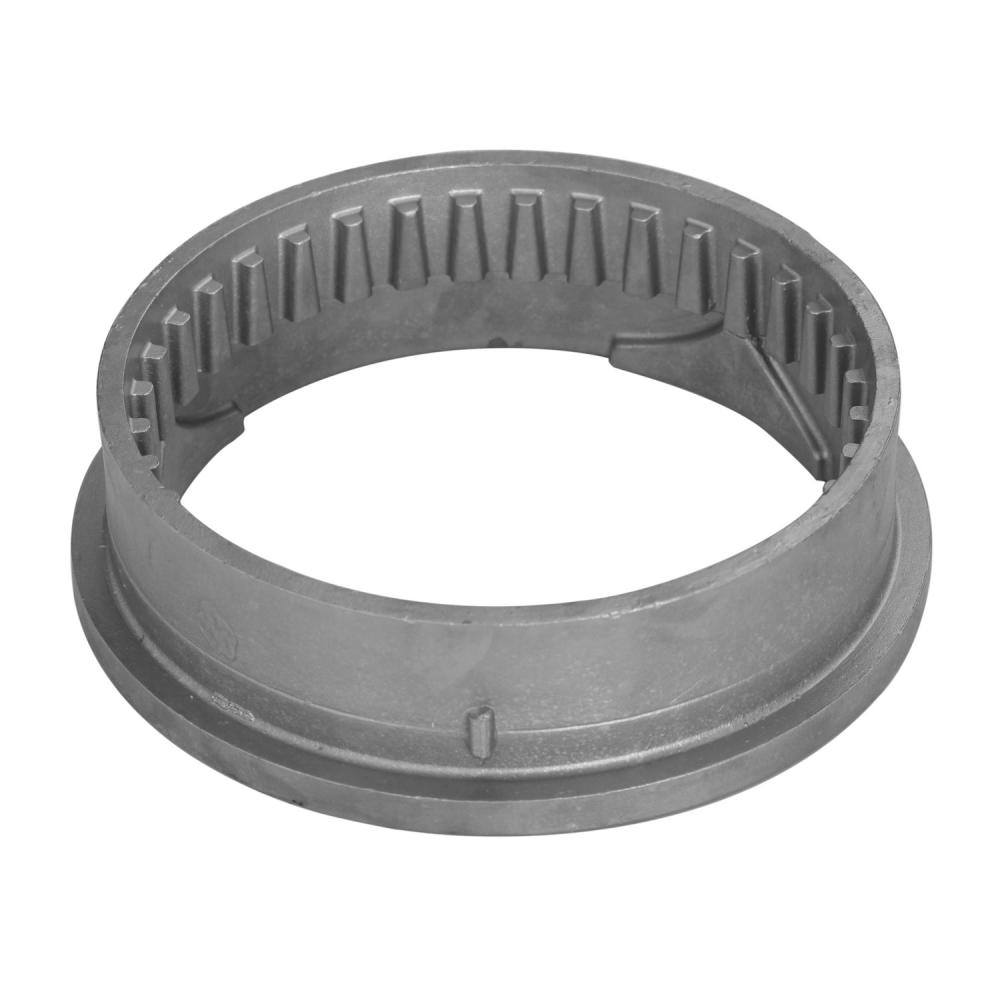
Custom iron casing for hydraulic pumps and industrial gearboxes used in Austrian mining equipment.

4. Specialized Food Processing

Installation of enamelled cast iron plate in hygienic processing zones to prevent contamination and chemical erosion.

5. High-Pressure Fluid Systems

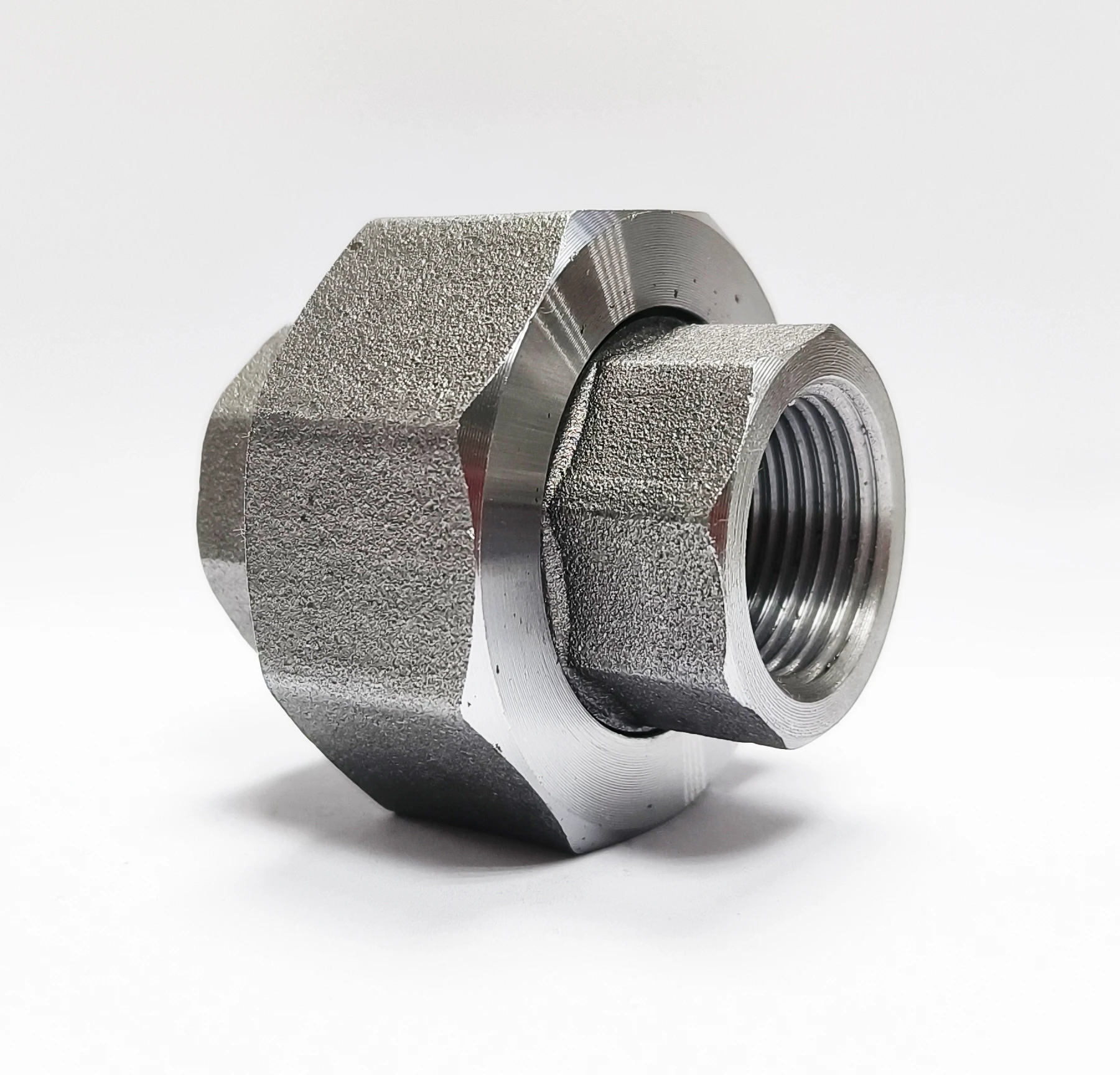
Integration of nodular cast iron fittings in industrial heating systems across Vienna's district heating networks.

Brand Story

Global Development History of Hebei Mingda International Trade Co., Ltd.

Founding Vision

Established with a mission to bridge the gap between raw metallurgical capacity and precision engineering requirements.

Quality Standardization

Implemented rigorous ISO and ASTM standards to ensure every casting meets international safety and durability benchmarks.

European Expansion

Strategically entered the European market, tailoring solutions for the high-precision needs of Central European manufacturers.

Tech Innovation Hub

Invested in R&D to master complex alloys and advanced enamelling techniques for specialized industrial applications.

Sustainable Future

Committing to green foundry practices to support the global transition toward carbon-neutral manufacturing.

Comprehensive Product Portfolio for the Austrian Market

A full suite of casting solutions engineered for durability, precision, and efficiency.

Industrial Casting FAQ - Austria

Technical answers to common inquiries regarding metal casting specifications.

How does nodular cast iron fittings differ from standard gray iron in high-pressure apps?

Nodular cast iron features graphite in spherical form, providing significantly higher tensile strength and impact resistance, making it ideal for high-pressure hydraulic systems in Austria.

What are the benefits of aluminum gravity casting for automotive parts?

It allows for the production of complex shapes with excellent surface finish and high structural density, reducing overall vehicle weight while maintaining strength.

Why is enamelled cast iron plate preferred in the chemical industry?

The enamel coating provides a non-porous, glass-like surface that is impervious to most acids and bases, preventing corrosion of the underlying metal.

What standards apply to hydrant pipes used in European municipal networks?

They typically follow EN standards (European Norms) for material composition, pressure testing, and joint compatibility to ensure public safety.

Can custom iron casing be manufactured to specific CAD specifications?

Yes, we utilize digital molding and precision CNC machining to ensure the final casing matches your technical drawings with micron-level accuracy.

What is the typical lead time for large-scale nodular iron orders in Austria?

Lead times vary by complexity, but typically range from 4 to 8 weeks including quality inspection and logistics to Austrian ports.

Get an Engineering Consultation

Contact our technical experts for customized metal casting solutions tailored for the industrial requirements of Austria.

Contact Us Now

If you are interested in our products, you can choose to leave your information here, and we will be in touch with you shortly.