High-Performance nodular cast iron fittings Solutions for Australian Infrastructure

Providing precision-engineered metal components tailored for the rigorous demands of the Oceania market, ensuring durability in extreme environments.

High-Performance nodular cast iron fittings Solutions for Australian Infrastructure

From mining hubs in Western Australia to urban water systems in Sydney, we deliver specialized metal casting solutions that exceed AS/NZS standards for strength and corrosion resistance.

Current State of Metal Casting in Australia

Analyzing the intersection of heavy industry and environmental challenges in Oceania.

The Australian manufacturing landscape is currently defined by a push toward sustainable infrastructure. The demand for hydrant pipes has surged due to increased urban fire safety regulations and the need for resilient water distribution networks in drought-prone regions.

In the industrial sector, there is a critical transition toward lightweight yet strong components. The adoption of aluminum gravity casting is increasing in the transport and aerospace sectors in New South Wales and Victoria to optimize fuel efficiency and reduce structural weight.

Furthermore, the coastal environment of Australia poses severe corrosion threats. This has led to a specialized requirement for enamelled cast iron plate and high-grade coatings to prevent saltwater degradation in maritime and chemical processing plants.
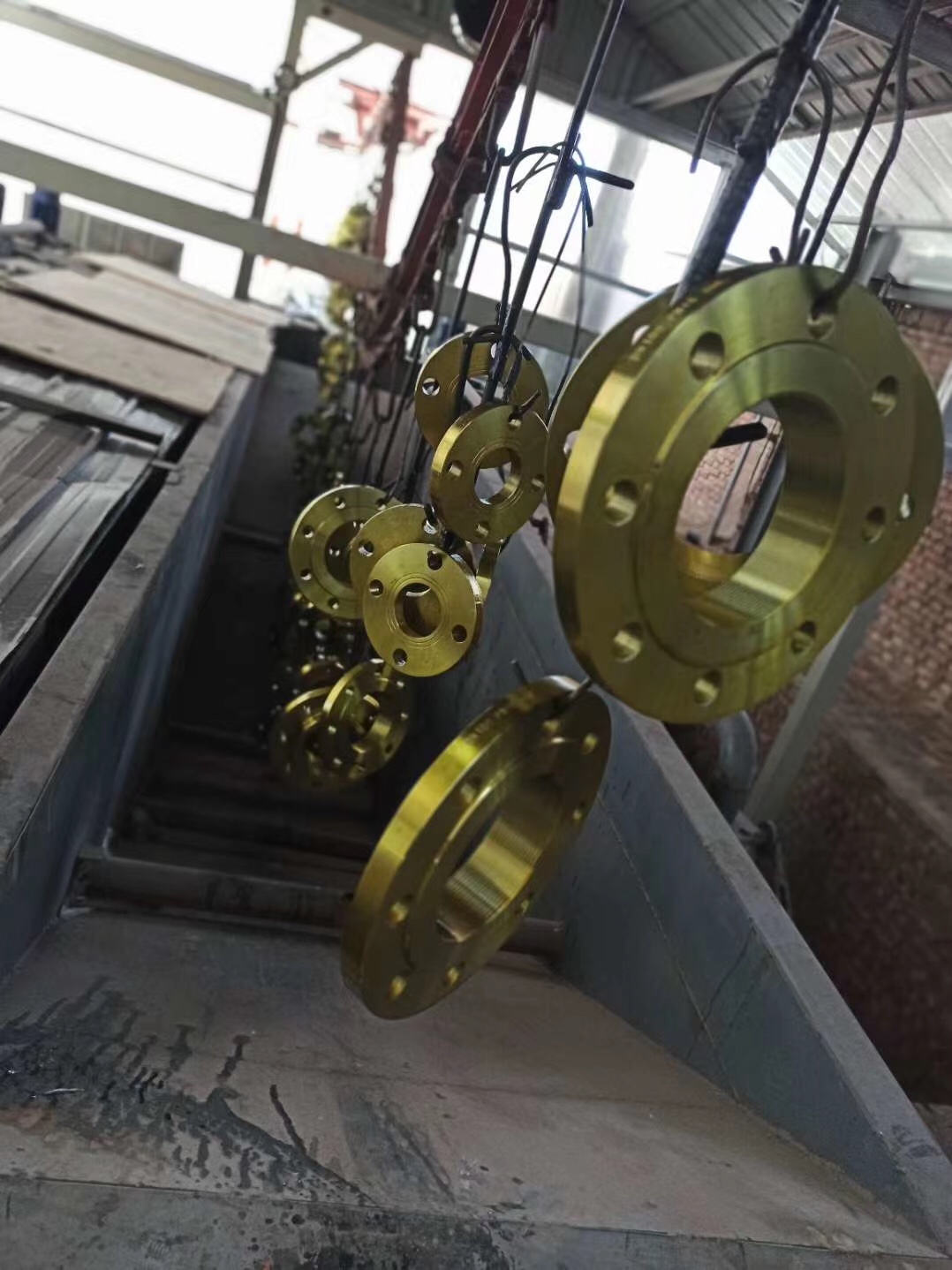
Technical Evolution and Market Trajectory

From traditional sand casting to precision metallurgy.

Market Development History

During the early 20th century, Australia relied heavily on basic grey iron casting for its railway and mining expansion. These early iterations provided bulk strength but lacked the ductility required for high-pressure environments.

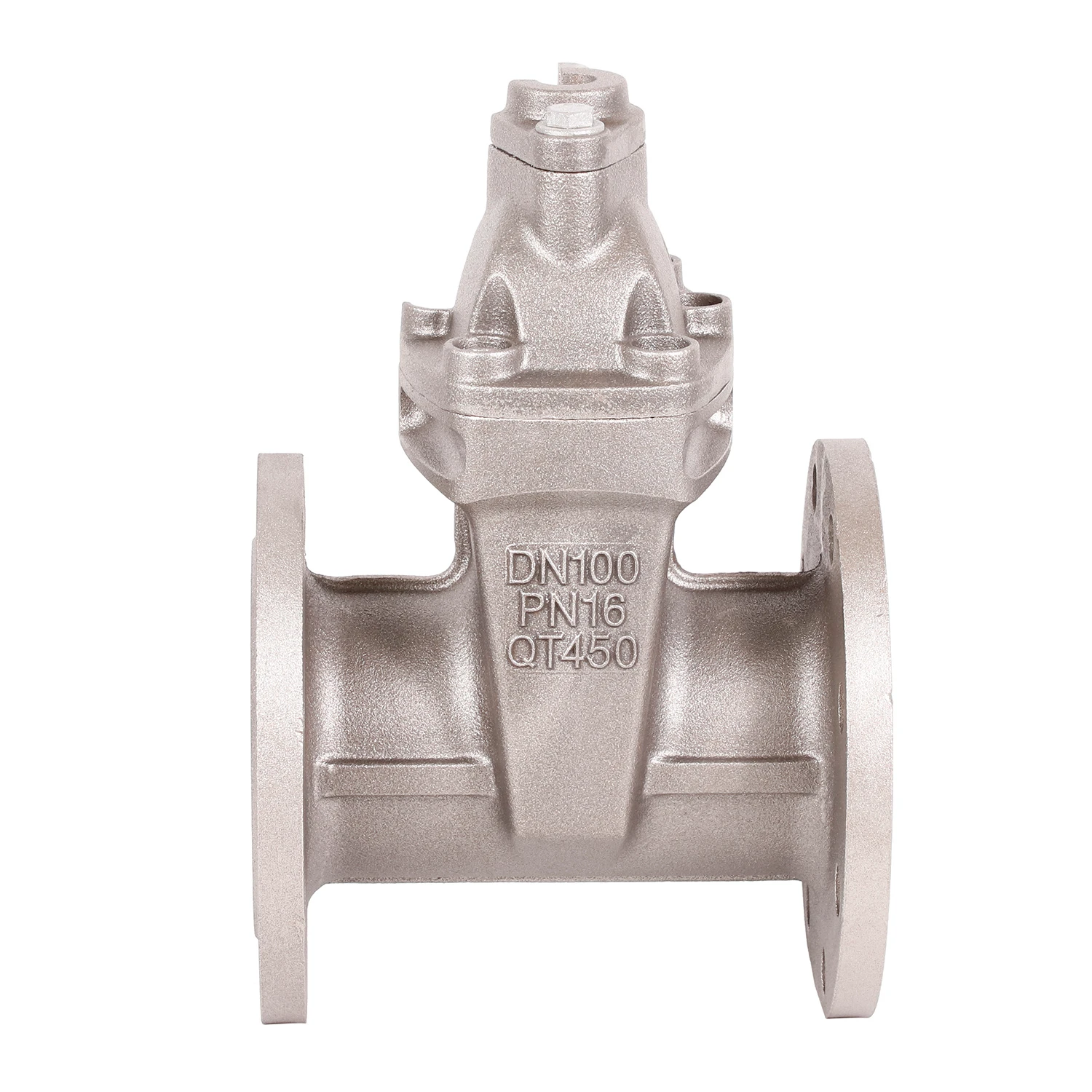
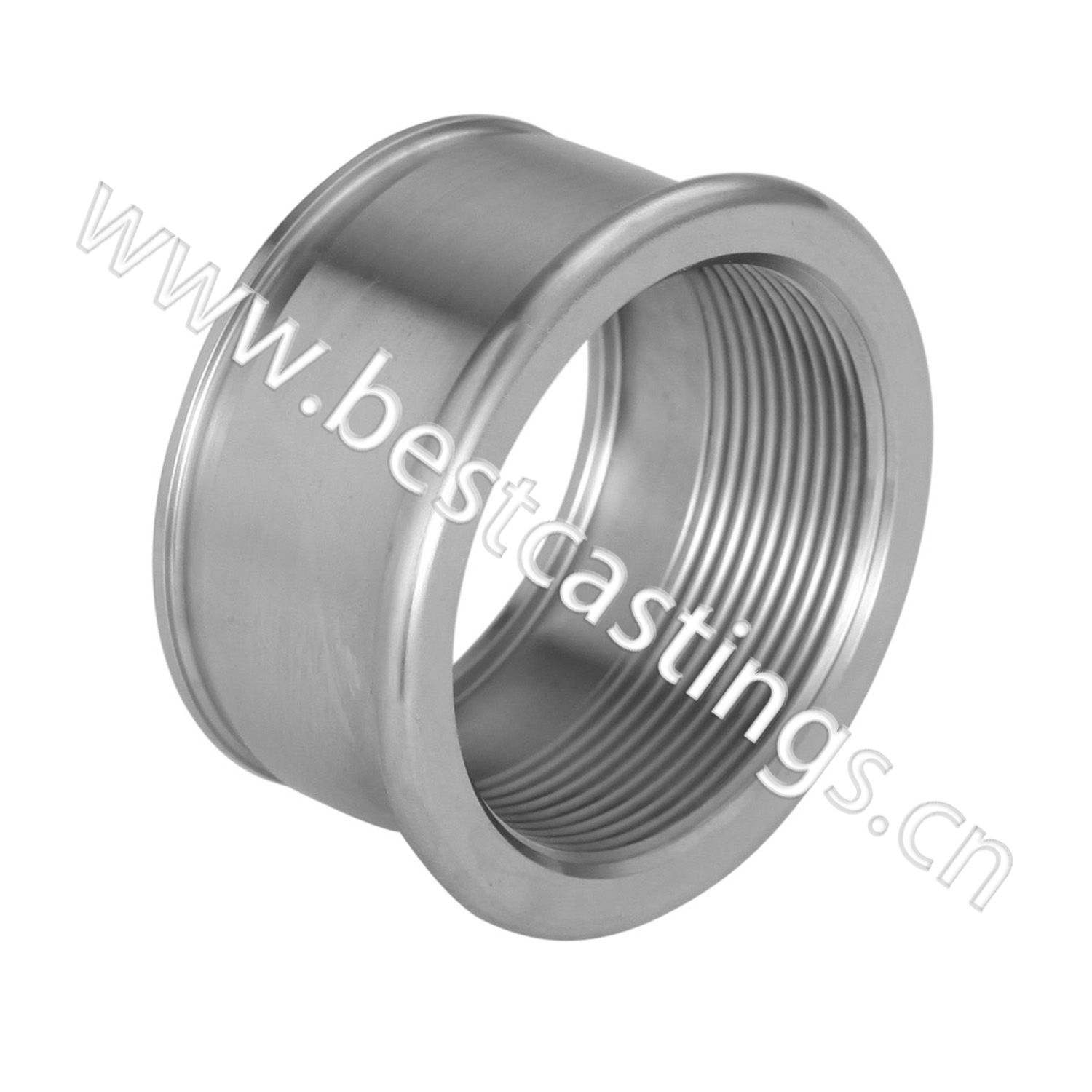
By the 1980s and 90s, a shift occurred toward nodularization. The introduction of nodular cast iron fittings revolutionized the piping industry, offering superior impact resistance and pressure ratings compared to traditional grey iron.

In the last decade, the integration of CAD/CAM and advanced simulation software has allowed for the precise design of complex iron casing components, reducing material waste and increasing the lifespan of heavy machinery used in the Pilbara mining region.

Future Development Trends

AI-Driven Casting Simulation

Integration of machine learning to predict shrinkage and porosity in large-scale castings, ensuring near-zero defect rates for critical infrastructure.

Green Aluminum Smelting

A transition toward low-carbon aluminum sourcing to meet Australia's 2050 net-zero goals, specifically affecting the procurement of aluminum gravity casting parts.

Smart Material Integration

The development of "sensing" metal plates that can signal structural fatigue or corrosion through embedded nano-sensors.

Industry Trends & Future Outlook

Strategic foresight for the Australian metal fabrication sector.

Additive Manufacturing Hybridization
Combining 3D metal printing with traditional casting to create internal geometries impossible via standard molds.
Advanced Corrosion Shielding
New plasma-sprayed coatings for nodular iron to withstand the aggressive salt-mist of the Australian coastline.
Resource Circularity
Implementing closed-loop scrap metal recycling in aluminum gravity casting to reduce energy overhead.
Precision Automation
Automated pouring and cooling systems to ensure consistency in large-batch iron casing production.

Industry Outlook

Looking ahead, Google search trends indicate a rising interest in "sustainable metallurgy" and "high-ductility fittings" across Oceania. We predict a shift toward materials that offer a higher strength-to-weight ratio, particularly in the mining and energy sectors.

The industry will likely move toward a decentralized production model where precision molds are designed globally and cast locally using automated facilities to reduce logistics costs and carbon footprints.

Localized Application Scenarios in Australia

Real-world deployments of specialized metal products across various Australian industries.

01. Mining Machinery in the Pilbara Region

Utilizing heavy-duty iron casing for ore crushers and conveyor systems that must withstand extreme abrasive wear and high impact.

02. Urban Water Infrastructure in Melbourne

Deployment of high-pressure hydrant pipes and fittings to ensure reliable fire protection in densely populated residential zones.

03. Industrial Chemical Storage in Queensland

Application of enamelled cast iron plate for tank linings and flooring to prevent acid corrosion and ensure longevity in harsh chemical environments.

04. Aerospace Component Manufacturing in Adelaide

Employing aluminum gravity casting for engine housings and structural brackets where lightweight precision is non-negotiable.

05. Agricultural Irrigation Systems in the Murray-Darling Basin

Installation of corrosion-resistant nodular cast iron fittings to manage water distribution across vast farmland with varying soil acidity.

Brand Story

Global Development Journey of Hebei Mingda International Trade Co., Ltd.

Foundational Excellence

Established as a specialized metal supplier, we focused on mastering the fundamental physics of iron and aluminum casting to serve local industrial needs.

Technological Breakthrough

Invested in R&D to perfect the nodularization process, allowing us to produce fittings that bridged the gap between cast iron and forged steel.

Global Market Expansion

Expanded our footprint into Oceania, tailoring our product line to meet the stringent Australian and New Zealand safety standards.

Sustainable Innovation

Introduced eco-friendly casting methods and recycled material integration to solve the industry's carbon emission pain points.

Industry Leadership

Today, we stand as a trusted partner for Australian infrastructure, providing end-to-end metal solutions from design to delivery.

Comprehensive Metal Product Portfolio for Australia

A curated range of high-strength, corrosion-resistant components designed for the Oceania region.

Australia Industry FAQ

Technical answers to the most common queries from our Australian partners.

How do nodular cast iron fittings compare to ductile iron for Australian soil conditions?

Nodular cast iron fittings provide superior elasticity and tensile strength, making them ideal for areas with shifting soil or seismic activity common in certain Australian regions, reducing the risk of brittle failure.

What is the lifespan of enamelled cast iron plate in saltwater environments?

With high-grade vitreous enamel coating, these plates offer exceptional resistance to chloride-induced corrosion, typically lasting 2-3 times longer than uncoated iron in coastal industrial settings.

Can aluminum gravity casting meet aerospace tolerances in Australia?

Yes, by utilizing precision molds and controlled cooling rates, aluminum gravity casting can achieve the tight tolerances and structural integrity required for non-critical aerospace and automotive components.

What standards are applied to hydrant pipes for urban fire safety in NSW?

Our hydrant pipes are manufactured to comply with AS/NZS standards, ensuring they can handle high-pressure surges and resist internal corrosion over decades of service.

How is iron casing customized for mining equipment in the Pilbara?

We offer custom alloy compositions to increase hardness and wear resistance, specifically tailoring the casting process to the high-impact needs of iron ore processing.

What is the lead time for custom metal casting orders to Australia?

Lead times vary by complexity, but typically range from 4-8 weeks, including precision molding and quality testing, followed by efficient maritime shipping to major Australian ports.

Request a Technical Consultation

Our engineers are ready to help you optimize your metal components for the unique environmental demands of Australia.

Contact Us Now

If you are interested in our products, you can choose to leave your information here, and we will be in touch with you shortly.