High-Performance nodular cast iron fittings for North Korea Infrastructure

Providing precision-engineered metal components and industrial casting solutions tailored for the rigorous demands of North Korean heavy industry and urban development.

High-Performance nodular cast iron fittings for North Korea Infrastructure

Specializing in the delivery of durable, high-pressure resistant metal products including precision iron casing and advanced alloy castings for the North Korean industrial sector.

Industrial Metal Casting Landscape in North Korea

Analyzing the survival and adaptation of heavy metal manufacturing in a closed economic environment.

The manufacturing sector in North Korea relies heavily on legacy Soviet-era infrastructure, where the demand for robust iron casing remains critical for mining and energy extraction. Due to the country's mountainous terrain and harsh winter climates, there is a continuous need for corrosion-resistant materials that can withstand extreme temperature fluctuations.

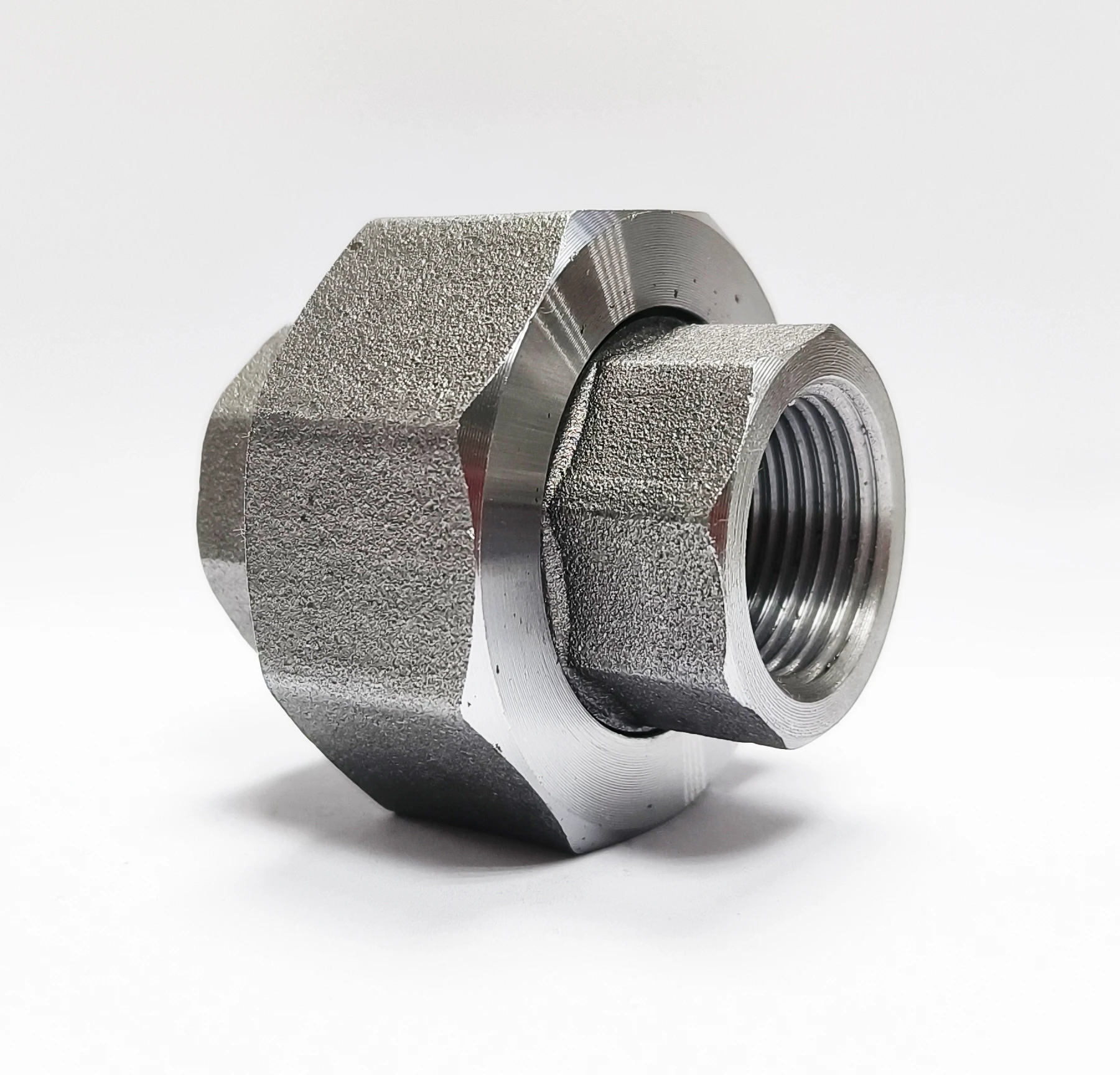
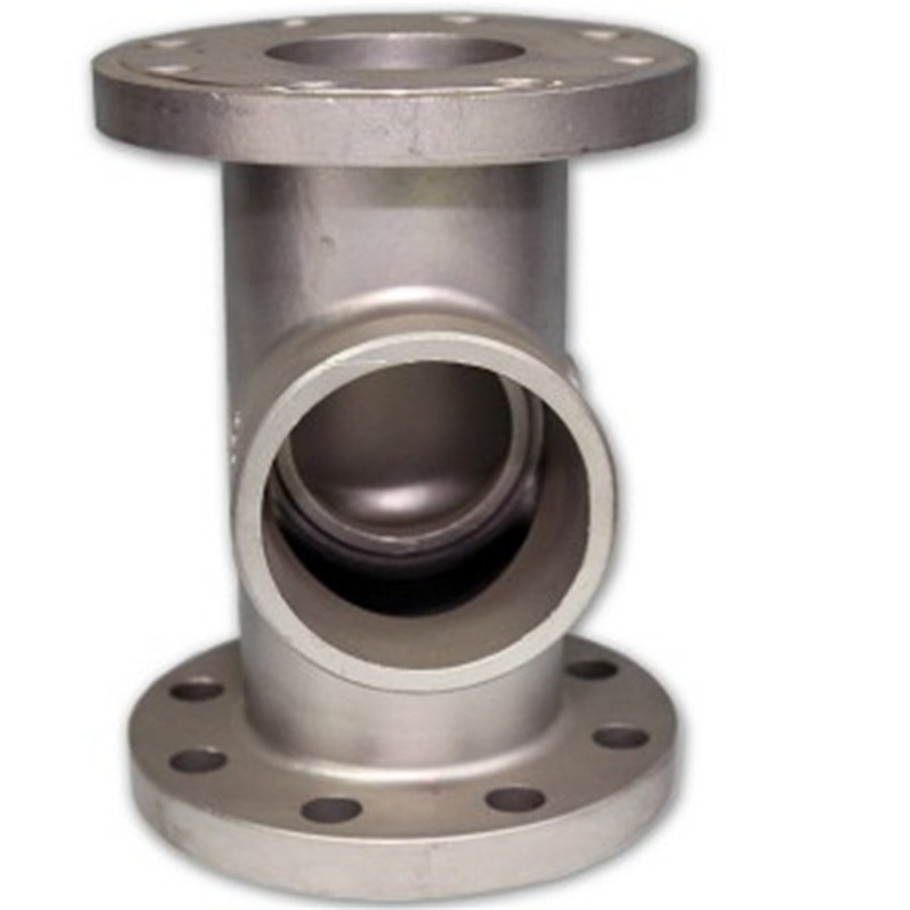
Local industries are increasingly seeking a transition from traditional grey iron to higher-grade materials like nodular cast iron fittings to reduce leakages in aging municipal water networks and industrial piping systems. The scarcity of raw high-grade alloys often limits local production, creating a strategic gap for imported precision castings.

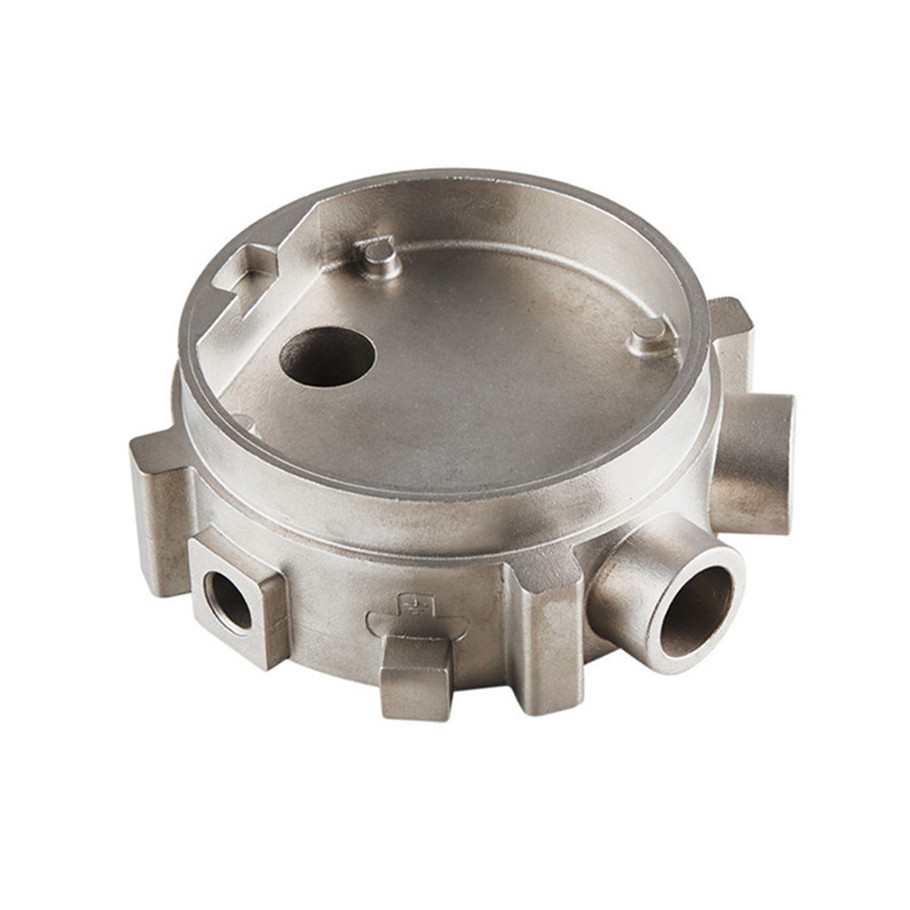
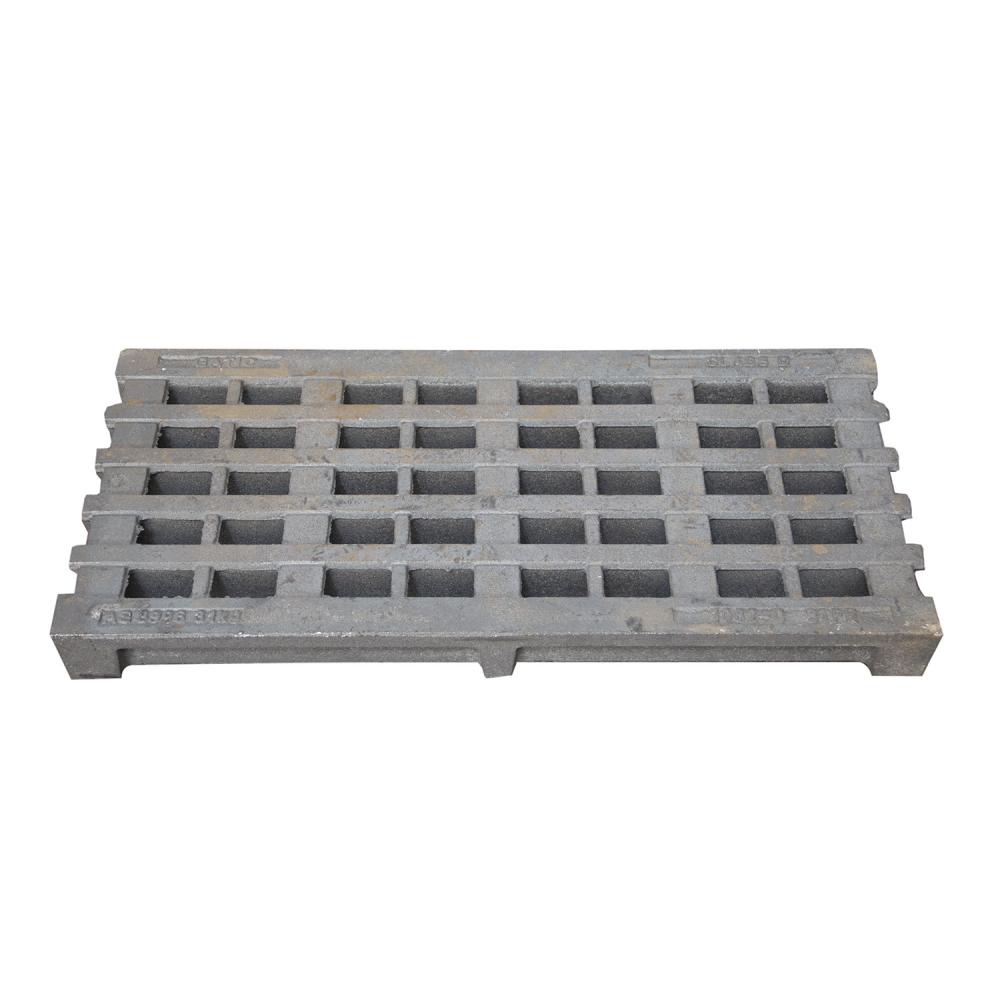
Furthermore, the development of urban centers in Pyongyang has spurred a need for specialized architectural metalwork, including enamelled cast iron plate for durable industrial flooring and cladding, blending utilitarian strength with necessary surface protection against chemical oxidation.
Evolution of Metal Fabrication in North Korea

From traditional foundry methods to the integration of precision gravity casting technologies.

Market Development History

From 1950 to 1990, the region focused on massive scale, low-precision casting, primarily utilizing basic sand casting for heavy machinery. This era was dominated by the production of oversized iron components for the state-run steel mills.

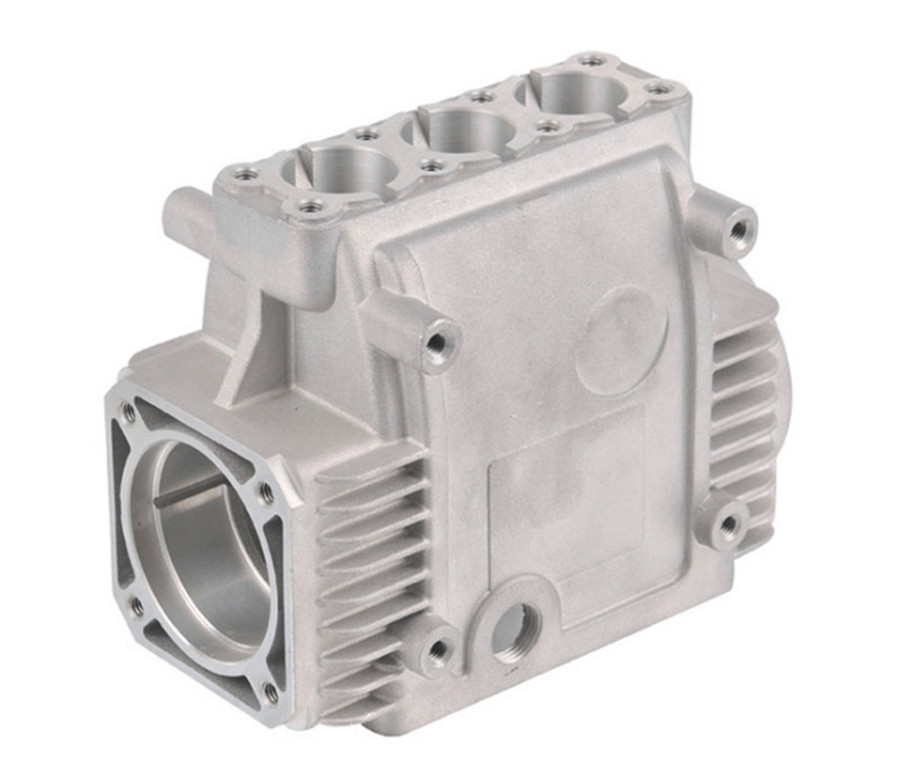
Between 2000 and 2015, a shift occurred toward specialized alloys. The introduction of aluminum gravity casting allowed for the creation of lighter, more efficient engine components and electrical housings, reducing energy consumption in transport.

Since 2016, the focus has migrated toward infrastructure resilience. The adoption of high-pressure hydrant pipes has become a priority for urban fire safety and water management in newly developed economic zones.

Future Development Trends

Material Hybridization

Expected integration of composite coatings on traditional iron bases to increase life cycles in saline coastal environments.

Precision Casting Automation

A move toward CNC-machined finishing for gravity castings to meet stricter international tolerance standards.

Enhanced Ductility Standards

Increasing replacement of brittle cast iron with nodular graphite iron to prevent catastrophic failures in seismic-prone regions.

Strategic Trends and Future Outlook

Projecting the trajectory of metal manufacturing based on industrial demand and material science.

Smart Casting Integration
Utilizing digital simulation to optimize the flow of molten metal in complex aluminum gravity casting molds.
Corrosion Mitigation
Advanced enamelling processes for cast iron plates to survive high-acidity industrial environments.
Infrastructure Renewal
Systematic replacement of obsolete pipelines with nodular cast iron fittings for urban safety.
Resource Optimization
Focusing on scrap metal recycling to produce high-quality iron casings with lower carbon footprints.

Industry Outlook

Over the next 3-5 years, search trends indicate a growing interest in "sustainable metallurgy" and "high-pressure fluid transport." For North Korea, this translates to a demand for components that reduce maintenance costs, specifically targeting the replacement of outdated hydrant systems.

We anticipate a surge in the requirement for lightweight alloys in specialized machinery, where aluminum gravity casting will replace heavier steel components to increase efficiency in state-led transportation projects.

Localized Application Scenarios in North Korea

Practical implementations of specialized metal products across diverse regional industries.

01. Mining Machinery Protection

Using heavy-duty iron casing to protect critical gear assemblies in the coal mining regions of South Hamgyong Province.

02. Urban Fire Safety Networks

Installation of high-durability hydrant pipes in Pyongyang's new residential districts to ensure reliable emergency water access.

03. Industrial Flooring Solutions

Deploying enamelled cast iron plate in chemical processing plants to prevent floor erosion from corrosive reagents.

04. Precision Engine Housing

Applying aluminum gravity casting for the manufacture of lightweight transmission housings in domestic vehicle production.

05. Municipal Water Distribution

Upgrading aging city water mains with nodular cast iron fittings to minimize pressure loss and burst frequency.

Brand Story

Global Development Journey of Hebei Mingda International Trade Co., Ltd.

Founding Vision

Established to bridge the gap between high-end metallurgical science and practical industrial application, focusing on the most challenging casting environments.

Technical Breakthroughs

Perfected the balance of ductility and strength in nodular iron, solving the frequent cracking issues found in standard industrial fittings.

Global Expansion

Expanded logistics and quality control systems to serve emerging markets, ensuring that precision castings reach remote industrial hubs.

Quality Standardization

Implemented rigorous ISO-compliant testing for every batch of gravity castings, ensuring zero-defect delivery for critical infrastructure.

Sustainable Future

Committing to green casting technologies and the development of recyclable alloy systems to support global environmental goals.

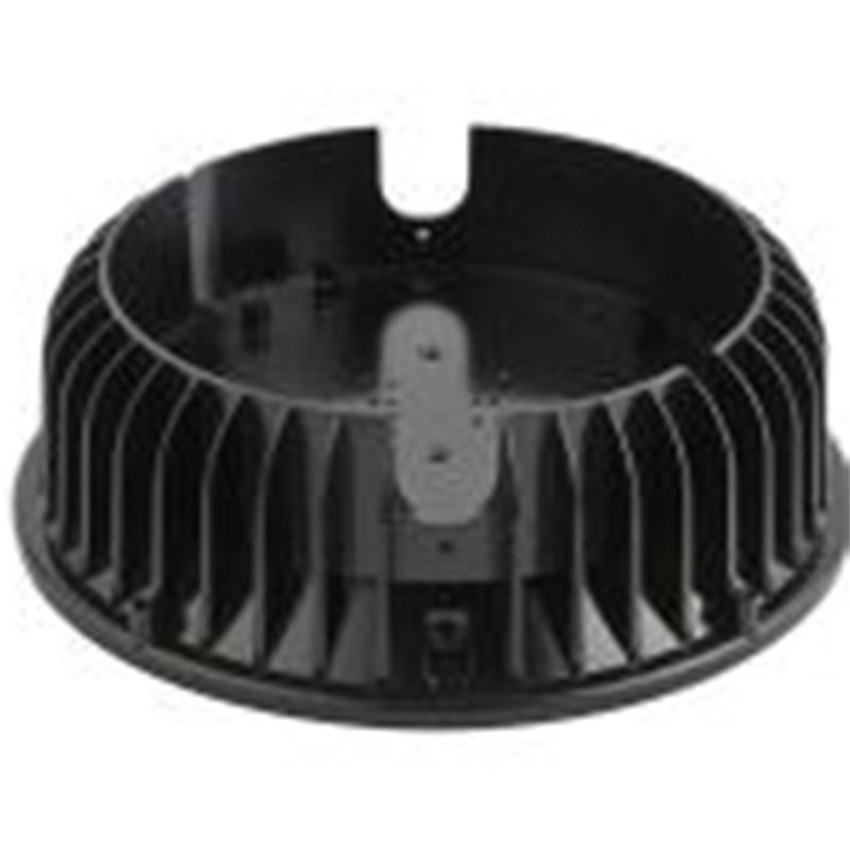
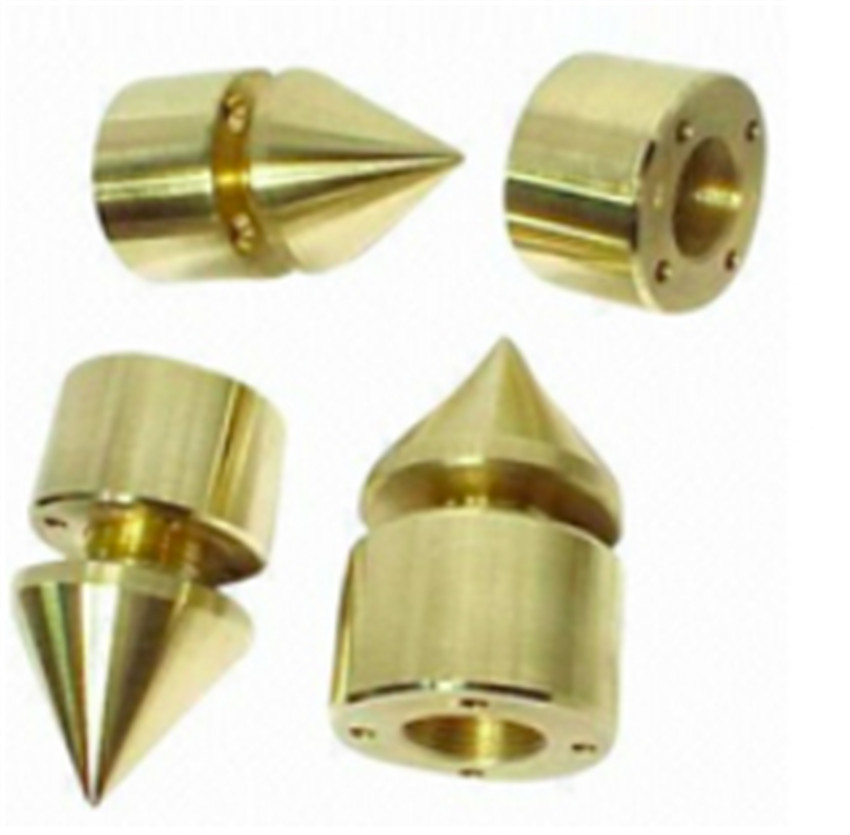
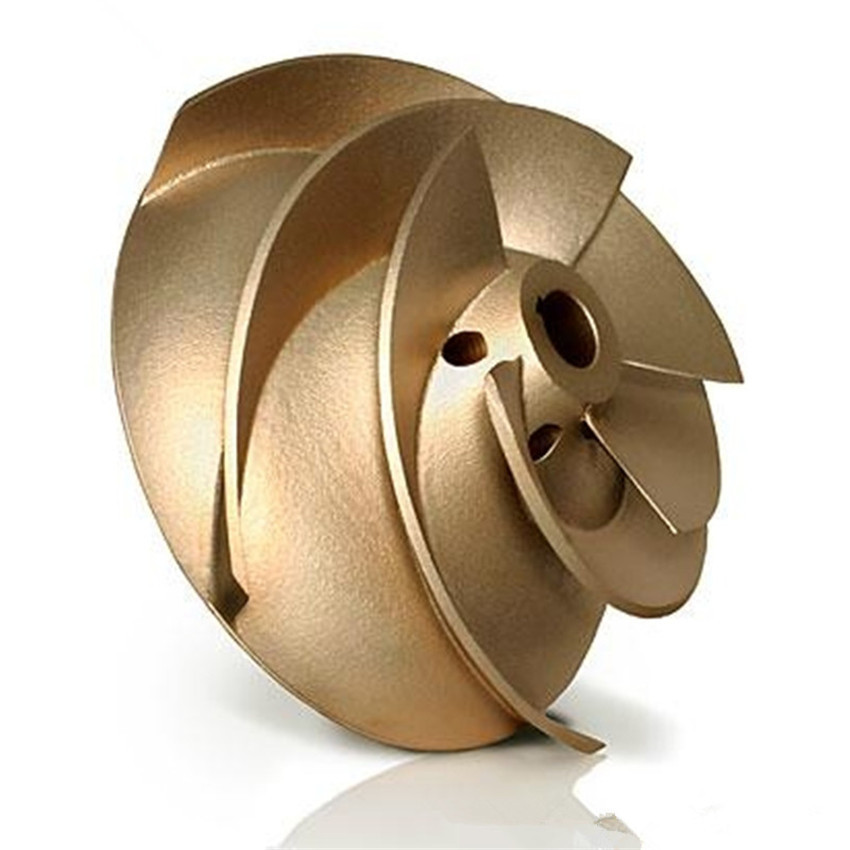
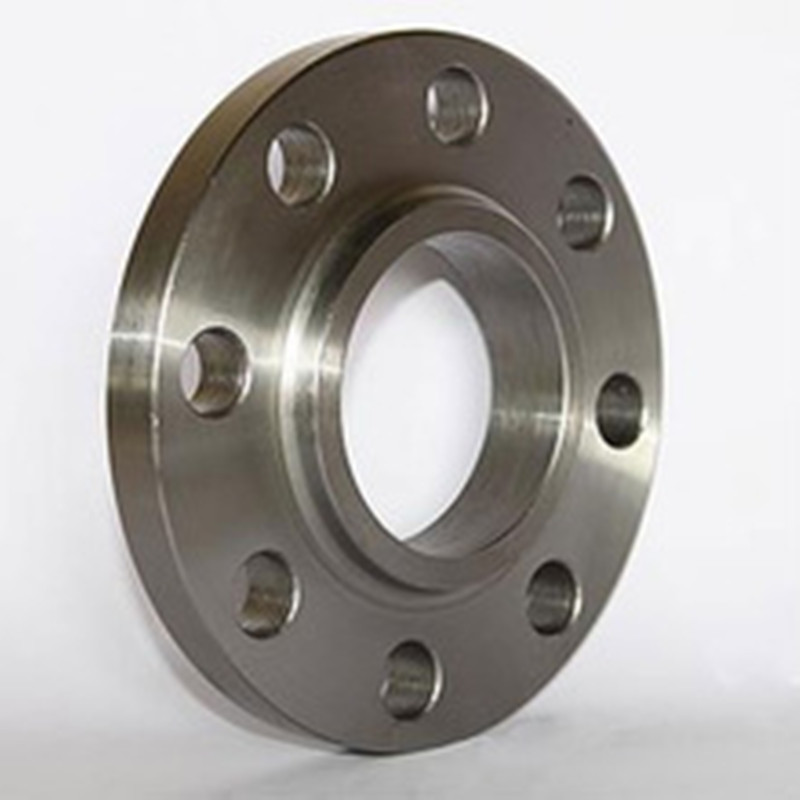
Comprehensive Metal Casting Portfolio for North Korea

A full range of precision-engineered solutions from heavy iron casings to lightweight aluminum components.

Common Questions regarding Metal Products in North Korea

Technical guidance and procurement FAQs for industrial buyers.

How do nodular cast iron fittings perform in extreme cold?

Our nodular cast iron fittings are engineered for high ductility, which prevents brittle fractures during the freezing temperatures typical of North Korean winters.

What is the advantage of aluminum gravity casting for vehicle parts?

Aluminum gravity casting provides superior structural integrity and lower weight compared to sand casting, increasing fuel efficiency and reducing wear on chassis components.

Are enamelled cast iron plates suitable for acidic environments?

Yes, the enamel coating creates a non-porous glass surface that is highly resistant to chemical corrosion, making it ideal for industrial plant flooring.

Can iron casing be customized for specific mining equipment?

We provide full OEM customization for iron casing, ensuring the dimensions and material hardness match the specific stress requirements of your machinery.

What is the lifespan of industrial hydrant pipes in urban settings?

With our advanced corrosion-resistant coatings, our hydrant pipes are designed to last over 50 years with minimal maintenance in standard urban soil conditions.

How is the quality of nodular iron verified before shipping?

Every batch undergoes ultrasonic testing and spectrometer analysis to ensure the graphite nodularity and chemical composition meet global industrial standards.

Get Expert Metal Solutions

Contact our engineering team today for high-precision metal casting requirements in North Korea.

Contact Us Now

If you are interested in our products, you can choose to leave your information here, and we will be in touch with you shortly.