Phone:
+86 18631189888

Email:
liyanhui@bestcastings.cn

It’s easy to overlook the humble forged flange, but this critical component quietly underpins countless infrastructure and industrial projects worldwide. In an age where robust pipelines, machinery, and structural integrity matter more than ever, understanding what a forged flange brings to the table isn’t just for engineers or procurement specialists. It’s about reliable connections, safety, and long-term value in everything from oil rigs to water treatment plants.
According to the International Organization for Standardization (ISO), the global pipeline and pressure vessel markets are expected to grow steadily — partly driven by urbanization, energy needs, and water infrastructure. That means millions of connections using components like forged flanges are installed and maintained yearly. Yet challenges like corrosion, mechanical stress, and extreme temperatures often create problems. Forged flanges help address these by offering superior strength and durability.
Oddly enough, while there’s an entire ecosystem of sealing systems, gasket types, and flange varieties, forged flanges tend to be the go-to when reliability can’t be compromised. So in industrial hubs from Houston to Rotterdam, and even in humanitarian projects where sturdy water pipelines can save lives, these parts quietly matter.
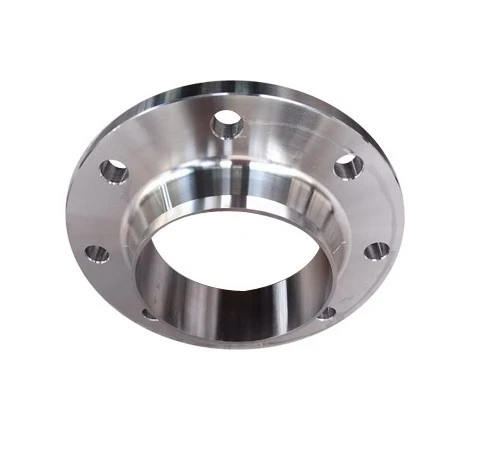
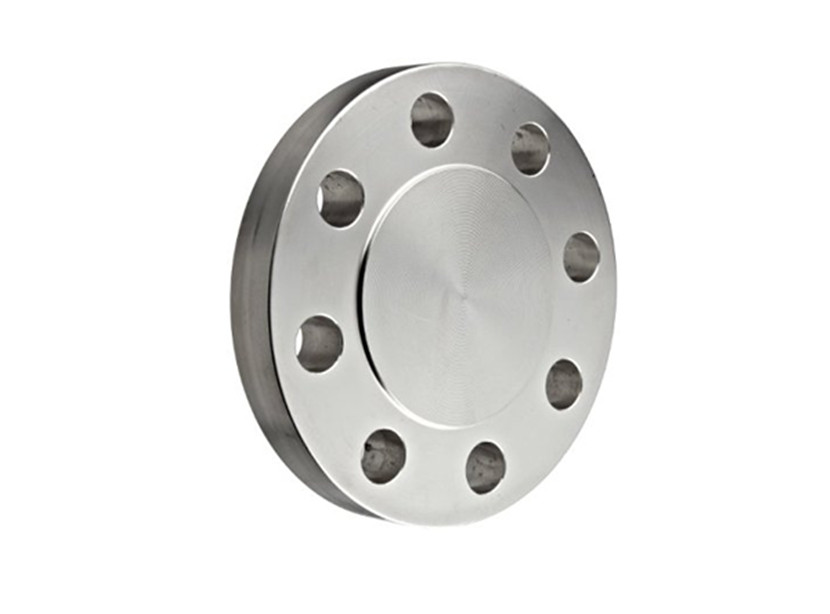
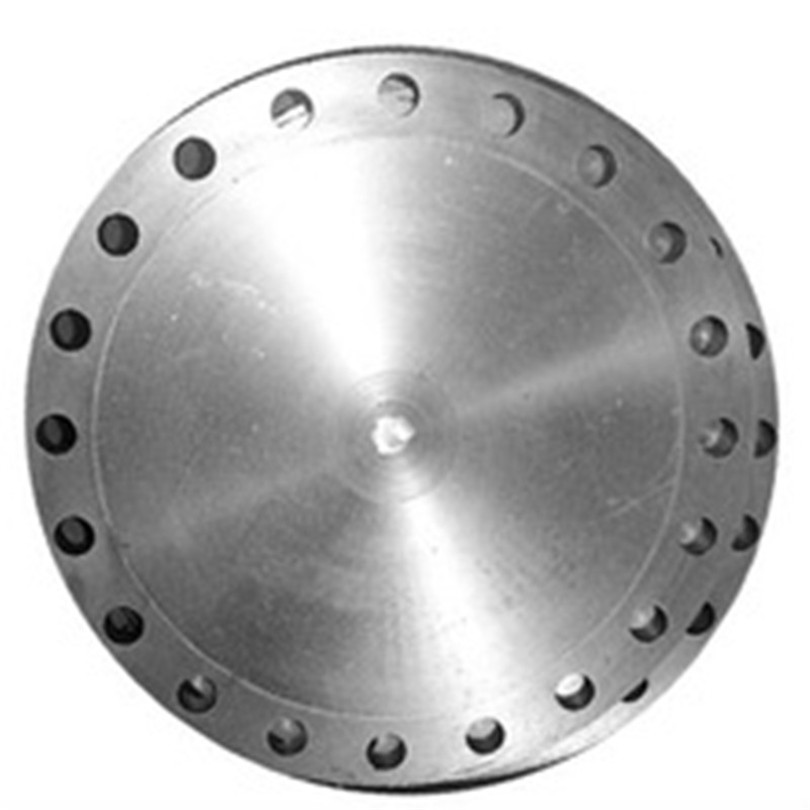
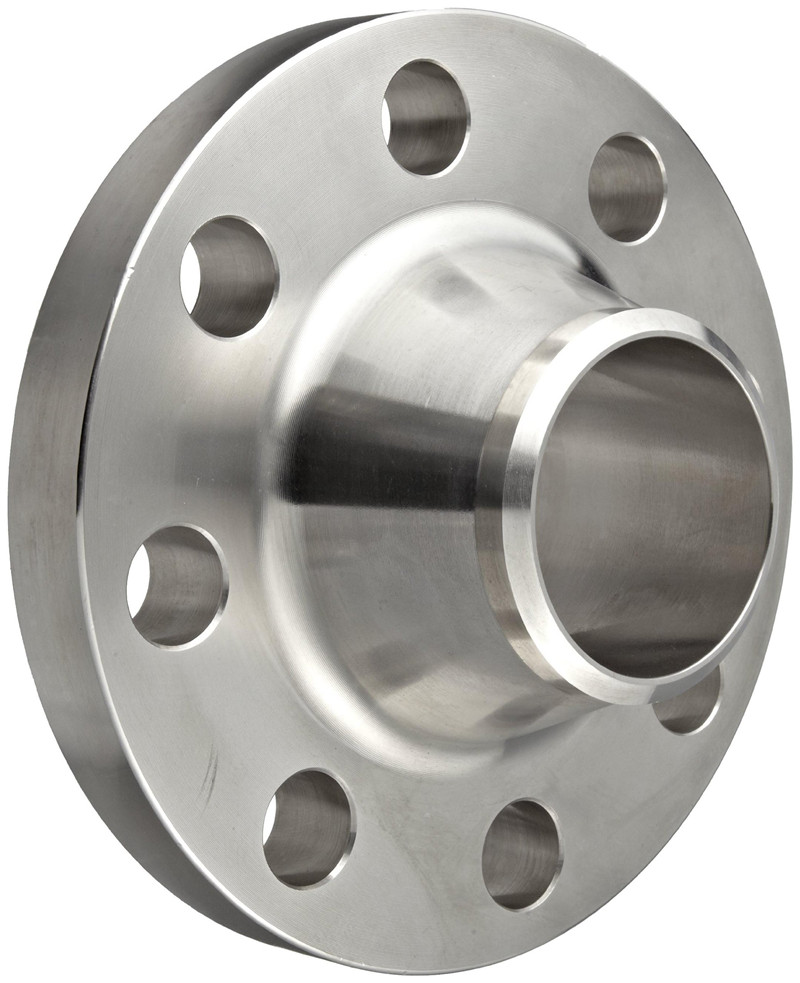
Forged flanges are mechanical components produced by shaping a heated metal billet through compressive forces in a die — a process called forging. This results in a flange with a continuous grain flow, fewer internal voids, and superior mechanical properties compared to cast or machined flanges. Simply put, they’re tougher, more reliable connectors used to join pipes, valves, pumps, and other critical equipment.
In modern industry, forged flanges are vital for creating tight, leak-proof seals in systems that carry everything from natural gas to corrosive chemicals. Sometimes I think of them as the “unsung linchpins” of heavy industry: you rarely hear about them unless something goes wrong.
The forging process aligns metal grains in the direction of strength, making forged flanges resilient against mechanical stress, impact, and fatigue. This means fewer failures and longer service life — a huge win in high-pressure or high-temperature environments.
Many forged flanges are made from stainless steel or specially alloyed materials, which withstand corrosive elements better than cast options. This is crucial for marine industries, chemical plants, and water treatment where exposure to harsh conditions is routine.
Forged flanges can be manufactured to comply with global standards like ASTM, ANSI, and ISO, ensuring interoperability. This makes sourcing and installing them worry-free even when multiple suppliers or vendors are involved.
While forged flanges typically cost more upfront than their cast counterparts, their longer lifespan and lower maintenance requirements usually save money in the long run. Plus, fewer shutdowns for replacement means more operational uptime.
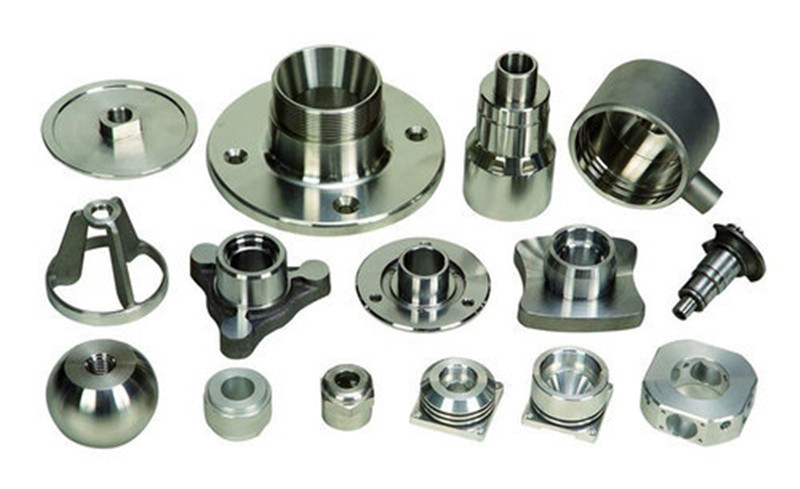
Thanks to modern CNC machining and forging techniques, forged flanges can be tailored in size, pressure rating, and face finish, making them suitable for niche applications like subsea pipelines or specialized industrial equipment.
Globally, forged flanges find homes in diverse sectors:
For example, after the 2010 earthquake in Haiti, NGOs reported that rapidly sourced forged flanges helped ensure emergency water pipe repairs lasted beyond initial relief phases—a great example of industrial tech impacting humanitarian response.
| Specification | Value/Range |
|---|---|
| Material | Carbon Steel, Stainless Steel, Alloy Steel |
| Pressure Ratings | Class 150 to Class 2500 (ANSI) |
| Size Range | 1/2 inch to 48 inches (NPS) |
| Standards | ASME, ASTM, ISO, DIN |
| Face Types | Raised Face (RF), Flat Face (FF), Ring Type Joint (RTJ) |
| Manufacturing Process | Closed-die Forging with CNC Machining |
| Vendor | Material Range | Custom Sizes | Lead Times | Certifications |
|---|---|---|---|---|
| Mingda Metals | Carbon, Stainless, Alloy | Yes | 3-5 weeks | ISO 9001, ASTM |
| Universal Forgings | Stainless, Alloy | Limited | 4-6 weeks | ISO 14001 |
| Global Steelworks | Carbon Steel only | Yes | 2-4 weeks | ASTM, API |
One reason many engineers swear by forged flanges is their mix of safety, durability, and cost-effectiveness. Of course, you pay a premium upfront — but this usually turns into better uptime, fewer leaks, and easier inspections.
There’s an emotional aspect too: knowing that in a high-stakes environment (think: chemical refinery or offshore drilling), these flanges can mean fewer accidents and better worker safety. Long-term sustainability goes hand-in-hand with this. You’re not just buying a part; you’re investing in trust and peace of mind.
We’re seeing exciting innovations in forged flange manufacturing—like the use of greener, recycled alloys and additive manufacturing to reduce waste. Digital quality control with ultrasonic testing and AI-driven supply chain tracking promises even more reliability. Plus, as industries pivot toward greener energy pipelines (hydrogen, biogas), forged flanges will be engineered for new chemical compatibilities and enhanced sealing technologies.
The biggest gripe is usually cost and lead times—some projects need fast delivery, and custom forging isn’t a last-minute quick fix. However, vendors are solving this by keeping some standard stock sizes ready and using modular designs. Also, transport logistics for large forged units can be tricky, especially in remote zones, but better packaging and local agency partnerships help a lot.
When you boil it down, forged flanges might seem simple but play a vital role in industrial safety, reliability, and cost management. They bind the global infrastructure quietly but effectively. If you’re sourcing them, consider vendors like Mingda Metals, who combine quality and customization without excessive lead times.
Want to explore more or get a quote on forged flanges? Visit our website: https://www.mingdametals.com.