Phone:
+86 18631189888

Email:
liyanhui@bestcastings.cn


Metric pipe fittings might not be a household term, but if you’ve ever glanced at infrastructure schematics, tapped into manufacturing sectors, or studied fluid conveyance in industries, you’ve encountered their quiet indispensability. These components form the backbone of countless piping systems worldwide, ensuring that fluids and gases flow safely and efficiently. Their significance spans multiple industries—from water treatment plants to oil refineries, construction to humanitarian aid projects—highlighting their universal applicability.
Grasping the importance of metric pipe fittings is more than a technical exercise; it’s appreciating one of the often overlooked pillars of global infrastructure. Understanding their design and function helps optimize operations, reduce costly downtime, and complies with stringent international standards — all critical in today’s fast-evolving industrial landscape.
The world’s infrastructure systems are growing more interconnected, standardized, and stringent. According to the International Organization for Standardization (ISO), metric units have become the predominant measuring system globally, simplifying trade and manufacturing processes. Metric pipe fittings embody this shift — replacing inches and fractions with millimeters and decimals, which offers greater precision and compatibility.
Across Asia, Europe, and increasingly Africa and Latin America, industries demand metric-based fittings to ensure interoperability, especially in multi-vendor environments. The World Bank’s infrastructure reports highlight that incomplete or incompatible piping often leads to repeated installations and wasted resources, a problem metric fittings can preclude.
Yet, challenges remain: variations in material standards, regional supplier discrepancies, and the complexities induced by custom projects still put pressure on engineers and planners to get this foundational piece right.
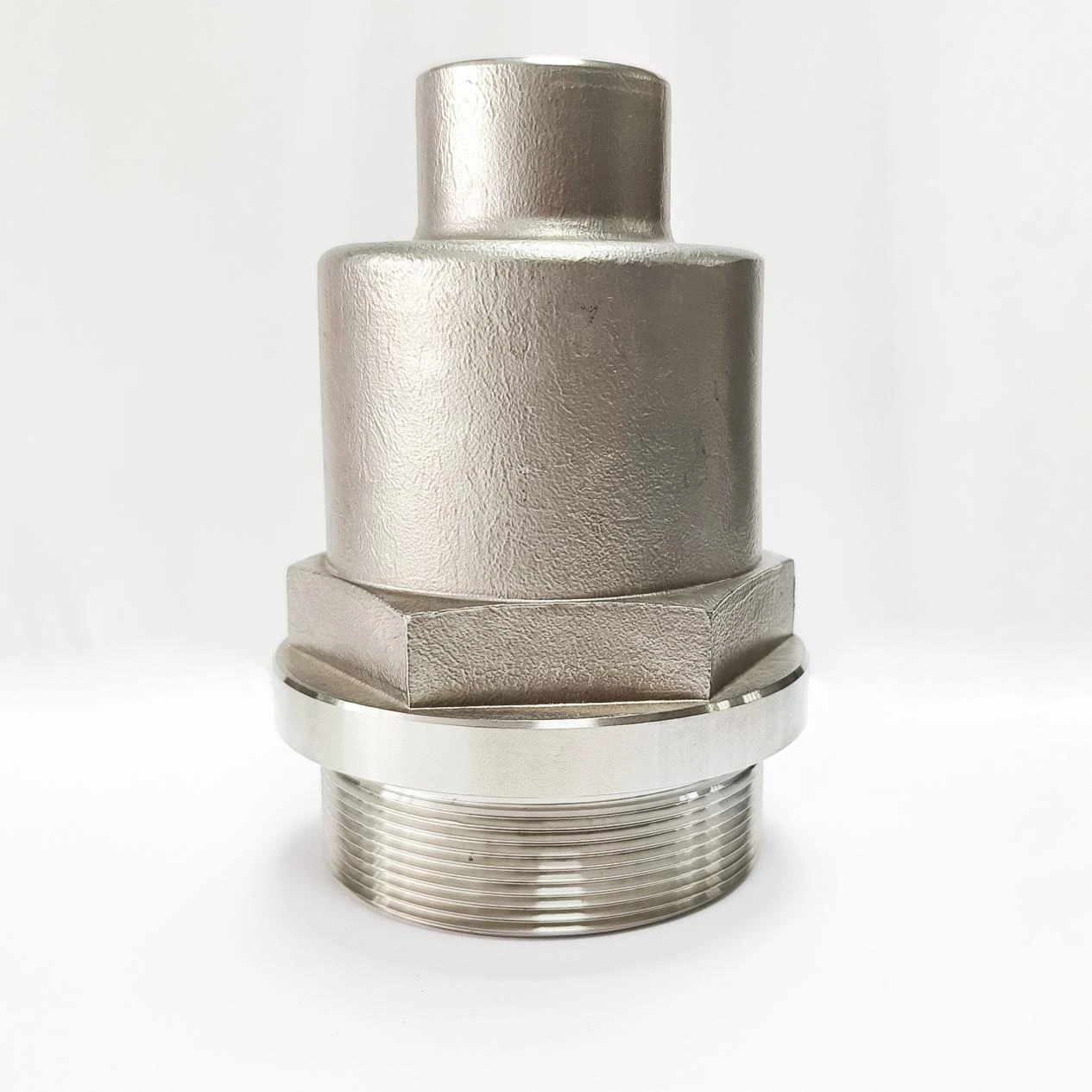
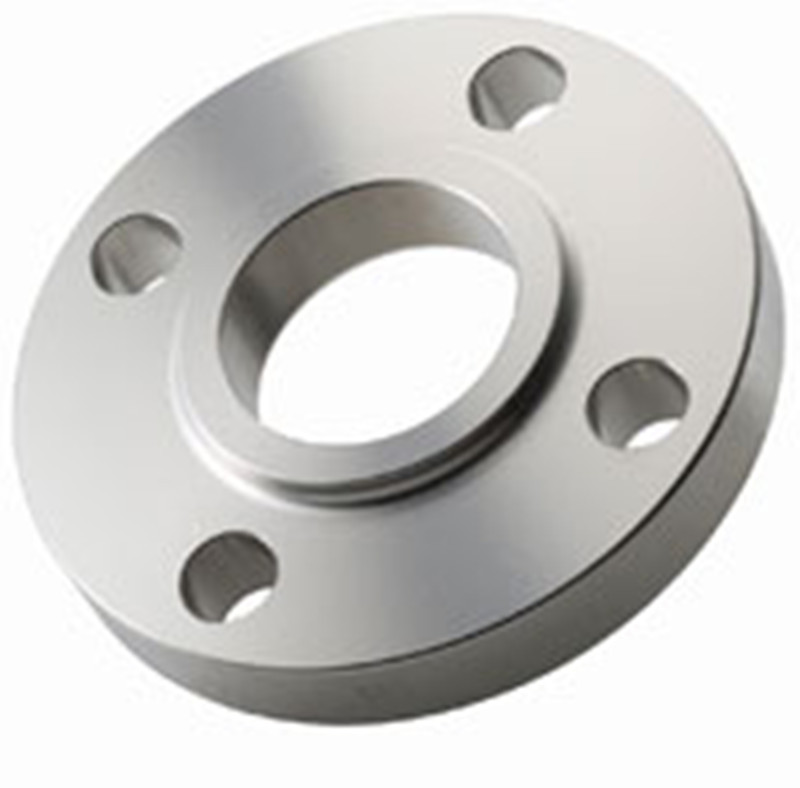
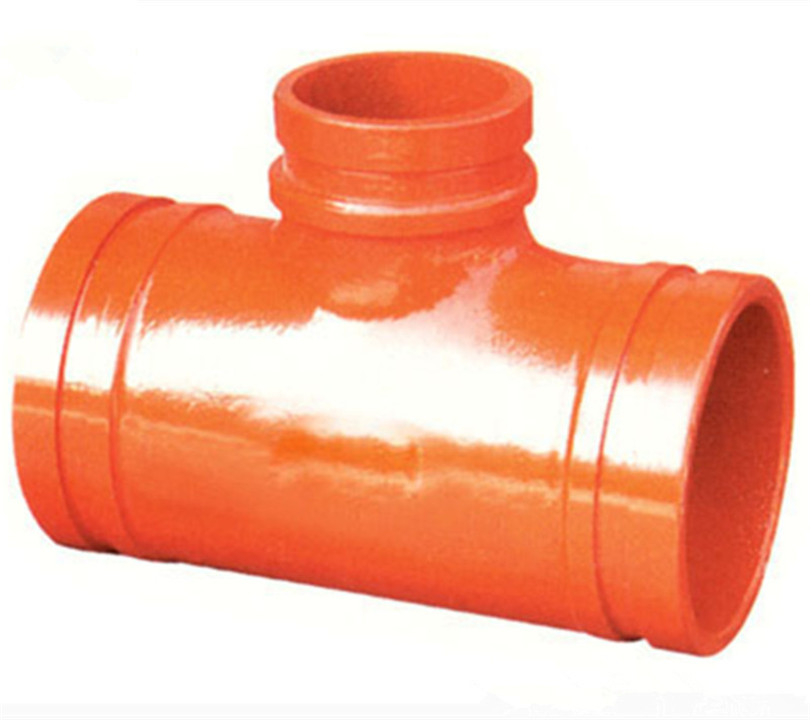
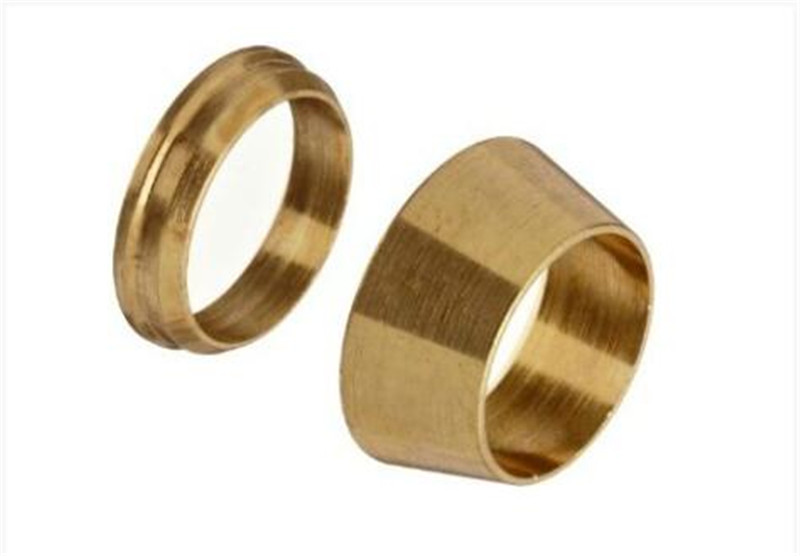
Simply put, metric pipe fittings are connectors used to join segments of pipe or tubing sized according to the metric system (millimeters). This contrasts with imperial fittings that use inches. They include tees, elbows, couplings, adapters, and reducers, among others — each designed to control the direction, flow, and pressure of fluids or gases within piping systems.
In modern industry, metric pipe fittings enable compatibility across multinational supply chains and facilitate faster assembly given their standardized specifications. From humanitarian water projects needing rapid deployment to sophisticated chemical plants, these fittings serve as silent cogs keeping operations smooth and safe.
The choice of material — be it stainless steel, brass, PVC, or carbon steel — greatly influences longevity and suitability. Stainless steel fittings, for example, resist corrosion in harsh environments, making them ideal for chemical or marine applications. Durability reduces maintenance costs and contributes to safety.
Metric designs lend themselves to tighter manufacturing tolerances. This means fittings seal better and offer reduced leak risks. ISO and DIN standards govern these tolerances, ensuring that fittings from different manufacturers can work interchangeably.
Metric pipe fittings accommodate flexible system designs, allowing easy scaling up or down depending on fluid volumes or pressure demands. Many vendors now offer custom-sized fittings with metric specifications to suit specialized projects.
While sometimes slightly pricier upfront than imperial counterparts – mainly due to manufacturing precision – metric pipe fittings often save money long-term via reduced rework and better compatibility. Their global prevalence has steadily driven down costs too.
Adherence to material and manufacturing standards ensures fittings meet environmental regulations — critical in industries handling hazardous fluids. These components minimize leak hazards, protecting both workers and ecosystems.
| Fitting Type | Material | Size Range (mm) | Pressure Rating (bar) | Typical Use |
|---|---|---|---|---|
| Elbow (90°) | Stainless Steel | 15–100 | 16 | Water, chemicals |
| Tee | Brass | 20–50 | 10 | Gas distribution |
| Coupling | PVC | 25–160 | 6 | Drainage, irrigation |
Whether you’re in the industrial belt of Germany, the expanding urban centers of China, or responding to a natural disaster in Southeast Asia, metric pipe fittings play a crucial role. For example:
Oddly enough, standardized fittings also ease maintenance procedures for multinational corporations, where interchangeability is key to avoiding costly downtime.
| Supplier | Material Range | Global Reach | Customization | Warranty |
|---|---|---|---|---|
| Mingda Metals | Steel, Brass, PVC | Asia, Europe, Africa | Full-custom orders available | 5 years |
| Global Pipe Co. | Carbon steel, PVC | Worldwide | Limited | 3 years |
| EuroFittings | Stainless steel, brass | Europe, Middle East | Custom for bulk | 4 years |
Using metric pipe fittings brings an array of tangible benefits. For one, it improves safety by reducing leaks and pressure failures — a vital factor in sectors like chemical processing or gas distribution where human lives and environments are at risk. You also get the reliability of international standardization: easier procurement, simpler maintenance, lower risk of errors.
Beyond logistics, it fosters trust among stakeholders — customers, workers, regulators — that systems are built to last and comply with best practices. Customers often tell me they appreciate this peace of mind, knowing their infrastructure won't unexpectedly fail.
And frankly, cost savings over the life-cycle of pipes, fittings, and systems can be significant when you avoid downtime and reworks.
Looking ahead, several trends are shaping the landscape:
Sure, using metric pipe fittings isn't without hurdles. Supply chain disruptions can delay project timelines, and regional variations in standards sometimes complicate sourcing. Not all vendors provide consistent customization options. Also, some legacy systems still rely on imperial sizing, creating hybrid challenges.
Experts often recommend early supplier engagement, proactive inventory management, and specifying ISO-certified products to mitigate such risks. Innovative approaches like standardized adapters that bridge imperial and metric systems are gaining popularity, easing transitions.
A1: Typically, no—metric and imperial fittings differ in size and threading. However, specialized adapter fittings exist to connect the two systems, easing retrofit scenarios. It’s essential to verify compatibility carefully to avoid leaks or mechanical stress.
A2: Stainless steel grades (like 304 or 316) and certain plastics (PVC, CPVC) excel in resisting corrosion. Brass also offers good durability. Material choice depends on the specific fluid and environmental exposure.
A3: Look for manufacturers compliant with ISO or DIN standards, review product certifications, and prefer vendors with solid warranties. Sampling and inspection upon receipt are also standard practices.
A4: Yes, many suppliers, including Mingda Metals, offer tailored sizes and materials to meet specific design requirements.
A5: Oddly enough, yes. Since metric standards align with most countries’ industrial practices, sourcing globally is often simpler compared to imperial fittings.
Metric pipe fittings represent the quiet, but immensely vital, foundation in industrial, environmental, and humanitarian piping systems globally. Their precise dimensions, global standardization, and durable materials make them indispensable across countless sectors. By investing in metric fittings, organizations future-proof their infrastructure for safety, efficiency, and sustainability.
If you’re considering metric pipe fittings for your next project or want to explore custom options, visit Mingda Metals to discover top-tier solutions that combine quality with flexibility.
Mini takeaway: Embracing metric pipe fittings isn’t just a technical preference; it’s a strategic decision aligning with global standards and future-ready industry practices.
References:
1. ISO Standards on Metric Pipe Fittings – iso.org
2. World Bank Infrastructure Report 2023 – worldbank.org
3. Metrication and Industrial Supplies – Wikipedia