Phone:
+86 18631189888

Email:
liyanhui@bestcastings.cn

When it comes to industrial piping systems, the terms flange wn flange so flange sw flange might sound like tongue twisters but, frankly, they are more than just jargon. These components play a crucial role in creating safe, reliable, and efficient systems that power large-scale operations worldwide—from oil refineries to water treatment plants and chemical factories.
Globally, the demand for safe industrial connections keeps rising. The United Nations Industrial Development Organization (UNIDO) estimates that industries related to chemical processing and energy will grow by over 15% in the next decade, making the understanding of these flange types not just practical but critical. They ensure systems can be flexibly assembled, dismantled, or maintained without costly downtime.
Mini takeaway: Knowing the ins and outs of flange wn, so, and sw flanges means safer pipelines and leaner operations in industries that literally keep the world running.
Just pause and imagine: an oil pipeline running thousands of miles, or a massive water supply network feeding millions. At each joint, flanges provide crucial sealing, bearing, and structural integrity. According to ISO 7005 standards, flanges must meet strict dimensional and material guidelines to withstand pressures and temperatures without fail.
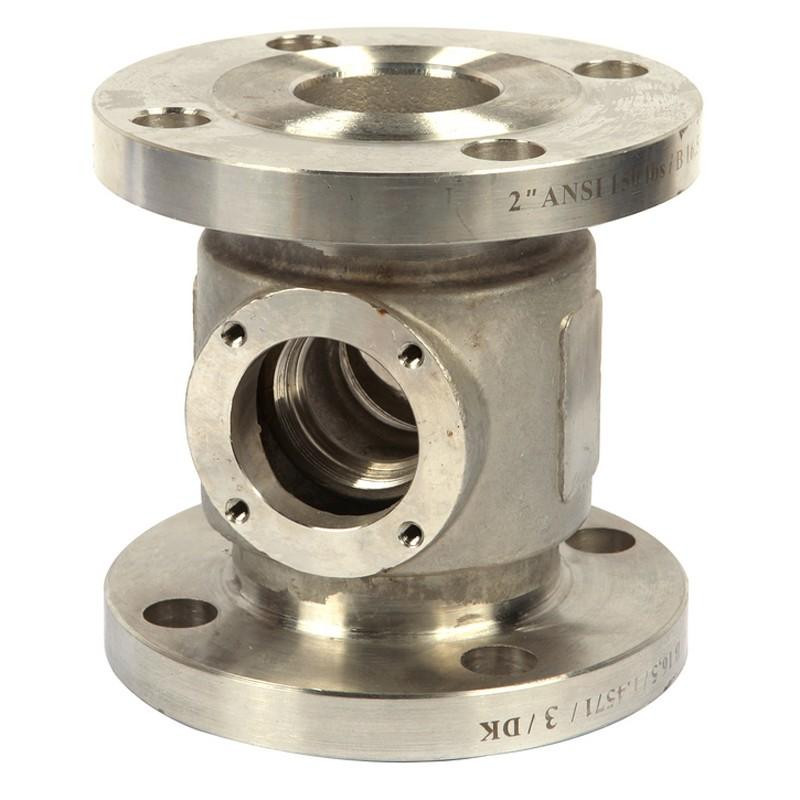
But here’s the challenge—different applications require different flange designs. That’s where understanding the nuances of flange wn flange so flange sw flange helps engineers select the exact fitting for each job. For instance, a welding neck flange (WN) is preferred in high-pressure scenarios because of its tapered hub, which reduces stress points. Slip-on (SO) flanges, on the other hand, are quick to install but less robust, making them perfect for low-pressure or non-critical systems.
Mini takeaway: You can’t just pick any flange; matching flange types to operational demands is essential to avoid leaks, wear, or failures that domino into costly shutdowns.
So what really separates these flanges? Let’s put it simply:
These flange types are foundational in modern industry, influencing pipelines for oil & gas, water, power, and chemical manufacturing. They even have humanitarian importance, ensuring robust connections for water and sanitation projects in disaster-prone areas.
Mini takeaway: From durability to ease of installation, each flange type serves a unique purpose adapted to practical industrial needs.
WN flanges stand out. Their tapered neck resists bending and cyclic pressures better than others. SO flanges sacrifice some strength for installation speed, while SW provides a balance for high-pressure small pipes.
WN can handle extreme temperatures and pressures thanks to the full-penetration weld. SO flanges typically suit lower ratings. SW is robust for small diameters but isn’t often used above Class 300 (pressure rating).
Slip-On flanges are straightforward—literally slip and tack weld—so they save time and costs on low-risk systems. WN and SW require more precise welding skills and inspections, hence a longer installation.
SO flanges are generally cheaper upfront but may incur higher maintenance in harsh conditions. WN flanges cost more but offer longevity superior for critical applications.
Flanges can be customized by material (carbon steel, stainless steel, alloy), facing style (raised face, flat face), and rating. This versatility means they fit almost any industrial challenge.
| Flange Type | Pressure Class | Installation Ease | Ideal Piping Size | Common Materials |
|---|---|---|---|---|
| Welding Neck (WN) | Class 150 to 2500 | Complex | All sizes, especially large-diameter | Carbon Steel, Stainless Steel, Alloy Steel |
| Slip-On (SO) | Class 150 to 300 | Easy | Small to Medium | Carbon Steel, Stainless Steel |
| Socket Weld (SW) | Class 150 to 300 | Moderate | Up to 2 inch | Carbon Steel, Stainless Steel |
The vastness of flange applications is quite something. For example, in the Middle East’s oil and gas fields, welding neck flanges are widely used to ensure pressure integrity in pipelines transporting crude oil. Their high durability and pressure resistance are vital in tough desert environments.
Conversely, in water treatment plants in Southeast Asia, slip-on flanges save time and cost when connecting lower-pressure pipes, facilitating quick upgrades in growing cities. Socket weld flanges, meanwhile, are a favorite in pharmaceutical manufacturing hubs in Europe where space and precision welding guarantee leak-proof pipelines carrying sensitive fluids.
In disaster relief, modular piping with quick-install SO flanges supports rapid deployment of water supply systems, critical for emergency sanitation and health access.
Mini takeaway: The versatility of these flange types means they adapt to vastly different environments—from rugged oil fields to critical health infrastructure.
There’s an emotional aspect too: engineers often express confidence and peace of mind using well-designed flanges, knowing their seals guard communities and environments upstream and downstream.
Flange technology isn’t stuck in the past. Today’s R&D explores corrosion-resistant alloys, composite materials, and even 3D printed flanges for rapid custom jobs. Digital sensor integration to monitor flange integrity in real time is entering pilot stages, which could revolutionize pipeline maintenance.
Also, as industries push for greener practices, suppliers are developing low-carbon steel options and sustainable manufacturing processes to reduce environmental footprints while boosting performance.
It’s fair to say improper flange selection or welding causes a chunk of pipeline failures worldwide. Issues such as misalignment, gasket incompatibility, or material mismatch lead to costly leaks or downtime. The solution usually involves tighter international standards compliance, improved worker training, and better quality control.
Vendors now promote pre-fabricated flange-kits with matched components, reducing on-site errors. Also, advanced welding techniques like orbital welding improve consistency for SO and SW flanges.
| Vendor | Material Range | Custom Services | Global Reach | Price Range |
|---|---|---|---|---|
| Mingda Metals | Carbon, Stainless, Alloy | Tailored Designs & Quick Turnaround | Asia, Middle East, Europe, Americas | Competitive Mid-High |
| Global Flanges Inc. | Carbon & Stainless Steel | Standard & Some Custom | North America, Europe | Higher-End Premium |
| Asia Piping Solutions | Mostly Carbon Steel | Limited Custom Options | Asia-Pacific Focus | Budget-Friendly |
Industrial pipelines—and by extension, the world’s infrastructure—depend heavily on the dependable design and application of flanges like WN, SO, and SW. Understanding their unique features, operational contexts, and future trends keeps engineers ahead in maintaining safe, cost-effective, and sustainable piping systems.
Interested in sourcing the right flanges? It’s worth visiting Mingda Metals for comprehensive expertise and tailored solutions that fit every industrial need around the globe.
Oddly enough, while they may seem like simple rings of metal, the right flange choice often spells the difference between smooth operations and costly failures. Which makes learning about them a surprisingly valuable fix in every engineer’s toolkit.
Mini takeaway: Flange types aren’t just specs—they’re practical keys to industrial reliability and innovation.
References: