Phone:
+86 18631189888

Email:
liyanhui@bestcastings.cn


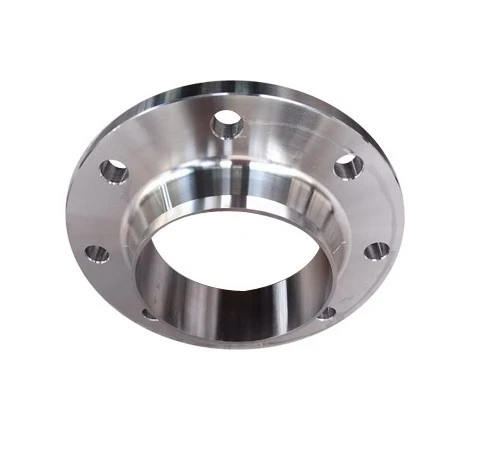
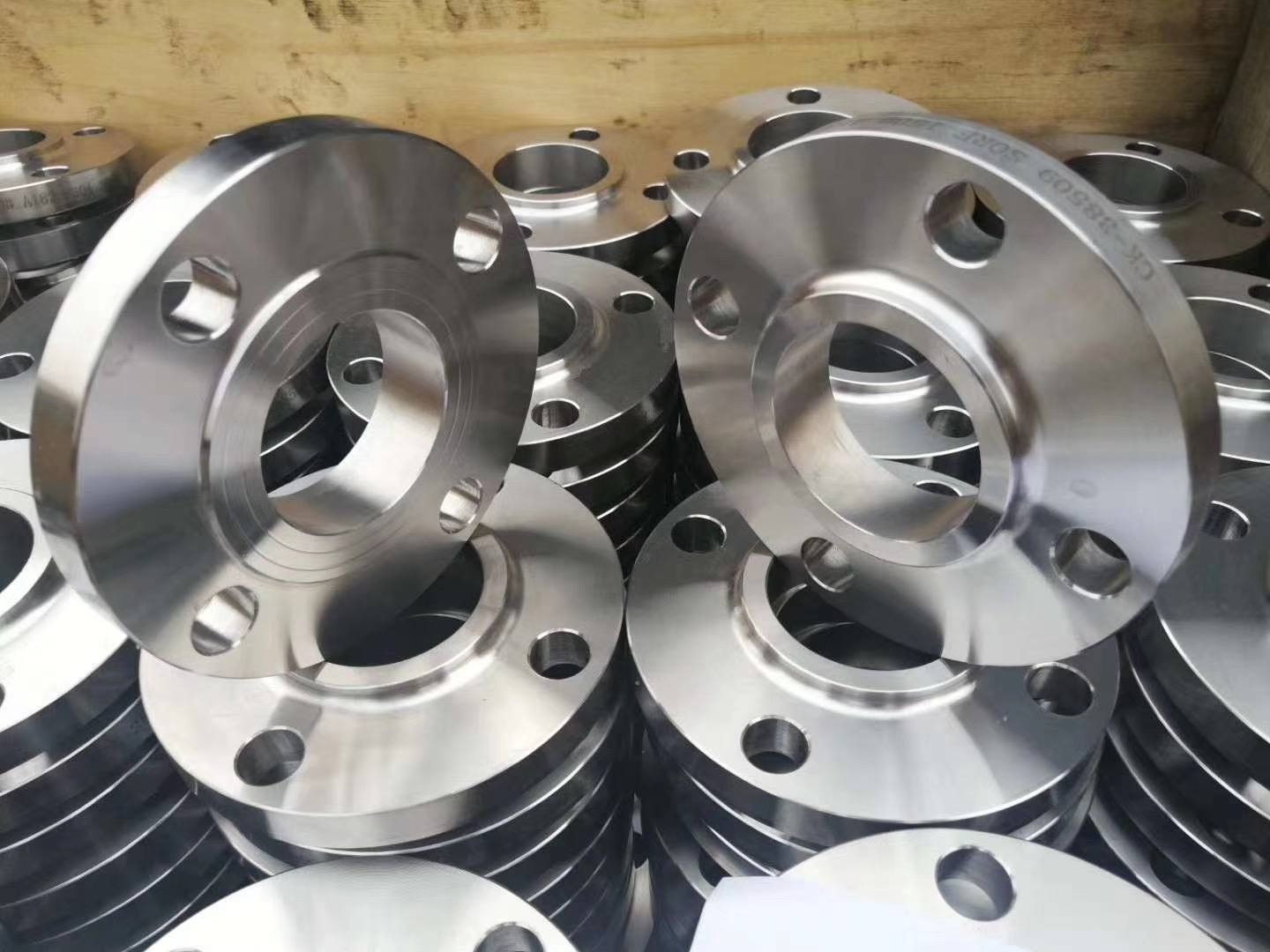
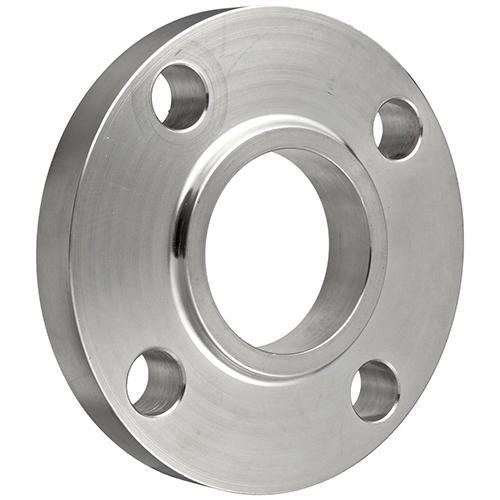
Having worked in the industrial equipment world for over a decade, I can say blanks flanges are one of those deceptively simple components—yet crucial to countless piping systems. When it comes to china blank flange, there’s quite a bit to unpack beyond the mere cylindrical disc that blocks a pipe end or a nozzle.
Oddly enough, getting to know these flanges feels sort of like peeling back layers of an onion. You find that the industry pays close attention to material grades, manufacturing tolerances, and testing protocols—because these little discs actually have to perform under a good deal of pressure, temperature swings, and even corrosive environments.
From my experience, steel grades like ASTM A105 or A350 LF2 are the bread and butter for blank flanges originating out of China. Carbon steel is popular due to its strength and affordability, while stainless steel variations meet the more demanding corrosion resistance requirements often found in chemical or offshore applications.
What really impressed me at Mingda Metals, for instance, is how they focus on seamless manufacturing and precise surface finishes. It’s something I noticed while evaluating several Chinese suppliers — consistent flatness and smooth faces matter a lot for ensuring leak-free seals when these flanges get bolted up with gaskets.
| Parameter | Details |
|---|---|
| Material Grades | ASTM A105, A350 LF2, Stainless Steel 304/316 |
| Diameter Range | 1/2" to 72" (custom sizes available) |
| Pressure Ratings | 150#, 300#, 600#, up to 2500# |
| Surface Finish | Smooth Machined Face, Raised Face Options |
| Testing | Hydrostatic and Material Test Reports (MTRs) |
| Customization | Thickness, Diameter, Face Type per customer spec |
Talking shop with veteran engineers, many emphasize quality consistency over lowest price when sourcing blank flanges. Mistakes in flange specs or subpar materials aren’t just inconvenient—they could cause downtime or safety hazards.
Here’s a quick vendor comparison I’ve put together from personal interactions and industry feedback. It’s far from exhaustive but should give a sense of how Chinese blank flange suppliers generally map out:
| Vendor | Lead Time | Quality Control | Pricing | Certifications |
|---|---|---|---|---|
| Mingda Metals | 2-4 weeks | ISO 9001, MTRs, hydro-testing | Medium | ISO, API, CE |
| Vendor B | 3-6 weeks | Basic QC, partial certs | Low | Partial ISO |
| Vendor C | 1-3 weeks | Inconsistent QC reports | Very Low | None |
I recall a project last year where a refinery customer needed a batch of blank flanges quickly due to an unexpected shutdown. Luckily, we worked with Mingda Metals. Their readiness and adherence to specs saved several days of downtime. You realize then, it’s not just about the flange itself, but the supplier relationship.
In real terms, china blank flange suppliers have matured immensely. There’s an industry-wide push toward better traceability, tougher testing protocols, and customization options to fit non-standard requirements—all essential when you’re dealing with anything from petrochemical plants to water treatment facilities.
To wrap it up, if you’re in procurement or engineering, remember these flanges might be “blanks,” but the devil’s in the details. Material quality, finish, timely delivery, and supplier credibility can make or break your schedule and safety assurances.
Stay curious, ask for MTRs, and if you can get samples to check flatness and finish yourself—that’s invaluable. Of course, not every supplier is the same… but careful vetting goes a long way.
Here’s hoping your next piping job goes off without a hitch—these little discs play a surprisingly big role.
References:
1. ASTM Standards for Flanges
2. Industry interviews and supplier audits 2019-2023
3. Mingda Metals product data and quality reports