Phone:
+86 18631189888

Email:
liyanhui@bestcastings.cn


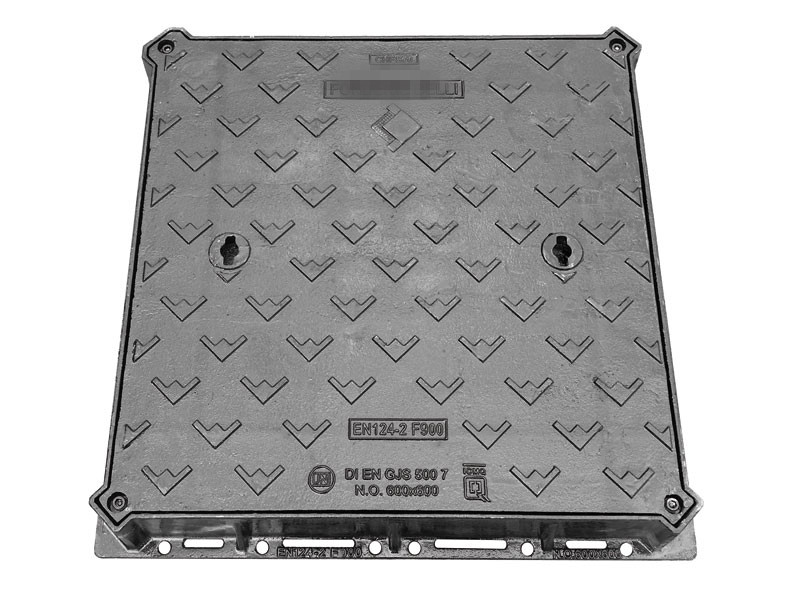
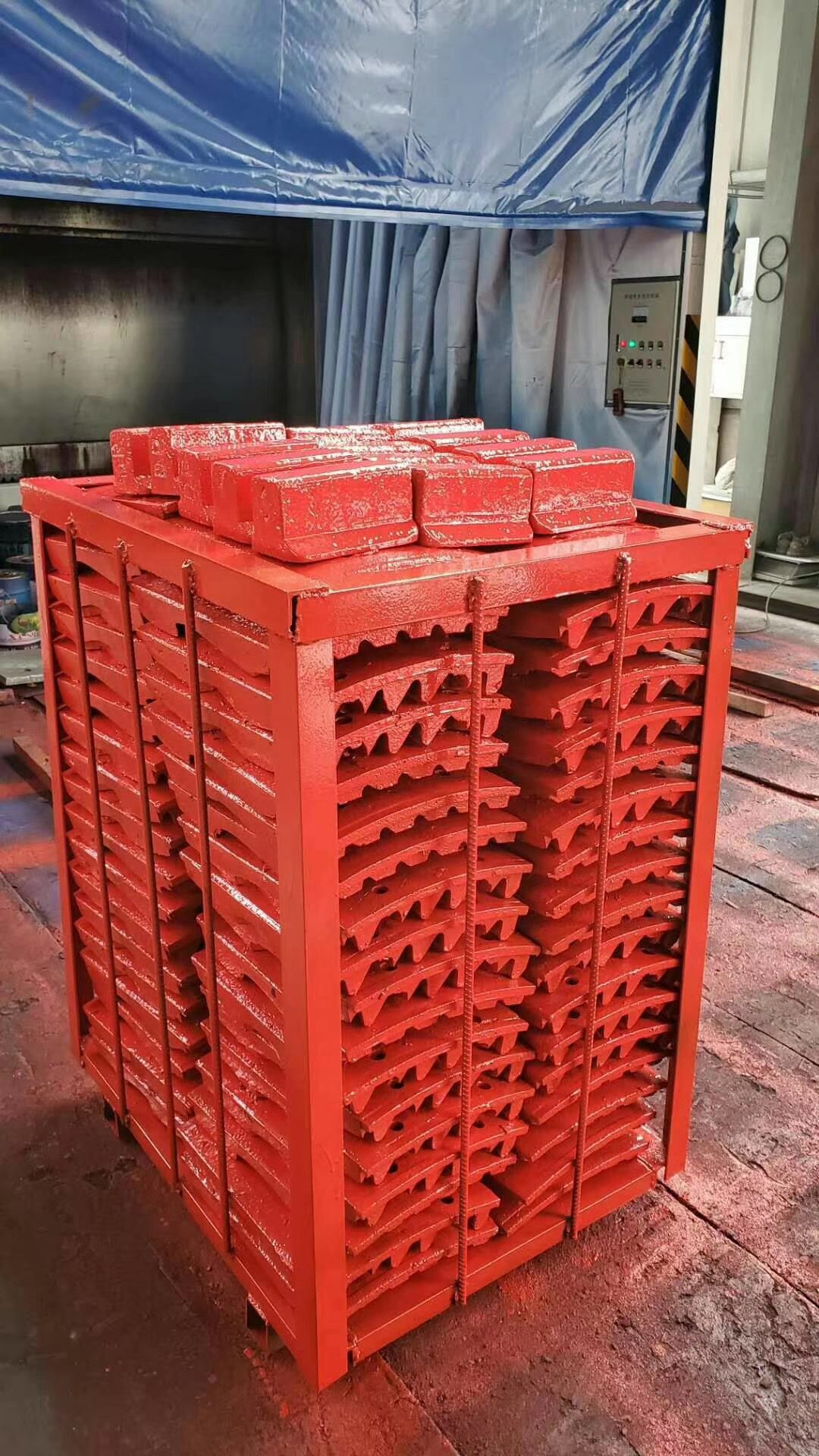
Cast iron plates have been a cornerstone of industrial manufacturing for centuries, valued for their strength, versatility, and cost-effectiveness. Hebei Mingda International Trading Company has established itself as a leader in producing high-quality cast iron plates tailored to meet the demands of modern industries. This article explores the technical specifications, advantages, and applications of cast iron plates, while highlighting the company's expertise and commitment to precision engineering.
Cast iron is an iron-carbon alloy with a carbon content exceeding 2.11%, typically ranging between 2.5% and 4%. It is composed primarily of iron, carbon, and silicon, with trace amounts of manganese, sulfur, and phosphorus. The unique properties of cast iron arise from the form and distribution of carbon within the material. National Institute of Standards and Technology (NIST) notes that cast iron's metallurgical characteristics make it indispensable in applications requiring wear resistance, vibration damping, and thermal stability.
There are several classifications of cast iron, each with distinct properties:
Hebei Mingda specializes in manufacturing cast iron plates using advanced techniques like resin sand casting, lost foam, and vacuum molding. These methods ensure precise control over material properties, making their products suitable for critical applications.
Hebei Mingda's cast iron plates are engineered to deliver exceptional performance across diverse industrial environments. Key features include:
| Parameter | Details |
|---|---|
| Carbon Content | 2.5% - 4.0% |
| Hardness | 180-250 HB (varies by type) |
| Tensile Strength | 150-400 MPa (depending on alloy) |
| Thermal Conductivity | 40-50 W/m·K |
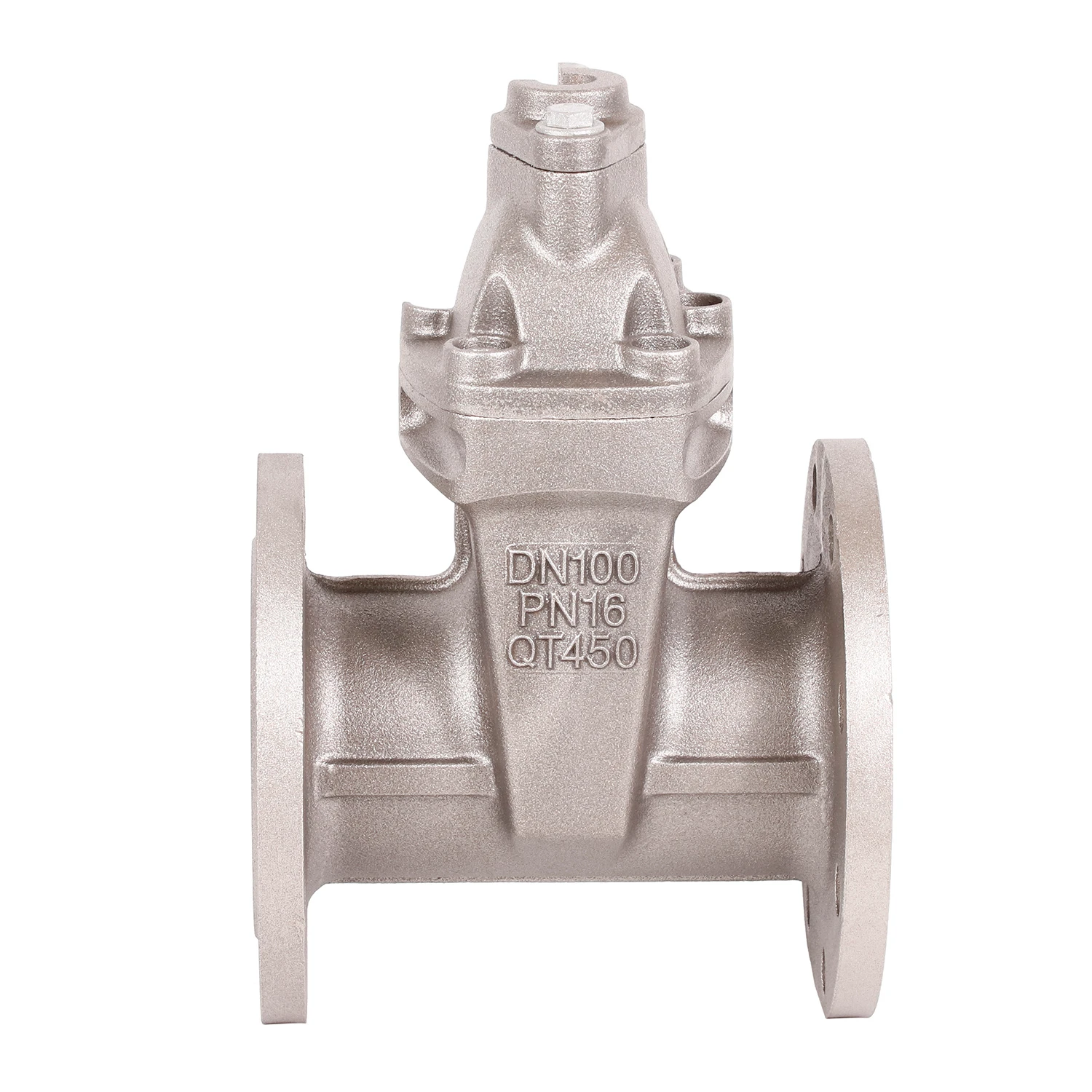
| Applications | Valves, pumps, hydrants, machinery parts |
With over 10 years of experience in precision machining, Hebei Mingda offers several advantages:
Hebei Mingda's cast iron plates are widely used in the following applications:
Established as a specialized trading company, Hebei Mingda International Trading Company has built a reputation for delivering high-quality castings and machined parts. The company's expertise spans multiple materials, including ductile iron, gray iron, brass, stainless steel, and aluminum. Their production processes include resin sand casting, lost-wax casting, and vacuum molding, ensuring adaptability to varying customer requirements.
Over the past 16 years, Mingda has accumulated extensive experience in manufacturing components for hydrant bodies and valve systems. The company emphasizes continuous improvement in production techniques and quality control, ensuring that its products meet international standards. As noted by NIST, adherence to rigorous metallurgical standards is critical for maintaining material integrity in industrial applications.
Hebei Mingda International Trading Company's cast iron plates exemplify the balance between traditional metallurgy and modern precision engineering. By leveraging advanced manufacturing techniques and a deep understanding of material science, the company continues to provide reliable solutions for industries worldwide. Whether for valve systems, machinery, or structural components, Mingda's products are a testament to the enduring value of cast iron in industrial applications.
National Institute of Standards and Technology (NIST). "Materials Science and Engineering." Retrieved from https://www.nist.gov/.
Hebei Mingda International Trading Company. "Cast Iron Plate Product Overview." Retrieved from https://www.mingdametals.com/cast-iron-plate-product.html.