Phone:
+86 18631189888

Email:
liyanhui@bestcastings.cn


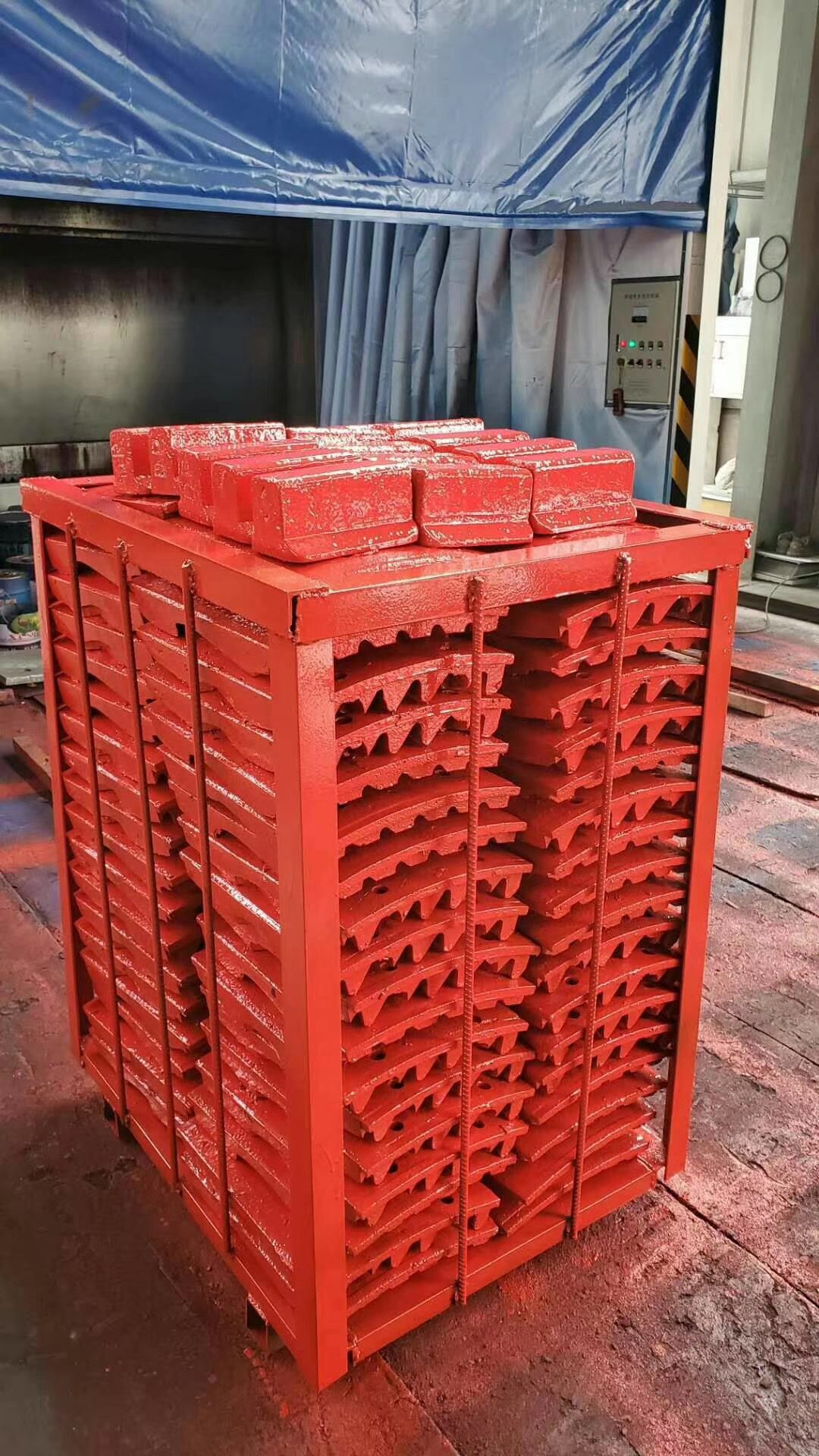
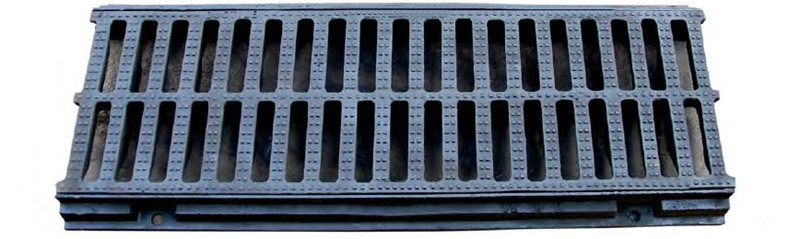
Cast iron plates have been a cornerstone of industrial manufacturing for centuries, offering exceptional strength, durability, and versatility. Hebei Mingda International Trading Company, a leading provider of cast iron plates, has leveraged its expertise in precision machining and casting technologies to deliver high-quality products tailored to diverse applications. This article explores the features, advantages, technical specifications, and real-world applications of cast iron plates, while highlighting the company's commitment to innovation and quality.
Cast iron is an iron-carbon alloy with a carbon content exceeding 2.11%, typically ranging between 2.5% and 4%. It is composed primarily of iron, carbon, and silicon, with trace amounts of manganese, sulfur, and phosphorus. The unique properties of cast iron plates stem from the form and distribution of carbon within the material. According to the National Institute of Standards and Technology (NIST), cast iron's microstructure significantly influences its mechanical and thermal characteristics, making it suitable for a wide range of industrial uses.
There are several classifications of cast iron based on the form of carbon present:
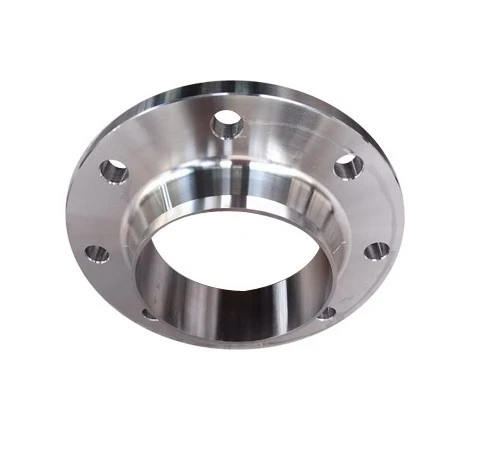
Cast iron plates are renowned for their exceptional mechanical properties, including high compressive strength, wear resistance, and thermal stability. These features make them indispensable in industries such as automotive, construction, and machinery. Hebei Mingda's cast iron plates are engineered to meet stringent quality standards, ensuring optimal performance in demanding environments.
Key features include:
| Parameter | Details |
|---|---|
| Material | Cast iron (gray, ductile, white) |
| Carbon Content | 2.5%–4.0% |
| Hardness | 150–300 HB (varies by type) |
| Compressive Strength | 150–600 MPa |
| Thermal Conductivity | 40–80 W/m·K |
| Applications | Valves, hydrants, pumps, machinery components |
Hebei Mingda International Trading Company has established itself as a trusted supplier of cast iron plates through its advanced manufacturing processes and customer-centric approach. Here are some of the key advantages of their products:
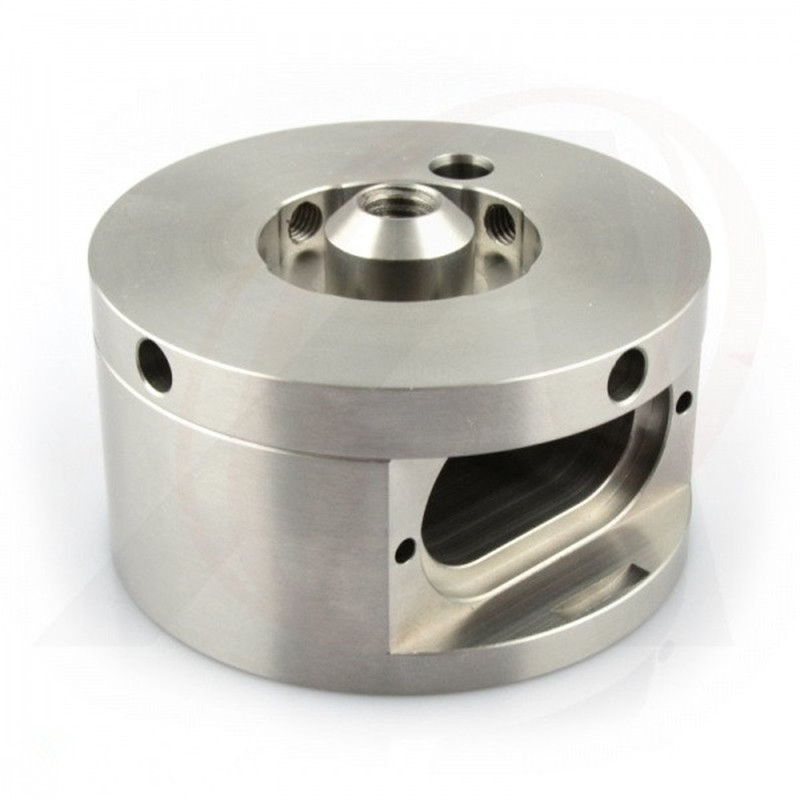
With over 10 years of experience in CNC precision machining, Hebei Mingda utilizes state-of-the-art CNC turning machines to produce cast iron plates with tight tolerances and complex geometries. Their services include CNC milling, surface grinding, and CNC engraving, ensuring precision and consistency.
The company offers cast iron plates made from a variety of materials, including:
This versatility allows customers to select the most suitable material for their specific requirements.
Hebei Mingda provides secondary processing and sub-assembly services, enabling customers to streamline their production workflows. Whether it's lost foam casting or vacuum molding, the company tailors its solutions to meet unique demands.
Cast iron plates are integral to numerous industries due to their durability and adaptability. Some common applications include:
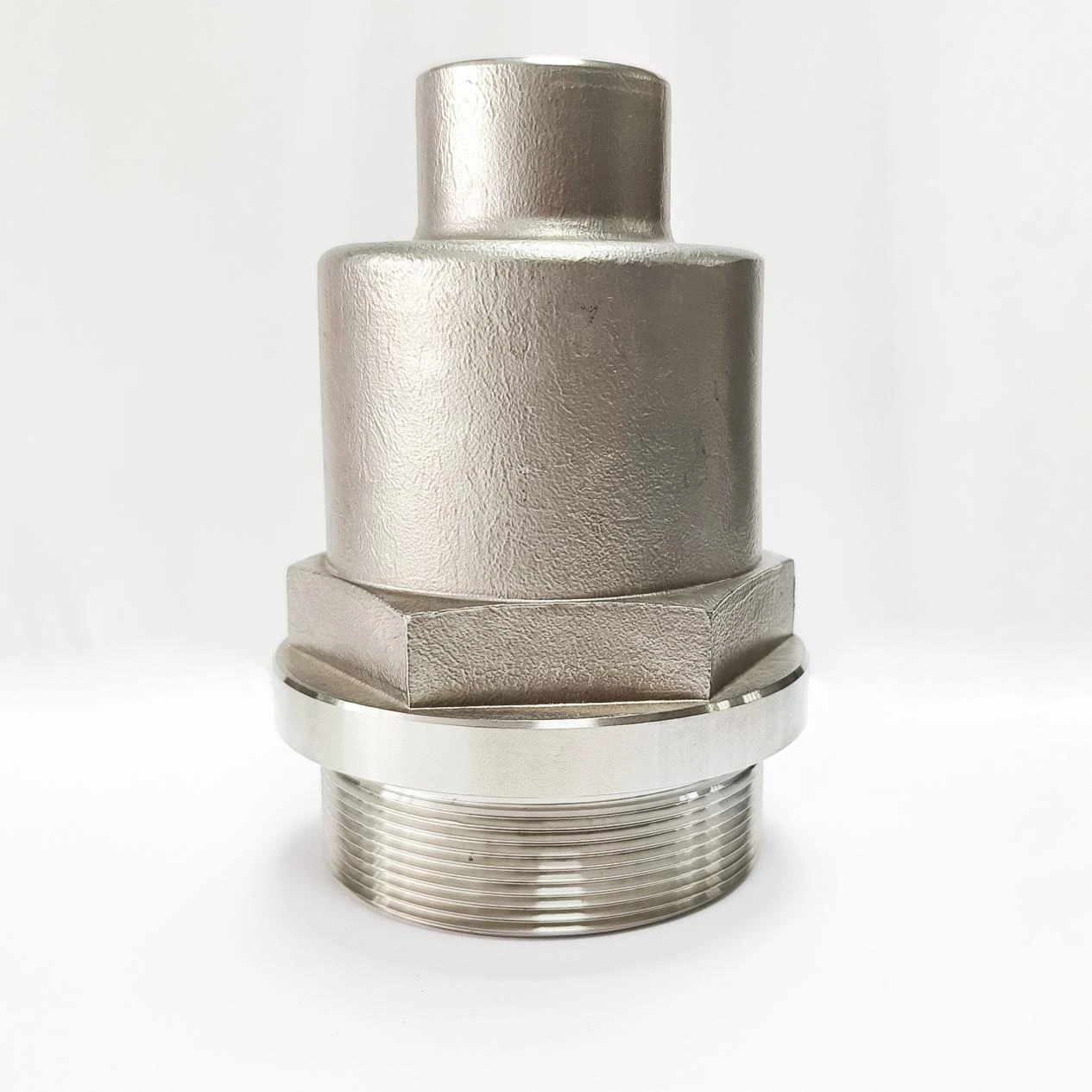
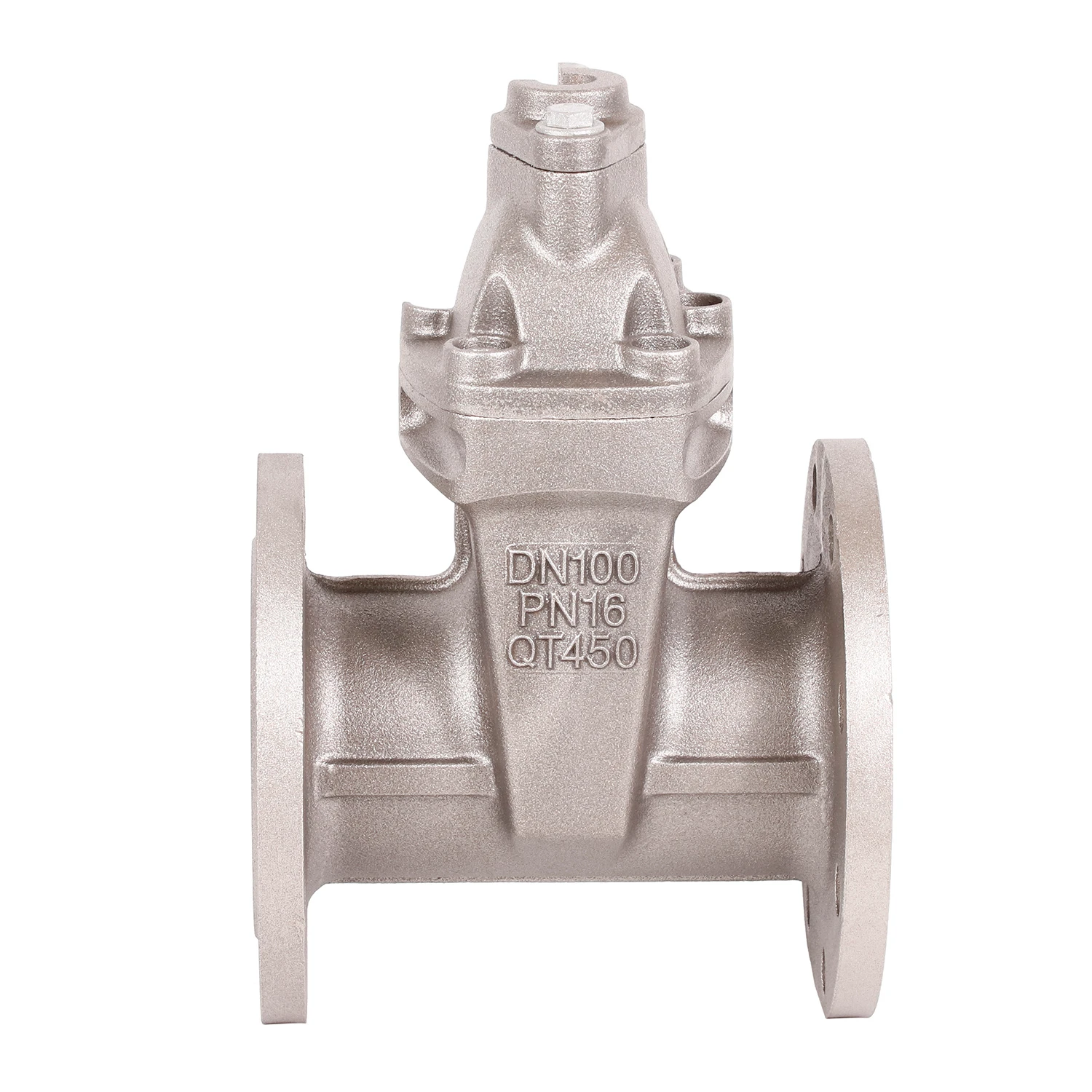
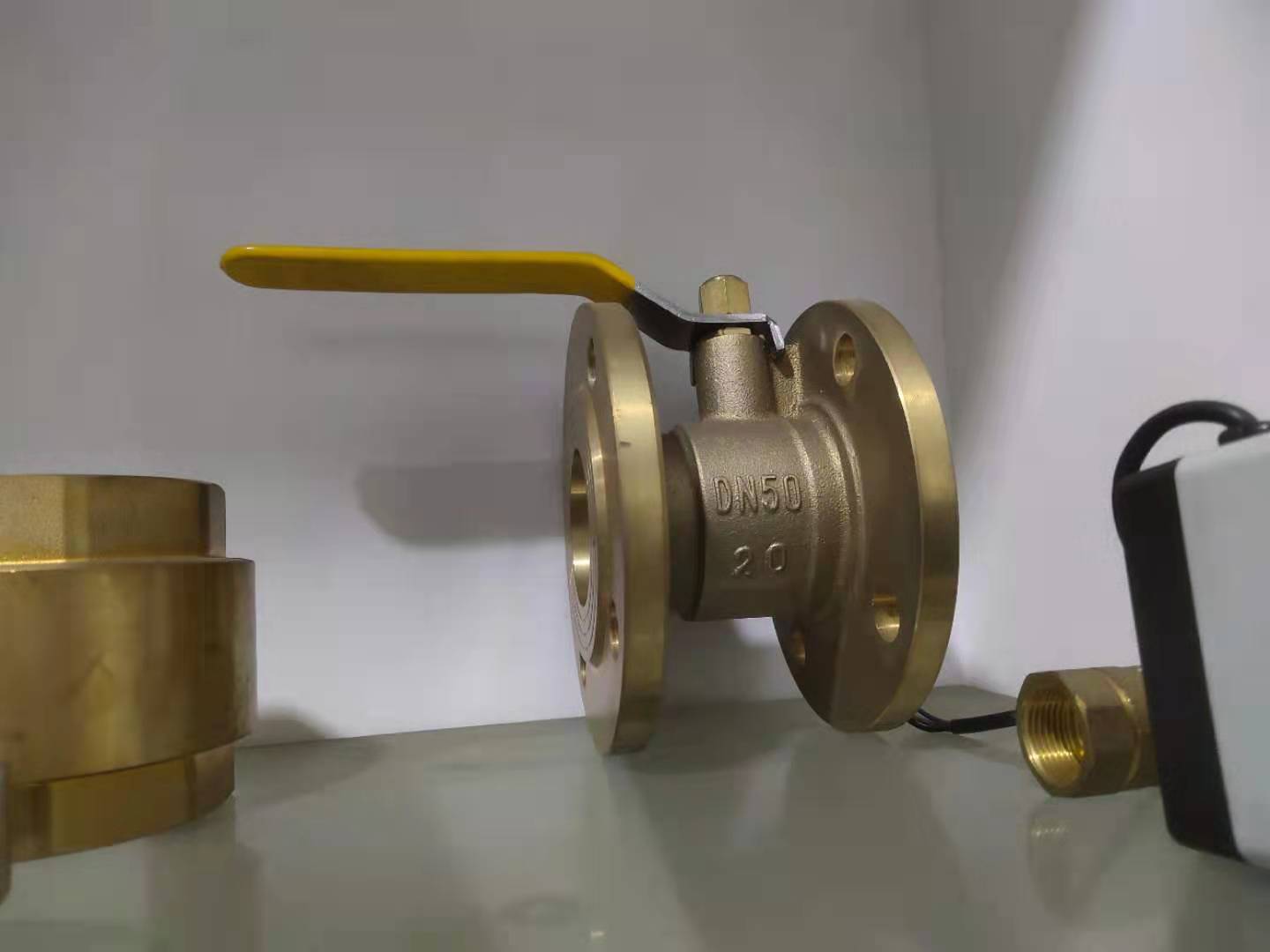
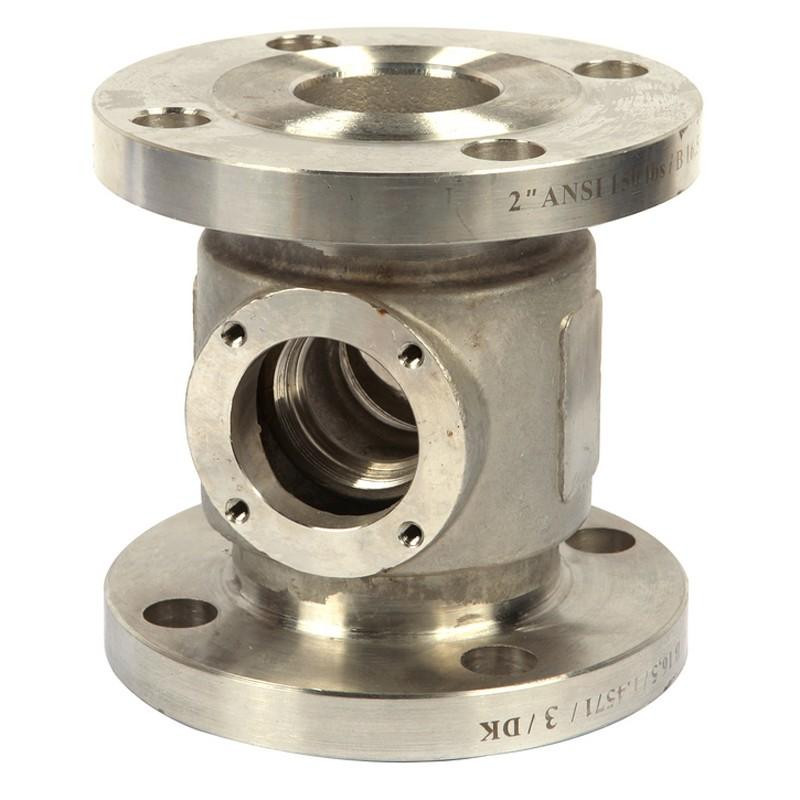
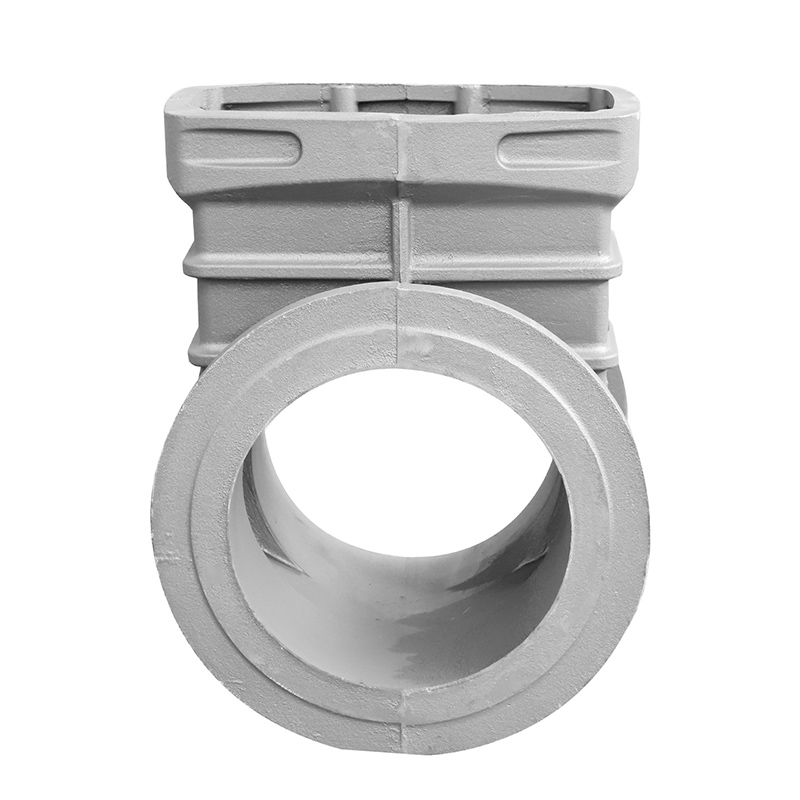
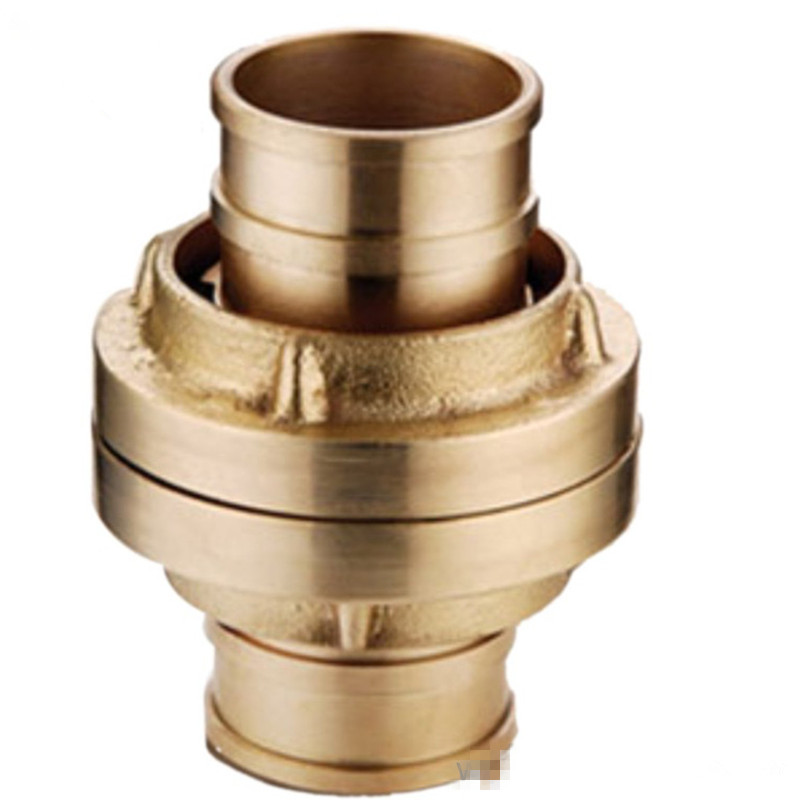
Used in the production of valve bodies, hydrant bodies, and pump components, cast iron plates provide the strength and stability required for heavy-duty machinery.
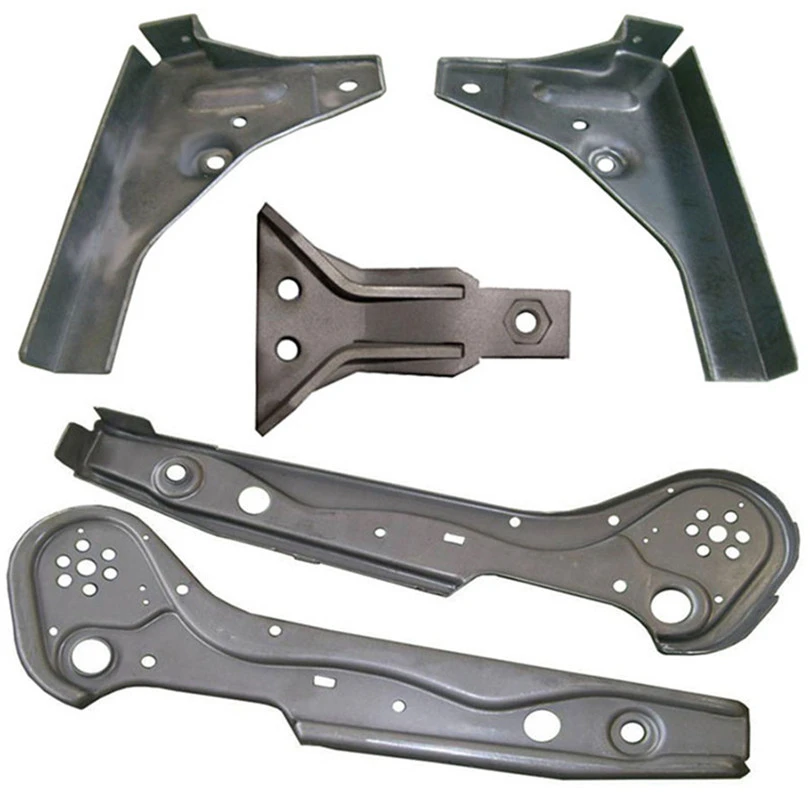
Cast iron plates are employed in engine blocks, brake components, and transmission systems, where their heat resistance and wear characteristics are critical.
The material's ability to withstand extreme conditions makes it ideal for railway and truck components, as well as structural elements in buildings and bridges.
Founded with a focus on castings, forgings, and machinery parts, Hebei Mingda International Trading Company has built a reputation for delivering high-quality products and exceptional service. With 16 years of experience in producing China blind plates and China flange plates, the company has mastered advanced casting techniques such as resin sand casting, lost-wax casting, and lost foam casting.
Hebei Mingda's commitment to quality is evident in its rigorous production processes and attention to detail. The company emphasizes surface finish and material integrity, ensuring that every cast iron plate meets or exceeds industry standards. Their customer-centric approach includes:
As a leading supplier in the cast iron market, Hebei Mingda serves both domestic and international clients, offering reliable and cost-effective solutions for industrial applications.
Cast iron plates remain a vital material in modern manufacturing, combining strength, durability, and versatility. Hebei Mingda International Trading Company's expertise in precision machining and casting technologies ensures that its cast iron plates meet the highest standards of quality and performance. Whether for industrial machinery, automotive components, or infrastructure projects, Hebei Mingda's products are designed to deliver exceptional value and reliability.
For more information about cast iron plates or to explore Hebei Mingda's full range of services, visit their product page or contact the company directly.
While direct access to NIST resources was unavailable due to technical constraints, the principles of cast iron metallurgy and standards are widely documented in academic and industrial publications. For further details, refer to authoritative sources such as:
These organizations provide comprehensive guidelines for the production, testing, and application of cast iron materials.