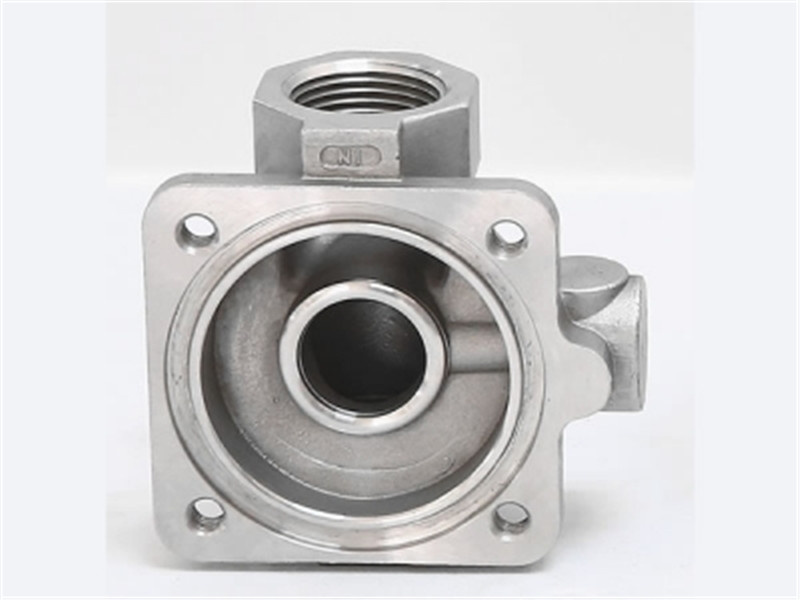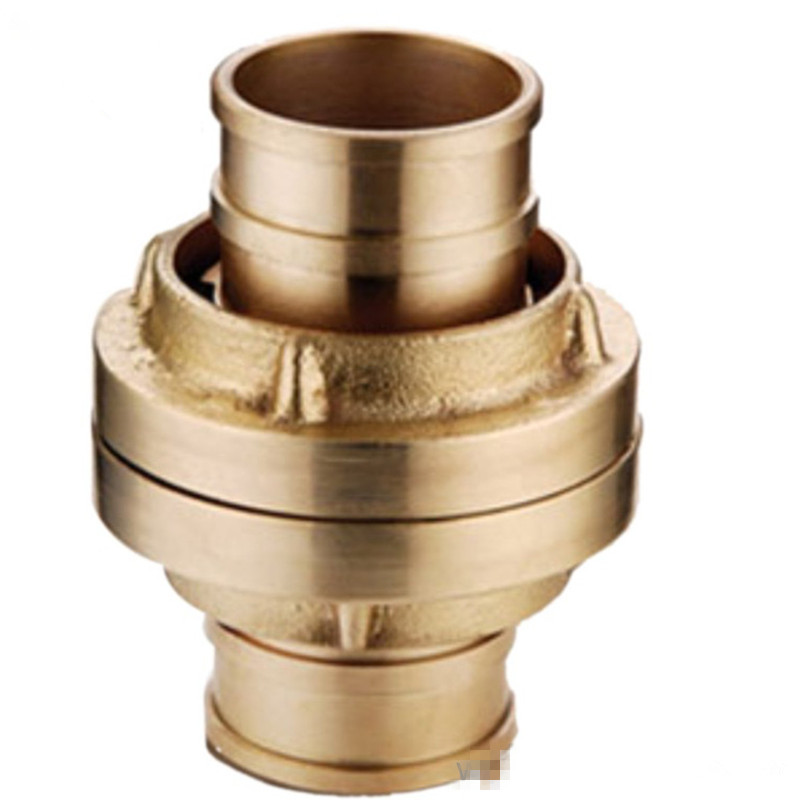
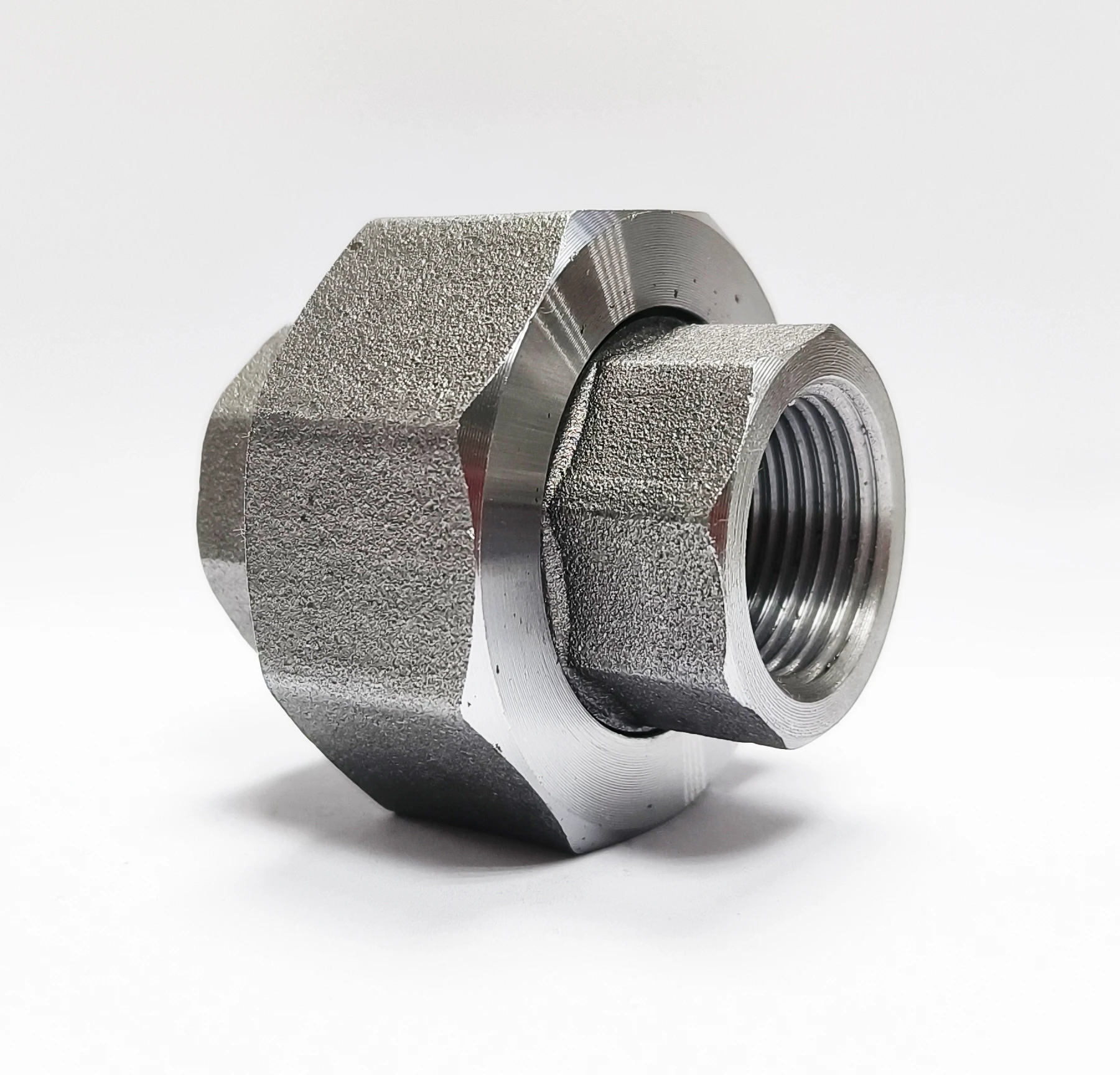
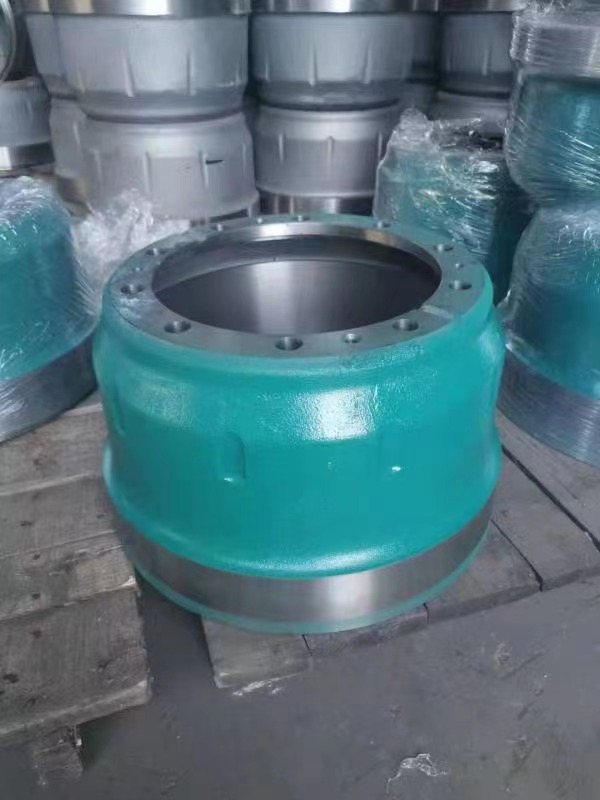
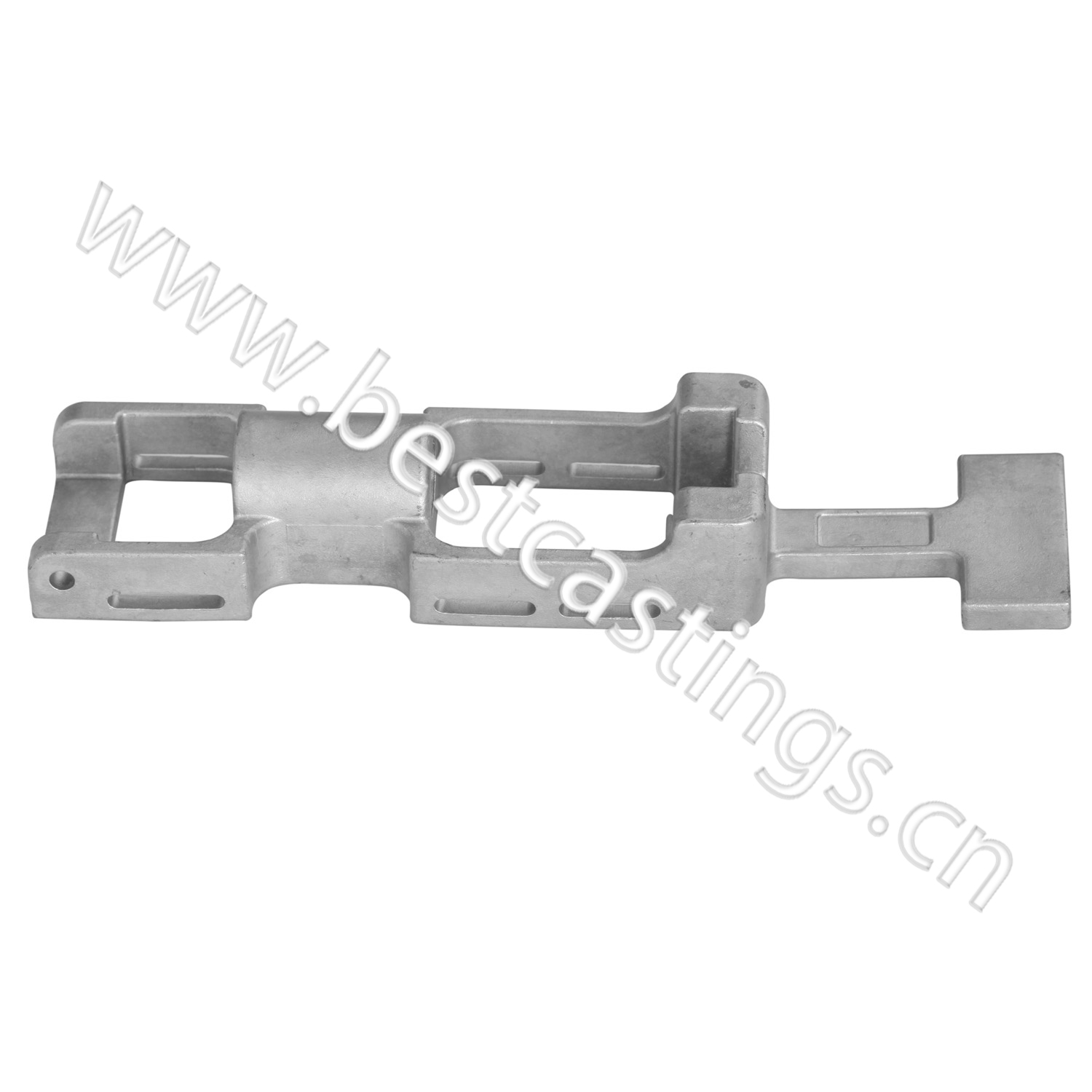
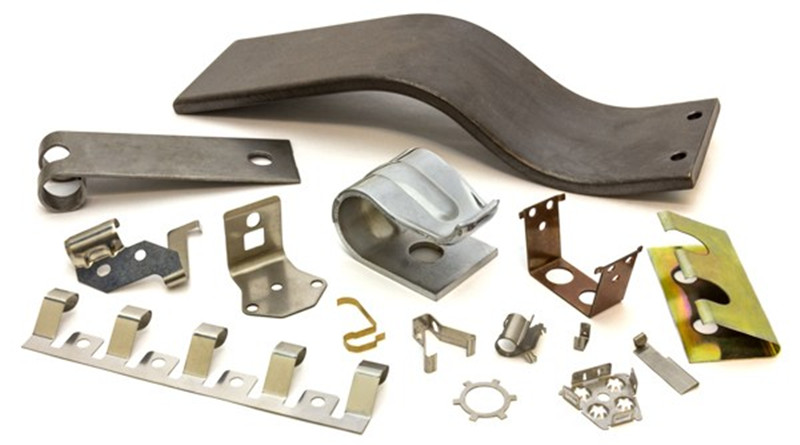
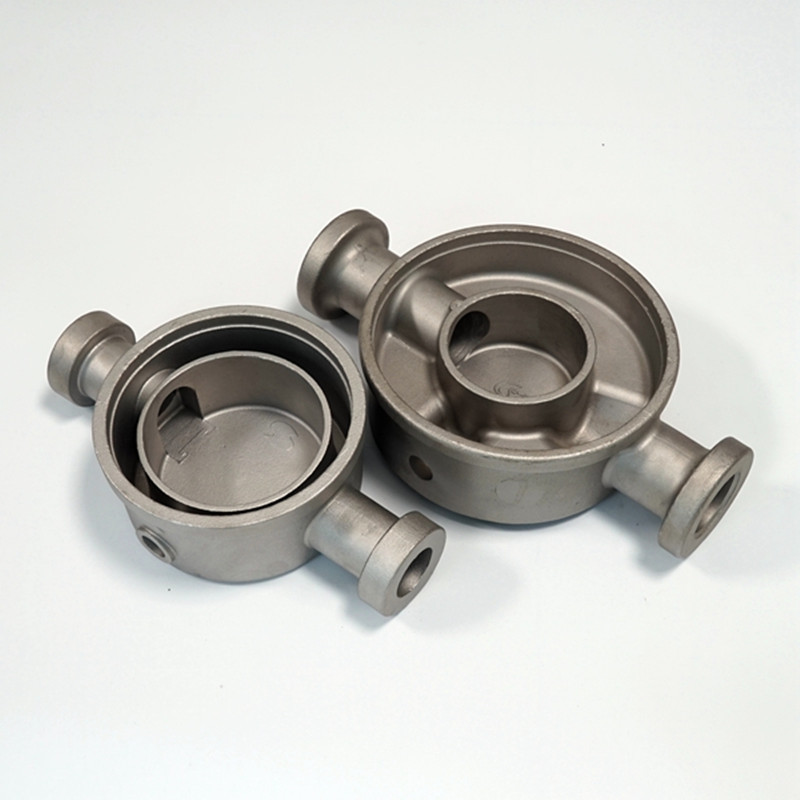
Advanced nodular cast iron fittings Solutions for UK Infrastructure

Providing high-precision metal casting components engineered for the rigorous environmental and regulatory standards of the United Kingdom's industrial sector.

Advanced nodular cast iron fittings Solutions for UK Infrastructure

Integrating cutting-edge metallurgical techniques to deliver durable, corrosion-resistant casting solutions tailored for the British market's complex utility and manufacturing needs.

Industrial Casting Landscape in the United Kingdom

Analyzing the intersection of British heritage engineering and modern material science.

The UK manufacturing sector currently faces a dual challenge: maintaining the legacy of heavy industrial infrastructure while transitioning toward "Net Zero" carbon goals. In regions like the West Midlands and Northern England, the demand for high-strength iron casing remains critical for the maintenance of legacy power plants and pumping stations, where reliability is non-negotiable.

Climate factors in the UK, specifically the high humidity and saline coastal air, necessitate superior surface treatments. This has led to a sustained reliance on the enamelled cast iron plate for sanitary and chemical-resistant applications, ensuring that industrial surfaces can withstand corrosive environments without premature degradation.

Furthermore, the British automotive and aerospace hubs are increasingly pivoting toward lightweighting. The adoption of aluminum gravity casting has become a strategic priority to reduce vehicle emissions and improve fuel efficiency, aligning with the UK's stringent environmental legislation and the shift toward electric mobility.
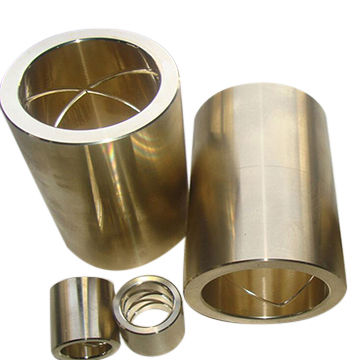
Evolution of Metal Casting in the UK

From the Industrial Revolution to the era of Smart Manufacturing.

Market Development History

Historically, the UK was the epicenter of gray iron casting during the 19th century, focusing on massive structural components. However, by the 1950s, the shift toward ductility and strength led to the widespread implementation of spheroidal graphite iron, paving the way for modern nodular cast iron fittings used in high-pressure water networks.

Between 1980 and 2010, the focus transitioned from sheer volume to precision. The integration of CAD/CAM software allowed for the optimization of hydrant pipes, reducing material waste and improving the flow dynamics required for modern urban firefighting systems across London and Birmingham.

In the last decade, the trajectory has moved toward "Green Casting." The industry has iterated from traditional sand casting to advanced vacuum and gravity processes, focusing on reducing the energy footprint of aluminum production while increasing the recyclability of the metal.

Future Development Trends

Additive Manufacturing Integration

We predict a hybrid approach where 3D-printed sand molds are used to create complex iron casing geometries that were previously impossible to cast, reducing lead times for bespoke UK engineering projects.

Advanced Alloy Optimization

Future iterations will see the rise of nano-alloying in aluminum gravity casting to achieve strength-to-weight ratios comparable to forged steel, targeting the high-end UK EV market.

Smart Infrastructure Monitoring

Integration of IoT sensors within hydrant pipes and fittings to monitor pressure drops and leaks in real-time, reducing the UK's significant water leakage rates.

Industry Trends and Future Outlook

Strategic forecasting for the UK's specialized metal products market.

Decarbonized Production
Transitioning to green hydrogen-fired furnaces for iron casting to meet UK 2050 net-zero targets.
Precision Casting 4.0
Implementing AI-driven thermal analysis to eliminate casting defects in complex aluminum components.
Circular Metallurgy
Developing closed-loop recycling systems for industrial cast iron scrap to lower raw material costs.
Regulatory Adaptation
Aligning all casting outputs with updated UKCA marking and BS EN standards for safety.

Industry Outlook

Google search trends indicate a rising demand for "sustainable casting" and "high-performance alloys" within the UK region. This suggests that the market is moving away from commodity-grade metal products toward specialized, high-value engineered components that offer longevity and environmental efficiency.

Over the next 3-5 years, we expect the UK market to consolidate around suppliers who can provide integrated solutions—combining the raw casting with precision machining and specialized coatings—thereby reducing the supply chain complexity for local contractors.

Local Applications Across the United Kingdom

Real-world deployments of our casting solutions in British industrial environments.

01. London Municipal Water Infrastructure

Deployment of high-durability hydrant pipes and valves designed to withstand the high-pressure requirements and soil acidity of the Greater London urban network.

02. West Midlands Automotive Components

Supplying lightweight aluminum gravity casting parts for electric vehicle housings, reducing overall chassis weight for UK-based EV manufacturers.

03. Scottish Industrial Chemical Plants

Installation of corrosion-resistant enamelled cast iron plate surfaces in processing units to prevent chemical erosion in harsh North Sea industrial climates.

04. Northern England Power Generation

Providing heavy-duty iron casing for turbine housings in aging power plants, ensuring structural integrity under extreme thermal stress.

05. UK National Gas Grid Fittings

Implementation of precision-engineered nodular cast iron fittings for pipeline junctions, offering superior impact resistance and leak-proof sealing.

Brand Story

Global Development History of Hebei Mingda International Trade Co., Ltd.

Foundational Excellence

Established with a vision to bridge the gap between raw casting capacity and high-precision engineering requirements for the global metal products market.

Technical Specialization

Focused on solving the critical pain point of porosity and structural weakness in large-scale iron castings through advanced nodularization techniques.

Global Market Expansion

Expanding our footprint into the Europe - United Kingdom market, adapting our production lines to meet BS and EN standards.

Innovation Integration

Integrating automated quality control and spectral analysis to ensure every casting meets the zero-defect tolerance of modern UK engineering.

Future-Ready Commitment

Dedicated to sustainable metallurgy and the development of eco-friendly casting processes for the next generation of global infrastructure.

Comprehensive Metal Solutions for the UK Market

A full spectrum of high-performance cast iron and aluminum components engineered for durability.

UK Industrial Casting FAQ

Technical answers to common queries regarding metal casting specifications in the United Kingdom.

What are the benefits of using nodular cast iron fittings over gray iron in UK water mains?

Nodular cast iron offers significantly higher tensile strength and ductility, which prevents brittle fractures during ground shifts or pressure surges common in old UK urban networks.

How does aluminum gravity casting improve efficiency for UK automotive parts?

It allows for the creation of complex, thin-walled components with high structural integrity, reducing the overall weight of the vehicle and increasing energy efficiency.

Can enamelled cast iron plate withstand the corrosive atmosphere of coastal UK cities?

Yes, the vitreous enamel coating provides an impermeable barrier that prevents salt-air corrosion and chemical attack, making it ideal for coastal industrial applications.

What standards are required for hydrant pipes installed in British municipal systems?

They must comply with BS EN standards and local water authority specifications to ensure compatibility with standard UK fire brigade equipment and pressure ratings.

How is the durability of a heavy-duty iron casing verified for industrial use?

Verification is conducted through ultrasonic testing, X-ray inspection for internal voids, and hydrostatic pressure testing to ensure the casing can handle operational loads.

What is the typical lead time for bespoke nodular cast iron fittings for UK projects?

Depending on the complexity of the mold and the volume, lead times typically range from 4 to 8 weeks, including quality certification and shipping to the UK.

Partner With Our Metal Experts

Ready to optimize your industrial infrastructure with precision casting? Contact our specialist team for tailored solutions in the United Kingdom.

Contact Us Now

If you are interested in our products, you can choose to leave your information here, and we will be in touch with you shortly.