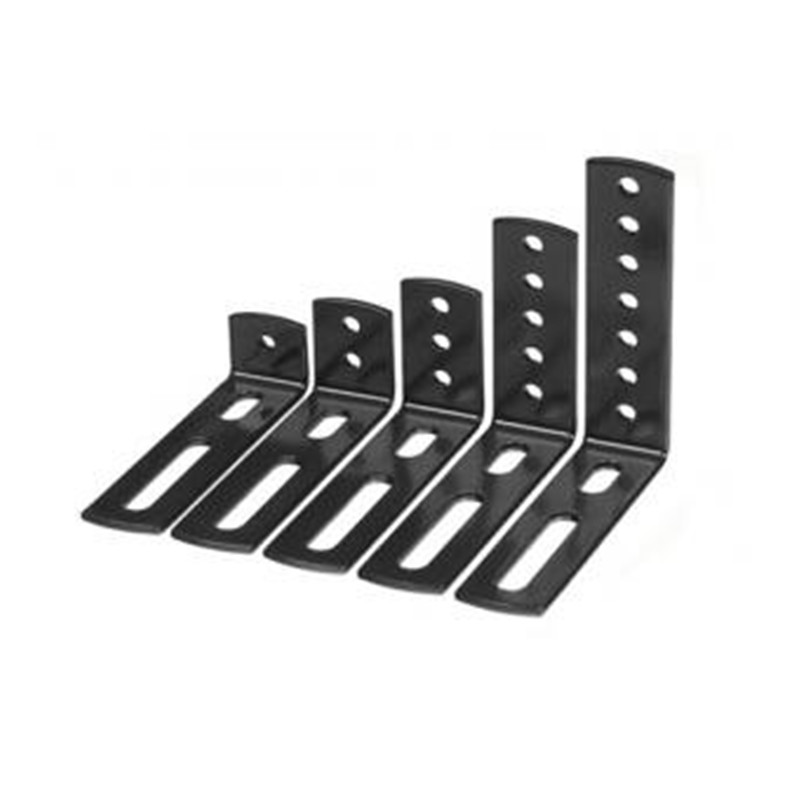
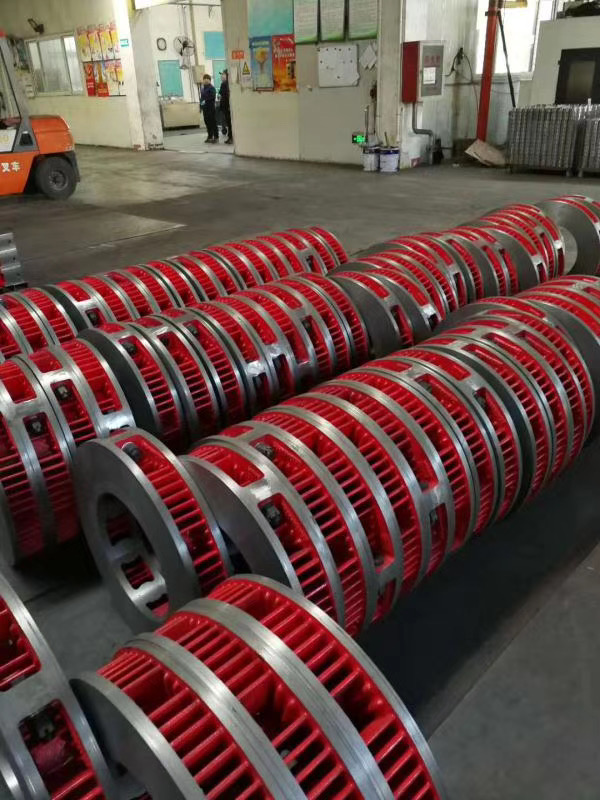
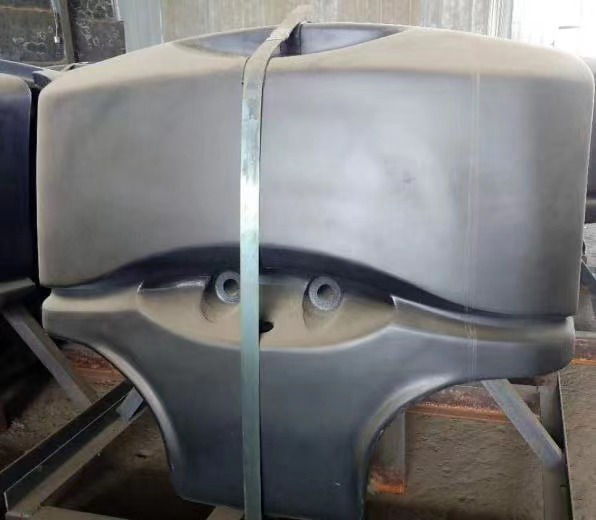
Advanced nodular cast iron fittings Solutions for Indonesia Infrastructure

Providing high-durability metal components engineered for Southeast Asia's challenging industrial and environmental conditions.

Advanced nodular cast iron fittings Solutions for Indonesia Infrastructure

Specializing in high-precision casting and metal fabrication tailored for the Indonesian market, ensuring longevity and performance in tropical climates.

Industrial Metal Landscape in Indonesia

Analyzing the current state of specialized metal casting and fabrication in the Archipelago.

Indonesia's manufacturing sector faces unique challenges due to its high humidity and saline coastal air, which accelerate the corrosion of standard metals. This has led to an increased demand for an iron casing that offers superior protective qualities for industrial machinery used in palm oil and mining sectors.

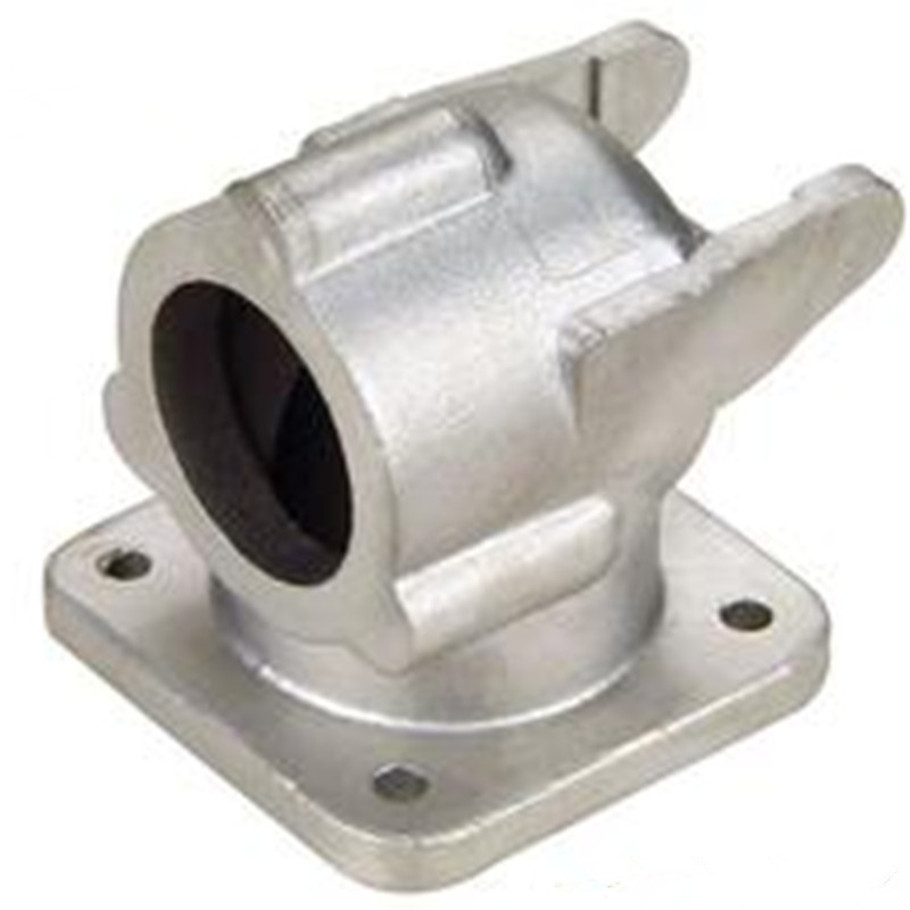
The local market is currently transitioning from basic grey iron to high-performance alloys. There is a significant push towards utilizing aluminum gravity casting to reduce weight in automotive and electronics components, aligning with the national goal of increasing domestic industrial value-add.

Furthermore, the rapid urbanization of cities like Jakarta and Surabaya has created a critical need for durable hydrant pipes and municipal water systems that can withstand soil shifts and seismic activity common in the region.
Evolution of Metal Fabrication in Asia

From traditional sand casting to precision engineering for the Indonesian market.

Market Development History

Historically, the 1990s in Indonesia were dominated by rudimentary sand casting, producing basic structural components with high porosity and inconsistent strength.

Between 2005 and 2015, the industry witnessed a technical shift toward specialized coatings, introducing the enamelled cast iron plate to prevent oxidation in chemical processing plants and food-grade industrial kitchens.

Since 2018, the adoption of CNC precision machining combined with advanced metallurgy has allowed for the mass production of complex components with tighter tolerances, meeting international ISO standards.

Future Development Trends

Smart Alloy Integration

Moving toward self-healing alloys that can resist the tropical corrosion of Indonesia's coastlines.

Green Casting Technologies

Implementation of energy-efficient melting furnaces to reduce the carbon footprint of large-scale casting projects.

Digital Twin Prototyping

Utilizing 3D simulation to optimize the flow of molten metal in complex molds, reducing waste and increasing yield.

Future Trends & Strategic Outlook

Predicting the trajectory of metal manufacturing for the next 3-5 years.

Automation of Casting
Transitioning to robotic pouring systems to eliminate human error in critical fittings.
Material Lightweighting
Expanding the use of aluminum alloys to enhance energy efficiency in transport.
Precision Coating
Advanced polymer-metal hybrids for extreme chemical resistance.
Infrastructure Upgrade
Replacing old grey iron networks with nodular iron for seismic safety.

Industry Outlook

Google search trends indicate a rising demand in Indonesia for "corrosion-resistant industrial fittings," suggesting that the market is moving away from cheap, short-term solutions toward long-term capital investments.

We predict a convergence of traditional casting and additive manufacturing (3D printing) for rapid prototyping of specialized metal parts, reducing lead times for the Indonesian mining sector by up to 40%.

Local Application Scenarios in Indonesia

Real-world implementations of our metal solutions across the archipelago.

01. Mining Operations in Kalimantan

Utilizing heavy-duty iron casing for slurry pumps and crushing equipment to resist the abrasive nature of nickel and coal ores.

02. Urban Fire Safety in Jakarta

Installing high-pressure hydrant pipes in high-rise commercial districts to ensure reliable water flow during emergencies.

03. Palm Oil Processing in Sumatra

Implementing enamelled cast iron plate in sterilization units to prevent acidity-induced corrosion during oil extraction.

04. Automotive Parts in West Java

Producing engine components via aluminum gravity casting for the growing local EV and combustion engine assembly plants.

05. Water Infrastructure in Bali

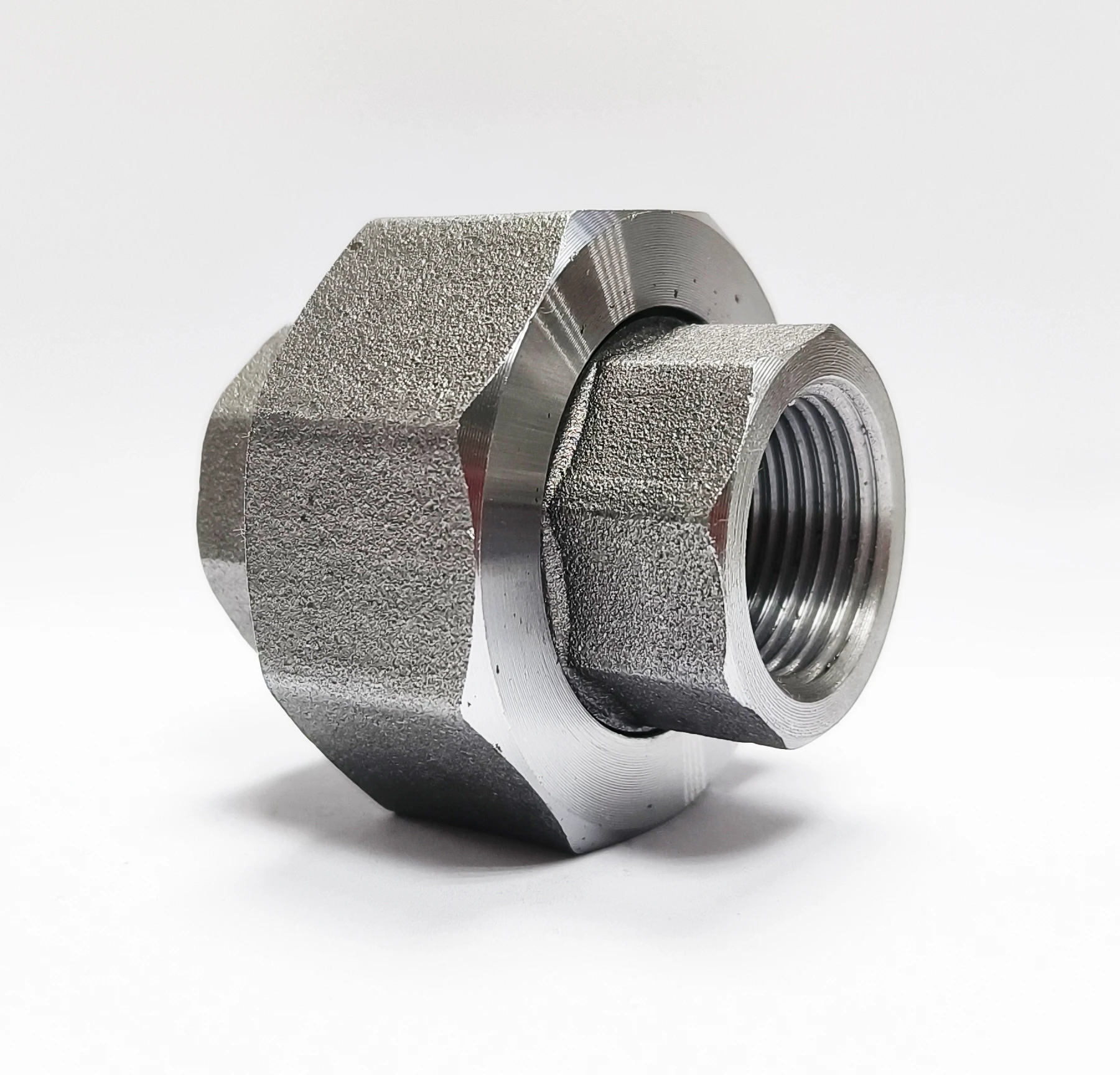
Deploying nodular cast iron fittings for irrigation and potable water networks to prevent leaks in sandy soils.

Brand Story

Global Development History of Hebei Mingda International Trade Co., Ltd.

Founding Vision

Established with a mission to bridge the gap between high-end metallurgical engineering and emerging industrial markets.

Technical Breakthrough

Mastered the art of nodular iron graphite control, significantly increasing the tensile strength of industrial fittings.

Global Expansion

Extended logistics and service networks to Southeast Asia, focusing on Indonesia's infrastructure boom.

Quality Certification

Achieved comprehensive ISO and international safety certifications to serve the most demanding global clients.

Future Commitment

Investing in sustainable casting methods to lead the green transition in the metal fabrication industry.

Frequently Asked Questions - Indonesia Market

Technical guidance and commercial inquiries for our metal products.

How do nodular cast iron fittings perform in seismic zones like Indonesia?

Unlike grey iron, nodular iron possesses higher ductility and impact resistance, making it far less likely to crack during ground movements.

What is the lifespan of an enamelled cast iron plate in tropical humidity?

The enamel glass coating provides an impermeable barrier that prevents oxidation, typically extending the product life by 3-5 times compared to uncoated iron.

Can aluminum gravity casting meet the precision requirements for automotive parts?

Yes, our gravity casting process ensures a dense grain structure and high dimensional stability, meeting tight tolerances for engine and transmission parts.

Are your hydrant pipes compliant with Indonesian municipal safety standards?

Our pipes are manufactured to meet both international BS/ANSI standards and local Indonesian SNI requirements for pressure and durability.

What protection does an iron casing provide for heavy mining machinery?

Our casings are engineered with wear-resistant alloys that protect internal components from abrasive minerals and external impact in harsh environments.

What is the lead time for custom metal castings shipped to Indonesia?

Depending on the complexity and volume, typical lead times range from 4 to 8 weeks, including precision machining and international logistics.

Ready to Optimize Your Industrial Infrastructure?

Our expert engineers are ready to provide customized metal solutions for your projects in Indonesia.

Contact Us Now

If you are interested in our products, you can choose to leave your information here, and we will be in touch with you shortly.