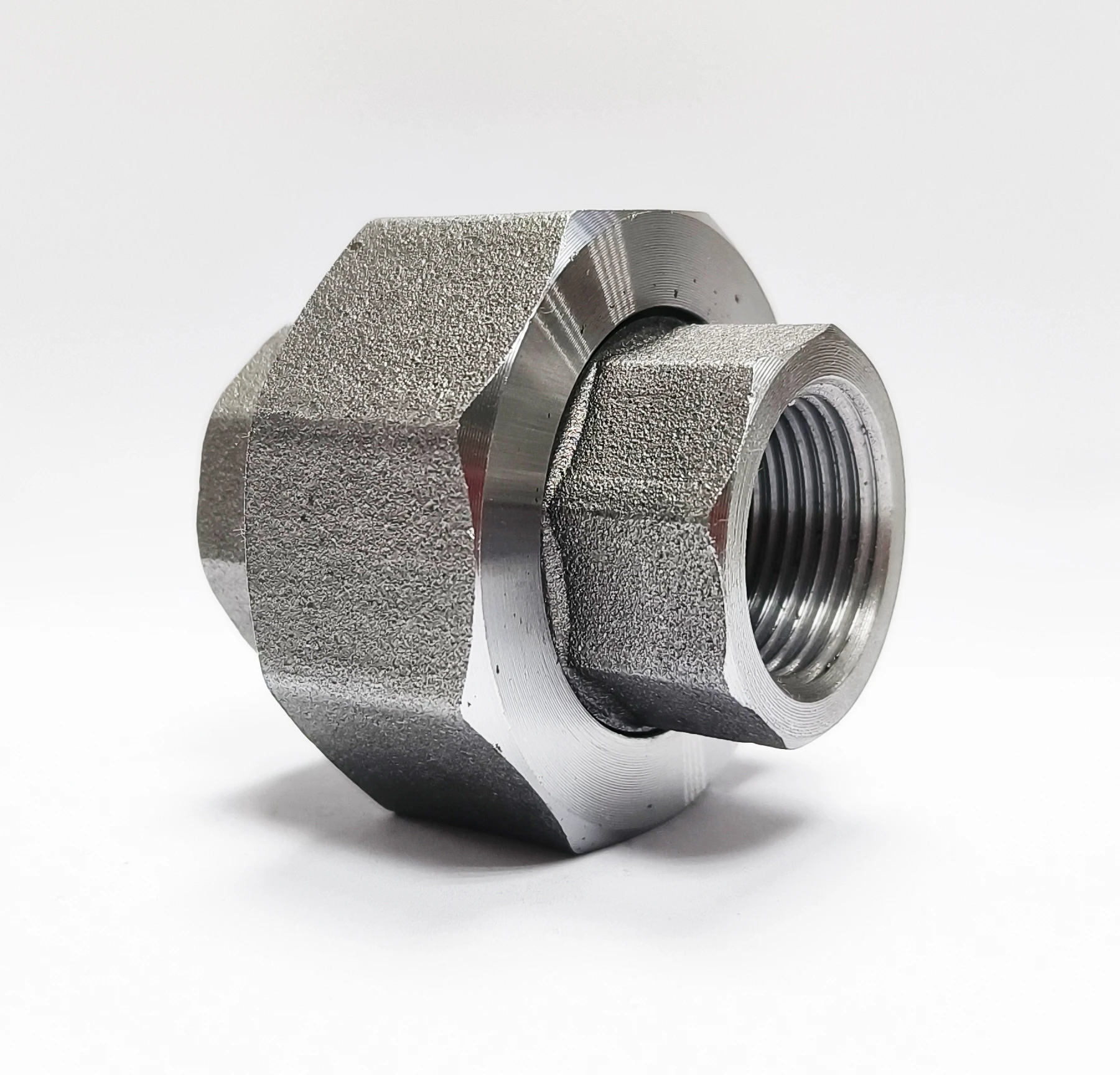
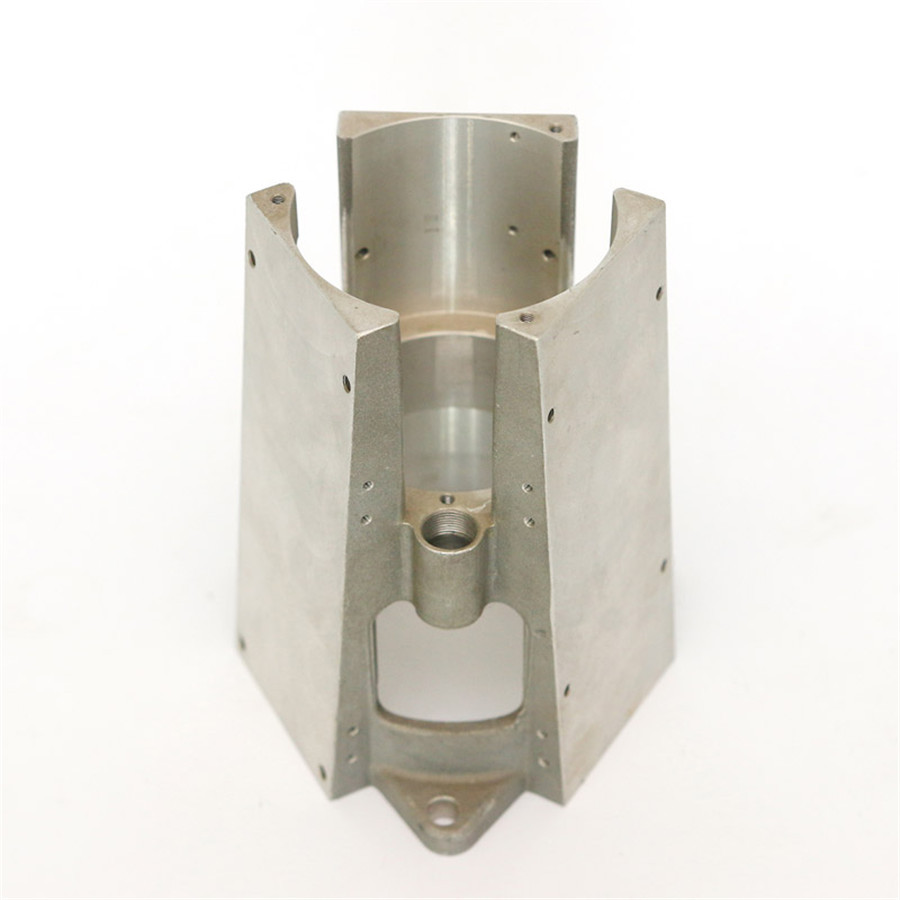
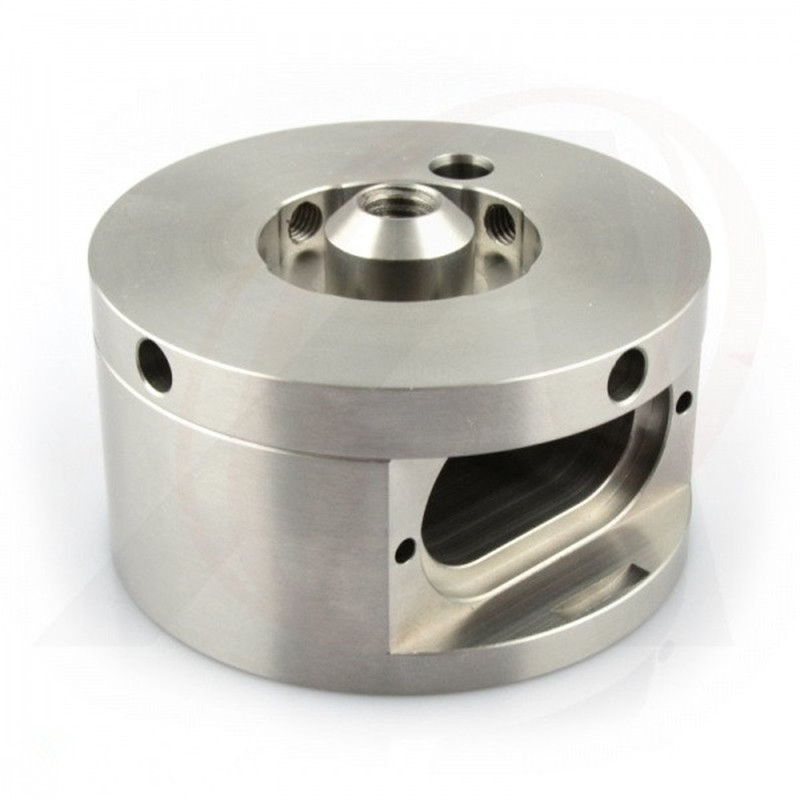
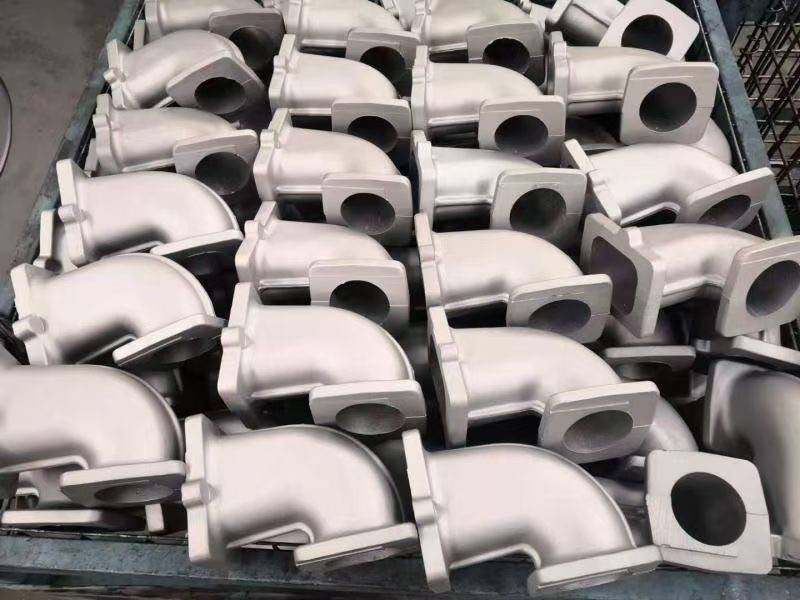
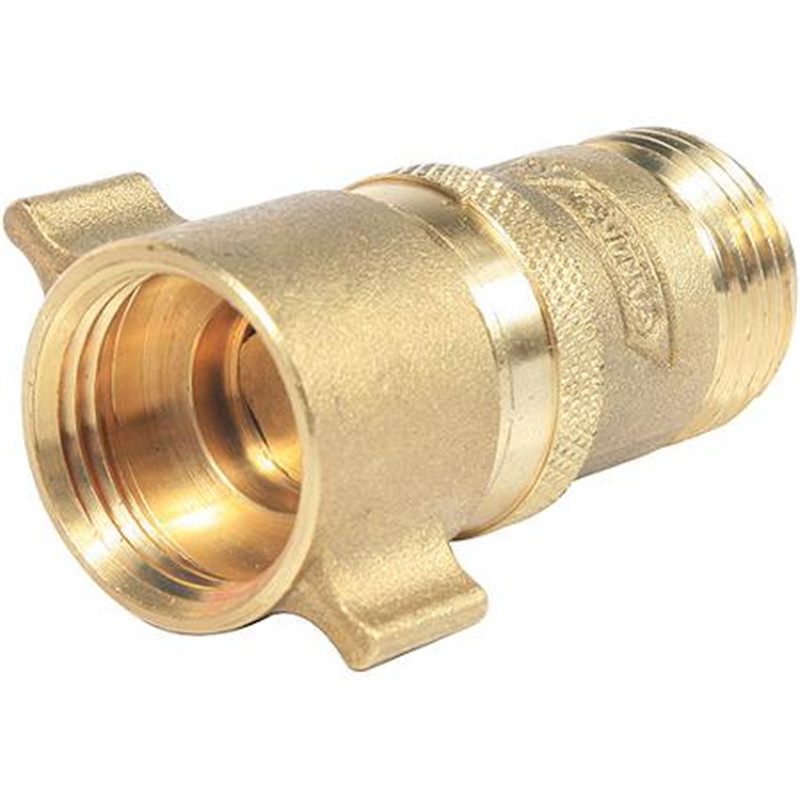
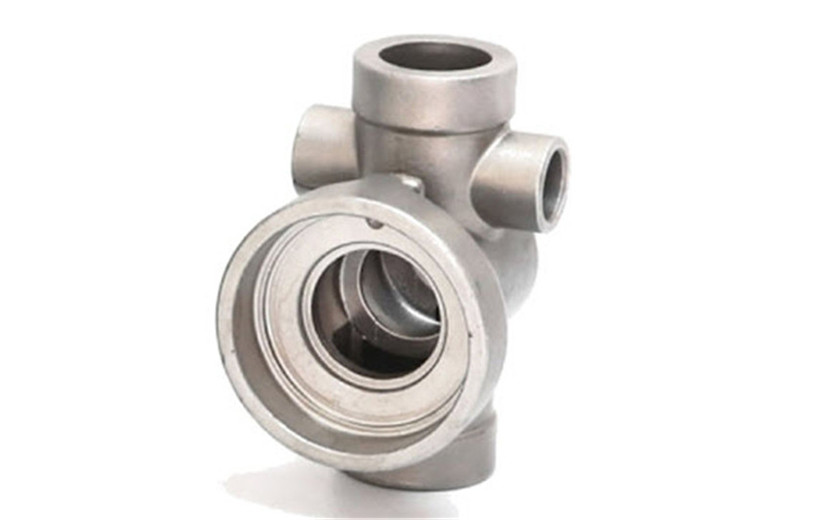
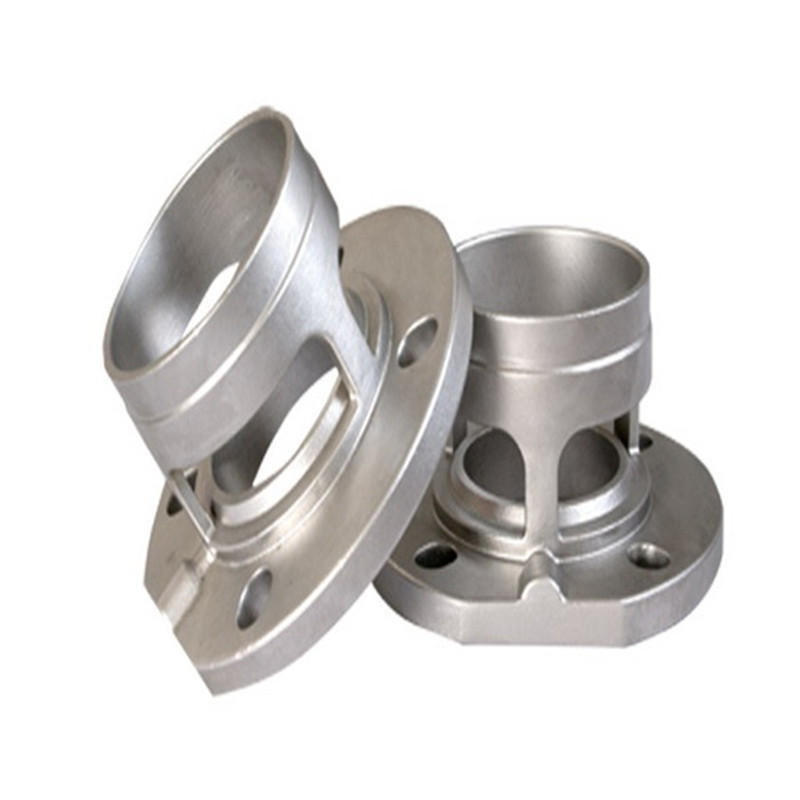
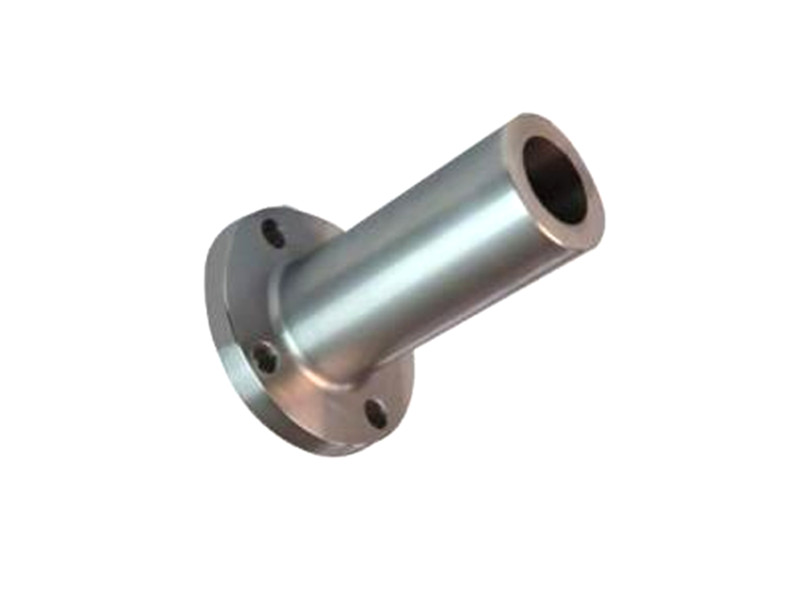
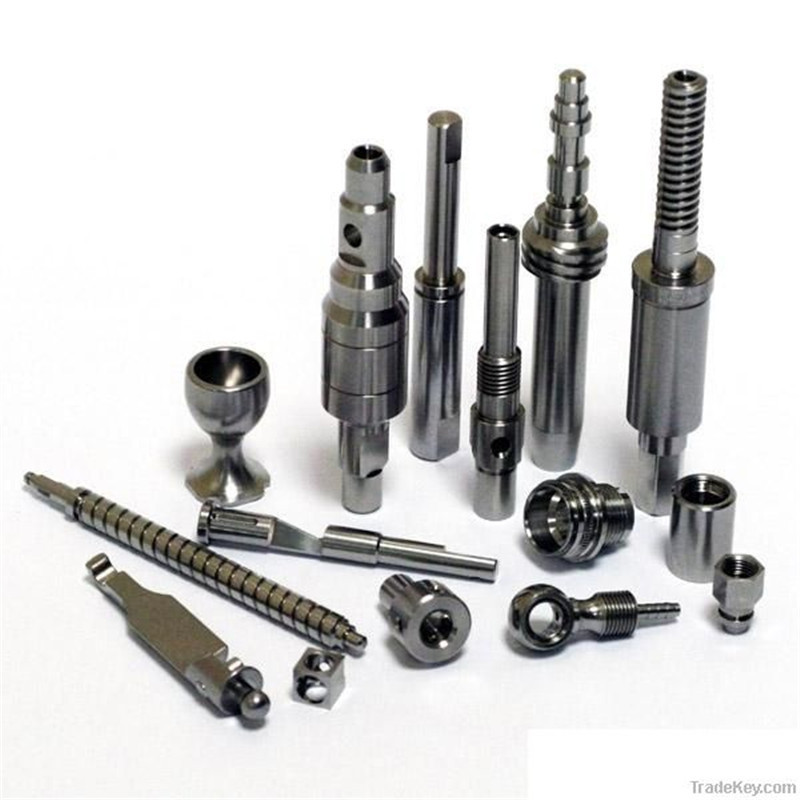
From traditional sand casting to high-precision gravity casting techniques.
Market Development History
Between 1990 and 2010, Yemen's metal industry relied primarily on rudimentary sand casting. These early products lacked the structural integrity required for heavy-duty industrial use, leading to frequent failures in pressure-bearing components.
From 2011 to 2020, a shift toward precision imports began. The introduction of aluminum gravity casting allowed for lighter yet stronger components, which were essential for the automotive and small machinery repair sectors in Yemeni cities.
Since 2021, the focus has pivoted toward advanced metallurgy. The adoption of ductile iron technology has replaced brittle grey iron, ensuring that critical fittings can withstand seismic shifts and soil movements common in the region's geography.
Future Development Trends
Smart Alloy Integration
We predict a surge in the use of smart alloys that automatically adjust to extreme temperature fluctuations, reducing the wear rate of industrial casings.
Sustainable Casting Processes
Following global trends, Yemen is expected to shift toward recycled metal sourcing and energy-efficient melting processes to lower the cost of production.
Digital Twin Optimization
The integration of CAD/CAM and digital simulation will allow for the creation of bespoke metal fittings that are perfectly tailored to the specific pressure requirements of Yemen's varied terrain.