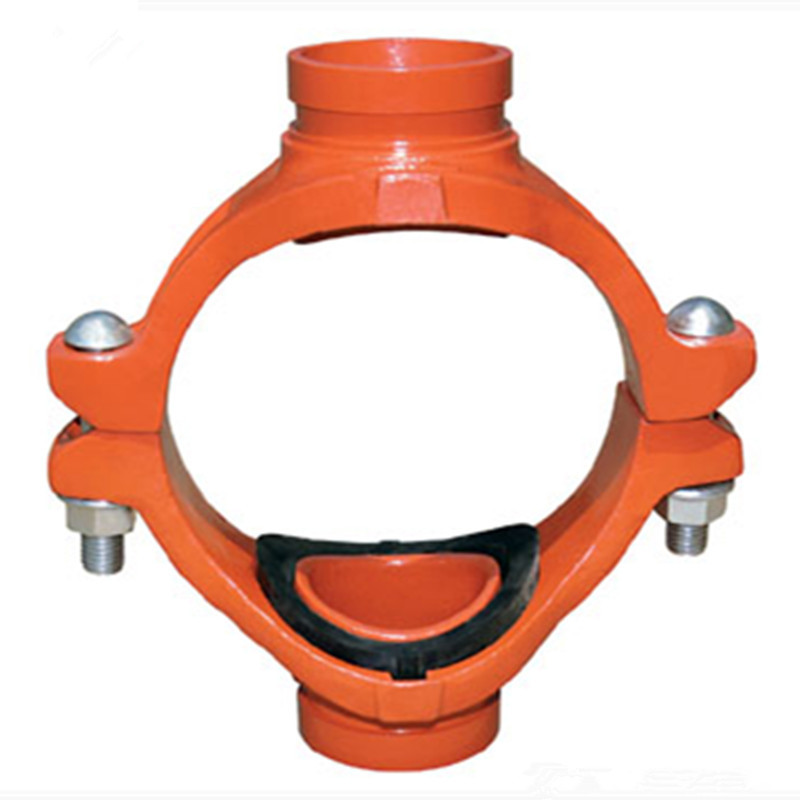
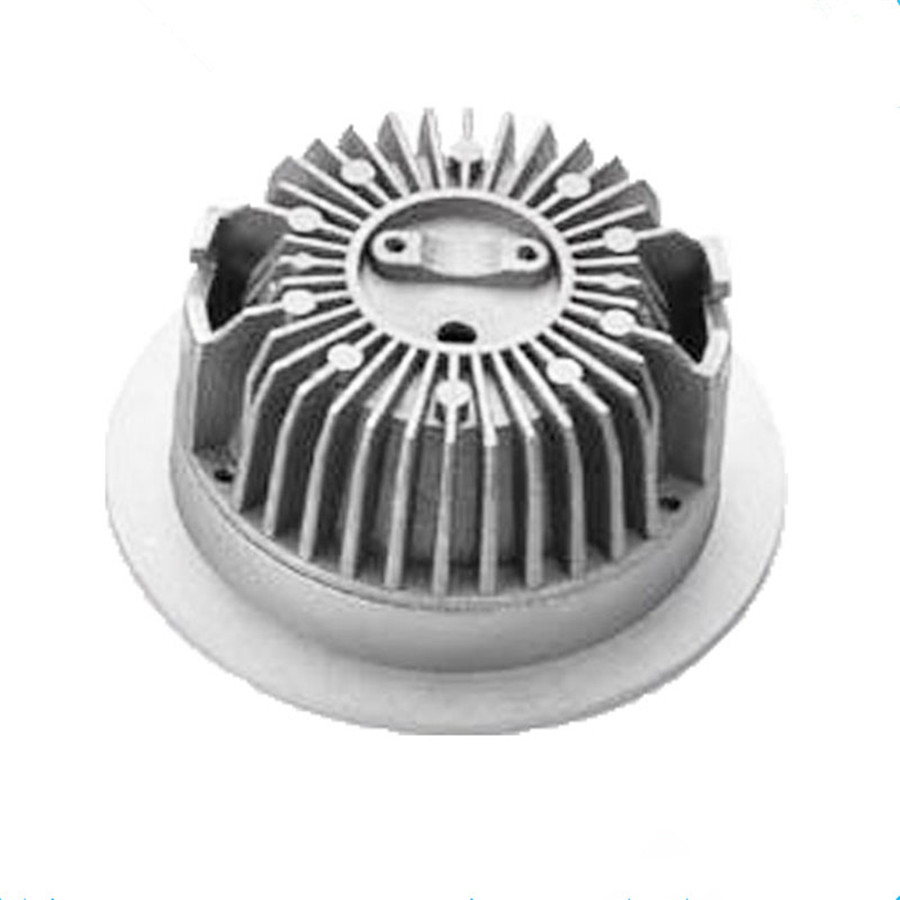
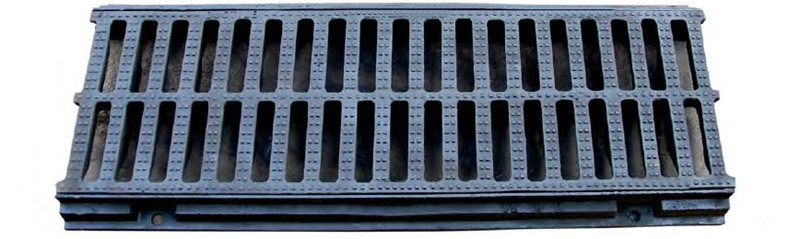
Advanced Industrial nodular cast iron fittings Solutions for Belgium

Providing high-precision metal casting and specialized iron components tailored for the rigorous Belgian industrial and infrastructure standards.

Advanced Industrial nodular cast iron fittings Solutions for Belgium

Engineering excellence in miscellaneous metal products, specializing in high-durability casting solutions for Belgium's chemical and logistics hubs.

The Current Landscape of Metal Casting in Belgium

Analyzing the intersection of Belgian environmental regulations and industrial demand.

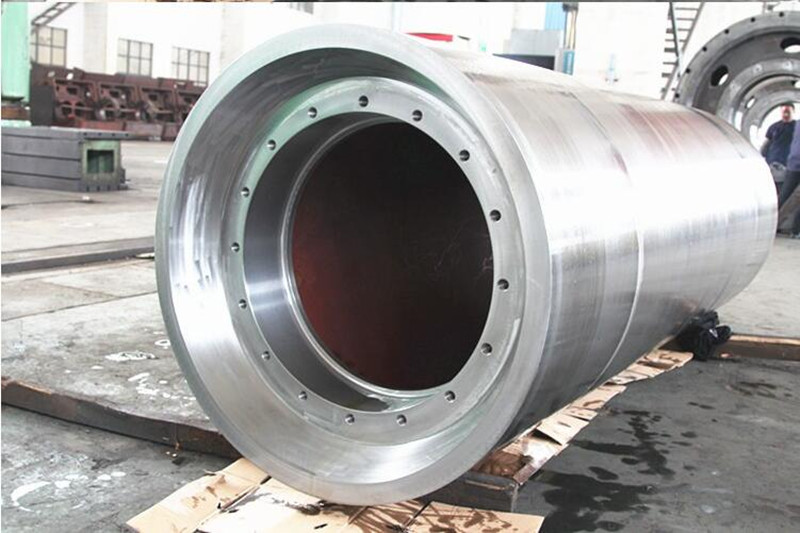
Belgium's industrial sector, centered around the Port of Antwerp-Bruges and the Walloon industrial belt, demands extreme corrosion resistance due to the humid North Sea climate. This environment necessitates the use of high-grade iron casing to protect critical machinery from oxidation and salt-spray degradation.

The Belgian market is currently shifting toward sustainable metallurgy. There is a growing preference for aluminum gravity casting because of its lightweight properties and recyclability, which align with the European Green Deal and Belgium's strict carbon emission targets for the manufacturing sector.

Infrastructure modernization in cities like Brussels and Ghent has led to a surge in demand for reliable hydrant pipes and urban water management systems that can withstand high pressure and fluctuating groundwater levels typical of the Low Countries' geography.
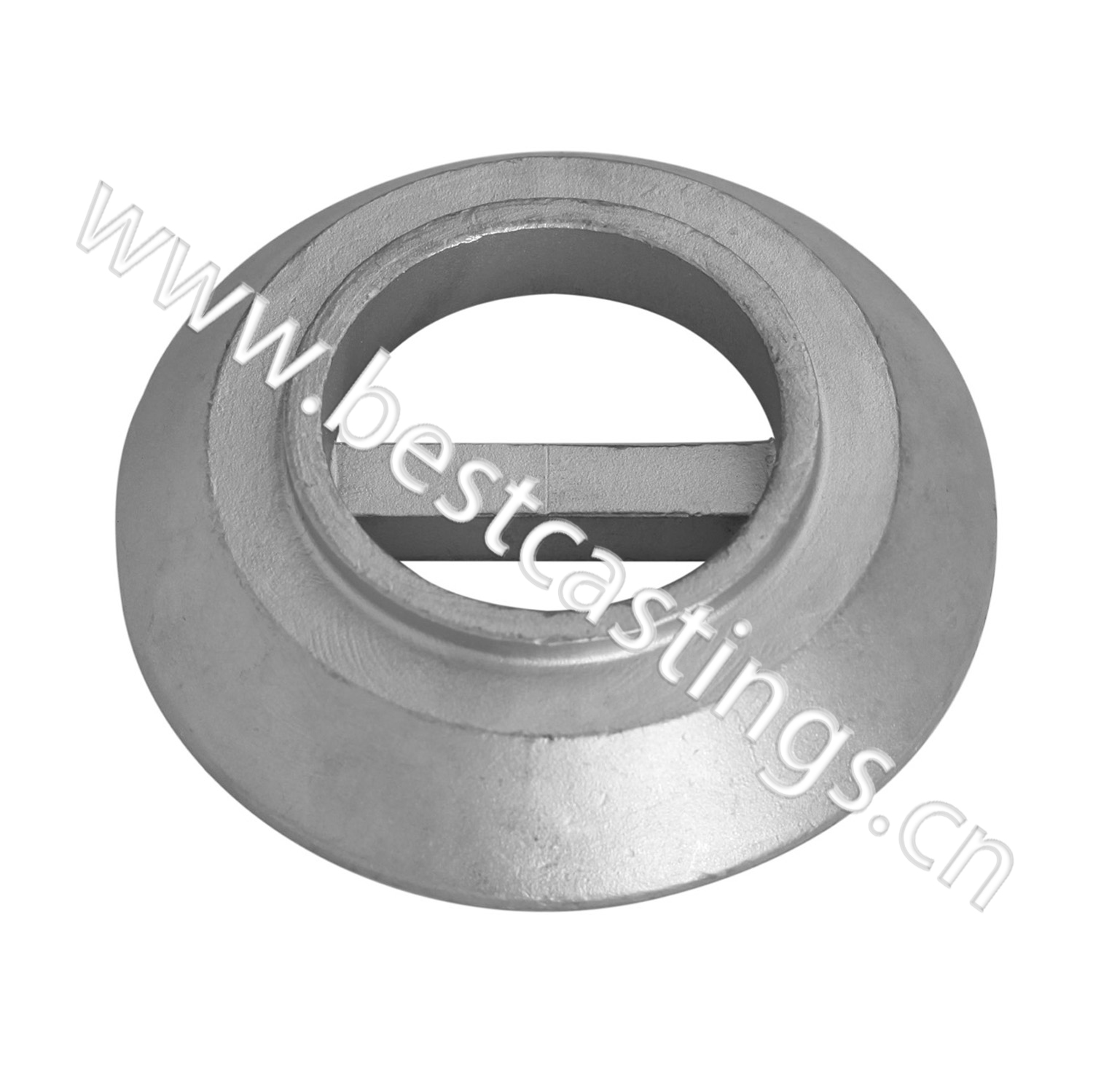
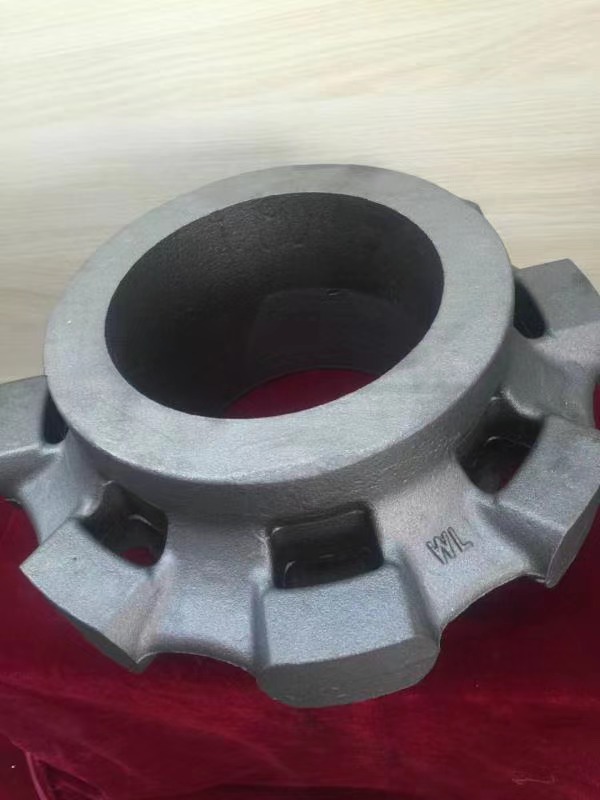
Evolution and Trajectory of Belgian Metal Casting

From traditional foundry methods to digitally integrated precision casting.

Market Development History

Historically, the Belgian metal industry relied on heavy gray iron casting. Between 1950 and 1990, the focus was on mass-producing structural components for the coal and steel industries, where basic durability was the primary requirement.

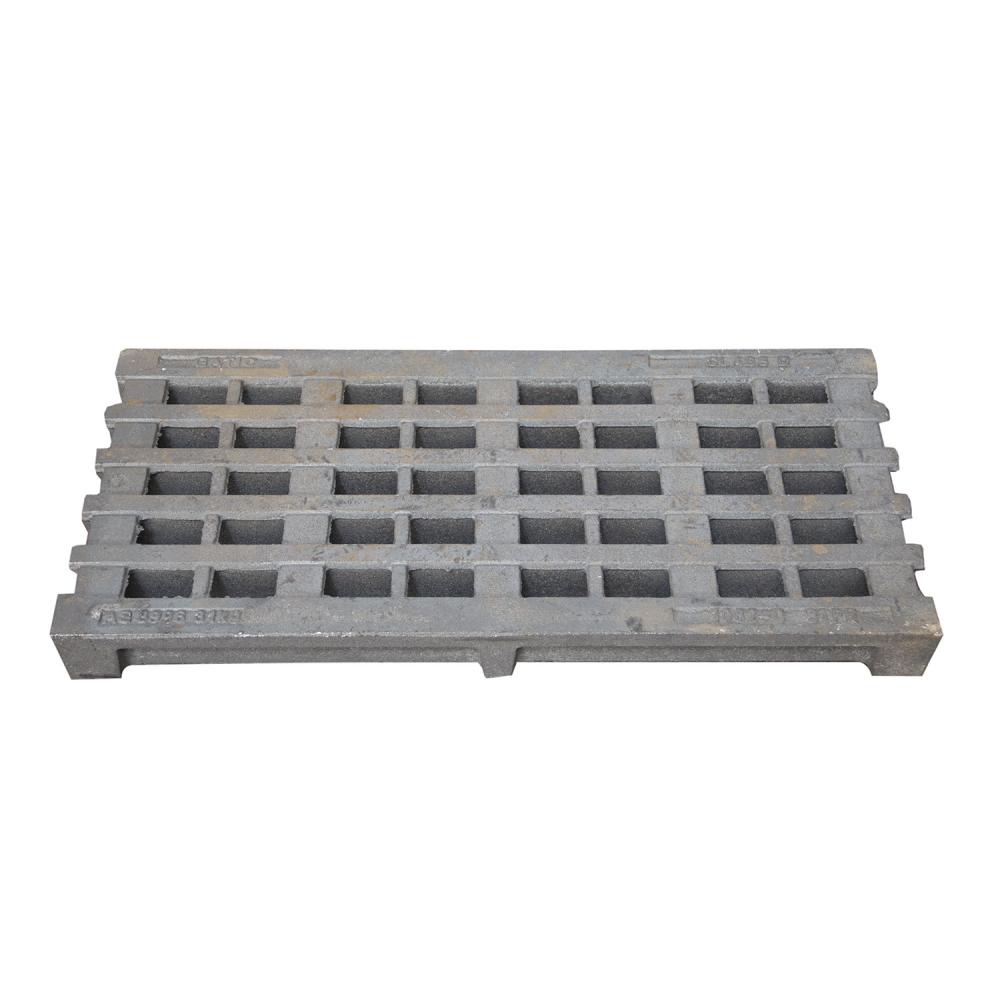
Entering the 2000s, the technical iteration shifted toward specialized surface treatments. The adoption of the enamelled cast iron plate became pivotal for the Belgian food processing and chemical industries to prevent contamination and chemical reactions.

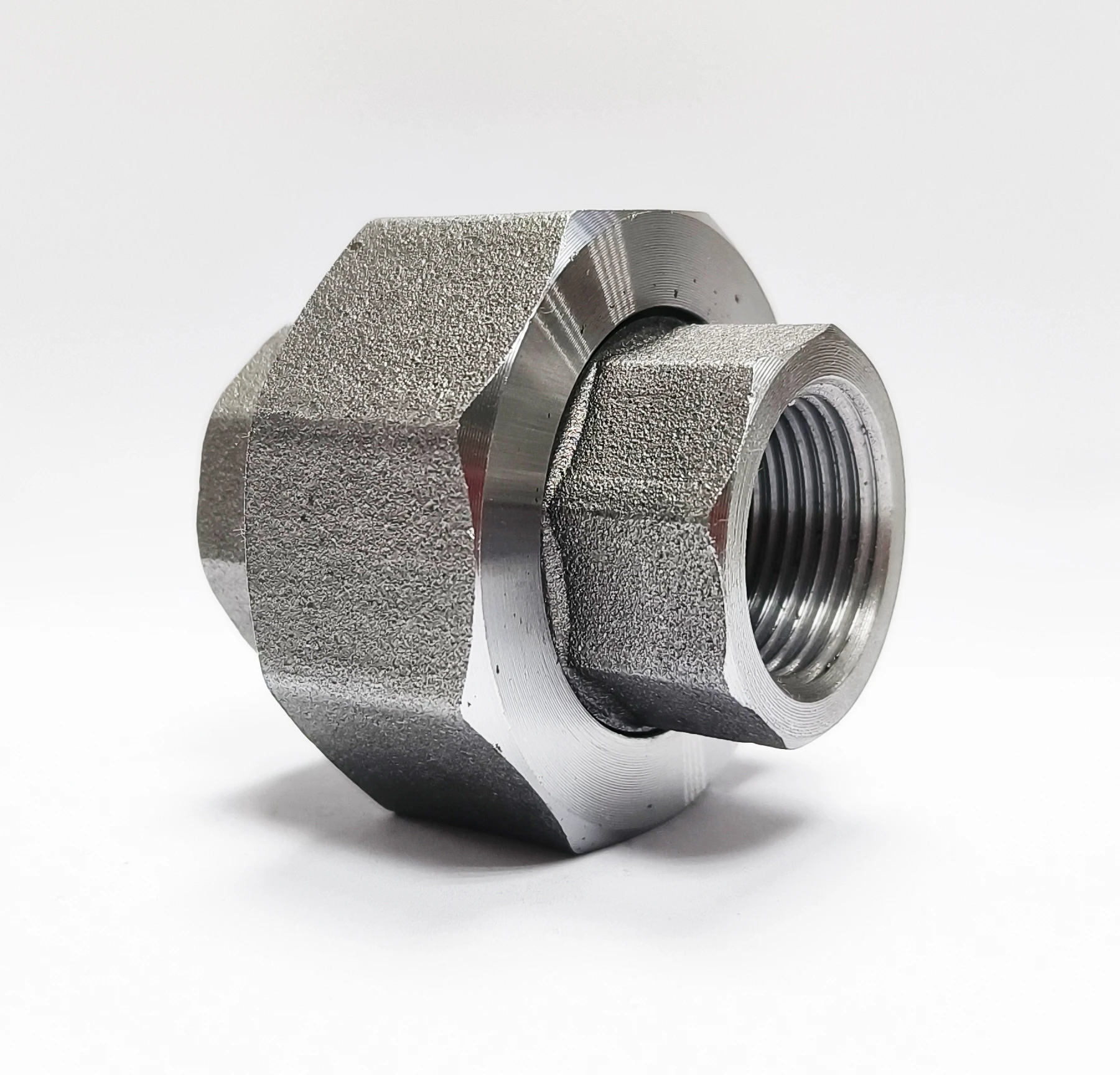
In the last decade, the transition to "Industry 4.0" has integrated CAD/CAM simulation into the casting process, allowing for the production of complex nodular cast iron fittings with significantly reduced waste and tighter tolerances.

Future Development Trends

Hybrid Material Integration

We anticipate a move toward combining nodular iron with composite coatings to increase lifespan in saltwater environments.

Additive Manufacturing Synergy

The integration of 3D printing for sand molds will accelerate the prototyping of custom aluminum gravity casting parts.

Circular Economy Loops

Search trends indicate a 30% increase in "green foundry" queries in the EU, pushing Belgium toward 100% recycled scrap metal utilization.

Industry Trends and Future Outlook

Strategizing for the next generation of miscellaneous metal manufacturing.

Eco-Efficient Foundry Processes
Reducing energy consumption during the smelting of cast iron to meet EU carbon credits.
Precision Tolerance Control
Implementing robotic finishing to ensure micron-level accuracy for aluminum components.
Smart Material Tracking
Using blockchain for raw material certification to ensure E-E-A-T compliance in supply chains.
Anti-Corrosive Surface Innovation
Developing next-gen enamelling techniques for harsh chemical processing environments.

Industry Outlook

The Belgian metal casting market is transitioning from a volume-based model to a value-based model. The demand for specialized, high-performance components like nodular iron fittings will outweigh the demand for generic cast products as the region's industrial base pivots toward high-tech chemicals and pharmaceuticals.

Future growth will be driven by the "Renovation Wave" across Europe, where upgrading outdated municipal water infrastructure with modern hydrant pipes will create a sustained demand for the next 5-10 years.

Localized Application Scenarios in Belgium

Real-world implementation of our metal solutions across Belgian industries.

01. Antwerp Port Logistics Equipment

Deployment of heavy-duty iron casing for container handling machinery to withstand the high-salinity coastal air of the North Sea.

02. Walloon Chemical Processing Plants

Utilization of enamelled cast iron plate in acidic environment vats to ensure zero contamination and maximum corrosion resistance.

03. Flanders Automotive Component Hubs

High-precision aluminum gravity casting for engine housings and brackets for Belgium's specialized automotive suppliers.

04. Brussels Urban Infrastructure Upgrade

Installation of high-pressure hydrant pipes and valves to modernize the capital's aging water network and fire safety systems.

05. Industrial Piping Networks in Ghent

Application of nodular cast iron fittings in large-scale industrial heating and cooling loops for the regional petrochemical cluster.

Brand Story

Global Development History of Hebei Mingda International Trade Co., Ltd.

Foundational Excellence

Established with a vision to bridge the gap between raw casting capacity and precision engineering requirements.

Technical Diversification

Expanded our portfolio to include advanced aluminum and nodular iron techniques to serve diverse industrial needs.

Global Market Penetration

Successfully entered the European market, adapting our products to meet the strict CE and DIN standards of Belgium.

Innovation Leadership

Invested in R&D for anti-corrosive coatings, solving the critical pain point of metal oxidation in humid climates.

Sustainable Future

Committing to carbon-neutral manufacturing to lead the transition toward a green metal industry worldwide.

Comprehensive Metal Product Portfolio for Belgium

Integrated casting and fabrication solutions engineered for Belgian industrial standards.

Belgium Industrial Casting FAQ

Technical answers for our Belgian partners and engineers.

How does aluminum gravity casting compare to die casting for Belgian automotive parts?

Gravity casting allows for better material properties and higher strength-to-weight ratios, making it ideal for larger, complex Belgian automotive components where die casting might be cost-prohibitive for mid-volume runs.

What are the advantages of nodular cast iron fittings over gray iron for piping?

Nodular iron offers superior ductility and impact resistance, which is critical for Belgian urban infrastructure that faces vibrations from heavy traffic and soil shifts.

Can enamelled cast iron plate be customized for specific chemical resistances?

Yes, we can adjust the glass composition of the enamel to provide specific resistance against the sulfuric or phosphoric acids commonly used in Belgian chemical plants.

What certifications do your hydrant pipes meet for EU installation?

Our pipes are manufactured to meet stringent EN standards, ensuring compatibility with Belgian municipal water networks and fire safety regulations.

How is the durability of iron casing ensured in saltwater environments?

We utilize a combination of high-phosphorus iron alloys and advanced epoxy-phenolic coatings to prevent chloride penetration in coastal Belgian regions.

What is the lead time for custom nodular iron components shipped to Antwerp?

Depending on complexity, production typically takes 4-6 weeks, with efficient logistics routing directly to the Port of Antwerp for rapid delivery.

Expert Metal Solutions for Your Project

Partner with a global leader in precision casting to optimize your industrial operations in Belgium.

Contact Us Now

If you are interested in our products, you can choose to leave your information here, and we will be in touch with you shortly.