


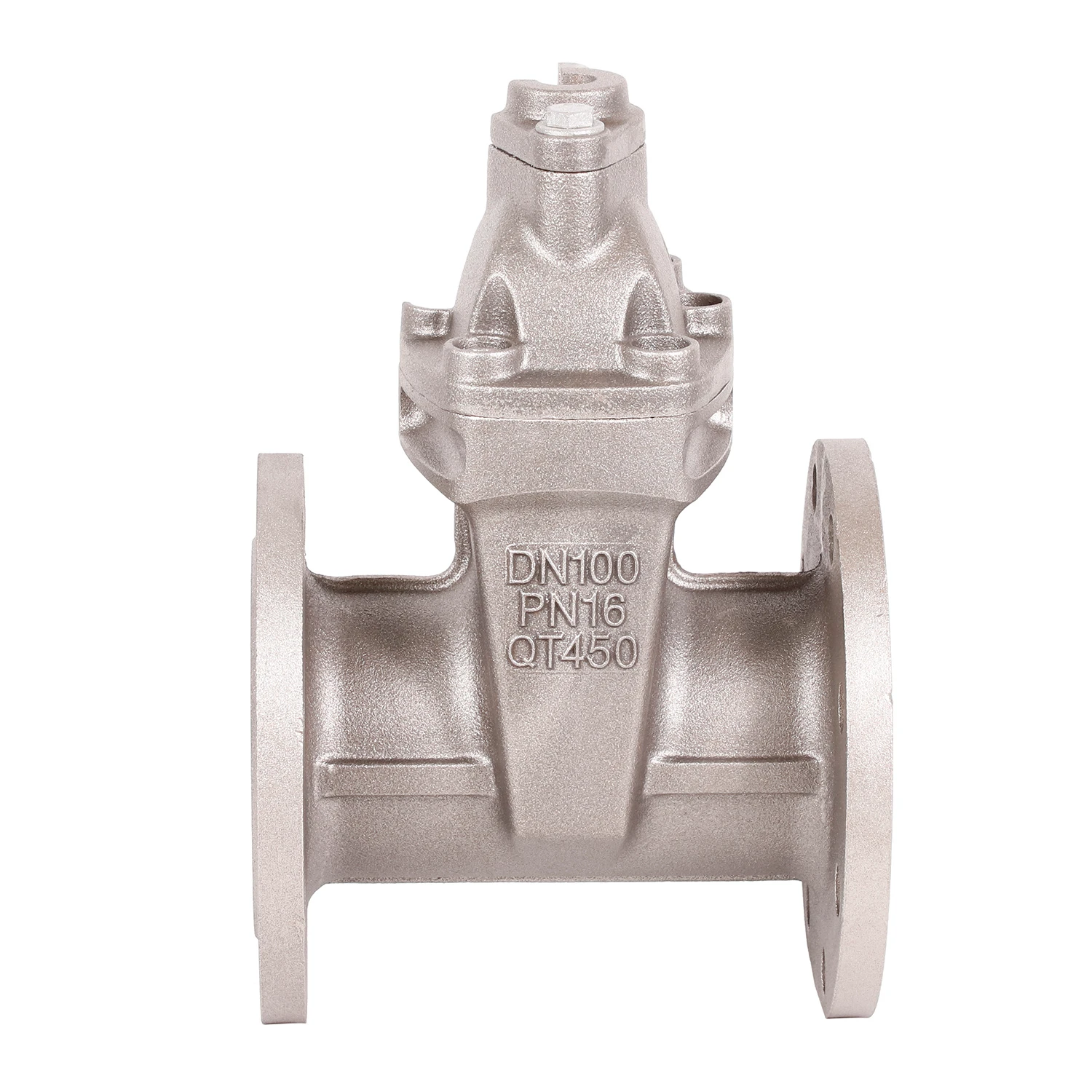

Precision metal fabrication through stamping remains a cornerstone of modern industrial manufacturing, enabling the high-volume production of complex geometric shapes with exceptional consistency. This process involves the use of dies and presses to shear, bend, and form sheet metal into specific functional components used across the automotive, aerospace, and electronics sectors. Understanding the interplay between material properties and tool design is essential for achieving optimal part performance and reducing waste during the production cycle.
For engineers and procurement specialists, the challenge lies in balancing tight tolerances with cost-efficiency. The selection of a partner capable of integrating CNC precision machining and diverse casting techniques—such as those offered by custom metal stamping parts providers—ensures that secondary operations like milling or grinding are seamlessly incorporated. This holistic approach to fabrication reduces the risk of dimensional drift and enhances the structural integrity of the final assembly.
This guide provides a technical deep dive into the selection criteria for stamped components, focusing on material behavior, quality assurance systems, and procurement strategies. By evaluating the technical capabilities of the manufacturer, such as their experience with ductile iron or stainless steel, buyers can mitigate risks associated with material fatigue and delivery delays, ensuring a stable supply chain for critical machinery parts.
Fundamentals of Precision Metal Forming
The mechanics of metal stamping rely on the plastic deformation of metal sheets. When a press applies force through a die, the metal exceeds its yield strength but remains below its ultimate tensile strength, allowing it to take a permanent shape. This process is highly efficient for B2B applications requiring thousands of identical units. However, the complexity arises in managing "springback"—the tendency of the metal to partially return to its original shape after the pressure is released. To counteract this, advanced tooling must incorporate over-bending techniques and precise calculations based on the material's Modulus of Elasticity. Furthermore, the integration of various manufacturing crafts, including resin sand and lost-wax methods for complex cores, allows for the creation of hybrid components that combine the speed of stamping with the structural complexity of casting, particularly for valve and hydrant bodies where pressure resistance is paramount.
Engineering Guide for Stamped Components
Transitioning from a technical drawing to a physical part requires a rigorous analysis of the production environment. The following sections break down the critical technical and commercial variables that determine the success of a precision metal project, from initial material sourcing to final quality validation.
Material Compatibility and Selection
The choice of alloy dictates the part's durability and the tool's lifespan. While aluminum offers lightweight benefits and excellent corrosion resistance, stainless steel is preferred for high-strength applications. Hebei Mingda utilizes a wide range of materials, including ductile iron, grey iron, brass, and alloy steel, to match specific industry requirements. Each material reacts differently to the stamping pressure; for instance, brass provides superior machinability for secondary turning, whereas alloy steels require more robust die materials to prevent premature wear.
| Material Type | Primary Property | Typical Application | Procurement Risk |
|---|---|---|---|
| Stainless Steel | Corrosion Resistance | Medical/Food Grade | High Tool Wear |
| Aluminum Alloy | Low Density | Aerospace/Auto | Springback Issues |
| Brass/Bronze | Conductivity | Electrical/Pipe Fittings | Material Cost Volatility |
| Ductile Iron | Impact Strength | Valve Bodies/Pumps | Porosity Control |
| Alloy Steel | Hardness | Industrial Machinery | Difficult Machining |
| Grey Iron | Vibration Damping | Engine Bases | Brittleness |
Tolerances and Dimensional Accuracy
In B2B manufacturing, "tight tolerances" are not just a preference but a functional requirement. Achieving precision from 1mm to 300mm requires a combination of high-grade CNC turning and precise die alignment. When components are used in railway or train systems, even a micron-level deviation can lead to mechanical failure. The focus should be on the "CPK" (Process Capability Index) to ensure that the manufacturing process can consistently produce parts within the specified limit without excessive scrap rates.
Production Process Integration
Modern fabrication rarely relies on a single process. The most efficient workflow often involves a sequence: raw casting or stamping, followed by CNC milling, surface grinding, and engraving. For example, a complex valve body may start as a sand casting to establish the basic volume and then undergo precision CNC turning to finalize the seating surfaces. This hybrid approach optimizes the cost-to-precision ratio, ensuring that expensive machining time is only used on critical dimensions.
Surface Treatment and Finishing
Post-processing is essential for protecting parts from environmental degradation. Depending on the end-use—whether in the Middle East's arid climate or Northern Europe's humidity—treatments such as anodizing for aluminum or galvanizing for steel are applied. The quality of the surface finish also affects the assembly fit; a high-quality surface reduces friction in moving machinery parts, thereby extending the lifecycle of the entire system.
Tooling and Die Maintenance
The longevity of a project depends on the maintenance of the dies. Tool wear leads to dimensional drift, which is the primary cause of batch rejection. Implementing a scheduled maintenance cycle—where dies are inspected and sharpened based on hit counts—is critical. For custom orders, the use of high-grade tool steel for the dies ensures that the 10,000th part is identical to the first, maintaining consistency across large-scale shipments to Germany or the USA.
Quality Control Standards
A strict quality assurance system must go beyond the buyer's basic requirements. Comprehensive QC involves raw material spectroscopy to verify alloy composition, followed by dimensional inspection using CMM (Coordinate Measuring Machines). For companies like Hebei Mingda, maintaining a rigorous internal standard reduces the need for costly third-party inspections and ensures that the delivered products meet the exact technical drawings provided by the customer.
Supply Chain Lead Time Optimization
In the B2B sector, lead time is a critical competitive factor. While a standard lead time may be 30 days, the ability to compress this to 20 days in urgent cases can save buyers significant air freight costs. This flexibility is achieved through a diverse network of foundry options and optimized production scheduling. By selecting the most suitable foundry based on the required craft (e.g., vacuum moulding vs. sand casting), production bottlenecks are minimized.
FAQ
What is the primary difference between stamping and casting for metal parts?
Stamping is a forming process that uses a press and die to shape sheet metal, making it ideal for high-volume, thin-walled components with high repeatability. Casting involves pouring molten metal into a mold, which is better suited for complex, thick-walled, or three-dimensional shapes that cannot be formed from a flat sheet. Many industrial projects use both: casting for the main body and stamping for the brackets or covers.
How do I choose between ductile iron and stainless steel for industrial components?
The choice depends on the environment and load. Ductile iron is preferred for components requiring high impact strength and vibration damping, such as pump housings or heavy machinery bases. Stainless steel is the correct choice for environments where corrosion resistance is critical, such as in chemical processing or medical equipment. For high-pressure valve bodies, the ability to combine these materials via precision machining is often the best strategy.
What factors most influence the cost of custom metal fabrication?
The primary cost drivers are material choice, tooling complexity, and order volume. Custom dies require a significant upfront investment; therefore, higher volumes reduce the per-unit cost. Additionally, tight tolerances (e.g., sub-micron levels) increase the need for secondary CNC precision machining and more frequent quality inspections, which adds to the overall price. Optimizing the design for manufacturability (DFM) can significantly lower these costs.
Can you provide components with a fast turnaround for urgent prototypes?
Yes, experienced trading and manufacturing partners can often accelerate lead times. While standard production typically takes 30 days, expedited processes can reduce this to 20 days by utilizing rapid prototyping tools and optimized logistics. This is particularly useful for buyers looking to avoid the high costs of emergency air freight or those needing to meet tight project deadlines in the automotive or railway sectors.
What quality certifications should I look for in a metal parts supplier?
Buyers should look for suppliers with a documented quality assurance system that includes material certification (mill certificates), dimensional reports for every batch, and experience with international standards (such as ISO). A supplier's ability to provide a detailed inspection report that matches the customer's drawing is a strong indicator of their reliability and technical capability in maintaining tight tolerances.
Which manufacturing process is best for complex valve bodies?
For complex valve bodies, a combination of investment casting (lost-wax) or sand casting is generally best to create the internal cavities. Once the raw casting is complete, CNC precision machining is used to finish the critical sealing surfaces and threaded ports. This ensures the part has the structural strength of a casting with the precision of a machined component, which is essential for preventing leaks under high pressure.
References and further reading
- Industrial Standards for Precision Sheet Metal Fabrication (ASTM International).
- Guide to Material Selection for Castings and Forgings in Machinery Parts.
- Analysis of Springback Phenomena in High-Strength Alloy Steels.


