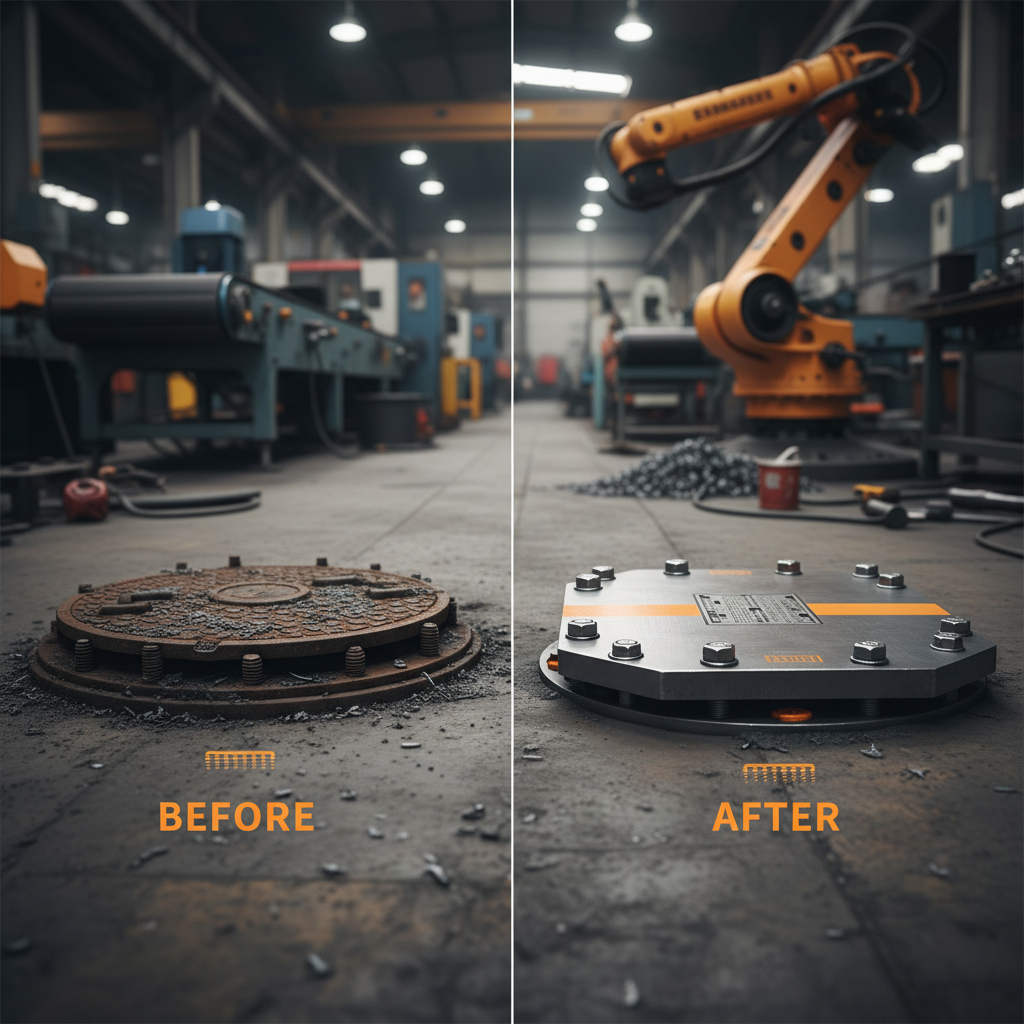
Ensuring the integrity of underground utility access is a critical component of urban infrastructure management. Among the various solutions available, bolted manhole covers stand out as the premier choice for environments requiring enhanced security, gas-tight seals, and resistance to unauthorized tampering. By utilizing a mechanical fastening system, these covers provide a level of reliability that standard press-fit versions simply cannot match.
From an engineering perspective, the shift toward bolted systems reflects a global push for higher safety standards in municipal and industrial settings. Whether managing hazardous wastewater, high-pressure steam lines, or sensitive telecommunications conduits, the ability to lock a cover firmly in place prevents accidental displacement and protects personnel from falls. This necessity has made the selection of the right material and bolting configuration a priority for civil engineers worldwide.
Understanding the nuances of bolted manhole covers—ranging from material composition to load-bearing capacities—is essential for reducing long-term maintenance costs. By investing in high-quality, precision-engineered covers, facility managers can ensure compliance with international safety regulations while extending the lifespan of their infrastructure. This guide explores the technical specifications and strategic advantages of implementing these secure access solutions.
Global Relevance of Bolted Manhole Covers
In the context of rapid urbanization, the demand for secure infrastructure has surged globally. International standards, including ISO and various EN (European Norms), emphasize the need for access covers that can withstand extreme load-bearing pressures while remaining secure. bolted manhole covers have become a global benchmark for critical infrastructure, particularly in regions where theft of metal covers or accidental openings pose significant public safety risks.
The challenge often lies in balancing accessibility with security. Traditional covers can be shifted by heavy traffic or lifted by unauthorized persons, leading to costly accidents and infrastructure damage. By integrating high-tensile bolts, municipalities and industrial plants can ensure that only authorized personnel with the correct tools can gain entry, thereby mitigating risks associated with urban utility management.
Defining the Engineering of Bolted Manhole Covers
At its core, a bolted manhole cover is a heavy-duty access plate that is mechanically fastened to its surrounding frame using a series of bolts and nuts. Unlike standard covers that rely on gravity or a simple friction fit, these systems create a rigid, locked connection. This design is specifically engineered for areas where the cover must resist lifting forces, such as in high-wind zones, flood-prone areas, or high-security chemical plants.
Modern engineering has evolved these components to include gaskets and specialized sealing rings. When the bolts are tightened, the cover is pressed firmly against a seal, creating a liquid-tight or gas-tight environment. This is crucial for preventing the escape of volatile organic compounds (VOCs) from sewers or protecting sensitive electrical equipment in underground vaults from groundwater infiltration.
Beyond simple security, these covers are integral to the "humanitarian" aspect of urban planning—protecting the public. In densely populated cities, the failure of a manhole cover can lead to catastrophic vehicle accidents. The mechanical locking mechanism of bolted manhole covers provides a fail-safe that prevents the cover from popping out during hydraulic surges in the sewer system, ensuring a safer environment for everyone.
Core Components for Maximum Durability
The longevity of bolted manhole covers depends heavily on the synergy between the cover plate, the frame, and the fastening hardware. The cover plate must be cast or fabricated from materials that resist deformation under heavy axle loads, while the frame must be perfectly aligned to ensure that the bolts can be tightened evenly across the entire circumference.
Material selection is the primary driver of durability. While ductile iron is common for high-load areas, stainless steel is often used in corrosive chemical environments, and composite materials are preferred for non-conductive requirements. The bolts themselves are usually made from high-grade stainless steel or galvanized steel to prevent rust, which would otherwise seize the fasteners and make maintenance impossible.
Another critical factor is the sealing interface. High-performance EPDM or nitrile rubber gaskets are typically inserted between the cover and the frame. These components ensure that the bolted manhole covers maintain their integrity against environmental ingress, preventing the contamination of underground systems and reducing the risk of internal corrosion.
Performance Metrics Across Different Materials
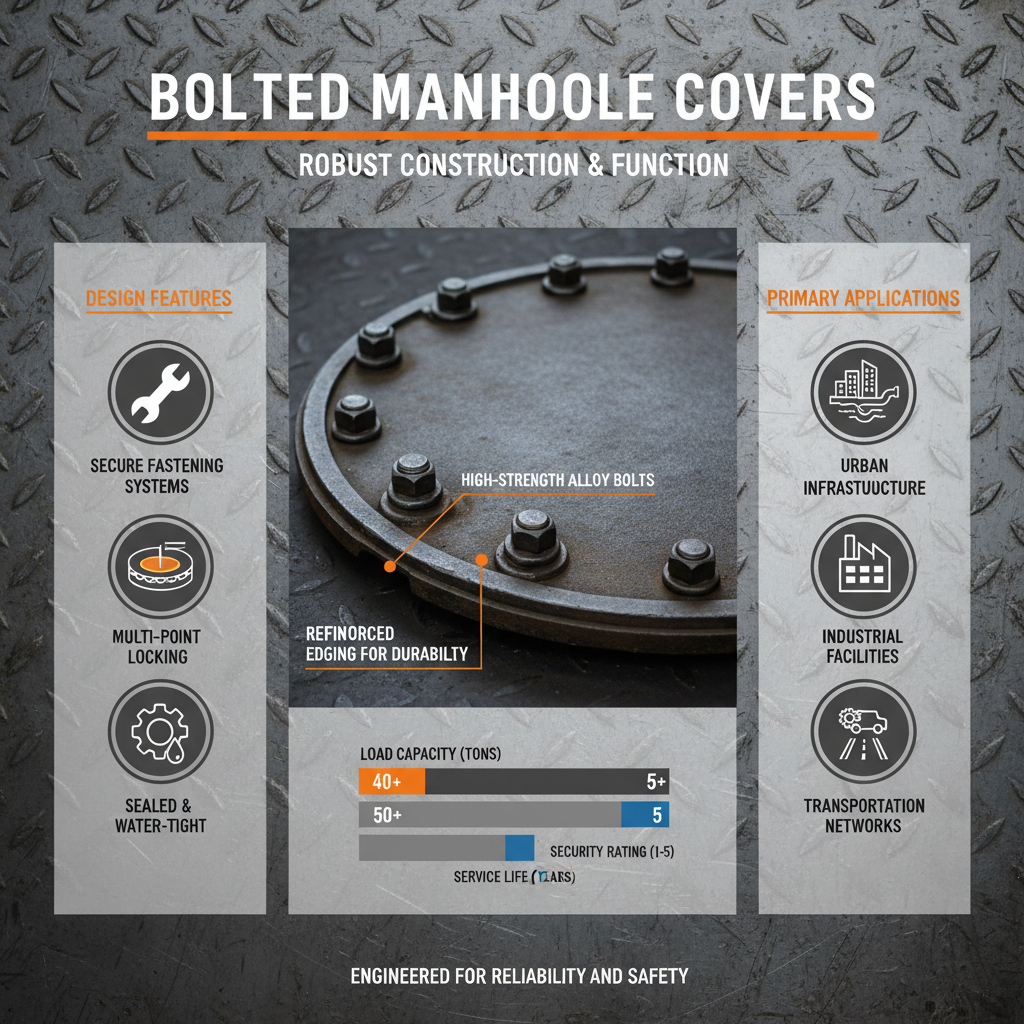
When selecting the right material for bolted manhole covers, engineers must evaluate a balance of tensile strength, corrosion resistance, and cost-effectiveness. For instance, ductile iron offers immense load-bearing capacity but requires coatings to prevent oxidation. In contrast, stainless steel provides an almost lifetime of service in saline environments but comes at a higher initial price point.
To better understand how these materials perform in real-world scenarios, it is helpful to look at standardized rating metrics. Factors such as "Ease of Installation," "Corrosion Resistance," and "Load Capacity" are weighed to determine the best fit for a specific project, whether it's a residential street or a heavy-industrial refinery.
Material Performance Comparison for Bolted Manhole Covers
Industrial Applications and Use Cases
The application of bolted manhole covers extends far beyond simple sewer access. In the oil and gas industry, these covers are used to secure access to valve chambers and pipeline junctions. In these high-risk zones, the ability to create a bolted, airtight seal is a safety mandate to prevent the leakage of flammable gases into the atmosphere, protecting both the workforce and the environment.
Furthermore, in municipal water treatment plants, bolted covers are employed to prevent unauthorized access to chemical dosing tanks. In remote industrial zones, where maintenance crews may only visit once a quarter, the reliability of a bolted system ensures that the covers remain in place despite extreme weather events or soil shifting, reducing the frequency of emergency repairs.
Long-Term Value and Safety Advantages
Investing in premium bolted manhole covers offers significant long-term economic value. While the initial purchase price may be higher than that of a standard cover, the reduction in theft-related replacements and the decrease in liability from accidents create a positive return on investment (ROI). For many organizations, the "peace of mind" that comes with a locked, secure system is an intangible but invaluable asset.
From a safety perspective, the psychological impact of secure access cannot be overstated. Workers entering a confined space feel more secure knowing the cover is properly fastened and that the environment is controlled. Moreover, the use of anti-vandalism bolts ensures that the integrity of the infrastructure is not compromised by curious bystanders or malicious actors.
Sustainability also plays a role here. By using high-grade materials like stainless steel or advanced composites, the lifecycle of the product is extended from 10-15 years to 30-50 years. This reduces the carbon footprint associated with the repeated casting, transport, and installation of replacement covers, aligning industrial operations with global green initiatives.
Future Trends in Access Cover Innovation
The future of bolted manhole covers is being shaped by the "Smart City" movement. We are seeing the integration of IoT sensors within the cover plates. These sensors can detect when a bolted cover has been opened or if the bolt tension has loosened due to seismic activity, sending real-time alerts to municipal dashboards. This transformation from passive hardware to active monitoring systems will revolutionize infrastructure maintenance.
Additionally, there is a growing trend toward the use of lightweight, ultra-high-performance concrete (UHPC) and hybrid polymers. These materials offer the strength of steel with a fraction of the weight, making the installation and removal of bolted covers much easier for technicians, thereby reducing workplace injuries related to heavy lifting.
Finally, automation in manufacturing—such as 3D metal printing—is allowing for the creation of bespoke bolted covers tailored to the exact dimensions of legacy systems. This means that old urban grids can be upgraded with modern, secure covers without the need to dig up and replace entire manhole frames, saving millions in urban redevelopment costs.
Comparative Analysis of Bolted Manhole Cover Specifications
| Material Type |
Load Class (EN 124) |
Corrosion Resistance |
Typical Application |
| Ductile Iron |
D400 - F900 |
Moderate |
Main Roads/Highways |
| Stainless Steel 316 |
B125 - D400 |
Excellent |
Food Plants/Pharmacies |
| Composite (SMC) |
A15 - C250 |
High |
Pedestrian/Residential |
| Galvanized Steel |
C250 - D400 |
Good |
Industrial Warehouses |
| Cast Aluminium |
A15 - B125 |
High |
Light Commercial |
| Polymer Concrete |
B125 - D400 |
Very High |
Chemical Drainage |
FAQS
Bolted manhole covers offer significantly higher security by mechanically locking the cover to the frame. This prevents unauthorized access, eliminates the risk of the cover being displaced by hydraulic pressure from below, and allows for the integration of airtight seals, which is essential for hazardous gas or liquid containment.
The best way to prevent seizing is to use high-grade stainless steel (such as 304 or 316) for the bolts and nuts. Additionally, applying an anti-seize lubricant during installation and ensuring the cover is properly coated (e.g., hot-dip galvanizing or epoxy coating) will maintain the functionality of the fasteners for decades.
Yes, provided they are rated for the correct load class (e.g., Class D400 or F900 under EN 124). Ductile iron bolted covers are specifically designed to withstand the immense pressure of heavy axle loads while maintaining a secure lock, making them ideal for highways and airport aprons.
Absolutely. For chemical environments, we recommend stainless steel or composite bolted manhole covers. These materials resist the corrosive effects of acids and alkalis, and the bolting system ensures that hazardous fumes are contained, protecting the surrounding facility and personnel.
Inspection schedules vary by environment, but generally, a bi-annual check is recommended for high-traffic or industrial areas. Technicians should check for bolt tension, signs of corrosion, and the condition of the sealing gasket to ensure the system remains secure and leak-proof.
While it requires a few more steps—specifically the alignment of the frame and the tightening of the bolts—the installation process is straightforward. The added time during installation is offset by the significantly reduced need for emergency repairs and the increased security of the infrastructure.
Conclusion
In summary, bolted manhole covers represent a critical intersection of safety, security, and engineering excellence. By moving beyond simple gravity-based covers to a mechanically fastened system, industries and municipalities can effectively mitigate risks ranging from unauthorized entry to catastrophic infrastructure failure. Whether through the use of ductile iron for load strength or stainless steel for corrosion resistance, these covers provide a robust solution for the modern urban landscape.
Looking forward, the integration of smart monitoring and advanced materials will only enhance the value of these systems. We recommend that facility managers and urban planners prioritize the installation of bolted systems in all critical access points to ensure long-term reliability and public safety. For high-quality, custom-engineered access solutions, we invite you to explore our comprehensive range. Visit our website: www.mingdametals.com