Telefon:
+86 18631189888

E-mail:
liyanhui@bestcastings.cn


Brass machining parts are widely used in industrial equipment, fluid control systems, electrical components, automotive systems, plumbing assemblies, and other applications where dimensional accuracy, corrosion resistance, and reliable mechanical performance are important. Brass combines good machinability with strength, conductivity, and resistance to many environmental conditions, making it a practical material for producing precision components in different shapes and sizes. For buyers requiring stable quality and consistent production, china brass machining parts can provide a flexible manufacturing solution supported by mature machining and casting capabilities. From standard components to highly customized parts, professional manufacturers can combine brass casting, CNC machining, turning, milling, drilling, and finishing processes to meet specific drawings and technical requirements.

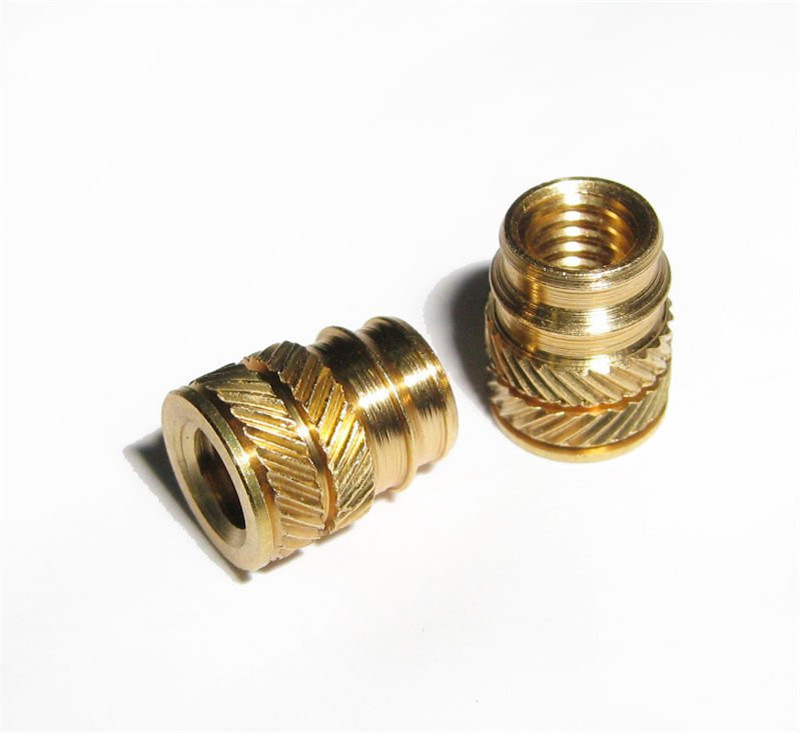
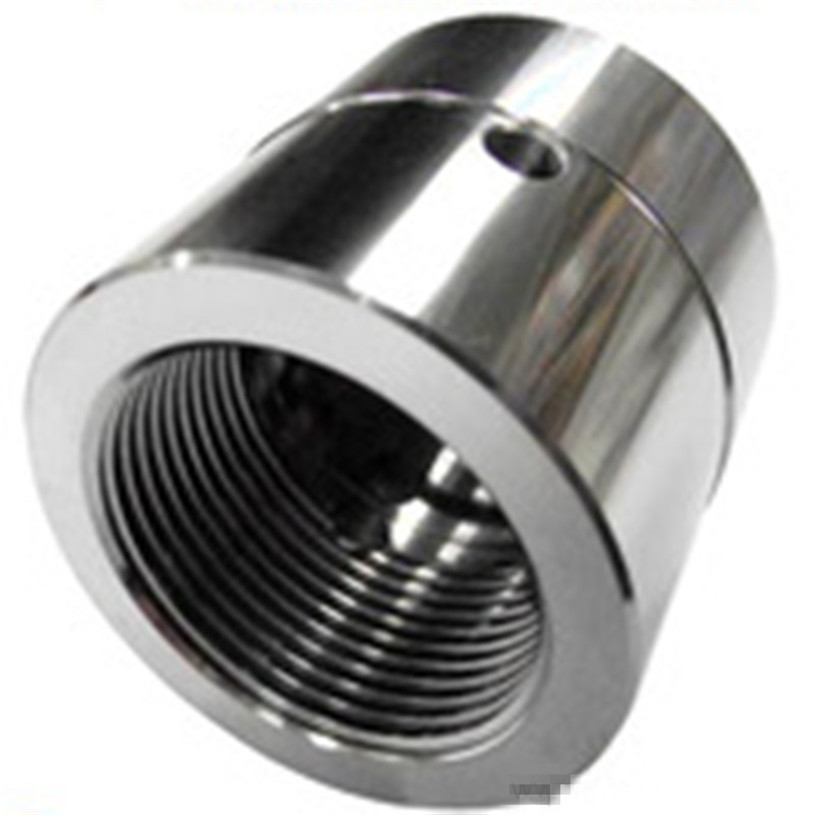
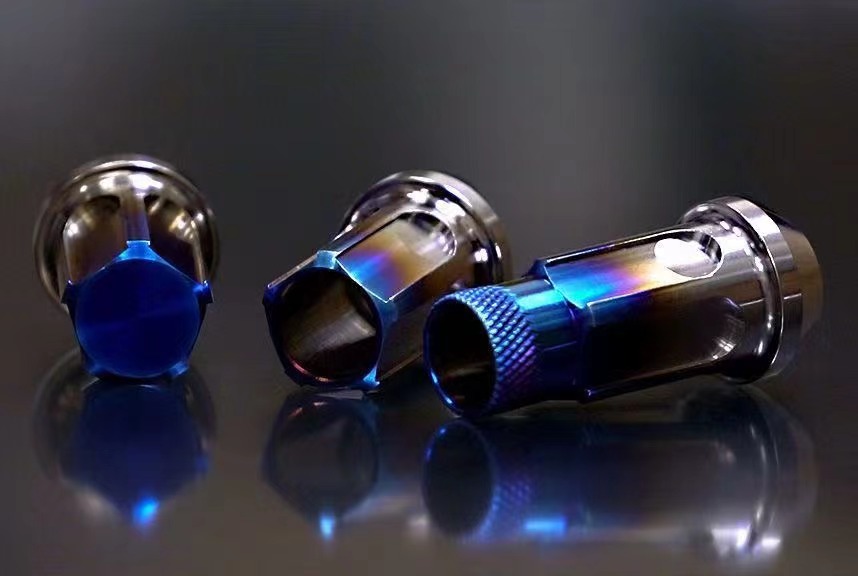
Brass machining parts are commonly integrated into industrial equipment because brass offers a useful balance between machinability, durability, and corrosion resistance. Components such as bushings, fittings, connectors, valves, adapters, sleeves, nuts, inserts, and other precision parts can be manufactured according to different equipment structures and operating conditions. Their relatively good machinability also allows manufacturers to achieve accurate threads, holes, grooves, and external profiles without unnecessarily complicated processing.
In equipment requiring repeated assembly and disassembly, brass components can provide reliable dimensional stability and suitable wear performance. They can also be manufactured in different grades according to mechanical, electrical, or fluid-contact requirements. This flexibility makes brass a practical option for both simple hardware and more complex engineered components.
For OEM buyers, the value of brass machining parts is not limited to the material itself. Manufacturing accuracy, tolerance control, surface treatment, inspection procedures, and production consistency all influence the final performance of the component. A capable supplier should therefore be able to provide both machining expertise and effective quality control throughout production.
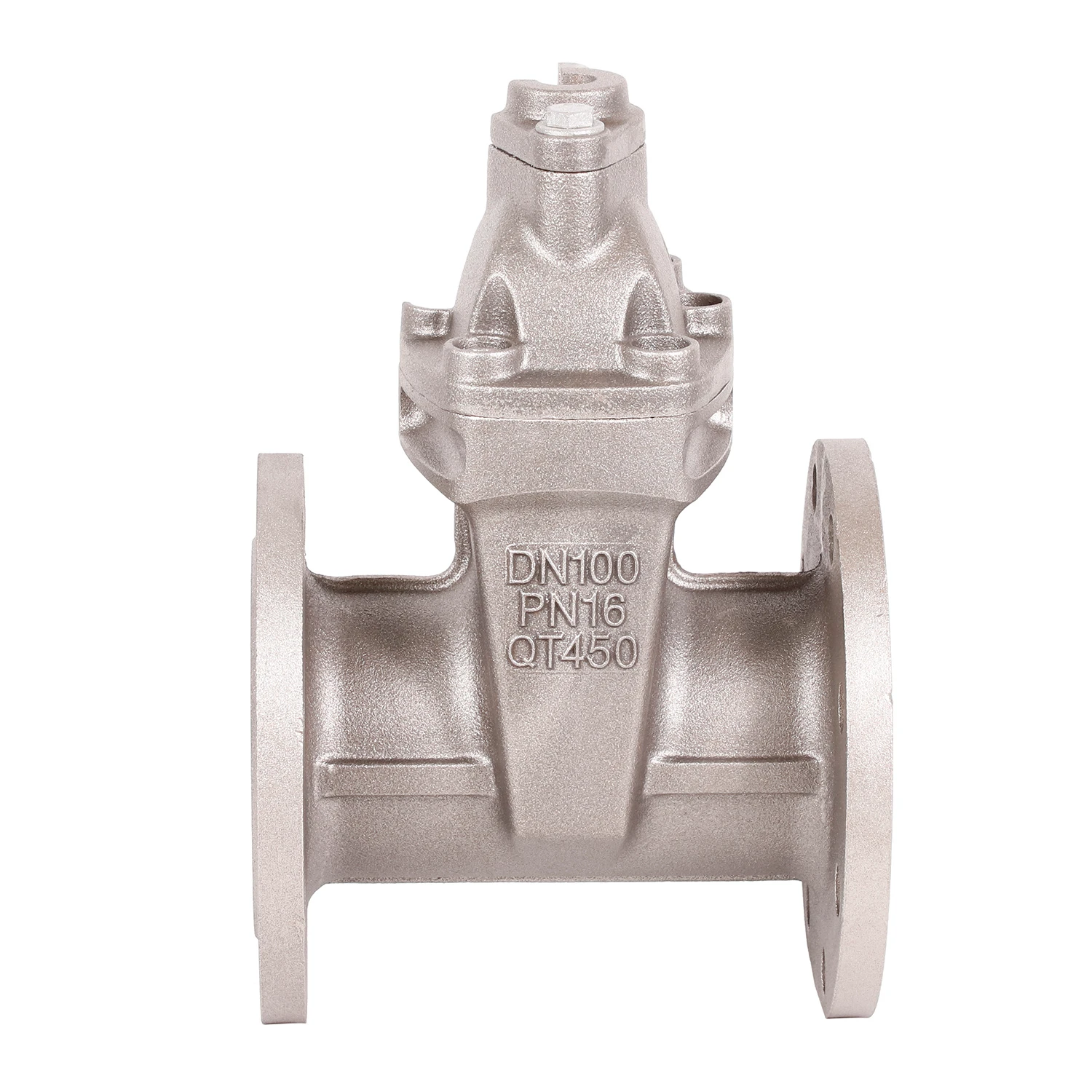
Fluid control is another important application area for brass machining parts. Brass is frequently selected for fittings, valve components, connectors, adapters, and other parts used in water, air, gas, and industrial fluid systems. The material's corrosion resistance and good machinability make it suitable for producing components that require precise internal passages, threaded connections, and sealing surfaces.
For these applications, dimensional accuracy is particularly important because even small deviations in threads or sealing areas can affect assembly and system performance. Machined brass components can be produced according to detailed drawings, allowing manufacturers to control critical dimensions during turning, milling, drilling, and other operations.
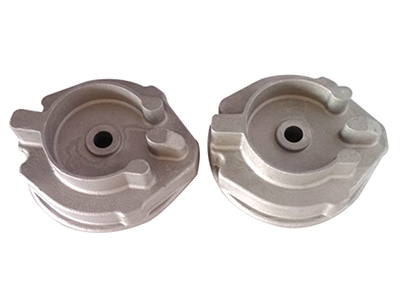
Some projects require cast brass blanks before machining. In this situation, custom brass casting can create the basic geometry of a component, while subsequent machining provides the dimensional accuracy required for final assembly. This combination can be especially useful for parts with relatively complex shapes or higher production volumes.
Electrical and automotive industries also use brass machining parts for components that require electrical conductivity, reliable connections, and precise dimensions. Brass terminals, connectors, contact components, threaded inserts, bushings, and other conductive hardware can be produced in different configurations to match specific assemblies.
In electrical applications, material selection and dimensional consistency are important because components may need to maintain stable contact during repeated operation. Machining can provide accurate contact surfaces, threads, holes, and connection structures while allowing manufacturers to produce components according to customer drawings.
Automotive applications may involve more demanding requirements related to vibration, temperature changes, assembly cycles, and environmental exposure. Depending on the application, brass components can be combined with other materials or surface treatments to meet the requirements of the final system. For OEM projects, close communication between the buyer and brass machining parts manufacturer is essential to confirm material grade, tolerances, machining processes, inspection standards, and production quantities before manufacturing begins.
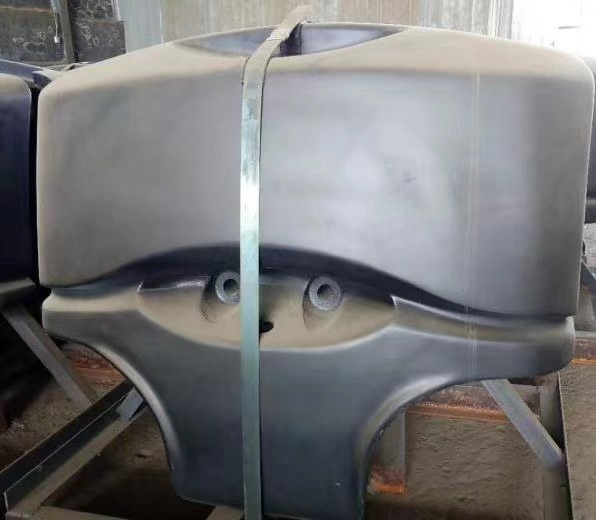
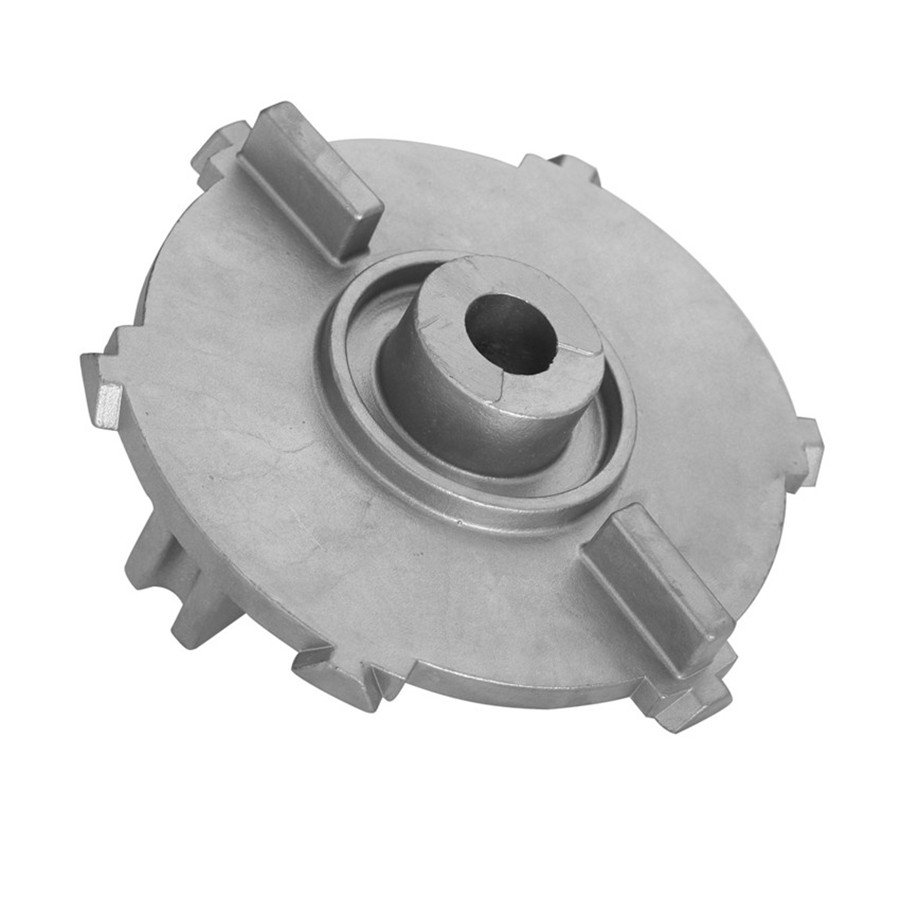
The relationship between casting and machining is an important consideration when developing customized brass components. Custom brass casting is suitable for producing near-net-shape blanks with complex external structures, while precision machining can subsequently refine critical surfaces and dimensions. This manufacturing route can reduce unnecessary material removal compared with machining an entire component from solid brass stock.
For components with irregular profiles, internal structures, mounting areas, or larger dimensions, casting can provide greater design flexibility. After casting, machining operations can be applied to threaded holes, sealing faces, mounting surfaces, bores, and other areas where tighter tolerances are required.
A complete manufacturing solution may therefore involve pattern or mold preparation, brass casting, trimming, heat treatment where applicable, CNC turning, CNC milling, drilling, tapping, surface finishing, and final inspection. The exact process depends on the component's geometry, material specification, quantity, and performance requirements. This integrated approach allows customers to source customized brass machining parts from a single manufacturing partner rather than coordinating separate casting and machining suppliers.
OEM projects often require components that are not available as standard catalog products. Brass machining parts can be manufactured directly from customer drawings, CAD files, samples, or technical specifications. This enables suppliers to produce components with customized dimensions, thread standards, hole patterns, surface finishes, and functional features.
During the development stage, manufacturers need to evaluate the drawing and determine the appropriate production process. Simple cylindrical components may be suitable for CNC turning, while more complicated components can require a combination of turning, milling, drilling, tapping, and other operations. When the design involves a cast body, custom brass casting can be incorporated before precision machining.
Production volume also influences the manufacturing strategy. Small batches may prioritize flexible CNC machining, while larger orders can benefit from dedicated tooling, casting processes, and optimized machining cycles. A professional supplier should be able to adjust its production method according to project requirements while maintaining consistent dimensions and quality.
Working with a china brass machining parts factory can provide international buyers with access to established manufacturing resources, experienced machining teams, and flexible production capabilities. China has a broad industrial supply chain covering metal casting, CNC machining, tooling, surface treatment, inspection, and packaging, allowing manufacturers to coordinate multiple production stages efficiently.
For overseas buyers, however, factory capability should be evaluated beyond equipment quantity. Production experience, material control, drawing interpretation, quality inspection, delivery management, and communication are equally important. A reliable brass machining parts manufacturer should be able to understand technical requirements and translate them into a stable manufacturing process.
For projects requiring both casting and machining, an integrated supply network can further simplify procurement. It allows the manufacturer to select an appropriate casting process and machining method based on the component design instead of applying the same process to every order. This can help balance production efficiency, quality, and overall cost.
Consistent quality is essential when brass machining parts are used in industrial assemblies. Material composition should be controlled according to the specified brass grade, while machining tolerances need to correspond with the functional requirements of each component. Critical dimensions can be inspected using appropriate measuring equipment, and visual inspection can be used to identify casting defects, machining marks, or surface problems.
For cast and machined components, quality control should cover the entire manufacturing process rather than only the final inspection. Casting quality, machining accuracy, thread dimensions, surface condition, and packaging can all affect the usability of the finished product.
Buyers should also communicate requirements for material certificates, inspection reports, samples, tolerances, surface finishes, and packaging before production. Clear specifications help a china brass machining parts supplier establish an appropriate production plan and reduce the possibility of misunderstandings during mass production.
Hebei Mingda International Trading Company specializes in castings, forgings, and machinery parts, working closely with manufacturing partners across major industrial areas in China. Its product capabilities include brass, ductile iron, grey iron, stainless steel, aluminum, machined castings, and forged parts, enabling customers to source different metal components through an established production network.
For brass projects, the company can coordinate suitable casting and machining resources according to customer drawings, required materials, production quantities, tolerances, and application requirements. Its manufacturing network includes resin sand, sand mold, hot core box, lost-wax, and lost-foam processes, together with subsequent machining capabilities. Strict quality control is applied throughout production to meet or exceed buyer requirements.
With export experience covering Germany, Sweden, the UK, Denmark, France, the USA, and the Middle East, Hebei Mingda understands the quality and delivery expectations of international industrial buyers. Standard lead times are around 30 days, while special projects may be completed in approximately 20 days depending on production requirements.
If you are sourcing brass machining parts for industrial equipment, fluid control systems, electrical components, automotive applications, or customized OEM projects, Hebei Mingda can help coordinate suitable custom brass casting and machining solutions. Contact the team with your drawings, samples, specifications, or project requirements to discuss the right manufacturing process and request a quotation for your next order.